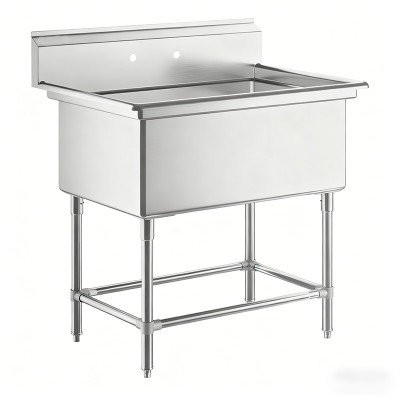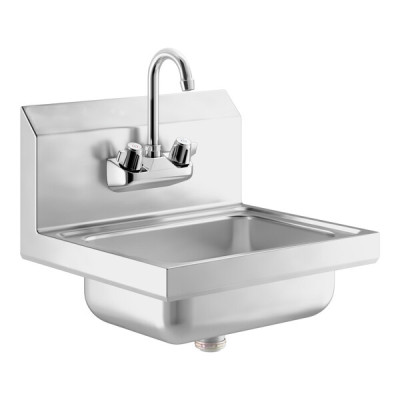
A Beginner's Guide to Large Stainless Steel Utility Sinks for Commercial Use
Welcome to our beginner's guide, where I'll help you navigate the essential world of commercial utility setups. In this comprehensive overview, I want to show you why integrating a large stainless steel utility sink can be a game-changer for businesses seeking durability, hygiene, and efficiency. This isn't just about finding a place to wash things; it's about making a strategic investment in your operational workflow, safety standards, and long-term budget. Whether you're running a bustling restaurant kitchen, a clinical laboratory, a creative studio, or a heavy-duty workshop, the right sink is a cornerstone of daily activity. We'll explore everything from the foundational material science to practical selection and maintenance tips, ensuring you have all the knowledge to choose a sink that works as hard as you do.
Key Takeaways
For those looking for a quick summary, here are the essential points to consider when choosing a large stainless steel utility sink for your business:
- Material is King: Stainless steel is the industry standard for commercial sinks for a reason. Its non-porous surface is exceptionally hygienic, resisting bacteria, mold, and germs, which is critical in food service and healthcare environments. Unlike materials such as acrylic or porcelain, it does not easily chip, crack, or stain.
- Durability Equals Value: The initial cost of a high-quality stainless steel sink is an investment in longevity. Commercial-grade stainless steel is highly resistant to corrosion, rust, heat, and physical impact. This durability means you won't be facing costly repairs or replacements, delivering a superior return on investment over the sink's long lifespan.
- Gauge Matters Most: When selecting a sink, pay close attention to the steel's gauge. For commercial use, a lower gauge number means thicker, more durable steel. A 14 or 16-gauge sink is highly recommended for demanding environments as it better resists dents, damage, and noise compared to the thinner 18 or 20-gauge options common in residential settings.
- Design for Your Workflow: The right size and configuration can dramatically improve efficiency. Consider how you'll use the sink. Do you need a single large basin for bulky items, or would a multi-compartment sink (two or three basins) better suit a wash-rinse-sanitize process? Features like integrated drainboards for drying and high backsplashes to protect walls also play a crucial role in a functional workspace.
- Maintenance is Simple but Crucial: One of the best features of stainless steel is its ease of maintenance. Daily cleaning with mild soap and water, followed by a thorough rinse and dry, is usually all that's needed. Avoid harsh chemicals like bleach and abrasive scrubbers like steel wool, which can damage the protective finish.
- Look for Quality Brands: Investing in a trusted brand like Samsink ensures you are getting a product designed with commercial demands in mind. Samsink sinks often feature superior construction, thicker gauges, and advanced sound-dampening technology, providing a quieter and more pleasant work environment.
By keeping these key points in mind, you can confidently select a large stainless steel utility sink that will serve as a reliable and valuable asset for your business for years to come.
Why a Large Stainless Steel Utility Sink Stands Out for Commercial Use
When setting up or upgrading a commercial space, every decision impacts your workflow, budget, and compliance with health standards. The choice of a utility sink is no exception. While various materials are available, large stainless steel utility sinks have become the undisputed champion in commercial settings, and for good reason. They offer a unique combination of strength, hygiene, and long-term value that other materials struggle to match. This section will delve into why stainless steel is not just a popular choice, but the smartest choice for any business that takes its operations seriously. We'll compare it to other options, highlight its incredible durability, and explain why its ease of cleaning is a non-negotiable benefit in a professional environment.
Understanding Material Choices for Your Commercial Needs
Choosing the right material for a commercial utility sink is a critical decision that balances factors like durability, hygiene, maintenance, and budget. While several options exist, each with its own set of strengths and weaknesses, they are not all created equal for the demands of a professional environment.
Here is a comparison of the most common materials used in commercial sinks:
| Material | Pros | Cons | Best For |
|---|---|---|---|
| Stainless Steel | Extremely durable, hygienic (non-porous), resistant to heat and corrosion, easy to clean, modern aesthetic. | Can be noisy, prone to showing water spots and scratches (though not affecting integrity). | High-traffic environments like restaurants, hospitals, labs, and any application where hygiene is paramount. |
| Cast Iron (Enameled) | Very durable, classic look, excellent heat retention. | Heavy, complicating installation; enamel coating can chip, exposing the iron to rust. | Settings where aesthetics are important and use is less intensive than a high-volume kitchen. |
| Composite (Granite/Quartz) | Highly resistant to scratches and heat, available in various colors, quieter than stainless steel. | Can be expensive, and may crack under extreme thermal shock or heavy impact. | Customer-facing areas or design-focused spaces where a stone look is desired. |
| Fireclay | Hard, durable surface resistant to scratches and stains. | Can crack from sharp impacts, very heavy, and often more expensive. | Bakeries or labs where non-reactivity is valued, but less ideal for heavy pot washing. |
| Acrylic/Plastic | Lightweight, inexpensive, easy to install. | Prone to scratching, staining, and not resistant to high temperatures or harsh chemicals. | Low-use areas, janitorial closets, or temporary setups where budget is the primary driver. |
For most commercial applications, the decision often comes down to a trade-off between initial cost, appearance, and long-term performance. While materials like composite or fireclay offer aesthetic benefits, they come with vulnerabilities that are a significant liability in a fast-paced commercial setting. Plastic and acrylic sinks, while budget-friendly, simply lack the robustness required for professional use. This leaves stainless steel as the standout choice, providing the most balanced and reliable feature set for the widest range of commercial needs.
The Unmatched Durability of Stainless Steel Compared to Other Options
A commercial environment is a battlefield for equipment. Constant use, heavy impacts, extreme temperatures, and harsh chemicals create a demanding proving ground where only the strongest materials survive. This is precisely where stainless steel demonstrates its superiority. With proper maintenance, a quality stainless steel sink can last anywhere from 15 to 30 years, making it an excellent long-term investment.
Let's break down the key aspects of its durability:
Impact Resistance: Consider a busy restaurant kitchen. Heavy stockpots, sharp utensils, and bulky equipment are constantly being moved in and out of the sink. A porcelain or enameled cast iron sink might look elegant, but it is vulnerable to chipping and cracking under this kind of pressure. Once the enamel on a cast iron sink is chipped, the iron beneath is exposed to water and will begin to rust. Stainless steel, on the other hand, is resilient. While a severe impact might leave a dent in a lower-quality, thinner gauge sink, it won't chip, crack, or shatter. Its inherent flexibility allows it to absorb shocks that would permanently damage more brittle materials.
Heat and Thermal Shock Resistance: Commercial operations often involve draining boiling water or placing hot pans directly into the sink. Stainless steel is exceptionally resistant to high temperatures and thermal shock, meaning it won't warp, crack, or discolor when subjected to sudden temperature changes. Materials like plastic can melt or deform, while some composites and natural stone can crack if a hot pan is placed on a cold, wet surface. Stainless steel's ability to handle these extremes makes it a safe and reliable choice.
Corrosion and Stain Resistance: The "stainless" in stainless steel comes from its chromium content, which forms an invisible, passive layer of chromium oxide on the surface. This layer protects the steel from rust and corrosion, even when constantly exposed to water and cleaning chemicals. Unlike carbon steel, which rusts quickly, or copper, which develops a patina, stainless steel maintains its integrity. Furthermore, its non-porous surface means that common food acids and aggressive cleaning agents won't cause it to stain or degrade, ensuring it remains both functional and presentable over the long term.
In essence, while other materials may offer certain aesthetic advantages, they often come with significant compromises in durability. For a commercial utility sink that needs to withstand the rigors of daily professional use, the robust, resilient, and forgiving nature of stainless steel is simply unmatched.
Ease of Cleaning: A Top Priority for Any Large Stainless Steel Utility Sink
In any commercial setting, particularly those involving food service, healthcare, or laboratory work, hygiene is not just a goal—it is a strict requirement. The ease with which a surface can be cleaned and sanitized is directly linked to safety and regulatory compliance. This is one of the most compelling reasons why stainless steel is the dominant material for commercial utility sinks.
The secret to stainless steel's superior cleanability lies in its surface. High-quality stainless steel has a smooth, non-porous finish. Unlike materials like wood or even some plastics, which have microscopic pores and crevices, stainless steel offers no place for bacteria, grime, and other microbes to hide and multiply. Liquids and food particles rest on the surface rather than being absorbed, making them easy to wipe away.
This non-porous nature provides several key benefits:
- Effective Sanitization: Because contaminants can't penetrate the surface, standard cleaning and sanitizing procedures are highly effective. A simple process of removing debris, washing with a mild detergent, rinsing, and then applying a food-safe sanitizer is all that is needed to achieve a hygienic surface. The material itself can withstand aggressive cleaning agents and high-temperature sanitization methods without degrading.
- Prevention of Cross-Contamination: In a busy kitchen, a sink is used for many tasks. The ability to quickly and completely clean the sink between tasks (e.g., washing vegetables and then rinsing poultry) is crucial to prevent cross-contamination and ensure food safety.
- Stain and Odor Resistance: The same properties that make stainless steel easy to sanitize also make it resistant to staining and retaining odors. Acidic foods, strong pigments, and pungent materials won't be absorbed into the material, so the sink remains neutral and clean after washing.
- Simple Daily Maintenance: For daily cleaning, complex or harsh chemicals are often unnecessary. Warm water, a mild soap, and a soft cloth or sponge are usually sufficient to remove grease and grime. After cleaning, thoroughly rinsing and drying the sink is a best practice to prevent water spots and mineral deposits.
Compared to other materials, the difference is clear. Porous surfaces like unsealed stone or wood are nearly impossible to sanitize fully in a commercial context. Even materials like porcelain, while non-porous, can develop micro-cracks in the glaze over time, which then become havens for bacteria. Stainless steel's inherent properties make it the most reliable, efficient, and effective choice for maintaining the highest standards of cleanliness.

Key Benefits I See in Choosing a Large Stainless Steel Utility Sink
Beyond the fundamental advantages of durability and hygiene, choosing a large stainless steel utility sink brings a host of practical benefits that enhance daily operations and provide excellent long-term value. These sinks are not just a passive component of your workspace; they are an active contributor to efficiency, safety, and financial prudence. From meeting rigorous health codes to offering a surprisingly low lifecycle cost, the decision to invest in stainless steel pays dividends in multiple ways. In this section, we will explore the key benefits that make these sinks a smart and strategic choice for any serious commercial enterprise, looking at how they uphold health standards, offer surprisingly easy maintenance, and deliver an unbeatable return on investment.
Hygiene and Health: Why Stainless Steel is a Commercial Standard
The widespread adoption of stainless steel in commercial settings isn't a matter of trend or preference; it's a direct response to stringent health and safety regulations. Health departments and regulatory bodies like the FDA have codes that emphasize the prevention of foodborne illness, and the right equipment is a cornerstone of this effort. Stainless steel's properties align perfectly with these requirements, making it the industry standard for creating a safe and hygienic environment.
Here’s why stainless steel is integral to meeting commercial health standards:
Non-Porous Surface for Bacteria Resistance: The primary reason stainless steel is mandated in so many professional kitchens is its smooth, non-porous nature. Unlike materials such as wood or plastic that can harbor bacteria in microscopic cracks and pores, stainless steel provides a sealed surface. This makes it incredibly difficult for germs, bacteria, and mold to take hold and multiply, drastically reducing the risk of cross-contamination and foodborne illness.
Ease of Sanitization: Following health codes requires frequent and thorough cleaning. Stainless steel can withstand the harsh sanitizing agents and high-temperature water (often 171°F or higher for thermal sanitizing) required in commercial settings without corroding, warping, or degrading. This ensures that sanitization processes are fully effective every time.
NSF Certification: Many health departments mandate the use of equipment certified by the National Sanitation Foundation (NSF). For a sink to be NSF-certified, it must be made from materials that are non-toxic, corrosion-resistant, and easy to clean. NSF standards often require features like coved (rounded) corners inside the sink bowl to prevent bacteria from accumulating in sharp 90-degree angles, which are difficult to clean. Stainless steel is the material of choice for meeting these rigorous design and material standards.
Chemical Inertness: Stainless steel is non-reactive. It won't react with acidic foods (like tomatoes or citrus) or strong alkaline cleaners. This is crucial for food safety, as it ensures that no harmful chemicals or metallic tastes are leached into the food being prepared. This inertness preserves the integrity and flavor of ingredients.
By choosing a stainless steel sink, particularly one that is NSF-certified, a business is not just buying a piece of equipment. It is investing in a compliant, safe, and defensible system for hygiene. This compliance is critical for passing health inspections and, more importantly, for protecting the health of customers and staff.
Lightweight and Easy Maintenance: Similarities to Acrylic, but Stronger
When considering a large utility sink, factors like installation complexity and maintenance effort are significant. In this context, stainless steel offers a compelling combination of advantages, sharing some of the positive traits of lighter materials like acrylic while providing far superior strength.
Weight and Installation Advantages One of the most physically demanding sink materials is cast iron. A large commercial cast iron sink can weigh hundreds of pounds, requiring reinforced cabinetry and often multiple people for a difficult installation. This adds to both labor costs and logistical complexity.
In contrast, stainless steel is remarkably lightweight. A large, even a heavy-gauge, stainless steel sink is significantly easier to handle and install than its cast iron counterpart. This ease of installation is a benefit it shares with acrylic sinks, which are also very light. However, that's where the practical similarities end.
The Strength Difference: Stainless Steel vs. Acrylic While both acrylic and stainless steel are lightweight and relatively easy to maintain with non-abrasive cleaners, their performance in a commercial setting diverges sharply when it comes to strength and resilience.
- Heat Resistance: Stainless steel is the clear winner in heat resistance. You can pour boiling water or place a hot pan directly into a stainless steel sink without concern. Acrylic, while heat-resistant to a point, can be damaged, warped, or even melt under the extreme temperatures common in commercial kitchens.
- Scratch and Stain Resistance: Acrylic sinks are relatively soft and can be susceptible to scratches from sharp utensils or abrasive cleaning pads. While minor scratches can sometimes be buffed out, the material is generally less durable. Some substances can also cause permanent staining if not cleaned immediately. Stainless steel is much harder and more resistant to scratching, and its non-porous nature makes it highly resistant to stains.
- Chemical Resistance: Commercial environments often use potent cleaning and sanitizing chemicals. Stainless steel is highly resistant to a wide range of these chemicals, whereas acrylic can be damaged by harsh solvents or abrasive cleaners.
In summary, stainless steel occupies a sweet spot. It provides the low-maintenance, lightweight, and easy-to-install benefits you might find in a material like acrylic, but it backs them up with the industrial-grade strength, heat resistance, and chemical resilience necessary for a demanding commercial workload. This combination makes it not just a practical choice, but a strategically superior one.
Long-Term Value and Resistance to Wear and Tear
When choosing a major piece of equipment for a commercial operation, the initial purchase price is only one part of the equation. The true cost of ownership includes maintenance, repairs, and eventual replacement. This is where a large stainless steel utility sink truly shines, offering exceptional long-term value due to its incredible resistance to the daily wear and tear of a professional environment.
While some alternative materials might offer a lower upfront cost, they often lead to higher expenses down the line. Consider these points:
- Exceptional Lifespan: A high-quality, commercial-grade stainless steel sink is built to last. With proper care, its lifespan can range from 15 to 30 years, and often even longer in less intensive settings. It doesn't chip like enamel, crack like fireclay, or stain and warp like plastic. This longevity means a business can go for decades without the cost and disruption of replacing a crucial piece of its infrastructure.
- Resistance to Cosmetic and Structural Damage: Stainless steel is inherently tough. It resists corrosion, rust, and the physical impacts that are unavoidable in a busy workspace. While it can develop a patina of fine scratches over time, this doesn't affect its structural integrity or hygienic properties. This resilience means you avoid the repair costs associated with chipped enamel on a cast-iron sink or a cracked composite basin.
- Low Maintenance Costs: As discussed, maintaining a stainless steel sink is straightforward and doesn't require expensive, specialized chemicals. This simplicity reduces ongoing operational costs for cleaning supplies and labor.
- Retained Value: Because of its durability and timeless appeal, stainless steel equipment tends to retain its value better than items made from other materials. This can be a factor if a business ever needs to sell or upgrade its assets.
Investing in a quality stainless steel utility sink is a strategic financial decision. It provides a superior return on investment by minimizing the need for costly repairs and frequent replacements. This durability ensures that the sink remains a reliable and functional asset for years, if not decades, making it one of the most cost-effective choices a business can make for its workspace.
Addressing Potential Downsides of Your Large Stainless Steel Utility Sink
While stainless steel is the top choice for commercial utility sinks for many reasons, it's important to have a balanced view and acknowledge its potential downsides. No material is perfect, and being aware of the possible challenges allows you to make informed decisions and implement solutions from the start. The most commonly cited drawback of stainless steel sinks is the noise they can produce. Fortunately, this is a well-understood issue with proven, effective remedies. In this section, we'll honestly address the noise factor and provide practical ways to mitigate it, ensuring your workspace remains as peaceful as it is productive.
Tackling the Noise Factor: What I've Learned About Water Impact Sound
If you’ve ever worked in a space with a low-quality stainless steel sink, you’re likely familiar with the loud, "tinny" clang of water hitting the basin or the clatter of dishes. This noise is the most common and valid criticism of stainless steel sinks. The sound is a direct result of vibration; as a relatively thin and lightweight material, steel can resonate like a drum when struck.
Several factors contribute to how noisy a sink will be:
- Gauge of the Steel: This is the most significant factor. Cheaper sinks are made from thinner steel (a higher gauge number, like 20 or 22-gauge). Thinner metal vibrates more easily and intensely, producing a louder, more high-pitched sound. Thicker steel (a lower gauge number, like 16 or 14-gauge) is more rigid and vibrates far less, resulting in a much quieter, deeper thud.
- Lack of Insulation: Many economy sinks have no sound-dampening features at all. The bare metal underside is free to vibrate and amplify the noise, and the hollow cabinet space below can act as an echo chamber, making the sound even more intrusive.
- Water Pressure: High water pressure from the faucet can exacerbate the noise, as the force of the water hitting the metal surface is greater.
While this noise can be a nuisance, it is important to understand that it is largely a characteristic of lower-quality sinks. High-quality commercial sinks are specifically engineered to address this issue. Recognizing what causes the sound is the first step in understanding how to prevent it.
Practical Solutions to Mitigate Sound in Your Commercial Space
Fortunately, the noise issue is entirely solvable, and quality sink manufacturers have already integrated the solutions. If you are purchasing a new sink, you can choose one with built-in sound dampening. If you have an existing noisy sink, you can often retrofit these solutions.
Here are the most effective ways to mitigate sound:
Choose a Thicker Gauge Sink: This is the most crucial first step. A sink made from 16-gauge or even 14-gauge stainless steel will be inherently much quieter than a 20 or 22-gauge model. The added mass and rigidity of the thicker steel significantly reduce vibrations. While it comes at a higher initial cost, the reduction in noise and increase in durability make it a worthwhile investment for any commercial space.
Look for Sound-Dampening Pads: High-quality sinks come standard with large, thick, rubberized pads affixed to the underside and walls of the sink basin. These pads act as shock absorbers, deadening the vibrations caused by running water and impacts from dishes. When shopping, look for sinks with pads that cover a significant portion of the exterior surface—some experts recommend at least 60% coverage for optimal performance. You can also purchase these self-adhesive pads as a kit to apply to an existing unpadded sink.
Insist on a Full Undercoating: In addition to pads, the best sinks feature a thick, spray-on undercoating that covers the entire exterior bottom of the sink. This coating serves two purposes. First, it adds mass to the sink, which further reduces vibration and noise. Second, it acts as a thermal insulator, preventing condensation (or "sweating") on the underside of the sink when it's filled with cold water, which protects the cabinet below from moisture damage.
Use a Sink Grid: A simple and effective addition is a stainless steel grid that sits on the bottom of the sink basin. This grid elevates dishes and utensils off the metal surface, so impacts are cushioned, and water flows underneath without directly hammering the steel. This not only reduces noise but also protects the sink's surface from scratches.
By prioritizing a thick gauge and ensuring the sink has proper sound-dampening pads and a full undercoating, you can effectively eliminate the noise concern. For example, reputable brands like Samsink often incorporate advanced sound-dampening technologies in their commercial lines, delivering a product that is both robust and remarkably quiet. This proactive approach ensures your investment in a stainless steel sink provides all the benefits without any of the auditory drawbacks.

What to Look for When I'm Selecting a Large Stainless Steel Utility Sink
Selecting the right large stainless steel utility sink involves more than just picking one that fits the available space. To make a truly smart investment, you need to consider the technical specifications and design features that will directly impact its performance, durability, and a day-to-day usability. Factors like the thickness of the steel, the number and size of the bowls, and the inclusion of workflow-enhancing accessories are all critical components of the decision. Understanding these elements will empower you to choose a sink that not only meets your immediate needs but also serves as a long-lasting, efficient, and valuable asset for your business.
Gauge Thickness: An Important Consideration for Commercial Durability
When you're browsing for a stainless steel sink, one of the most important technical specifications you'll encounter is its "gauge." Understanding what this means is critical, as it directly impacts the sink's durability, noise level, and overall quality.
What is Gauge?
In sheet metal, the gauge refers to the thickness of the steel. It's an inverse measurement, which means:
- A lower gauge number means thicker, stronger steel.
- A higher gauge number means thinner, more flimsy steel.
For kitchen and utility sinks, gauges typically range from a thin 22-gauge to a very robust 14-gauge.
Why Gauge is Crucial for Commercial Sinks
In a commercial environment, where sinks endure constant and heavy use, a thicker gauge is not just a preference—it's a necessity. Here’s how different gauges stack up for commercial applications:
| Gauge | Thickness (approx.) | Best Use Case & Characteristics |
|---|---|---|
| 14 Gauge | 1.9 mm | Heavy-Duty Commercial/Industrial: This is the thickest and most durable option available. It's built for extreme conditions found in high-volume institutional kitchens, food processing plants, and workshops. It offers maximum resistance to dents, warping, and vibration (noise). It is the most expensive but provides the ultimate in longevity and performance. |
| 16 Gauge | 1.5 mm | Standard/High-Volume Commercial: Often considered the gold standard for most commercial kitchens, restaurants, and other demanding environments. It provides an excellent balance of heavy-duty durability and value. It is significantly more resistant to dents and noise than 18-gauge and is the recommended minimum for any serious professional application. |
| 18 Gauge | 1.2 mm | Light Commercial/Heavy Residential: While durable enough for many uses, 18-gauge is more susceptible to denting and noise compared to thicker gauges. It may be suitable for lower-traffic commercial areas like a small office breakroom or a hand-wash station, but it is not ideal for the main warewashing or prep sink in a busy kitchen. |
| 20-22 Gauge | 0.9 mm - 0.7 mm | Residential/Not Recommended for Commercial: These thinner gauges are common in budget-friendly residential sinks. They are prone to denting, feel flimsy, and are very noisy. They lack the structural integrity required to withstand the rigors of a commercial setting and should be avoided for professional use. |
The Bottom Line on Gauge
Investing in a sink with a lower gauge (thicker steel) provides a direct return in the form of:
- Increased Durability: Better resistance to dents and bowing from heavy pots, pans, and equipment.
- Reduced Noise: Thicker steel vibrates less, resulting in a significantly quieter sink.
- Longer Lifespan: A thicker sink is a more robust, long-term asset that will withstand years of heavy use.
For any commercial application, 16-gauge is the recommended starting point for a main utility sink, with 14-gauge being the premium choice for the most demanding environments. Choosing the right gauge is the first and most important step in ensuring your sink can handle the pressures of your business.
Sizing and Configuration: Matching the Sink to Your Operational Needs
A functional utility sink is more than just a basin; it’s a workstation. The right size and configuration can either streamline your workflow or create constant bottlenecks. Before choosing, it's essential to analyze your daily operations and select a configuration that actively supports them.
Compartment Configurations
Commercial sinks are available in single, double, and triple-compartment configurations, each suited to different tasks.
- Single-Compartment Sinks: These feature one large, deep basin. They are ideal for washing oversized pots, pans, and equipment that wouldn't fit in a standard sink. They are also useful as dedicated prep sinks for washing large batches of produce or in smaller spaces like a coffee shop or small bar where only basic washing is required.
- Double-Compartment Sinks: Offering two separate basins, these sinks allow for more flexibility. They enable a basic two-step process, such as washing in one basin and rinsing in the other, or using one side for soaking while the other remains free for active use. This separation is a step up in preventing cross-contamination and improving organization.
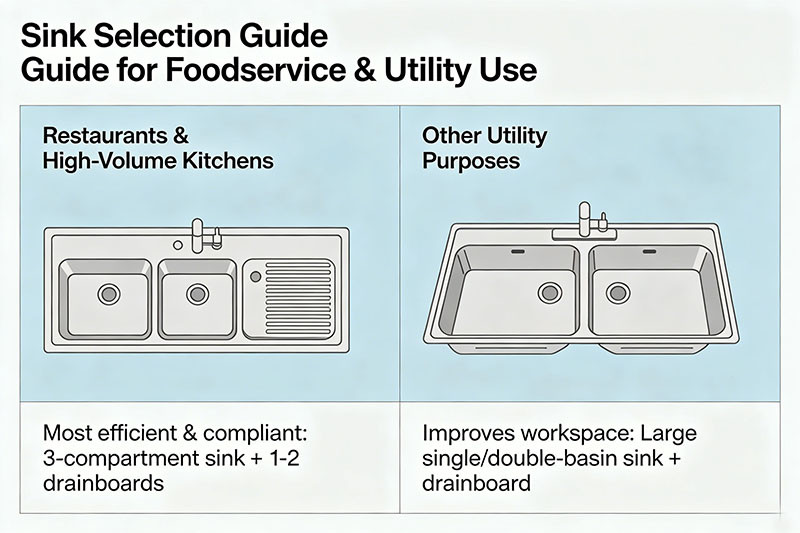
- Triple-Compartment Sinks: This is the standard and often legally required configuration for manual warewashing in food service establishments that don't use a commercial dishwasher as their primary method. The three basins facilitate the essential Wash, Rinse, Sanitize process that is critical for health code compliance.
- Basin 1: Wash (with hot, soapy water)
- Basin 2: Rinse (with clean, hot water)
- Basin 3: Sanitize (with a chemical sanitizing solution or 171°F hot water) This setup is the cornerstone of a safe and efficient dish cleaning process.
The Importance of Drainboards
Drainboards are integrated, sloped surfaces on one or both sides of the sink compartments. While sometimes seen as optional, they are a vital feature for efficiency and hygiene.
- Improved Workflow: Drainboards provide dedicated space for staging dirty items before washing and for air-drying clean items after sanitizing. This creates a logical flow from dirty to clean, preventing re-contamination and keeping countertops clear.
- Better Water Management: The sloped surface of a drainboard ensures that water from drying dishes runs directly back into a sink basin, not onto the floor or countertop. This keeps the work area drier, safer, and cleaner, and it prevents water damage to surrounding surfaces.
- Space Optimization: An integrated drainboard eliminates the need for separate, bulky dish racks, freeing up valuable counter space for other tasks.
When making your selection, carefully assess the volume and type of items you wash daily. For most restaurants and high-volume kitchens, a three-compartment sink with at least one, and preferably two, drainboards is the most efficient and compliant choice. For other utility purposes, a large single or double-basin sink with a drainboard can significantly improve your workspace.
Features That Enhance Efficiency and Workflow
Beyond the basic structure, the best commercial utility sinks incorporate specific features designed to improve stability, cleanliness, and overall workflow. These thoughtful additions transform a simple basin into a high-performance workstation and are key indicators of a quality, professionally-oriented product.
Integrated High Backsplash: A high backsplash is one of the most valuable features on a commercial sink. This raised rear panel, typically several inches high, serves a crucial purpose: it protects the wall behind the sink from constant water splashes. This prevents water damage, mold growth, and staining on wall surfaces, contributing to a cleaner, more hygienic, and lower-maintenance workspace. Many backsplashes also come with pre-drilled holes, simplifying the installation of a wall-mounted faucet.
Robust Leg Bracing and Adjustable Feet: Freestanding commercial sinks must be exceptionally stable to handle the weight of water and heavy equipment. Look for sinks with robust legs, often made of galvanized or stainless steel. High-quality models will include cross-bracing—horizontal supports that connect the legs—to provide superior stability and prevent wobbling. Sinks equipped with adjustable, non-marring feet are also essential. These allow you to level the sink perfectly on uneven floors, ensuring proper drainage and a safe, stable setup.
Commercial-Grade Faucets: The faucet is as important as the sink itself. Commercial faucets are built for heavy use and often include features that enhance efficiency.
- Gooseneck Spouts: A high-arc gooseneck spout provides ample clearance for filling tall pots and cleaning bulky items.
- Pre-Rinse Sprayers: Essential in food service, these high-pressure sprayers are used to blast food residue off dishes before washing, dramatically speeding up the cleaning process.
- Durable Handles: Look for robust lever or wrist-blade handles that are easy to operate, even with full or dirty hands, and are built to withstand constant use.
Quality Drain Assemblies: A reliable drain is non-negotiable. Commercial sinks should come with large, 3.5-inch drain openings to allow for rapid water removal and prevent clogging. Included stainless steel basket strainers are also vital for catching food debris and other solids, protecting your plumbing from costly blockages.
When you select a sink that incorporates these features, you are investing in a complete system designed for professional performance. Each element works together to create a more efficient, hygienic, and durable workstation that will stand up to the demands of your business.
Maintaining Your Investment: Caring for a Large Stainless Steel Utility Sink
A high-quality large stainless steel utility sink is a significant investment in your business's efficiency and hygiene. While renowned for its durability and low-maintenance nature, proper care is essential to preserve its appearance and maximize its impressive lifespan. Neglect can lead to a dull finish, water spots, and even superficial rust, while overly aggressive cleaning can cause permanent scratches. The good news is that maintaining your sink is simple and requires no expensive specialty products. By adopting a consistent and correct cleaning routine, you can easily keep your sink in pristine condition for decades.
My Recommended Daily Cleaning Practices for Stainless Steel
Consistency is the key to keeping your stainless steel sink looking new. A simple daily cleaning routine, performed at the end of each workday, will prevent the buildup of grime and mineral deposits and takes just a few minutes.
Here is a simple, effective, and safe daily cleaning process:
Clear and Rinse: First, remove any and all food debris, utensils, or other items from the sink bowls and strainers. Give the entire sink a thorough rinse with warm water to wash away any loose particles.
Wash with Mild Soap: Use a mild, pH-neutral detergent, like a standard liquid dish soap, and warm water. Apply the soapy water with a soft cloth, microfiber towel, or non-abrasive sponge.
Wipe with the Grain: Most stainless steel sinks have a brushed finish with a visible "grain" (faint lines running in one direction). For the best results and to avoid creating micro-scratches, always wipe and scrub in the same direction as the grain. This helps maintain the original luster of the finish.
Rinse Thoroughly: Once you have scrubbed all surfaces, rinse the sink completely with clean water. It's important to remove all soap residue, as it can leave a film and trap dirt if left to dry.
Dry Completely: This is a crucial step that many people skip. Use a clean, dry microfiber cloth or soft towel to wipe the entire sink dry. Drying the sink prevents water spots, which are caused by mineral deposits left behind as water evaporates. This single step will do more than anything else to keep your sink looking shiny and new.
This simple, five-step process, when done daily, is all that's needed to maintain the hygiene and appearance of your stainless steel utility sink for years to come.
Preventative Measures to Keep Your Sink Looking New
Beyond daily cleaning, a few proactive habits and simple tools can prevent the most common types of damage and keep your sink in pristine condition for the long haul. Protecting the finish is much easier than repairing it.
Here are the most effective preventative measures:
Avoid Harsh Chemicals and Abrasives: This is the most important rule. The protective chromium oxide layer on stainless steel is resilient but not invincible.
- Do Not Use Bleach: Chlorine bleach is highly corrosive to stainless steel. Prolonged contact will damage the protective layer, leading to rust, pitting, and discoloration. If you need to sanitize items with bleach, do so in a separate plastic tub, not directly in the sink.
- Avoid Abrasive Scrubbers: Steel wool, wire brushes, and scouring powders will scratch the sink's finish. These scratches not only dull the appearance but can also trap dirt and compromise the surface, making it more susceptible to stains and corrosion. Stick to soft cloths and non-abrasive sponges.
Use a Sink Bottom Grid: A sink grid is a custom-fitted stainless steel rack that sits on the bottom of your sink. This simple accessory is one of the best investments you can make to protect your sink. It provides a buffer between heavy pots, sharp utensils, and the sink's surface, virtually eliminating the risk of dents and scratches. It also improves drainage by elevating dishes and allows you to rinse items without them sitting on the basin floor.
Don't Let Metal Items Sit in the Sink: Surprisingly, most rust spots on a stainless steel sink are not from the sink itself. They are often caused by "foreign" iron particles transferred from other objects. Items like cast iron pans, steel wool pads, or even metal food cans left sitting in a wet sink can leave behind tiny iron deposits that will rust on the surface. While these surface stains can usually be cleaned off, it's best to avoid leaving these items in the sink in the first place.
Rinse and Dry Regularly: As mentioned in daily cleaning, rinsing away acidic food residues (like citrus or tomato sauce) and drying the sink after heavy use prevents mineral deposits and water spots from forming. This simple habit goes a long way in maintaining the sink's shine and preventing long-term buildup.
By following these simple rules—avoiding damaging chemicals, using a protective grid, and being mindful of what you leave in the basin—you can easily prevent most common issues and ensure your stainless steel utility sink remains a durable and attractive asset for years to come.
Simple Maintenance Tips to Extend Lifespan
Even with consistent daily cleaning and preventative care, your stainless steel sink will benefit from periodic deep cleaning and minor cosmetic touch-ups to keep it in peak condition. These simple maintenance tasks will help restore its original shine and address the inevitable signs of wear from a busy commercial environment.
Deep Cleaning for Stubborn Stains and Buildup
Over time, hard water can leave mineral deposits (limescale), and you may encounter tougher stains that don't come off with daily soap and water.
- Use a Baking Soda Paste: For a safe and effective deep clean, create a paste using baking soda and a small amount of water. Apply the paste to the entire sink, or focus on stained areas. Let it sit for a few minutes, then gently scrub with a soft sponge or cloth, always moving in the direction of the steel's grain. The mild abrasive quality of the baking soda will lift stains and residue without scratching the surface.
- The Vinegar Rinse: After scrubbing with baking soda, you can spray the surface with white vinegar. The reaction between the acidic vinegar and alkaline baking soda will create a fizzing action that helps to further loosen mineral deposits and disinfect the surface. Let it fizz for a few minutes, then rinse the entire sink thoroughly with clean water and dry completely.
Addressing Minor Scratches
While a sink bottom grid is the best way to prevent scratches, some surface marks are unavoidable. Fortunately, minor scratches can often be buffed out.
- For Light Scratches: A non-abrasive cleaning powder (like Bar Keepers Friend) or a paste of baking soda can often diminish the appearance of light scratches. Apply the cleaner with a damp, soft cloth and rub gently back and forth, always in the direction of the metal's grain. Never rub in a circular motion, as this can create more noticeable marks.
- For Deeper Scratches: More noticeable scratches may require a dedicated stainless steel scratch removal kit. These kits typically include a series of abrasive pads of varying grits and a polishing compound. Following the product's instructions carefully, you can progressively sand and buff the scratch to blend it with the surrounding finish. This should be done with care and is usually reserved for more significant cosmetic issues.
Polishing for a Renewed Shine
To restore your sink's luster after a deep clean, a simple polishing step can make a big difference.
- Use Mineral or Olive Oil: After the sink is completely clean and dry, apply a few drops of food-grade mineral oil or olive oil to a clean microfiber cloth. Buff the oil into the sink, working in the direction of the grain. Use another clean, dry cloth to wipe away any excess. This not only creates a brilliant shine but also helps repel water, preventing future water spots.
Performing these simple maintenance tasks on a weekly or monthly basis, or as needed, will ensure that your stainless steel sink continues to function flawlessly and look professional for its entire long lifespan.
Frequently Asked Questions (FAQ)
1. What is the best gauge for a commercial utility sink? For commercial use, the gauge, or thickness, of the stainless steel is one of the most critical factors for durability. A lower gauge number signifies thicker steel. For heavy-duty commercial environments like busy restaurant kitchens, a 16-gauge sink is the recommended standard. It offers an excellent balance of strength, dent resistance, and noise reduction. For extremely demanding applications, such as industrial or institutional kitchens, a 14-gauge sink provides the ultimate in durability. An 18-gauge sink may be acceptable for very light-duty commercial use (like a handwashing station), but it is more prone to denting and noise and is not ideal for primary warewashing or prep areas.
2. Can a stainless steel sink actually rust? High-quality stainless steel (like Type 304) has a natural resistance to rust due to its chromium content, which forms a protective passive layer on the surface. However, this layer can be compromised. "Rust" spots that appear on a stainless steel sink are almost always caused by external factors, not the sink itself. Common causes include:
- Leaving wet cast iron pans, carbon steel knives, or steel wool pads in the sink. The iron particles from these items transfer to the sink surface and then rust.
- Scratches from abrasive cleaners or tools that trap moisture and iron particles.
- Using chlorine bleach, which can damage the protective layer and cause corrosion. These surface rust stains can typically be cleaned off with a non-abrasive cleaner like baking soda or Bar Keepers Friend. True corrosion of the sink itself is rare unless a very low-quality steel is used or it's consistently exposed to harsh chemicals.
3. How do I clean and sanitize a large commercial sink effectively? The most effective method for cleaning and sanitizing, especially for a three-compartment sink, follows the "Wash, Rinse, Sanitize" process mandated by health codes.
- Wash: In the first compartment, use hot water (at least 110°F / 43°C) mixed with a commercial-grade detergent. Scrub all surfaces of the items to remove food and grease.
- Rinse: In the second compartment, rinse the items thoroughly with clean, hot water to remove all soap residue.
- Sanitize: In the third compartment, completely submerge the items in either a chemical sanitizing solution (mixed to the proper concentration) or in water heated to at least 171°F (77°C) for a minimum of 30 seconds.
- Air Dry: Place the sanitized items on a clean drainboard or rack to air dry completely. Do not towel dry, as this can re-introduce bacteria. Always clean the sink basins themselves before and after the warewashing process.
4. What's the difference between 304 and 430 grade stainless steel? The "grade" of stainless steel refers to its composition, which affects its durability and corrosion resistance.
- Type 304 Stainless Steel: This is the most common and recommended grade for commercial sinks. It typically contains 18% chromium and 8% nickel (often called 18/8 stainless steel). The nickel content significantly enhances its resistance to corrosion, rust, and acids, making it ideal for the wet and demanding environment of a kitchen.
- Type 430 Stainless Steel: This grade also contains chromium but has a negligible amount of nickel. While still durable and used for some applications, it is less resistant to corrosion and acids than Type 304. It is more of a budget-friendly option but is not as suitable for high-moisture, heavy-use sinks. For a long-lasting investment, always opt for Type 304 stainless steel.
5. Is a more expensive stainless steel sink worth it? Generally, yes. The price of a stainless steel sink is often a direct reflection of its quality, specifically its gauge and grade. A more expensive sink is likely made from thicker, lower-gauge steel (e.g., 16-gauge vs. 22-gauge) and a higher grade of steel (Type 304). This means it will be significantly more resistant to dents, quieter during use, and less prone to corrosion over its lifespan. It may also include premium features like superior sound-dampening pads, a full undercoating, and higher-quality drain assemblies. While the upfront cost is higher, a quality sink is a long-term investment that pays off in durability, lower maintenance, and a much longer service life, making it more cost-effective over time.
Conclusion
I hope this guide has provided you with a clear and comprehensive understanding of why a large stainless steel utility sink is an excellent, and often essential, choice for commercial applications. From its unmatched durability and hygienic properties to its long-term financial value, stainless steel stands out as the most reliable and practical material for any professional workspace. It withstands the daily rigors of heavy use, resists heat and corrosion, and, most importantly, supports the stringent health and safety standards that are non-negotiable in a commercial environment.
By considering the key factors we've discussed—such as gauge thickness, configuration, and essential features like backsplashes and sound dampening—I am confident you can make an informed decision for your business. Choosing the right sink is a strategic investment in your operational efficiency and the longevity of your equipment. When you're ready to invest in a sink that meets these high standards, explore the commercial collection from Samsink to find the perfect, high-quality fit for your business. By doing so, you can ensure a hygienic, efficient, and productive workspace for years to come. Please feel free to share this guide, and I encourage you to leave any questions or comments below