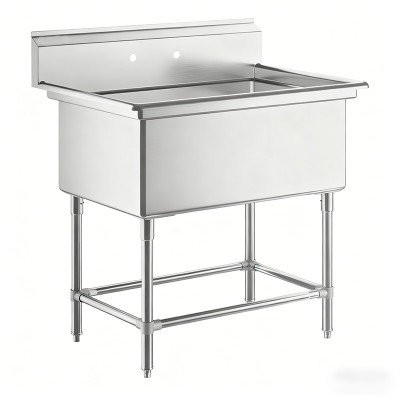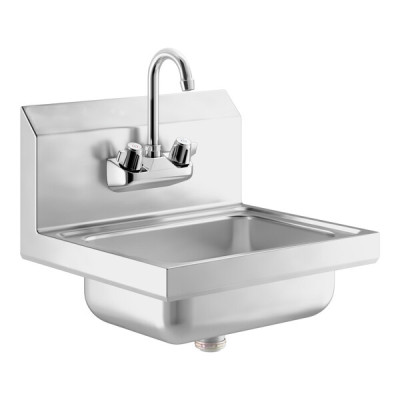
A Guide to Selecting the Best Stainless Steel Commercial Kitchen Equipment
When setting up or upgrading a professional kitchen, the selection of appropriate equipment is not merely a purchasing decision—it is a critical investment in your business's efficiency, safety, and the quality of the food you serve. From personal experience, I can attest that every piece of gear, from the largest range to the smallest cooking vessel, plays an integral role in the daily dance of a bustling kitchen. The right tools can streamline workflow, enhance culinary precision, and withstand the rigors of a high-volume environment.
In this comprehensive guide, we will navigate the essential factors you must consider when selecting top-tier stainless steel commercial kitchen equipment. The goal is to equip you with the knowledge to choose durable, high-performing tools that will not only stand the test of time but also elevate your culinary creations. The choices you make will directly impact your kitchen's productivity and your bottom line.
Let's dive into mastering the art of selecting the best stainless steel commercial kitchen equipment for your unique operational needs, ensuring every dollar spent is an investment in quality and longevity.
Key Takeaways
- Material Grade is Critical: The type of stainless steel, such as Grade 304 (18/8) or 430, is the single most important factor. Grade 304 offers superior corrosion resistance and durability, making it the industry standard for food-contact surfaces, while Grade 430 is a more budget-friendly option suitable for dry applications or surfaces with less direct food contact.
- Construction Defines Longevity: Pay close attention to design details. Thicker walls and clad bottoms (layers of aluminum or copper sandwiched between stainless steel) ensure even heat distribution and prevent warping. Securely riveted, ergonomic handles provide safety and comfort, while tight-fitting lids lock in moisture and flavor, improving energy efficiency.
- Certification and Safety are Non-Negotiable: Always look for NSF (National Sanitation Foundation) certification on commercial equipment. This mark guarantees that the equipment has been tested and meets strict standards for public health protection, ensuring it is non-toxic, easy to clean, and designed to prevent foodborne illness.
- Think Long-Term Value, Not Just Upfront Cost: While premium equipment from reputable brands like Samsink may have a higher initial cost, it pays dividends in the long run. Superior durability, better performance, lower maintenance needs, and comprehensive warranties translate to a lower total cost of ownership and greater operational reliability.
- Maintenance Dictates Lifespan: Proper cleaning and maintenance are essential for preserving the integrity and appearance of your stainless steel equipment. Regular cleaning with non-abrasive tools and appropriate cleaners prevents corrosion, removes food residue, and maintains a hygienic environment, extending the life of your investment significantly.
Material Quality for Your Stainless Steel Commercial Kitchen Equipment
The foundation of any durable and reliable piece of kitchen equipment is the material from which it is made. For commercial kitchens, stainless steel is the undisputed champion, but not all stainless steel is created equal. Understanding the nuances of material quality is the first step toward making a wise and lasting investment.
Why Material Choices Matter
The material of your cookware and work surfaces directly influences everything from cooking results to kitchen hygiene and long-term budget. It's a decision that impacts daily operations and the safety of the food you serve.
Performance and Durability Impact
The choice of material fundamentally dictates how equipment performs under the intense heat and relentless pace of a commercial kitchen. High-quality stainless steel provides a non-reactive surface, meaning it won't interact with acidic or alkaline foods, preserving the true flavor of your dishes. Its durability is paramount; it must resist dents, scratches, and warping from constant use and high temperatures. Lower-quality materials may corrode, pit, or deform, leading to uneven cooking, potential food contamination, and the need for frequent replacement, which ultimately drives up costs. A strong, resilient material ensures that your investment continues to pay off for years.
Other Common Materials (Cast Iron, Aluminum)
While stainless steel is the most common choice, other materials like cast iron and aluminum also have their place in the kitchen.
- Cast Iron: Revered for its exceptional heat retention and even heating, cast iron is perfect for searing, frying, and slow-cooking. However, it is heavy, requires regular seasoning to prevent rust, and can react with acidic foods.
- Aluminum: An excellent heat conductor and very lightweight, aluminum is often used for bakeware and some pots and pans. Its main drawback is that it's a soft metal, prone to scratching and denting, and can react with certain foods, potentially causing discoloration or a metallic taste. This is why it's often used as a core layer in stainless steel cookware (a "clad" design) to combine its heat conductivity with the durability and non-reactivity of steel.
Here is a comparison of common commercial cookware materials:
| Material | Heat Conduction | Heat Retention | Durability | Maintenance | Non-Reactivity |
|---|---|---|---|---|---|
| Stainless Steel | Fair to Good | Good | Excellent | Low | Excellent |
| Aluminum | Excellent | Poor | Fair | Low | Poor (Can react) |
| Cast Iron | Good | Excellent | Excellent | High (Requires seasoning) | Fair (Can react) |
| Copper | Excellent | Good | Good | High (Requires polishing) | Poor (Can react) |
First Look: Quality Inspection
Before purchasing, a hands-on inspection can reveal much about the equipment's quality. You don't need to be a metallurgist to spot the signs of superior craftsmanship versus a poorly made product.
Smoothness and Uniformity Checks
Run your hand over the surface of the equipment. High-quality stainless steel should feel perfectly smooth and be free of any pits, cracks, or blemishes. These imperfections are not just cosmetic; they can trap food particles and bacteria, making the equipment difficult to sanitize properly. Check the joints and welds, especially on items like work tables and sinks. They should be seamless and polished. Poorly finished welds can be weak points and may also harbor bacteria. The finish should be uniform, whether it's a brushed or polished look, indicating consistent manufacturing standards.
Selecting the Right Stainless Steel Grade for Commercial Kitchen Equipment
The term "stainless steel" covers a wide range of iron-based alloys. The specific "grade" of the steel is determined by its composition, which dictates its resistance to corrosion, durability, and cost. Choosing the right grade is crucial for ensuring your equipment can handle its intended environment.
Stainless Steel Grade Basics
Understanding the fundamental components of stainless steel will empower you to select equipment that is perfectly suited for its specific task, whether it's a prep table, a stockpot, or a walk-in freezer lining.
Chromium's Role in Corrosion
The "stainless" quality of stainless steel comes from chromium. When exposed to oxygen, the chromium in the alloy forms a thin, invisible, and passive layer of chromium oxide on the surface of the steel. This passive layer is what protects the underlying iron from rusting. If the surface is scratched, the layer quickly reforms, creating a self-healing barrier against corrosion. Generally, a higher chromium content (typically at least 10.5-11%) results in better corrosion resistance.
Understanding AISI Grades
The American Iron and Steel Institute (AISI) developed a numbering system to classify different grades of steel. For stainless steel, the most common series you'll encounter in kitchens are the 300 series and 400 series. The 300 series, known as austenitic, contains chromium and nickel, offering the best corrosion resistance. The 400 series, which is ferritic or martensitic, contains chromium but little to no nickel, making it more susceptible to corrosion but also magnetic and typically less expensive.
Grade 430: A Cost-Effective Option
Grade 430 stainless steel is a popular choice for applications where extreme corrosion resistance isn't the primary concern. It offers a good balance of durability and affordability.
Composition, Magnetism, and Use
Grade 430 is part of the 400 series and is defined by its high chromium (around 17%) and low carbon content, with no nickel. The absence of nickel is what makes it "ferritic," meaning it has a magnetic structure. You can easily test for it with a magnet—if it sticks, it's likely a 400-series grade like 430. Because its corrosion resistance is lower than the 300 series, it's best suited for dry environments and equipment that doesn't have prolonged contact with acidic foods or harsh cleaning chemicals. Common uses include equipment paneling, backsplashes, and budget-friendly work tables that aren't used for acidic food prep.
Grade 304: The Commercial Standard
Grade 304 is the workhorse of the commercial kitchen. When you see equipment advertised as "food-grade stainless steel," it's almost always referring to Grade 304.
"18/8" Composition and Features
Grade 304 is often referred to as "18/8" stainless steel. This name comes from its composition: approximately 18% chromium and 8% nickel. The addition of nickel is what makes it an "austenitic" steel, giving it significantly enhanced corrosion resistance compared to the 400 series. This composition makes it highly durable, able to withstand a wide range of temperatures, and non-magnetic. It offers excellent formability and weldability, allowing for the construction of complex items like sinks and custom fabrications without compromising strength.
Why It's Food-Grade
Grade 304 is considered the benchmark for food-grade steel for several key reasons. Its superior resistance to rust and corrosion from acids found in fruits, meats, and vegetables means it won't leach harmful chemicals or metallic flavors into food. Its non-porous surface is also highly resistant to bacteria buildup and is easy to clean and sanitize, which is essential for meeting public health codes and passing health inspections. For these reasons, NSF-certified equipment is almost universally made from 304 stainless steel.
304 vs. 430 Stainless Steel: Key Differences
Choosing between these two common grades comes down to balancing performance requirements with budget constraints.
Corrosion and Magnetic Properties
The most significant difference is corrosion resistance. The nickel in Grade 304 provides superior protection against chlorides (like salt) and acidic substances. Grade 430, without nickel, is more prone to rust and staining in wet or corrosive environments. The other key differentiator is magnetism: 304 is non-magnetic, while 430 is magnetic. This can be an important factor for equipment used near induction cooktops, as 430-grade cookware is naturally induction-compatible, whereas 304-grade cookware requires an added magnetic layer on the bottom.
Cost vs. Longevity
Nickel is an expensive metal, which is why Grade 304 stainless steel is significantly more costly than Grade 430. This can be a tempting reason to opt for the cheaper alternative. However, it's a classic case of short-term savings versus long-term value. For any equipment that will have frequent contact with water, food, or cleaning agents—such as sinks, dish tables, cookware, and primary food prep surfaces—investing in Grade 304 is essential. Its longevity and resistance to degradation will result in a lower total cost of ownership over the life of the kitchen. Using Grade 430 in these applications will likely lead to premature rust and the need for costly replacement. For less critical applications like wall shelving in a dry storage area or the outer panels of an oven, Grade 430 can be a perfectly acceptable and cost-saving choice.
Design and Construction of Stainless Steel Commercial Kitchen Equipment
Beyond the grade of the steel itself, the physical design and construction of the equipment are what separate high-quality, long-lasting tools from those that will quickly fail under pressure. Thoughtful engineering impacts everything from cooking performance and safety to ease of use.
Wall Thickness: A Crucial Detail
For cookware like pots and pans, the thickness of the walls and base—often measured in gauge or millimeters—is a critical factor that is often overlooked.
Heat Retention and Durability
Thicker walls provide greater structural integrity, making the pot or pan much more resistant to denting and warping, especially when subjected to rapid temperature changes (thermal shock). More importantly, a thicker base and walls contribute to better heat retention and more even heat distribution. Thin, flimsy pots will develop hot spots, leading to scorched food and inconsistent cooking. A heavy-gauge pot, particularly one with a clad bottom (a thick layer of aluminum or copper encapsulated in stainless steel), heats up evenly and holds that heat, providing a stable cooking surface and more forgiving results.
Ergonomic and Secure Handles
Handles are the primary point of interaction with your cookware, and their design is crucial for both safety and comfort in a fast-paced environment.
Attachment and Heat Protection
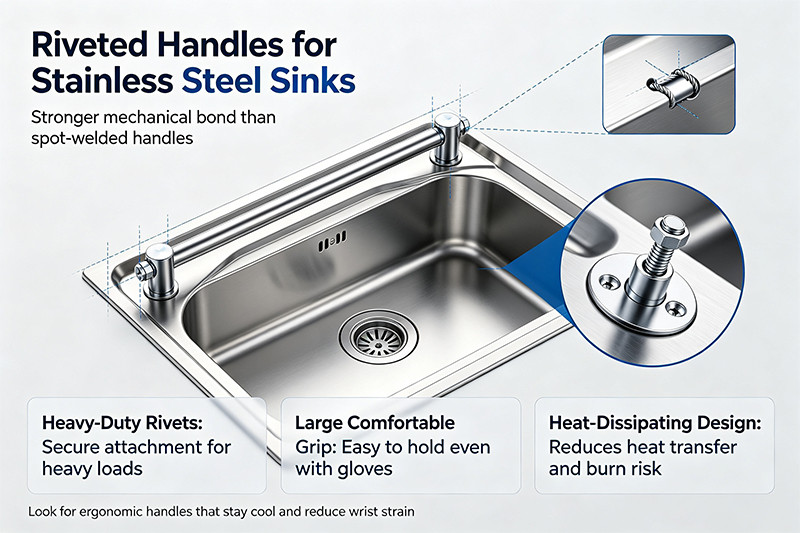
Handles should be attached with heavy-duty rivets, not just spot-welded. Rivets provide a much stronger, more secure mechanical bond that is far less likely to fail when lifting a heavy, hot stockpot. Look for large, comfortable handles that allow for a secure grip, even when wearing bulky oven mitts. Ergonomic designs reduce wrist strain during a long shift. Additionally, consider how the handles are designed to manage heat. Stay-cool handles, which are often hollow or designed with a V-shaped attachment point, dissipate heat before it can travel up the handle, reducing the risk of burns.
The Importance of Lid Fit
A lid may seem like a simple component, but its fit and design have a significant impact on cooking efficiency and the final culinary product.
Efficiency and Flavor Enhancement
A tight-fitting lid is essential for controlling the cooking process. It traps steam and moisture inside the pot, which helps food cook faster and more evenly. This process is vital for techniques like braising, steaming, and simmering. By keeping moisture from escaping, it also concentrates flavors, leading to a more delicious end result. Furthermore, a well-fitted lid improves energy efficiency by reducing the amount of heat that escapes, meaning you can maintain a constant temperature with less energy input from the stove. Look for heavy lids that sit securely without gaps, and consider designs that have a small vent hole to prevent boiling over when cooking starchy foods.
Performance Factors: Heat and Compatibility for Stainless Steel Commercial Kitchen Equipment
Great equipment doesn't just look good and last long; it must perform flawlessly day in and day out. Evaluating how stainless steel equipment handles heat, its capacity, and its compatibility with your existing kitchen setup is essential for maximizing its utility and value.
Ensuring Even Heat Distribution
Uneven heating is the enemy of consistent cooking. It causes some parts of the food to burn while others remain undercooked. High-quality stainless steel cookware is specifically engineered to combat this problem.
Visual Cues and Simple Tests
The best way to ensure even heat distribution is to choose cookware with a clad or encapsulated bottom. Look at the base of the pot or pan; a thick, heavy bottom is a good indicator. It often consists of a layer of highly conductive aluminum or copper sandwiched between layers of durable stainless steel. This construction allows the pan to heat quickly and spread that heat evenly across the entire cooking surface, eliminating hot spots. A simple test you can perform is the flour test: lightly dust the bottom of a dry pan with flour and place it over medium heat. If the flour browns evenly across the surface, the pan has good heat distribution. If it darkens in spots, the pan heats unevenly.
Optimal Capacity and Sizing
Using the right size equipment for the job is fundamental to kitchen efficiency. It affects cooking times, food quality, and workflow.
Matching to Your Cooking Volume
Choosing the right size pot or table is about anticipating your needs. For cookware, consider your batch sizes. Using a pot that is too large for a small amount of food can cause it to burn, while an overfilled pot will cook unevenly and create a spillage hazard. A good practice is to have a range of sizes for common items like stockpots and saucepans to match different preparation volumes. For equipment like work tables and sinks, consider your kitchen's workflow and available space. A table must be large enough to accommodate your prep tasks without feeling cramped, but not so large that it impedes movement through the kitchen. Always measure your space carefully before ordering large equipment.
Equipment Compatibility
Modern kitchens often feature a variety of cooking technologies. Ensuring your new stainless steel equipment is compatible with your existing cooktops and ovens is a crucial logistical check.
Stovetop and Oven Safe Considerations
One of the most important considerations today is induction compatibility. Induction cooktops work by creating a magnetic field, so they require cookware to be made of a magnetic material (a ferrous metal). This means that standard 18/8 or 18/10 (Grade 304) stainless steel will not work on its own. To be induction-compatible, this type of cookware must have a magnetic steel layer bonded to the bottom. As mentioned earlier, Grade 430 stainless steel is naturally magnetic and will work on induction cooktops without any special additions. Additionally, check the manufacturer's specifications for oven safety. Most high-quality stainless steel pots and pans are oven-safe, but the temperature limits can vary, especially depending on the material of the handles or lid handles. Plastic or silicone components may have a lower maximum temperature than all-metal construction.
Long-Term Value and Safety in Stainless Steel Commercial Kitchen Equipment
Investing in the right stainless steel equipment goes beyond initial performance; it’s about ensuring long-term food safety, ease of maintenance, and a positive return on investment. A smart purchase prioritizes these factors to build a resilient and professional kitchen environment.
Food Safety with Stainless Steel
The primary reason stainless steel is ubiquitous in professional kitchens is its inherent safety and hygienic properties. It provides a stable and non-porous surface that is ideal for food preparation.
Preventing Chemical Leaching
Unlike other materials such as aluminum or copper, high-quality stainless steel is non-reactive. This means it will not react with acidic or alkaline ingredients (like tomatoes, citrus, or wine) and leach metallic ions into the food. This property is essential for preserving the intended flavor and color of dishes and, more importantly, for preventing the ingestion of potentially harmful substances. Poorly made or damaged cookware can pose a health risk, making the choice of material a critical food safety decision.
Why 304/316 Are Best
For food contact, Grade 304 (18/8 or 18/10) is the industry standard due to its excellent resistance to corrosion from a wide variety of food products. For even more demanding applications, such as equipment that will be in constant contact with high concentrations of salt or strong acids, Grade 316 is an even better choice. Grade 316 contains molybdenum, an element that significantly increases its resistance to chloride-induced pitting and corrosion. While more expensive, 316 is often specified for marine environments, high-end food processing equipment, and certain medical applications, representing the pinnacle of food safety and durability.
Easy Cleaning and Maintenance
In a commercial kitchen, cleanliness is paramount. Equipment must not only be easy to clean but must also withstand the rigors of frequent and aggressive cleaning protocols.
Hygiene and Durability
The smooth, non-porous surface of stainless steel is one of its greatest assets. It does not harbor bacteria, viruses, or pathogens, and it can be easily wiped down and sanitized. It can withstand harsh cleaning chemicals and high-temperature dishwashers without degrading, which is essential for meeting health code requirements. To maintain its passive layer and prevent corrosion, avoid using abrasive materials like steel wool or highly chlorinated cleaners. Regular cleaning with the proper tools ensures a hygienic workspace and extends the life of the equipment.
Brand, Warranty, and Investment
The final piece of the puzzle is considering the manufacturer behind the product. A reputable brand and a solid warranty are indicators of a quality investment that the company is willing to stand behind.
Reputable Manufacturers Matter
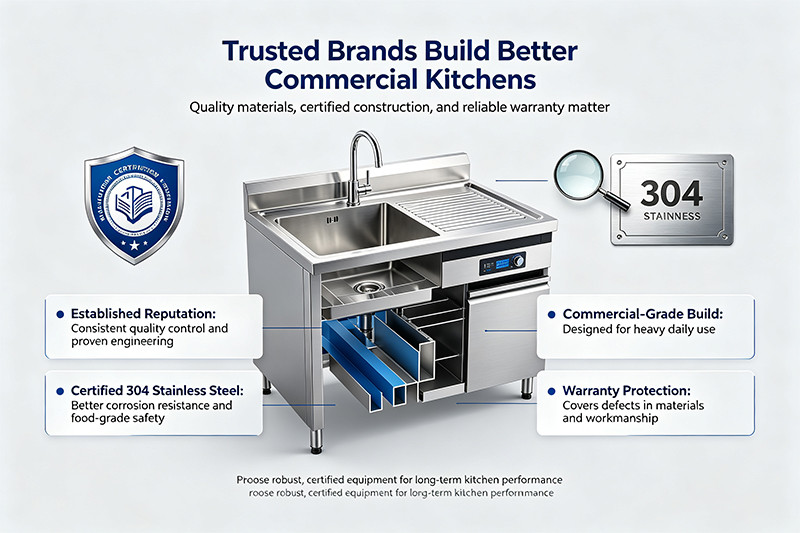
Established manufacturers like Samsink have a reputation to uphold. They invest in quality control, use premium materials like certified 304 stainless steel, and engineer their products for the demands of a commercial environment. While a generic or unknown brand might offer a lower price, it often comes at the cost of material quality, construction, and durability. Investing in a trusted brand provides peace of mind and ensures you are getting a product designed for professional use. When exploring your options, consider the robustly designed and certified equipment from Samsink to guarantee your kitchen operates on a foundation of quality.
A comprehensive warranty is also a sign of a manufacturer's confidence in their product. Look for warranties that cover defects in materials and workmanship for a reasonable period. This protects your investment and ensures that if a product fails prematurely due to a manufacturing issue, you have recourse for repair or replacement.
Frequently Asked Questions (FAQ)
Q1: What is the most important factor when choosing stainless steel equipment? A: The most critical factor is the grade of the stainless steel. For any surface that comes into contact with food or moisture, Grade 304 (also known as 18/8 or 18/10) is the industry standard due to its superior corrosion resistance and durability. For non-contact surfaces or dry applications, the more affordable Grade 430 can be a suitable option.
Q2: How can I tell the difference between 304 and 430 grade stainless steel? A: The easiest way is the magnet test. Grade 430 is ferritic and therefore magnetic, so a magnet will stick to it firmly. Grade 304 is austenitic and non-magnetic, so a magnet will not stick. This simple test can help you verify the material of equipment, especially when purchasing from a less-known supplier.
Q3: What does NSF certification mean and why is it important? A: NSF (National Sanitation Foundation) certification means that the equipment has undergone rigorous third-party testing to ensure it meets strict standards for public health and safety. Certified equipment is guaranteed to be made from food-safe materials, designed for easy cleaning and sanitization, and built to prevent the growth of bacteria. Many health departments require commercial kitchens to use NSF-certified equipment.
Q4: Is thicker stainless steel always better for cookware? A: Generally, yes. Thicker gauge steel, especially at the base of a pot or pan, provides better durability against warping and denting. More importantly, it improves heat distribution and retention, preventing hot spots that can scorch food. Cookware with a clad or encapsulated aluminum or copper core offers the best heating performance.
Q5: How should I clean and maintain my stainless steel equipment to make it last? A: Clean stainless steel regularly with non-abrasive cloths or sponges and mild detergents or specialized stainless steel cleaners. Always rinse thoroughly and dry the surface to prevent water spots and mineral buildup. For tough stains, use a paste of baking soda and water. Crucially, avoid steel wool, abrasive scouring pads, and cleaners containing chlorides (bleach), as these can scratch the surface and break down the protective passive layer, leading to rust.
Q6: Is it worth paying more for a well-known brand like Samsink? A: Yes, investing in a reputable brand is generally worth the higher upfront cost. Brands like Samsink are known for their commitment to quality materials (like certified Grade 304 steel), superior construction standards, and reliable performance. This results in a lower total cost of ownership through greater longevity, fewer repairs, and better warranty support, providing peace of mind and operational consistency.
I hope this guide has given you a clearer, more detailed picture of what to look for when choosing stainless steel commercial kitchen equipment. From understanding the vital differences in material grades to appreciating the nuances of design and construction, it's evident that every detail counts towards building a more efficient, safer, and more productive kitchen.
Remember, investing in high-quality stainless steel commercial kitchen equipment, such as the expertly crafted products offered by Samsink, means prioritizing food safety, durability, and operational excellence for years to come. Make wise, informed choices, and your kitchen—and your customers—will thank you for it.
With this knowledge, you are now well-equipped to make the best selections for your commercial kitchen's enduring success. If you have found this guide helpful, please share it with your colleagues and fellow culinary professionals. Your next great kitchen investment starts with the right information.