Commercial Bar Sinks Explained: Design, Compliance, and Effective Disinfection
As someone deeply involved in bar operations, I understand that a commercial bar sink is far more than just a place to wash dishes; it's the operational heart of hygiene, efficiency, and safety. A well-chosen and properly maintained commercial bar sink is absolutely essential for any successful establishment, directly impacting your workflow and your ability to serve customers safely.
Today, I'm excited to explain everything you need to know about commercial bar sinks. We will dive deep into finding the perfect design, navigating the complex web of health and safety regulations, and implementing effective, foolproof disinfection practices. By the end of this guide, you will have the knowledge to select and maintain a sink that not only meets legal requirements but also enhances your entire bar operation.
Key Takeaways
- Design is Functional: The right commercial bar sink is chosen based on function, not just form. Key decisions include the type (undermount, drop-in, portable), the material (with 304-grade stainless steel being the industry standard), and the configuration of compartments and drainboards. These choices directly impact workflow efficiency and durability. A brand like Samsink, known for its quality construction, often provides a reliable baseline for what to look for in terms of material and build quality.
- Compliance is Non-Negotiable: Adhering to health and safety codes is a legal and ethical requirement. This includes understanding and following local health department regulations, ensuring your sink has NSF certification, maintaining precise water temperatures for washing and sanitizing (typically around 110°F for washing and 171°F for heat sanitizing), and ensuring proper plumbing installation with features like air gaps to prevent backflow. Failure to comply can lead to fines, forced closures, and a risk to public health.
- The Three-Compartment Method is Standard: For nearly all bars serving drinks, the three-compartment sink method (Wash, Rinse, Sanitize) is a fundamental process for manual warewashing. Each compartment has a specific purpose and requires specific water conditions and chemical solutions. Proper training on this method is essential for preventing cross-contamination and ensuring all glassware and tools are hygienically clean.
- Disinfection Requires a System: Effective disinfection goes beyond just soap and water. It involves using EPA-approved, food-safe sanitizers at the correct concentration, adhering to a strict daily and deep cleaning schedule, and designing workflows to prevent cross-contamination between dirty and clean items. This systematic approach is crucial for maintaining a truly clean and safe bar environment.
- Investment Over Expense: While budget is always a factor, viewing a high-quality commercial bar sink as a long-term investment rather than a one-time expense is critical. A durable, well-designed sink from a reputable manufacturer will cost more upfront but will pay dividends in longevity, lower maintenance costs, improved efficiency, and reduced risk of compliance issues. Customizations and accessories, while adding to the initial cost, can further enhance workflow and should be considered part of this investment.
Understanding the Essential Design Features of a Commercial Bar Sink
Choosing the right commercial bar sink is one of the most critical decisions for establishing an efficient, safe, and compliant bar. The design of your sink directly influences your speed of service, your staff's workflow, and your ability to maintain impeccable hygiene. It's a workhorse that goes far beyond a simple basin for water. This section explores the fundamental design features, from installation styles and materials to the essential components that make a bar sink the functional core of your operation.
Types of Commercial Bar Sinks: Drop-in, Undermount, and Portable
The first major decision in selecting a commercial bar sink revolves around its installation type and mobility. There are three primary categories: drop-in, undermount, and portable, each with distinct advantages for different operational setups.
Drop-in Sinks: Also known as top-mount or self-rimming sinks, drop-in models are installed by lowering them into a pre-cut hole in the countertop. A visible rim rests on the counter's surface, supporting the sink's weight.
- Pros: This installation method is generally less expensive and simpler, making it a budget-friendly option. The rim provides excellent support, making these sinks sturdy and compatible with almost any countertop material, including laminate, which cannot be used with undermount styles.
- Cons: The primary drawback is sanitation. The crevice where the rim meets the counter can trap food debris, moisture, and bacteria, requiring diligent cleaning to prevent gunk buildup.
Undermount Sinks: Undermount sinks are installed from below the countertop, creating a seamless and modern look. The edge of the counter is exposed and finished, allowing for a smooth transition from the counter surface directly into the sink basin.
- Pros: The biggest advantage is hygiene and ease of cleaning. Spills, water, and crumbs can be wiped directly into the sink without being obstructed by a rim. This creates a cleaner, more streamlined appearance that is often preferred in modern and high-end bar designs.
- Cons: Undermount sinks are typically more expensive to purchase and install. They require a solid surface countertop material like granite, quartz, or stainless steel that is waterproof and strong enough to support the sink's weight. Laminate or tile countertops are generally not suitable.
Portable Sinks: For operations that require flexibility, such as catering, outdoor events, or temporary bar setups, portable sinks are an invaluable solution. These self-contained units do not require permanent plumbing. They typically include onboard fresh and wastewater tanks, a water heater, and a pump, all mounted on casters for mobility.
- Pros: Their primary benefit is mobility and the ability to set up a handwashing or utility station anywhere. This allows businesses to meet health code requirements in temporary locations without the high cost and permanence of installing traditional plumbing.
- Cons: The capacity is limited by the size of the water tanks, requiring regular refilling and emptying. While convenient, they are not typically designed to handle the high-volume warewashing of a permanently installed multi-compartment sink.
The following table summarizes the key differences:
| Feature | Drop-In Sink | Undermount Sink | Portable Sink |
|---|---|---|---|
| Installation | Sits in a cutout, rim overlaps counter | Mounts below the counter, seamless edge | Freestanding, no permanent plumbing |
| Aesthetics | Traditional, visible rim | Sleek, modern, invisible rim. | Functional, varies in design |
| Cleaning | Rim can trap debris | Easy to clean, sweep debris into sink. | Self-contained, requires tank cleaning |
| Cost | Less expensive to buy and install. | More expensive, requires pro installation. | Varies by features, no construction cost |
| Countertop | Works with all materials, including laminate. | Requires solid, waterproof materials. | N/A (self-contained unit) |
| Best For | Budget-conscious projects, laminate counters | High-end aesthetics, hygiene-focused bars | Events, catering, patios, mobile operations. |
### Material Matters: Stainless Steel and Beyond for Your Commercial Bar Sink
The material of your commercial bar sink is a critical decision that impacts its durability, longevity, hygienic properties, and maintenance requirements. While various materials are available, one stands above the rest as the industry benchmark.
Stainless Steel: The Undisputed Champion Stainless steel is the gold standard for commercial kitchen and bar equipment for several compelling reasons. Its non-porous surface is incredibly hygienic, as it prevents bacteria from seeping into the material and makes it easy to clean and sanitize. It is also highly resistant to corrosion, rust, and staining from acids in citrus fruits or alcohol, which are ever-present in a bar environment.
However, not all stainless steel is created equal. Two key factors determine its quality: grade and gauge.
Steel Grade: The most common grade used for food equipment is Type 304 stainless steel, sometimes referred to as 18/8 due to its composition of 18% chromium and 8% nickel. The chromium provides rust resistance, while the nickel enhances durability and corrosion resistance. For environments with high exposure to chlorides (like coastal areas with salty air) or harsh chemical sanitizers, Type 316 stainless steel is a superior, albeit more expensive, option. It contains molybdenum, which significantly boosts its defense against corrosion.
Steel Gauge: Gauge refers to the thickness of the steel; the lower the gauge number, the thicker and more durable the steel. Commercial bar sinks typically range from 20-gauge to 16-gauge.
- 20-Gauge: Lighter and more affordable, but more prone to denting and can be noisier. Best suited for very light-duty applications.
- 18-Gauge: A common and cost-effective choice that provides a good balance of durability and affordability for medium-duty operations.
- 16-Gauge: Considered the premium, heavy-duty option. It is significantly more resistant to dents, bowing, and damage from heavy use. It also helps dampen sound, leading to a quieter operation. For a high-volume bar, investing in a 16-gauge sink from a quality manufacturer like Samsink is a wise decision for long-term performance.
Other Materials: While stainless steel dominates the commercial market, other materials may be used in specific, often decorative, contexts:
- Copper: Offers a unique, warm aesthetic and has natural antimicrobial properties. However, it is a softer metal, prone to scratching and denting, and requires more maintenance to preserve its appearance. It also comes at a premium price.
- Composite Granite/Cast Iron: These materials are extremely durable and resistant to impact, and they come in various colors. However, they are very heavy, and cast iron can chip if the enamel coating is damaged, exposing the iron to rust. They are more common in high-end residential or boutique settings than in high-volume commercial bars.
For the vast majority of commercial bar applications, a Type 304 or 316 stainless steel sink with a 16 or 18-gauge thickness provides the best combination of hygiene, durability, and value.### Key Design Elements: Compartments, Drainboards, and Faucets on a Commercial Bar Sink
Beyond the basic type and material, the specific components of a commercial bar sink define its functionality and efficiency. The configuration of compartments, the presence of drainboards, and the style of the faucet are all crucial elements tailored to the fast-paced bar environment.
Compartments: The Foundation of Bar Hygiene
The number of compartments is arguably the most critical feature of a bar sink, as it dictates the workflow for washing and sanitizing glassware and tools.
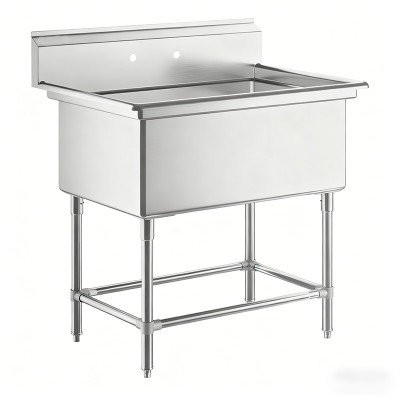
- Single-Compartment Sinks: Often called utility or prep sinks, these are useful for a single task like rinsing produce or as a dump sink for liquid waste. They are not sufficient for the complete wash-rinse-sanitize process required for glassware.
- Two-Compartment Sinks: These offer more flexibility, allowing for one basin to be used for washing and the other for rinsing. However, most health codes mandate a three-step cleaning process, making a two-compartment sink insufficient for full sanitization.
- Three-Compartment Sinks: This is the standard and often legally required configuration for manual warewashing in bars without a commercial dishwasher. Each basin serves a distinct purpose in the hygiene process: one for washing with soap and hot water, one for rinsing with clean water, and one for sanitizing with a chemical solution or high-temperature water.
- Four-Compartment Sinks: These are less common but offer even greater flexibility. The fourth compartment can be used as a dedicated dump sink for drink waste, a handwashing station (if regulations permit), or an area for pre-soaking heavily soiled items, thus protecting the main washing water from becoming dirty too quickly.
Drainboards: The Unsung Heroes of Workflow
A drainboard is an integrated, sloped surface attached to one or both sides of the sink compartments. Its primary function is to provide a dedicated space for staging and drying items, while channeling excess water back into a sink basin. This simple feature is vital for maintaining an efficient and hygienic workflow.
- Improved Efficiency: Drainboards create a clear linear workflow. A common setup includes one "dirty" drainboard for placing used glasses before washing and a "clean" drainboard on the other side for air-drying freshly sanitized glasses. This prevents clean and dirty items from mixing and minimizes staff movement.
- Enhanced Hygiene: By funneling water directly into the sink, drainboards keep countertops and floors dry. This reduces slip hazards and prevents the pooling of stagnant water, which can become a breeding ground for bacteria, mold, and mildew.
- Space Optimization: Integrated drainboards eliminate the need for separate, temporary dish racks, which can clutter limited bar counter space. They create a dedicated, sanitary drying zone that is part of the sink unit itself. Some manufacturers offer add-on drainboards that can be attached to existing sinks to expand workspace.
Faucets: Delivering Water Where It's Needed
The faucet is the active component of the sink, and its design greatly affects usability. For commercial bar sinks, certain faucet styles are more practical than others.
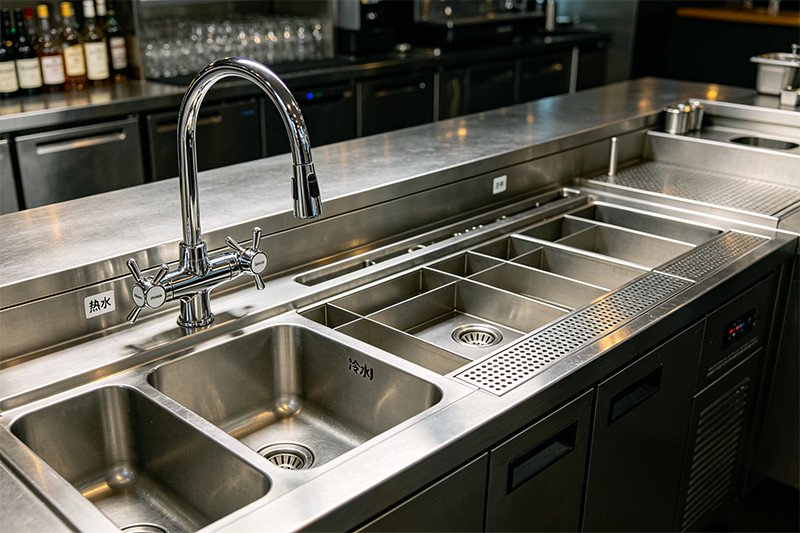
- Gooseneck Faucets: This is the most popular style for commercial bar sinks. Its high, arched spout provides ample vertical clearance, making it easy to wash tall items like shakers, pitchers, and large glassware without difficulty. This height helps prevent splashing when filling deep sink compartments.
- Swivel Functionality: A crucial feature for multi-compartment sinks is a spout that can swivel. This allows a single faucet to serve multiple basins, enabling bartenders to fill the wash, rinse, and sanitize compartments efficiently.
- Handle Configuration: Single-lever faucets offer simplicity, controlling both temperature and flow with one hand. However, for a commercial setting, dual-handle faucets (one for hot, one for cold) are often more robust and allow for more precise temperature control, which is critical for meeting health code requirements.
Choosing the right combination of these elements—multiple compartments for proper sanitation, dual drainboards for workflow, and a high-arc gooseneck faucet for clearance—is the key to creating a "bartender's cockpit" that is efficient, ergonomic, and built for speed.
 ### Sizing Up Your Space: Choosing the Right Dimensions for a Commercial Bar Sink
Selecting the correct dimensions for your commercial bar sink is a balancing act between the physical constraints of your bar, the volume of your business, and regulatory requirements. A sink that is too small can create workflow bottlenecks, while one that is too large can waste valuable space.
Key Dimensional Considerations:
Overall Length and Width: The total footprint of your sink unit, including compartments and drainboards, must fit within your designated bar layout. You need to measure your available space carefully before purchasing. Standard underbar sinks often come in widths from 36 inches to 72 inches or more, depending on the number of compartments and drainboards.
Bowl Size (Length, Width, and Depth): This is one of the most critical measurements.
- Width and Length: A typical bar sink bowl might be around 10x14 inches, but the most important rule is that the bowl must be large enough to fully submerge your largest piece of glassware. Health codes often mandate this for proper sanitizing.
- Depth: Bowl depth is crucial for functionality. A shallow sink (6-8 inches) may be sufficient for a small prep or hand sink, but for a warewashing sink, a deeper bowl (10-14 inches) is preferable. Deeper bowls reduce splashing, which keeps the surrounding area cleaner and safer, and make it easier to wash larger items like cocktail shakers and pitchers.
Height: The standard height for commercial underbar equipment, including sinks, is typically around 30-33 inches to fit comfortably under a standard 42-inch high bar top. This allows for a seamless and ergonomic workspace for the bartender.
Factors to Influence Your Size Choice:
- Business Volume: A high-volume nightclub that serves hundreds of drinks an hour will require a much larger and more robust sink setup (e.g., a 4-compartment sink with dual drainboards) than a small, quiet wine bar that might manage with a compact 3-compartment unit.
- Bar Layout: The available physical space will heavily dictate your choice. A straight run of bar counter can accommodate a long sink, while a corner space might require a specially designed L-shaped unit.
- Menu Offerings: If your bar serves complex cocktails with lots of fresh garnishes and uses a variety of shakers and tools, you will need more sink space for prep and cleaning compared to a bar that primarily serves beer and wine.
ADA Compliance Considerations:
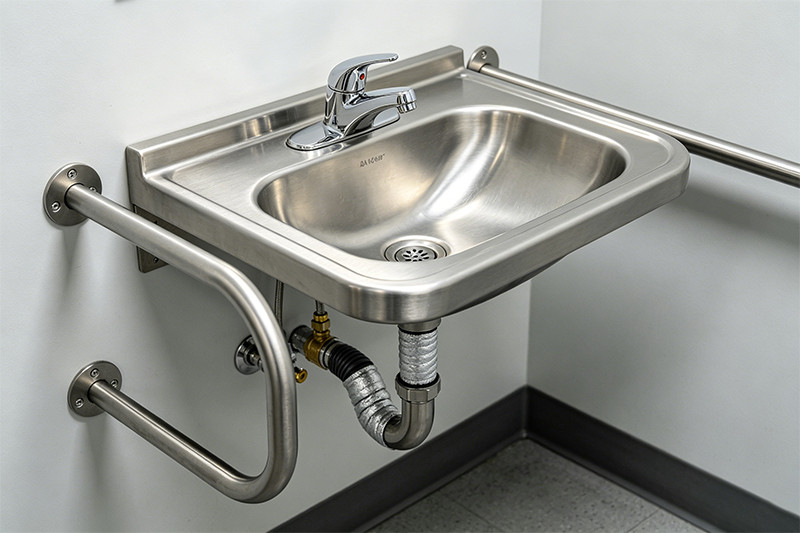
If the sink is intended to be accessible for employees or patrons with disabilities, it must comply with the Americans with Disabilities Act (ADA) standards.
- Mounting Height: The rim of an ADA-compliant sink should be mounted no higher than 34 inches from the finished floor.
- Knee Clearance: There must be adequate clear space underneath the sink for a wheelchair user. This generally means a knee clearance of at least 27 inches high, 30 inches wide, and extending 11 to 25 inches deep.
- Shallow Bowls: To achieve this clearance, ADA-compliant sinks often feature shallower bowls, typically around 6 to 6.5 inches deep.
- Insulated Pipes: The hot water and drain pipes under the sink must be insulated or otherwise shielded to prevent contact and potential burns.
Careful measurement and a thorough assessment of your operational needs are essential first steps. Don't go too small to save space, as an undersized sink can quickly become impractical and a point of constant frustration for your staff.
| Dimension | Standard Range (Inches) | Key Consideration |
|---|---|---|
| Overall Length | 36" - 72"+ | Must fit available bar space; depends on compartments/drainboards. |
| Bowl Width | 10" - 18" | Must be large enough to fully submerge largest glassware. |
| Bowl Length | 12" - 20" | Proportional to width; needs to accommodate tools and glassware. |
| Bowl Depth | 10" - 14" | Deeper is better for reducing splash and washing large items. |
| ADA Bowl Depth | 5" - 6.5" | Shallower to allow for necessary knee clearance underneath. |
| Overall Height | 30" - 33" | Fits under a standard 42" bar top for an ergonomic "cockpit". |
| ADA Rim Height | Max 34" from floor | Ensures accessibility for wheelchair users. |
Navigating Health and Safety Compliance for Your Commercial Bar Sink
A commercial bar sink isn't just a piece of equipment; it's a regulated fixture central to your establishment's license to operate. Navigating the complex web of health and safety codes is non-negotiable. From local ordinances to national standards, ensuring your sink is compliant protects your business, your staff, and your customers. Failure to comply can result in hefty fines, negative inspection reports, and even temporary closure. This section will guide you through the essential compliance requirements for your commercial bar sink.
Local Regulations and Health Codes for Commercial Bar Sinks
The most immediate and important rules you must follow are those set by your local and state health departments. While many regulations are based on the FDA Food Code, a set of federal guidelines, local jurisdictions often have their own specific amendments and enforcement priorities. It is absolutely crucial to consult your local health department before purchasing or installing a sink.
Common areas of local regulation include:
- Number of Sink Compartments: Most jurisdictions mandate a three-compartment sink for any establishment that washes and reuses glassware and utensils. Some may require a four-compartment sink if a dedicated dump sink for drink waste is needed. For example, some jurisdictions in California specify that a three-compartment sink is required if multi-use eating and drinking utensils are used.
- Drainboard Requirements: Many health codes specify the number and size of drainboards. A common rule is to have two integral drainboards—one for dirty items and one for clean—each at least the size of one sink compartment. The Los Angeles County Department of Public Health, for instance, requires two integral metal drainboards on bar sinks.
- Minimum Bowl Dimensions: To ensure proper immersion of glassware, local codes will often define the minimum acceptable length, width, and depth of each sink compartment. A common requirement is for each compartment to be large enough to submerge the largest utensil being used, with typical minimum dimensions around 10" x 14" x 10".
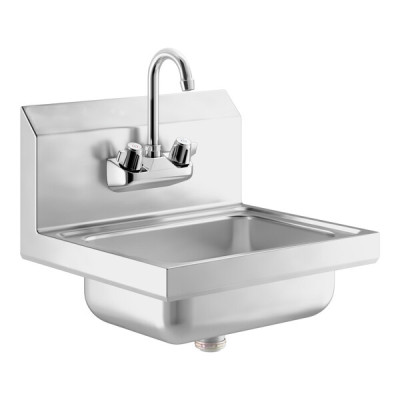
- Handwashing Sinks: Health codes universally require dedicated handwashing sinks that are separate from warewashing or food prep sinks. These must be conveniently located in food prep and bar areas and be stocked with soap, paper towels, and a sign instructing employees to wash their hands. Their location is critical to prevent staff from having to cross work paths to maintain hygiene.
Before you begin construction or remodeling, you must submit your plans—including the specific location and type of all sinks—to your local health department for review and approval. This step prevents costly mistakes and ensures you start on the right side of the law.### NSF Certification: What It Means for a Commercial Bar Sink
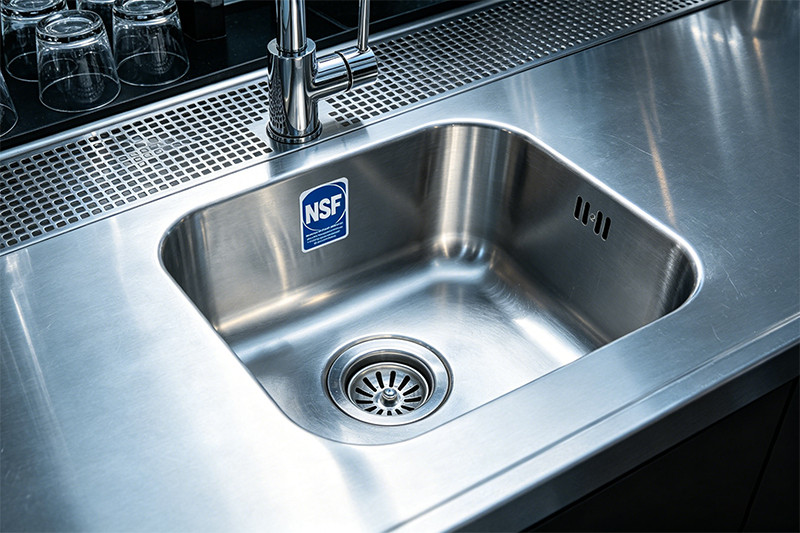
When you're shopping for a commercial bar sink, you will frequently see the "NSF" mark. This isn't just a sticker; it's a crucial mark of quality and compliance that health inspectors look for. NSF International (formerly the National Sanitation Foundation) is an independent, accredited organization that develops public health standards and certifies products for safety, quality, and performance.
What Does NSF Certification Guarantee? For a commercial bar sink to earn NSF certification, it must undergo rigorous testing to meet specific standards, most notably NSF/ANSI 2: Food Equipment. This standard establishes minimum requirements for the materials, design, and construction of food handling and processing equipment, including sinks.
When you purchase an NSF-certified sink, you are assured of the following:
- Material Safety: The materials used, primarily stainless steel, are verified to be non-toxic, corrosion-resistant, and won't leach harmful chemicals into the water or onto your glassware. This means the material is food-safe and durable enough to withstand constant use and harsh cleaning agents.
- Hygienic Design: NSF standards mandate specific design features that promote sanitation and prevent bacterial growth. This includes:
- Coved Corners: The interior corners of the sink bowls must be rounded (coved). This eliminates sharp 90-degree angles where food particles and bacteria can get trapped, making the sink significantly easier to clean thoroughly.
- Smooth, Seamless Welds: All joints and welds must be smooth and free of pits or crevices. This non-porous surface prevents the accumulation of grime and germs.
- Ease of Cleanability: The overall construction of the sink must allow for easy and complete cleaning. This includes features like properly sloped drainboards that prevent water from pooling, which would otherwise create a habitat for germs.
Why is NSF Certification So Important?
- Health Code Compliance: Most local health departments across the U.S. require that commercial kitchen equipment, including sinks, be NSF certified. Using non-certified equipment can lead to failed inspections, fines, and being forced to replace the sink.
- Assurance of Quality: The NSF mark is a promise of durability and performance. Because the certification process includes facility audits and re-testing, it ensures the product is built to last in a demanding commercial environment.
- Protection of Public Health: Ultimately, the standards are in place to prevent foodborne illnesses. A properly designed and constructed sink is a cornerstone of a hygienic operation, safeguarding the health of your customers.
When choosing your bar sink, always look for the official blue NSF certification mark on the product itself. Reputable brands like Samsink prioritize NSF certification to ensure their products meet these critical industry benchmarks. It is an investment in safety, compliance, and the long-term viability of your business.
 ### Water Temperature and Pressure Guidelines for Commercial Bar Sink Operations
Beyond the physical structure of the sink, the characteristics of the water it uses are tightly regulated to ensure effective cleaning and sanitization. Health codes, guided by the FDA Food Code, provide specific requirements for both water temperature and pressure.
Water Temperature: A Critical Factor in Hygiene
The temperature of the water is not merely for comfort; it plays a vital role in activating detergents and killing microorganisms. The required temperatures vary depending on the sink's purpose.
For Three-Compartment Sinks: The wash-rinse-sanitize process has distinct temperature requirements for each stage, particularly when using heat to sanitize.
- Wash Compartment: The water in the first basin, mixed with detergent, must be maintained at a minimum of 110°F (43°C). This temperature is necessary to effectively dissolve grease and allow the soap to work properly.
- Rinse Compartment: The rinse water is typically clean and can be warm, often at a similar temperature to the wash water, to help remove all soap residue.
- Sanitize Compartment: There are two methods for sanitizing, each with a strict temperature mandate:
- Hot Water Sanitization: This method requires the items to be fully submerged in water maintained at 171°F (77°C) or higher for at least 30 seconds. This is hot enough to kill most harmful bacteria. Achieving and maintaining this temperature often requires a dedicated booster heater.
- Chemical Sanitization: If using chemicals (like chlorine, iodine, or quaternary ammonium compounds), the water temperature must follow the manufacturer's specific instructions. For example, some chlorine sanitizers work best in water between 75°F and 120°F. Water that is too hot can cause the chemical to evaporate or lose its effectiveness.
For Handwashing Sinks: The 2022 FDA Food Code lowered the minimum temperature for handwashing sinks from 100°F to 85°F (29.4°C). The reasoning is that comfortable water temperature encourages longer and more frequent handwashing. The primary factor in removing germs is the friction from scrubbing with soap for at least 20 seconds, not the heat of the water itself.
Water Pressure and Flow Rate
While specific PSI (pounds per square inch) numbers are not always mandated for individual sinks in the food code, the plumbing system as a whole must provide adequate water pressure and volume to all fixtures.
- Sufficient Flow: The water pressure must be strong enough to quickly fill sink basins and effectively rinse away debris. Low pressure can lead to long wait times for filling sinks, disrupting workflow. Residential water pressure is often between 40-60 PSI, and commercial settings should be similar to ensure proper function.
- Flow Regulation: Water flow from a faucet is measured in gallons per minute (GPM). Commercial kitchen faucets often have higher flow rates (e.g., 2.5 GPM or more) to fill large pots and sinks quickly. However, faucets on handwashing sinks may have a lower GPM to reduce splashing.
- Pressure Regulating Valves: If the building's water pressure is excessively high (e.g., over 80 PSI), it can damage plumbing fixtures and cause extreme splashing. In such cases, a pressure-reducing valve (PRV) may be required to bring the pressure to a safe and functional level.
Maintaining these water parameters is a continuous operational responsibility. Staff must be trained to use thermometers to verify water temperatures throughout the day, ensuring the sink is not just a basin, but a compliant and effective sanitation tool.
| Sink/Compartment | Purpose | Required Minimum Temperature | Key Considerations |
|---|---|---|---|
| Handwashing Sink | Employee hygiene | 85°F (29.4°C) | Focus is on comfort to encourage 20-second scrub time. |
| 1st Compartment | Wash | 110°F (43°C) | Necessary to activate detergent and break down grease. |
| 2nd Compartment | Rinse | Warm (no specific minimum) | Must be clean water to remove all soap residue. |
| 3rd Compartment | Sanitize (Heat) | 171°F (77°C) for 30 sec | Requires a booster heater; items must be fully immersed. |
| 3rd Compartment | Sanitize (Chemical) | Per mfg. instructions (e.g., 75°F) | Temperature must be correct for the specific chemical to work. |
Proper installation of a commercial bar sink is not just about making sure it fits and looks good; it's a critical step for ensuring it functions safely and meets strict plumbing and health codes. Hiring a licensed plumber experienced in commercial installations is essential. Key areas of focus are the drainage system, backflow prevention, and trap requirements.
Drains, P-Traps, and Venting
The drainage system for a commercial sink is more robust than a residential one to handle higher volumes of water and debris.
- P-Traps: Every sink basin must be equipped with a P-trap, which is the U-shaped pipe located directly beneath the drain. Its purpose is to hold a small amount of water to create a seal that blocks foul-smelling and potentially hazardous sewer gases from rising up through the drain and entering your bar. Building codes universally mandate P-traps on direct-draining fixtures.
- Drain Size: Commercial sink drains are typically larger than residential ones, often 1.5 inches in diameter or larger for each basin, to prevent clogs from bits of fruit, straws, and other small debris.
- Venting: A properly installed vent pipe is crucial for the drainage system to work. Vents allow air to enter the pipes as water drains, preventing a vacuum from forming that could siphon the water out of the P-trap (rendering it useless) and ensuring waste flows away smoothly.
Backflow Prevention: Protecting Your Potable Water
Backflow is a dangerous plumbing failure where non-potable (unsafe) water from the drainage system reverses flow and contaminates the clean, potable water supply. This can happen due to a sudden drop in water pressure in the supply lines (back-siphonage) or an increase in pressure from the waste side. Commercial plumbing codes are extremely strict about preventing this.
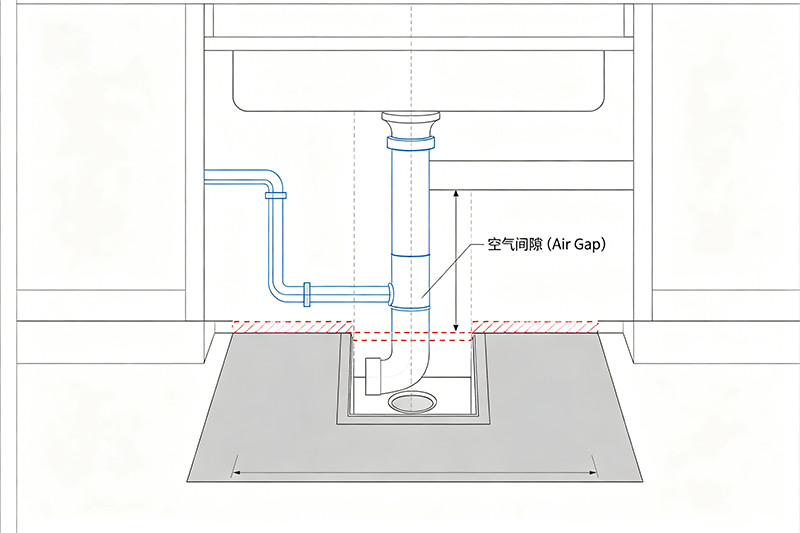
- Air Gap: The most effective and foolproof method of backflow prevention is a physical air gap. This is an open vertical space between the outlet of a drainpipe and the flood-level rim of the receiving fixture (like a floor sink). For example, the drain lines from an ice machine or a three-compartment sink must empty into a floor sink, with the end of the pipes positioned at least twice the diameter of the pipe (and never less than 1 inch) above the floor sink's rim. This physical separation makes it impossible for wastewater to flow back into the equipment if the floor sink backs up.
- Indirect Waste Connection: Fixtures used for food, drinks, or ice—such as warewashing sinks, prep sinks, and ice bins—are required by code to have an indirect waste connection. This means they cannot be hard-plumbed directly to the sewer line. Instead, they must drain through an air gap into a separate, properly trapped and vented floor sink or other approved receptor.
- Mechanical Backflow Preventers: On the water supply side, faucets (especially those with hose attachments) may require a mechanical backflow prevention device, such as a vacuum breaker, to prevent water from being siphoned back into the clean water lines.
Ensuring your sink installation includes these critical plumbing features is non-negotiable for passing your health inspection and operating a safe establishment. A mistake in this area can lead to serious health risks and costly repairs.
Strategies for Effective Disinfection of Your Commercial Bar Sink
A properly designed and compliant commercial bar sink is only effective if it's used correctly. Disinfection is not just about a quick wash; it's a systematic process designed to eliminate harmful microorganisms that can cause foodborne illness. According to the FDA, improper warewashing is a leading cause of health code violations. Mastering the strategies for effective disinfection is crucial for protecting your customers, your reputation, and your business license.
The Importance of a Three-Compartment Cleaning Method for a Commercial Bar Sink
For any establishment that manually washes glassware, utensils, and other bar tools, the three-compartment sink method is the FDA-approved gold standard. This structured process ensures that items are not only visually clean but also sanitized to a level that is safe for public use. Using a three-compartment sink for anything other than this process, such as handwashing or mop water disposal, is a serious violation that can lead to cross-contamination.
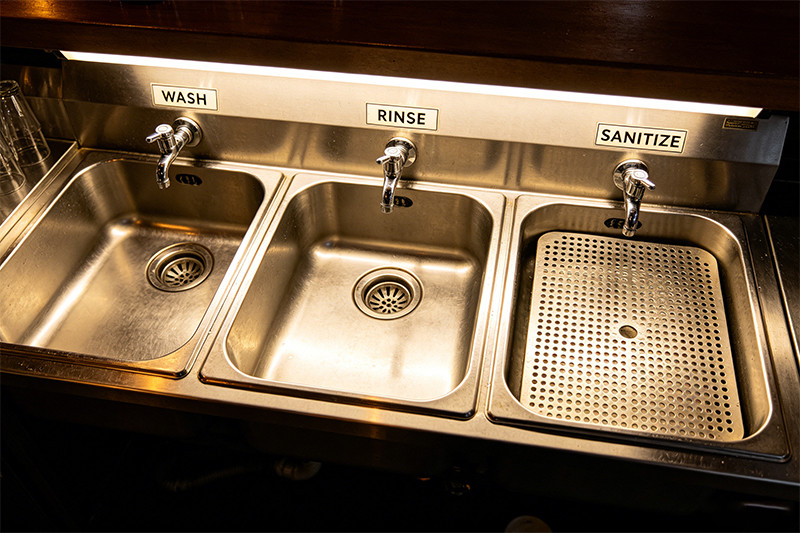
The process, often remembered as Wash, Rinse, Sanitize, is actually a five-step sequence:
- Scrape/Pre-rinse: Before the items enter the first sink, all gross debris—leftover drink residue, garnishes, lipstick marks, and other solids—must be scraped or rinsed into a trash receptacle or dump sink. This step is critical for keeping the wash water cleaner for longer.
- Wash: In the first compartment, items are fully submerged and scrubbed in a solution of hot water and detergent. Health codes mandate this water must be at least 110°F (43°C) to effectively cut through grease and grime.
- Rinse: In the second compartment, the washed items are submerged in clean, warm water. The purpose of this step is to completely remove all soap and detergent residue. Lingering soap can interfere with the sanitizer in the next step, rendering it ineffective.
- Sanitize: In the third compartment, items are submerged to kill remaining invisible pathogens. This can be done in two ways:
- Hot Water Sanitizing: Immersing items for at least 30 seconds in water that is 171°F (77°C) or hotter.
- Chemical Sanitizing: Immersing items in an approved chemical solution for a specific contact time (usually 30-60 seconds, per the manufacturer's label).
- Air Dry: After sanitizing, items must be placed on a clean drainboard or rack to air dry completely. Towel drying is strictly prohibited as it can reintroduce bacteria and lint onto the clean surfaces.
Labeling each sink compartment (WASH, RINSE, SANITIZE) is a best practice that helps staff adhere to the correct order, especially during busy shifts. Mastering this fundamental procedure is the single most important aspect of bar sink sanitation.
 ### Approved Cleaning Agents and Sanitizers for Your Commercial Bar Sink
Using the correct chemicals in your commercial bar sink is just as important as following the wash-rinse-sanitize procedure. Not all cleaning products are safe or effective for food-contact surfaces. The sanitizers you use must be approved by the Environmental Protection Agency (EPA) for use in foodservice environments.
Cleaning Agents (Detergents) For the first "Wash" compartment, you will use a commercial-grade detergent. These are formulated to be effective in hot water to break down and lift away grease, oils, sugars, and other residues common in a bar. It is essential to use a product designed for manual warewashing.
Approved Chemical Sanitizers For the third "Sanitize" compartment, there are three main types of EPA-approved chemical sanitizers used in the foodservice industry. Each has a specific concentration, required contact time, and optimal water temperature.
Chlorine (Bleach):
- Pros: Inexpensive, widely available, and highly effective against a broad spectrum of bacteria.
- Cons: Can be corrosive to metals over time, may leave a slight odor if not properly rinsed (though rinsing after sanitizing is prohibited), and loses effectiveness quickly.
- Usage Requirements:
- Concentration: 50–100 parts per million (ppm).
- Temperature: 75°F–100°F is typical. Water that is too hot can cause the chlorine to dissipate.
- Contact Time: At least 7-10 seconds.
Quaternary Ammonium (Quats):
- Pros: Non-corrosive, odorless, and remain active longer than chlorine. They can also leave a residual antimicrobial film.
- Cons: Can be less effective against certain types of viruses and microorganisms. They may also not work as well in hard water.
- Usage Requirements:
- Concentration: Typically 150–400 ppm (always follow the manufacturer's label).
- Temperature: Usually most effective around 75°F.
- Contact Time: At least 30 seconds.
Iodine:
- Pros: Effective against a wide range of bacteria and less affected by water hardness than quats. Solutions are colored, providing a visual cue of their presence.
- Cons: More expensive than chlorine, can stain some plastics and surfaces, and may be less effective at certain pH levels.
- Usage Requirements:
- Concentration: 12.5–25 ppm.
- Temperature: Typically between 68°F and 120°F.
- Contact Time: At least 30 seconds.
The Critical Role of Test Strips You cannot determine the correct sanitizer concentration by sight or smell. It is a health code requirement to have and use sanitizer test strips that are specific to the type of chemical you are using (chlorine, quat, or iodine).
How to Use Test Strips:
- Dip the strip into the sanitizing solution in the third sink for the time specified on the vial (often just a few seconds).
- Remove the strip and compare the resulting color to the color chart on the test strip packaging.
- The color will indicate the chemical's concentration in ppm.
- If the concentration is too low, add more sanitizer. If it's too high, add more water.
Health inspectors will ask to see your test strips and may ask you to demonstrate their use. Consistent testing—often recommended every 2-4 hours or whenever a new solution is mixed—is mandatory for compliance and ensures your sanitizer is actually working.
| Sanitizer | Typical PPM | Contact Time | Water Temp | Pros | Cons |
|---|---|---|---|---|---|
| Chlorine | 50-100 ppm | 7-10+ seconds | 75°F-100°F | Inexpensive, fast-acting | Corrosive, loses strength quickly |
| Quats | 150-400 ppm | 30+ seconds | ~75°F | Non-corrosive, long-lasting | Less effective in hard water |
| Iodine | 12.5-25 ppm | 30+ seconds | 68°F-120°F | Effective, visual indicator | Expensive, can stain plastics |
Consistent cleaning is essential to prevent the buildup of grime, limescale, and biofilm in your commercial bar sinks. An effective cleaning protocol is broken down into daily tasks performed during and after every shift, supplemented by less frequent but more intensive deep cleaning routines.
Daily Cleaning Checklist (During and After Each Shift)
Daily cleaning tasks are about maintaining a baseline of sanitation and preventing small messes from becoming big problems. These should be integrated into your opening, mid-shift, and closing procedures.
During Shift:
- Wipe Spills Immediately: Clean up any spills on the sink surround and backsplash as they happen to prevent sticky residues from forming.
- Rinse Tools: Rinse bar tools like shakers, jiggers, and strainers between uses as needed.
- Manage Water Quality: In the three-compartment sink, water should be changed when it becomes visibly soiled or when the temperature drops below the required minimum. Sanitizer solutions should be tested and changed every 2-4 hours to maintain their effectiveness.
Closing/End-of-Shift Checklist:
- Empty and Clean All Basins: Drain all compartments of the sink. Remove any large debris from the strainers and dispose of it.
- Scrub and Sanitize Sinks: Thoroughly scrub the inside of all sink compartments, faucets, and drainboards with hot, soapy water. Pay special attention to corners and around the drains. After scrubbing, rinse all surfaces with clean water.
- Final Sanitize: Spray or wipe all surfaces of the sink (basins, faucets, handles, drainboards) with an approved food-contact sanitizer and allow it to air dry.
- Clean Drains: Clear debris from all sink drains to prevent clogs and odors.
- Wipe Surrounding Areas: Wipe down and sanitize all adjacent countertops and backsplashes.
Weekly and Monthly Deep Cleaning Schedule
While daily cleaning manages surface-level sanitation, deep cleaning targets the less visible areas where buildup can occur.
Weekly Deep Cleaning Checklist:
- Delime Faucets and Sinks: Depending on your water hardness, mineral deposits (limescale) can build up on faucets and in sink basins. Use a commercial deliming solution to remove this buildup, which can harbor bacteria.
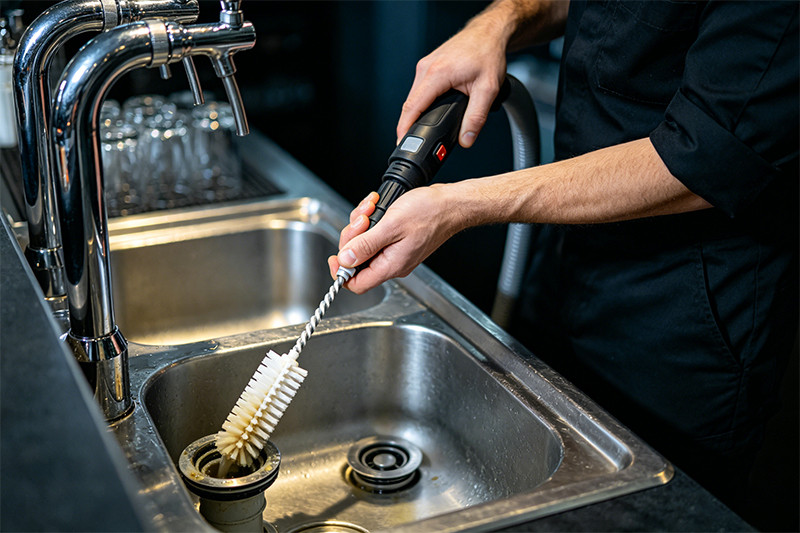
- Scrub Drains Thoroughly: Use a drain brush to scrub inside the sink drains and pipes to remove any accumulated slime or biofilm.
- Clean and Sanitize Underneath: If possible, clean the floor and wall area under and behind the sink unit, as this area can collect moisture and debris.
- Power Wash Floor Mats: Remove and thoroughly clean any anti-fatigue mats from around the sink area to prevent mold and bacterial growth underneath.
Monthly Deep Cleaning Checklist:
- Inspect Plumbing: Check all plumbing connections, including water supply lines and P-traps, for any leaks or drips. Address any issues immediately.
- Clean Grease Traps: If your bar sink is connected to a grease trap, it should be emptied and cleaned according to a regular schedule to prevent major clogs and foul odors.
- Pull Out and Clean Behind Equipment: If your sink unit is movable, pull it away from the wall to deep clean the floor and walls behind it.
- Descale Ice Machines: While not part of the sink itself, ice machines are often located nearby and should be descaled and sanitized monthly to ensure ice is clean and safe.
Implementing a structured cleaning schedule with clear checklists ensures accountability and maintains your bar sinks in a perpetually clean, sanitary, and inspection-ready state.
 ### Preventing Cross-Contamination Around Your Commercial Bar Sink Area
Cross-contamination is one of the most significant food safety risks in any foodservice environment. It occurs when harmful bacteria or allergens are transferred from one surface or food item to another. The bar sink area, with its constant flow of dirty glassware, clean tools, food garnishes, and liquids, is a major hotspot for potential cross-contamination. Implementing strict procedures and a well-designed workflow is essential to mitigate this risk.
Key Strategies for Prevention:
Dedicated Sinks for Dedicated Tasks: This is the most fundamental rule. Health codes are extremely strict about the separation of duties between different sinks.
- Handwashing Sinks: These must be used only for washing hands. Using them to rinse a glass, dump a drink, or wash a piece of fruit is a serious violation. They should be conveniently located to encourage frequent use by staff after handling money, clearing tables, or touching their face or hair.
- Warewashing Sinks (3-Compartment): These are to be used exclusively for the wash-rinse-sanitize process. Using them for food prep or handwashing introduces pathogens into the system designed to clean your service items.
- Food Preparation Sinks: If your bar involves significant garnish prep (e.g., washing fresh berries, herbs), a separate, dedicated food prep sink is often required to keep these ready-to-eat items away from the dirty dish workflow.
- Dump Sinks: A small, separate dump sink is highly recommended for discarding leftover ice and liquids from used glasses. This prevents the three-compartment sink from getting clogged with straws and fruit debris and keeps the wash water cleaner for longer.
Establish a Clear "Dirty to Clean" Workflow: The layout around your sink should create a logical, one-way flow of items.
- Dirty Zone: Designate one side of the sink unit, ideally with a drainboard, as the collection point for all used and dirty glassware. This is the "dirty" zone.
- Cleaning Zone: This is the three-compartment sink itself, where the wash-rinse-sanitize process occurs.
- Clean Zone: The other side of the sink unit, with another drainboard, should be the dedicated "clean" zone. Only freshly sanitized items that are air-drying should be placed here. This linear flow prevents clean, sanitized glasses from ever coming into contact with dirty ones, significantly reducing the risk of re-contamination.
Proper Handling of Glassware and Tools: Staff training on handling is crucial.
- Never Touch Rims: Washed glasses should never be handled by the rim, as hands can transfer germs directly to the surface a customer's mouth will touch. Glasses should be held by the base or stem.
- Air Dry Only: Towels can harbor bacteria and re-contaminate clean glassware. Always allow items to air dry completely on a sanitized rack or drainboard.
- Use Ice Scoops: Never use a glass to scoop ice from the ice bin. This can transfer bacteria into the ice supply and poses a risk of glass breaking into the bin. Always use a dedicated, clean ice scoop.
Sanitize High-Touch Surfaces: Faucet handles, sink edges, and surrounding countertops are touched constantly. These surfaces themselves can become sources of cross-contamination and must be included in the daily cleaning and sanitizing schedule.
By enforcing a strict separation of sink functions and designing an intuitive workflow, you create a system that makes it easy for your staff to do the right thing and hard to make a mistake, effectively shielding your operation from the dangers of cross-contamination.
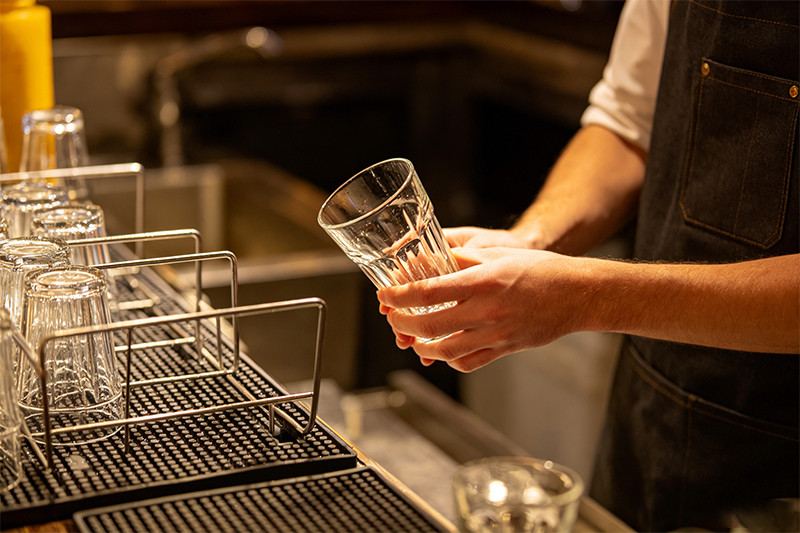
Choosing the Right Commercial Bar Sink for Your Business Needs
Selecting the perfect commercial bar sink is a strategic decision that extends beyond mere compliance and aesthetics. The right sink becomes an integrated part of your bar's engine, driving efficiency and safety. This requires a holistic assessment of your unique business needs, from the speed of your service to the physical constraints of your space.
Assessing Your Operational Flow and Volume for a Commercial Bar Sink
Before you can choose a sink, you must first understand how your bar operates. A thoughtful analysis of your workflow and service volume will directly inform the size and type of sink you need.
Analyzing Your Drink Menu and Prep Needs:
- Simple vs. Complex Drinks: A bar that primarily serves beer and wine has vastly different sink requirements than a high-end cocktail lounge. If your menu is heavy on complex, muddled, or blended cocktails, you will generate more dirty tools (shakers, muddlers, strainers, blenders) that require constant washing. This points toward needing a larger, more robust multi-compartment sink.
- Garnish Preparation: If you prepare fresh garnishes like citrus wheels, herbs, or berries in-house, a dedicated prep sink is not just a luxury but a necessity for preventing cross-contamination.
Estimating Your Service Volume: The number of customers you serve during your busiest hours is a direct indicator of your sink capacity needs.
- Low-Volume: A small cafe or a quiet hotel lobby bar might serve a limited number of drinks and can likely operate effectively with a more compact three-compartment sink.
- High-Volume: A bustling nightclub, sports bar, or high-traffic restaurant bar will experience intense periods of demand. During these rushes, bartenders need the ability to wash and sanitize glassware at a rapid pace. This environment demands a larger sink setup, potentially a four-compartment sink with dual drainboards, and possibly a separate dump sink to maximize the efficiency of the warewashing process. A slower turnaround of clean glasses due to an undersized sink directly translates to lost sales and frustrated customers.
Mapping the Bartender's Workflow: A well-designed bar creates a seamless "cocktail cockpit" where the bartender can execute every step of making and serving a drink with minimal movement. The sink is central to this flow. Ideally, a bartender should be able to move logically from grabbing a clean glass, to the ice bin and prep area, to serving, and then have a designated "dirty" drop-off spot that begins the cleaning cycle. An inefficient sink placement that forces staff to crisscross paths or walk long distances creates bottlenecks and slows down service. Observe your current or planned workflow to determine the most ergonomic location and configuration for your sink system. For example, placing a sink at the end of a bar run allows for a clear linear progression from dirty to clean.
By carefully considering what you serve, how much you serve, and how your staff moves, you can choose a sink that acts as a performance-enhancing tool rather than an operational obstacle.