Everything You Should Know About ISO and SGS Standards for Stainless Steel Sinks
As we navigate the world of home and commercial improvements, understanding product quality and safety is paramount, especially for items like stainless steel sinks that see daily use. We often encounter terms like ISO and SGS, but what do they truly mean for a durable and reliable stainless steel sink?
Today, we're diving deep into the essential world of ISO and SGS standards, uncovering why these certifications are critical for ensuring your stainless steel sink meets rigorous benchmarks for quality, safety, and environmental sustainability. Join me as we explore how these seals of approval protect us, the consumers, and guide manufacturers in delivering top-tier products.
Key Takeaways
- ISO 9001 Ensures Quality: This certification isn't about the sink itself, but the manufacturer's process. It guarantees a commitment to a quality management system, consistent production, and customer satisfaction.
- Material Standards are Crucial: Certifications like ASTM A240 define the chemical makeup and properties of the stainless steel, ensuring you get the right grade (like 304 or 316) for durability and corrosion resistance.
- Health and Safety First: Certifications such as NSF/ANSI 51 (food safety), cUPC (North American plumbing codes), and CE Marking (European standards) confirm that the sink is safe for its intended use, whether in a home kitchen or a commercial environment.
- SGS Provides Independent Verification: SGS acts as a third-party inspector to test and verify a sink's material composition, construction, and performance, offering an unbiased seal of quality.
- Grade and Gauge Matter: The quality of a stainless steel sink is heavily influenced by its grade (304 is standard, 316 is for harsh environments) and its gauge (lower numbers mean thicker, more durable steel).
The Pillars of Trust: Understanding ISO Standards for Stainless Steel Sinks
When we talk about quality on a global scale, the International Organization for Standardization (ISO) is the definitive authority. For stainless steel sinks, two standards are particularly relevant: ISO 9001, which governs the manufacturing process, and ASTM A240, which defines the material itself. Together, they form the foundation of a product you can trust.
ISO 9001: The Global Benchmark for Quality Management in Stainless Steel Sink Production
ISO 9001 is a globally recognized standard for Quality Management Systems (QMS). It doesn't certify the sink's physical properties, but rather the manufacturer's ability to consistently produce products that meet customer and regulatory requirements. Think of it as a seal of approval for the entire production process, from sourcing raw materials to final delivery.
What ISO 9001 Means for Your Stainless Steel Sink
When a sink manufacturer is ISO 9001 certified, it signifies a deep commitment to quality at every operational level. This framework helps businesses become more efficient and improve customer satisfaction. The standard is built on several quality management principles, including a strong customer focus, the active involvement of top management, a process-based approach, and a drive for continual improvement. For you, the buyer, this means the company behind your sink has established, documented, and is actively maintaining a system to ensure what you receive is exactly what they promised. It provides assurance that the manufacturer has effective quality management processes in place.
How ISO 9001 Ensures Consistent Quality and Customer Satisfaction
Consistency is the cornerstone of ISO 9001. The standard requires manufacturers to establish standardized procedures to control their processes, which leads to fewer errors, better outcomes, and greater product reliability. This systematic approach to quality management ensures that manufacturing processes result in fewer defects and better overall output.
Key ways ISO 9001 delivers consistency and satisfaction include:
- Strong Customer Focus: The primary goal of ISO 9001 is to meet and exceed customer expectations. Certified companies must actively gather, measure, and analyze customer feedback to identify areas for improvement.
- Process Approach: By managing activities as interrelated processes, manufacturers can produce more consistent and predictable results. This helps identify and eliminate inefficiencies, reducing waste and cost.
- Continual Improvement: ISO 9001 is not a one-time achievement; it fosters a culture of permanent improvement. It requires companies to systematically identify and act on opportunities to enhance their products and services over time.
- Evidence-Based Decision Making: Decisions within an ISO 9001 system are based on the analysis of data and information, rather than on gut feelings, leading to more effective outcomes.
Ultimately, an ISO 9001 certification builds credibility and trust, signaling that the manufacturer is dedicated to upholding the highest quality standards throughout its entire production process.
ASTM A240/A240M: Material Specifications for High-Quality Stainless Steel Sinks
While ISO 9001 covers the process, ASTM A240/A240M focuses squarely on the product's core material. Developed by ASTM International, this standard specifies the chemical composition, mechanical properties, and other requirements for various grades of stainless steel plates, sheets, and strips used in general applications and pressure vessels. When a sink is made from steel that meets this specification, you're guaranteed it's using a proven, high-quality alloy.
Ensuring the Right Grade of Stainless Steel for Durability
ASTM A240 is critical for ensuring the longevity and performance of a stainless steel sink. It defines the precise recipe for different stainless steel grades, ensuring the material has the expected strength and corrosion resistance.
Here’s what it covers:
- Chemical Composition: The standard dictates the exact percentages of elements like chromium, nickel, carbon, and molybdenum. For example, Grade 304, the most common for sinks, is defined as having 18-20% chromium and 8-10.5% nickel, which gives it excellent resistance to rust and corrosion.
- Mechanical Properties: ASTM A240 specifies mechanical benchmarks such as tensile strength (how much force it can withstand before breaking) and yield strength (how much it can stretch before permanent deformation). This ensures the steel is strong enough to handle daily use without denting or warping easily.
- Corrosion Resistance: The specific elemental blends defined by ASTM A240 are designed to create a passive, corrosion-resistant film on the steel's surface. This self-repairing layer protects the sink from rust caused by exposure to water, food acids, and cleaning agents.
By adhering to ASTM A240, manufacturers ensure they are using the correct and consistent grade of steel, which is fundamental to a sink's durability, hygiene, and aesthetic appeal.
Beyond ISO: Navigating Key Certifications for Your Stainless Steel Sink
While ISO provides a powerful foundation for quality, a host of other certifications address specific health, safety, and regional requirements. These marks are your assurance that a sink isn't just well-made, but is also safe for contact with your food, compliant with local plumbing codes, and even environmentally responsible.
NSF/ANSI 51: Safeguarding Health with Food-Grade Stainless Steel Sinks
The NSF/ANSI 51 certification, developed by NSF International (the National Sanitation Foundation), is critical for any material that will come into contact with food. This standard sets minimum public health and sanitation requirements for materials used in the construction of commercial food equipment. When a stainless steel sink carries this certification, it means the material has been rigorously tested and is safe for food-related applications.
The Importance of Hygiene in Commercial and Residential Stainless Steel Sinks
Hygiene is non-negotiable in any kitchen. An NSF/ANSI 51 certified sink provides peace of mind by guaranteeing several key safety factors:
- Non-Toxicity: The material is proven not to leach harmful chemicals or substances like lead or other heavy metals into your food. NSF/ANSI 51 is intended to ensure that the material is not formulated in a way that it could impart deleterious substances to food.
- Corrosion Resistance: The certification verifies that the stainless steel can withstand exposure to acids, salts, and cleaning agents without degrading or rusting, which could harbor bacteria.
- Cleanability: The finish of the material must be smooth and non-porous, making it easy to clean and sanitize, thus preventing bacterial growth.
While essential for commercial kitchens, this standard is equally valuable for residential sinks, assuring you that the surface where you wash your vegetables and prepare meals meets the highest safety and hygiene benchmarks.
cUPC Certification: Meeting North American Standards for Stainless Steel Sinks
The cUPC mark is a sign that a plumbing product complies with the codes and standards of both the United States (UPC) and Canada (c). Issued by the International Association of Plumbing and Mechanical Officials (IAPMO), the cUPC certification is a key indicator of quality and safety for plumbing fixtures, including stainless steel sinks.
Why cUPC is Essential for Plumbing Products, Including Stainless Steel Sinks
For any sink intended for the North American market, cUPC certification is practically mandatory. It serves as a passport for market entry and a guarantee of compliance and performance.
Here’s why it’s so important:
- Regulatory Compliance: In many jurisdictions across the US and Canada, plumbing codes require that installed products are cUPC certified. Using a non-certified sink can lead to failed inspections, project delays, and costly replacements.
- Guaranteed Performance: cUPC certification involves rigorous testing for material safety, leakage, pressure resistance, and durability. This assures end-users that the sink will perform safely and reliably under normal household conditions.
- Consumer Trust: The cUPC mark builds consumer confidence. It demonstrates that the product has been vetted by an independent third party to meet internationally recognized safety and quality standards.
CE Marking: Ensuring Stainless Steel Sinks Comply with European Regulations
The CE mark (Conformité Européenne) is a mandatory conformity marking for products sold within the European Economic Area (EEA) and Turkey. When a stainless steel sink has a CE mark, the manufacturer is declaring that the product meets all relevant EU health, safety, and environmental protection requirements.
The Significance of CE for Stainless Steel Sinks in the European Economic Area
The CE mark is not a quality mark in itself, but rather a declaration of conformity with EU legislation. As of July 2013, it became mandatory for kitchen sinks sold in the EU to carry the CE mark in accordance with the Construction Products Regulation (CPR). This means the sink must adhere to the European Standard EN 13310:2003, which covers kitchen sinks. The presence of the CE mark indicates the manufacturer has verified that the product is compliant, allowing it to be legally sold and traded freely within the single market.
WaterMark: Australian Certification for Stainless Steel Sink Drainers
The WaterMark certification is a mandatory scheme for plumbing and drainage products in Australia, managed by the Australian Building Codes Board (ABCB). It confirms that a product complies with the Plumbing Code of Australia and meets relevant Australian Standards for quality, safety, and fitness for purpose. While sinks themselves do not always require WaterMark approval, their waste outlets and drainers do. A licensed plumber in Australia cannot install a product that requires WaterMark certification if it doesn't have it. This makes it an essential standard for any sink components sold in the Australian market.
BIS IS 13983:1994: Indian Standards for Domestic Stainless Steel Sinks
In India, the Bureau of Indian Standards (BIS) sets the requirements for domestic stainless steel sinks under the standard IS 13983:1994. This standard covers specifications for material, dimensions, construction, and workmanship for both sit-on and inset sinks. Under recent quality control orders, obtaining BIS certification (also known as the ISI mark) is now mandatory for these products to be sold in the Indian market. The certification ensures the sinks are made from corrosion-resistant steel, are durable, and are safe for household use, protecting consumers by guaranteeing product reliability and quality.
Green Building Certifications (LEED, BREEAM): Sustainable Stainless Steel Sinks
In an era of increasing environmental awareness, green building certifications like LEED (Leadership in Energy and Environmental Design) and BREEAM (Building Research Establishment Environmental Assessment Method) are highly influential. Stainless steel sinks can contribute significantly to achieving credits for these certifications.
Key sustainable attributes of stainless steel include:
- High Recycled Content: Much of the stainless steel produced today is made from recycled scrap metal. Some stainless steel products are made with over 80-90% recycled content, which helps earn points for responsible sourcing of materials.
- Durability and Longevity: Stainless steel has an extremely long service life and resists corrosion, reducing the need for costly and wasteful replacements. This durability minimizes material waste over a building's lifecycle.
- 100% Recyclability: At the end of its life, stainless steel is 100% recyclable without any loss of quality, contributing to a circular economy.
- No Toxic Emissions: Uncoated stainless steel is non-toxic and does not emit volatile organic compounds (VOCs), which helps improve indoor air quality—a key criterion for green building standards.
Manufacturers that provide Environmental Product Declarations (EPDs), which offer transparency about a product's environmental impact, can further help projects earn valuable LEED or BREEAM points.

SGS Inspection: Your Independent Eye on Stainless Steel Sink Quality
While certifications provide a baseline for quality, independent, third-party inspection offers an additional layer of verification that a product meets its stated specifications. SGS (Société Générale de Surveillance) is a world leader in inspection, verification, testing, and certification services. For a stainless steel sink, an SGS inspection acts as an impartial stamp of approval, assuring buyers that the product's quality has been independently verified.
The Role of SGS in Testing and Verifying Stainless Steel Sinks
Manufacturers or buyers can hire SGS to conduct a range of tests throughout the production process, from raw materials to the finished product. This provides an unbiased assessment of quality and helps identify any potential flaws before the sink reaches the market. Many manufacturers welcome on-site inspections by recognized agencies like SGS to demonstrate their commitment to transparency and quality.
SGS offers a wide spectrum of metal testing services using highly experienced specialists and advanced technology to assess the characteristics, properties, and flaws of metal products. Their role is to ensure that products are safe, reliable, and compliant with regulations.
Material Composition and Corrosion Resistance Testing for Stainless Steel
One of the most critical functions of an SGS inspection is to verify the sink's material integrity. SGS uses state-of-the-art methods to confirm that the stainless steel is what the manufacturer claims it to be.
Key tests include:
- Chemical Composition Analysis: Using techniques like X-ray Fluorescence (XRF) or Optical Emission Spectroscopy (OES), SGS can precisely identify and quantify the elemental makeup of the steel. This test confirms whether a sink advertised as Grade 304 actually contains the required 18% chromium and 8% nickel, guaranteeing its authenticity and performance.
- Corrosion Resistance Testing: To simulate years of use in a short period, SGS performs accelerated corrosion tests. The most common is the salt spray test (conforming to standards like ASTM B117), where the sink is placed in a chamber and exposed to a dense saltwater fog for hundreds of hours. Inspectors then check for any signs of rust or degradation, providing a clear indicator of the sink's long-term durability.

Dimensional Accuracy and Leakage Testing of Stainless Steel Sinks
A sink must not only be made of the right material but also be constructed correctly to function properly. SGS verifies the physical and structural integrity of stainless steel sinks through precise measurement and performance tests.
- Dimensional Accuracy: Using advanced tools like coordinate measuring machines (CMM) or laser gauges, inspectors check the sink's physical dimensions against the design specifications. This ensures that measurements like length, width, bowl depth, and drain opening diameter are accurate, guaranteeing a proper fit during installation. These inspections can confirm conformity to tolerances provided by technical drawings.
- Leakage Testing: To ensure a sink is completely watertight, SGS can conduct hydrostatic tests. This involves sealing the drain and filling the sink with water, sometimes under pressure, to check for any leaks in the bowl, seams, or welded areas. This is a critical step to prevent water damage after installation.
SGS Certification and Audits: Ensuring Ethical Production of Stainless Steel Sinks
Beyond the physical product, SGS also plays a role in verifying the integrity of the manufacturer itself. As a leading provider of audit and certification services, SGS can assess a company's entire value chain.
SGS offers services that help companies manage risk, streamline processes, and demonstrate compliance with international standards for quality, safety, and sustainability. This includes conducting factory audits to ensure that production facilities meet certain standards. These audits can cover:
- Quality Management Systems: Verifying that the factory adheres to ISO 9001 principles.
- Social Compliance and Ethics: Auditing against standards like the Initiative for Compliance and Sustainability (ICS), which ensures adherence to human rights principles and local labor regulations.
- Environmental Practices: Assessing whether the factory employs sustainable and environmentally friendly manufacturing processes.
By engaging SGS for both product testing and factory audits, manufacturers demonstrate a comprehensive commitment not only to product quality but also to ethical and responsible business practices. For a consumer, this provides an extra layer of trust, knowing the sink they purchased was made with integrity from start to finish.
Decoding Stainless Steel Sink Quality: Grades, Gauges, and Features
Beyond official certifications, the intrinsic qualities of a stainless steel sink—its material grade, thickness, finish, and design features—play a huge role in its day-to-day performance and longevity. Understanding these key characteristics will empower you to choose a sink that not only looks great but is also built to withstand the demands of a busy kitchen.
Stainless Steel Grades for Sinks: 304 vs. 316
The "grade" of stainless steel refers to its chemical composition, particularly its chromium and nickel content. This ratio is crucial for determining the steel's durability and resistance to corrosion and rust.
Understanding Grade 304 Stainless Steel for Everyday Sinks
Grade 304 is the most common and widely used type of stainless steel for kitchen sinks and appliances. It is often referred to as 18/8 stainless steel because it is composed of 18% chromium and 8% nickel. This composition provides an excellent balance of corrosion resistance, durability, and affordability, making it the industry standard. Grade 304 is highly resistant to staining and corrosion from most oxidizing acids and is more than sufficient for the demands of a typical home kitchen, where it will be exposed to water, food particles, and standard cleaning agents.
When to Choose Grade 316 Stainless Steel for Enhanced Corrosion Resistance
Grade 316 stainless steel is considered a premium, higher-grade material. While chemically similar to Grade 304, it has one key addition: molybdenum (typically 2-3%). This element significantly enhances its corrosion resistance, especially against chlorides and other harsh chemicals.
Choose a Grade 316 sink in environments with higher corrosive potential, such as:
- Coastal Homes: The salty air in marine environments can be aggressive, and Grade 316 offers superior protection against rust.
- Outdoor Kitchens: A sink exposed to the elements will benefit from the extra durability of Grade 316.
- Commercial or Laboratory Settings: Where harsh cleaning chemicals or acids are used frequently.
While Grade 316 is more expensive, its superior durability is a worthwhile investment in these more demanding applications.
Gauge (Thickness) of Stainless Steel Sinks: 16-Gauge vs. 18-Gauge
The gauge of a sink refers to the thickness of the steel sheet used to make it. In a counterintuitive system, a lower gauge number means thicker steel. The most common gauges for quality residential sinks are 16 and 18.
| Gauge | Thickness (inches) | Characteristics |
|---|---|---|
| 16-Gauge | ~0.0625" | Very durable, excellent resistance to dents, quieter operation. Often found in high-end or commercial-grade sinks. |
| 18-Gauge | ~0.0500" | Good durability, suitable for most residential kitchens. Offers a balance of quality and affordability. |
| 20-Gauge | ~0.0375" | Thinner and more prone to denting and noise. Typically found in lower-budget sinks. |
| 22-Gauge | ~0.0313" | Thinnest option, often noisy and easily damaged. Generally not recommended for a primary kitchen sink. |
The Impact of Gauge on Durability and Noise Reduction in Stainless Steel Sinks
The thickness of the steel directly impacts two key performance areas:
- Durability: A thicker sink (lower gauge) is inherently stronger and more resistant to denting and bowing, especially from heavy pots and pans. A 16-gauge sink provides superior durability and is an excellent choice for a high-traffic kitchen where it will see heavy use.
- Noise Reduction: Thicker steel absorbs more vibration and sound. A 16-gauge sink will be noticeably quieter than an 18 or 20-gauge sink when you are washing dishes or running the garbage disposal, contributing to a more pleasant kitchen environment.
While an 18-gauge sink is a perfectly good and durable option for most homes, investing in a 16-gauge sink offers a premium experience with enhanced longevity and quieter performance.
Other Factors Affecting Stainless Steel Sink Quality
Beyond grade and gauge, several other aspects of a sink's design and manufacturing contribute to its overall quality and user experience.
Manufacturing Process and One-Piece Stainless Steel Sinks
Stainless steel sinks are typically made using two methods: stamping or handmade fabrication.
- Stamped Sinks (Integral Molding): These are made by pressing a single sheet of steel into a mold. This creates a seamless sink with no welds, which can be an advantage for cleaning. However, the stretching process can sometimes result in thinner corners compared to the rest of the sink.
- Handmade Sinks (Welded): These are constructed by cutting separate panels of steel and welding them together. This method allows for sharp, zero-radius corners and uniform thickness throughout the sink. High-quality laser welding ensures the seams are strong and nearly invisible.
While both methods can produce excellent sinks, a well-made handmade sink often feels more robust due to its consistent thickness.
Surface Finish Options for Stainless Steel Sinks: Aesthetics and Maintenance
The finish of a stainless steel sink affects its look, feel, and how easy it is to maintain. The two most popular options are:
- Brushed Finish: This finish has a duller polish and features fine, parallel lines created by a brush. It's excellent at hiding fingerprints and small scratches, making it a very practical choice for busy kitchens.
- Satin Finish: This finish is created through a chemical process or with finer abrasives, resulting in a smoother, softer, and more lustrous appearance. While it can look very elegant, it may show fingerprints and water spots more easily than a brushed finish.
Anti-Noise Design for a Quieter Stainless Steel Sink Experience
The "tinny" sound of water hitting thin steel is a common complaint. Quality sink manufacturers combat this by adding sound-dampening features to the underside of the sink. These include:
- Sound-Dampening Pads: These large, thick rubber or silicone pads are glued to the bottom and sides of the sink bowl. They absorb vibrations and dramatically reduce the noise from running water, clattering dishes, and the garbage disposal.
- Undercoating: A layer of spray-on coating is often applied over the pads and the entire underside of the sink. This further dampens sound and also provides insulation, which helps prevent condensation from forming on the outside of the sink and inside your cabinet.
Quality of Accessories for Your Stainless Steel Sink
The usefulness of a sink can be greatly enhanced by its accessories. High-quality, custom-fit accessories are a sign of a thoughtful manufacturer.
- Bottom Grids (or Racks): These are arguably the most important accessory. A stainless steel grid sits on small feet at the bottom of the sink, protecting its surface from scratches from pots and pans. It also allows water to drain freely even when the sink is full of dishes and provides a clean surface for rinsing produce.
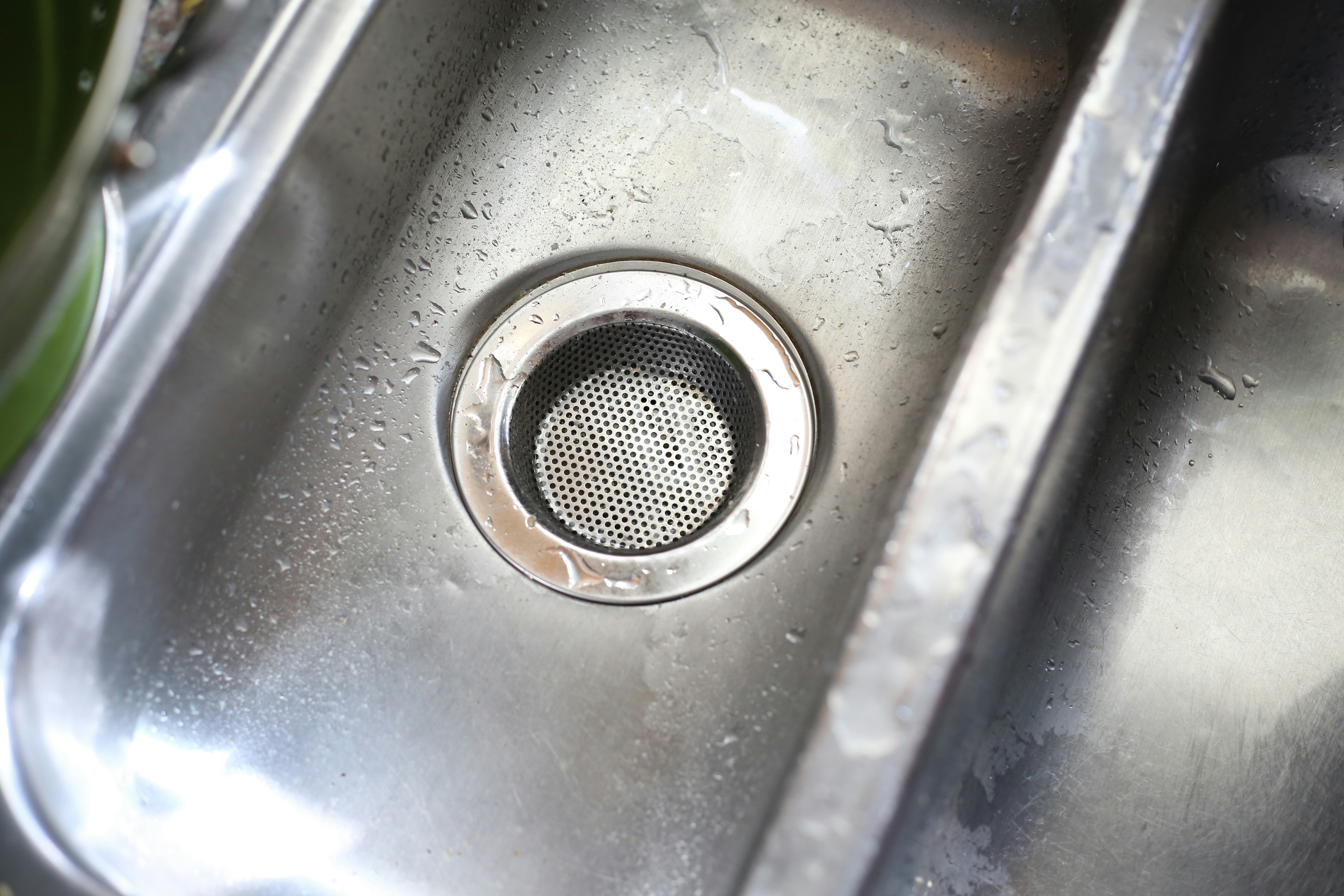
- Strainers: A well-made basket strainer that fits securely and catches food debris effectively is essential. Look for deep baskets that are easy to remove and clean.
- Other Accessories: Custom-fit cutting boards, colanders, and roll-up drying racks can transform your sink into a versatile workstation, adding significant functionality to your kitchen.
Frequently Asked Questions (FAQ)
1. Is an 18-gauge stainless steel sink good enough for a residential kitchen? Yes, for most households, an 18-gauge sink is an excellent choice. It offers a great balance of durability, performance, and affordability. While a 16-gauge sink is thicker and more resistant to dents and noise, an 18-gauge sink is still of high quality and perfectly suitable for daily residential use.
2. Do I really need a cUPC certified sink? If you live in North America, yes. The cUPC certification ensures the product complies with the plumbing codes in both the US and Canada. Licensed plumbers are often required to install certified products, and using a non-certified sink could cause you to fail a home inspection. It’s a crucial mark of safety and regulatory compliance.
3. What's the easiest way to check if a sink is made from high-quality stainless steel? Besides checking for certifications (like ASTM A240) and specifications (Grade 304 or 316), a simple trick is to use a magnet. High-quality austenitic stainless steel (from the 300 series) has very low magnetic properties. If a magnet sticks firmly to the sink, it's likely made of a lower-quality, less corrosion-resistant grade of steel.
4. How is SGS different from ISO certification? ISO 9001 is a certification for a manufacturer's quality management system, meaning their processes are standardized to produce consistent quality. SGS, on the other hand, is a company that provides third-party inspection and testing services for the physical product itself. An SGS report can verify a sink’s material grade, dimensions, and construction quality, while an ISO certification verifies the quality of the factory's operational processes. The two are complementary and together provide a strong assurance of overall quality.
Conclusion
By understanding the various ISO and SGS standards, alongside other crucial certifications, we can make informed decisions when selecting a stainless steel sink for our homes or businesses. These regulations and third-party assessments are not just bureaucratic hurdles; they are safeguards that ensure the products we use are safe, durable, and environmentally responsible.
Therefore, the next time you're in the market for a stainless steel sink, remember to look for these certifications. They are your assurance of quality, a testament to a manufacturer's commitment to excellence, and ultimately, a smart investment in a product that will serve you well for years to come. Making informed choices benefits us all.