How We Build It: Inside Samsink's Foshan & Bangkok Factories
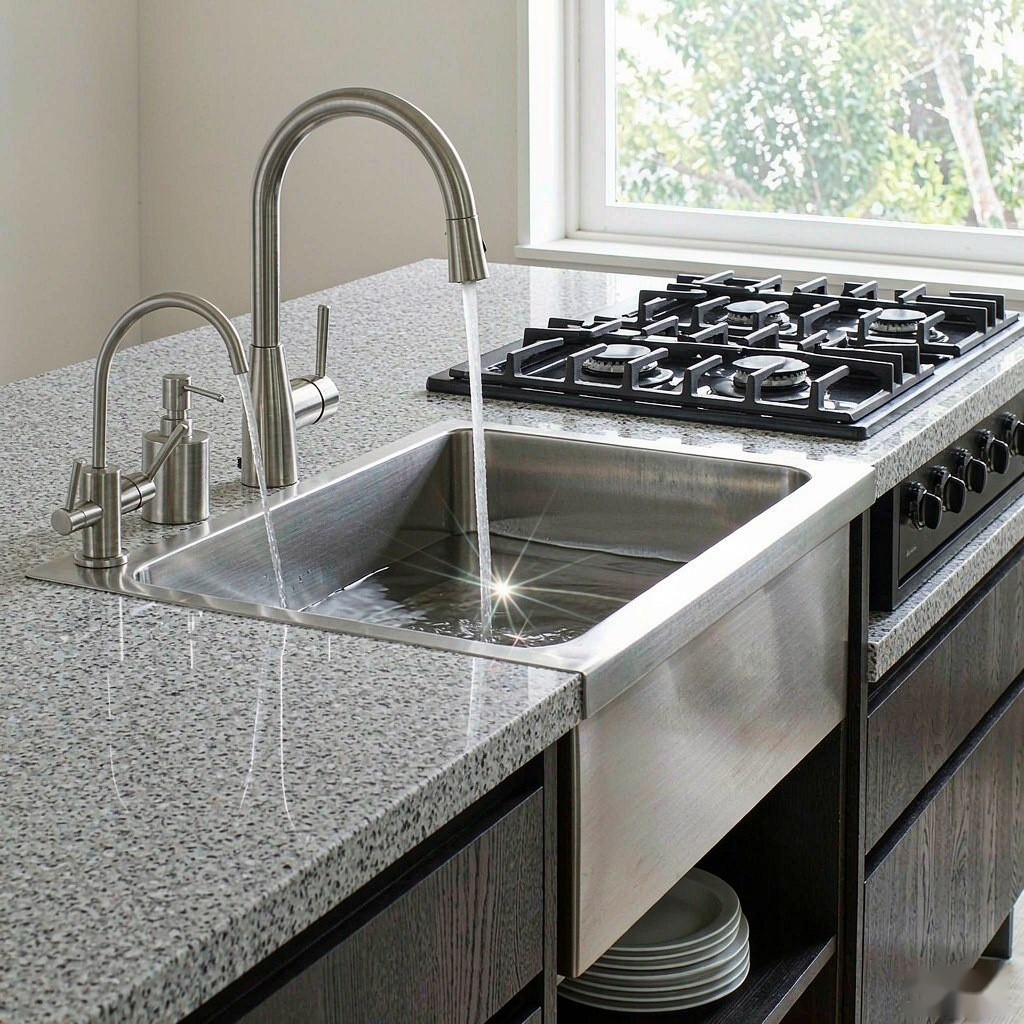
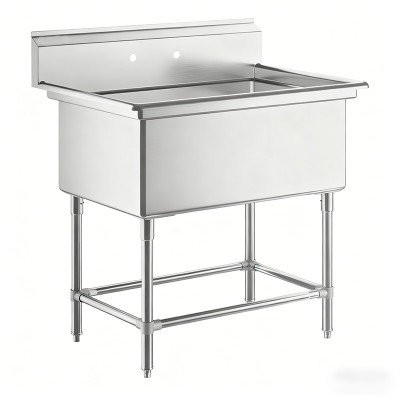
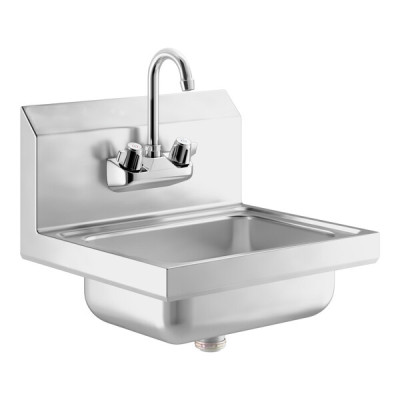
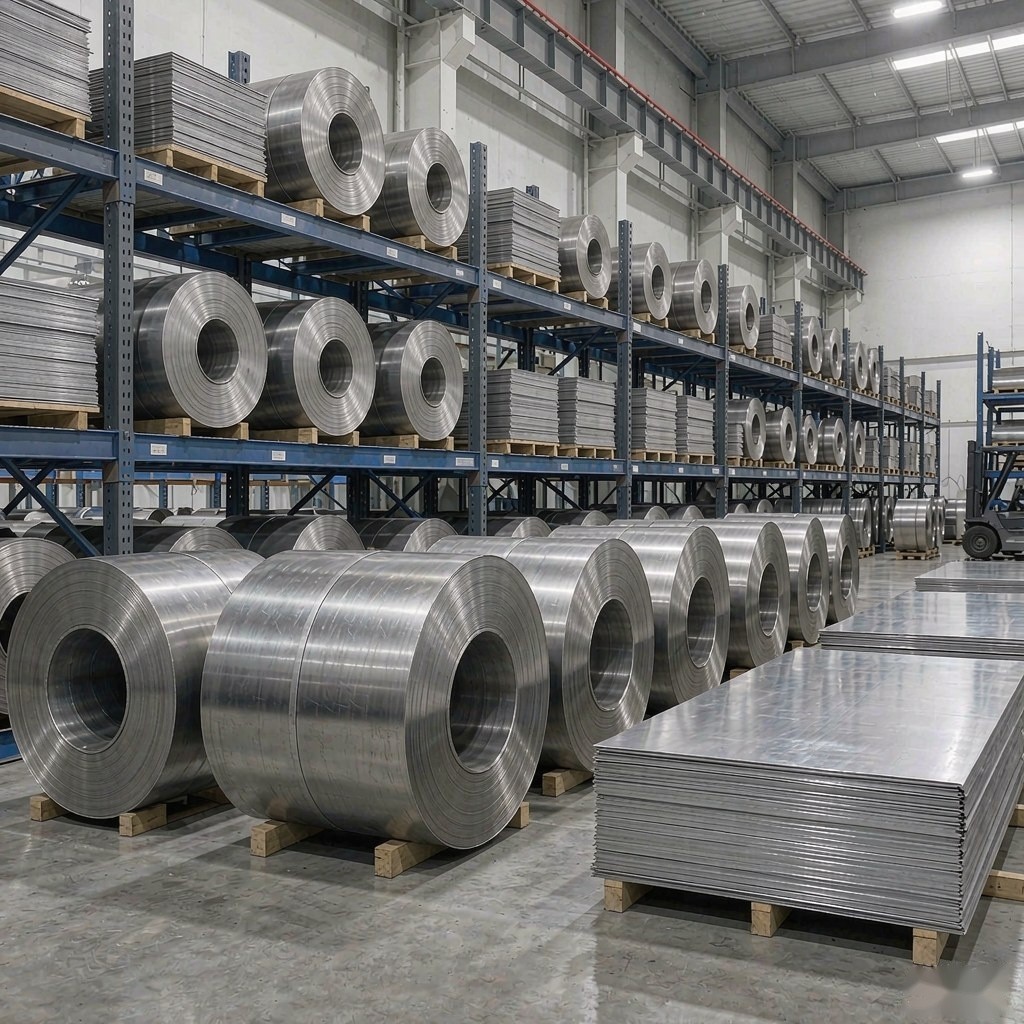
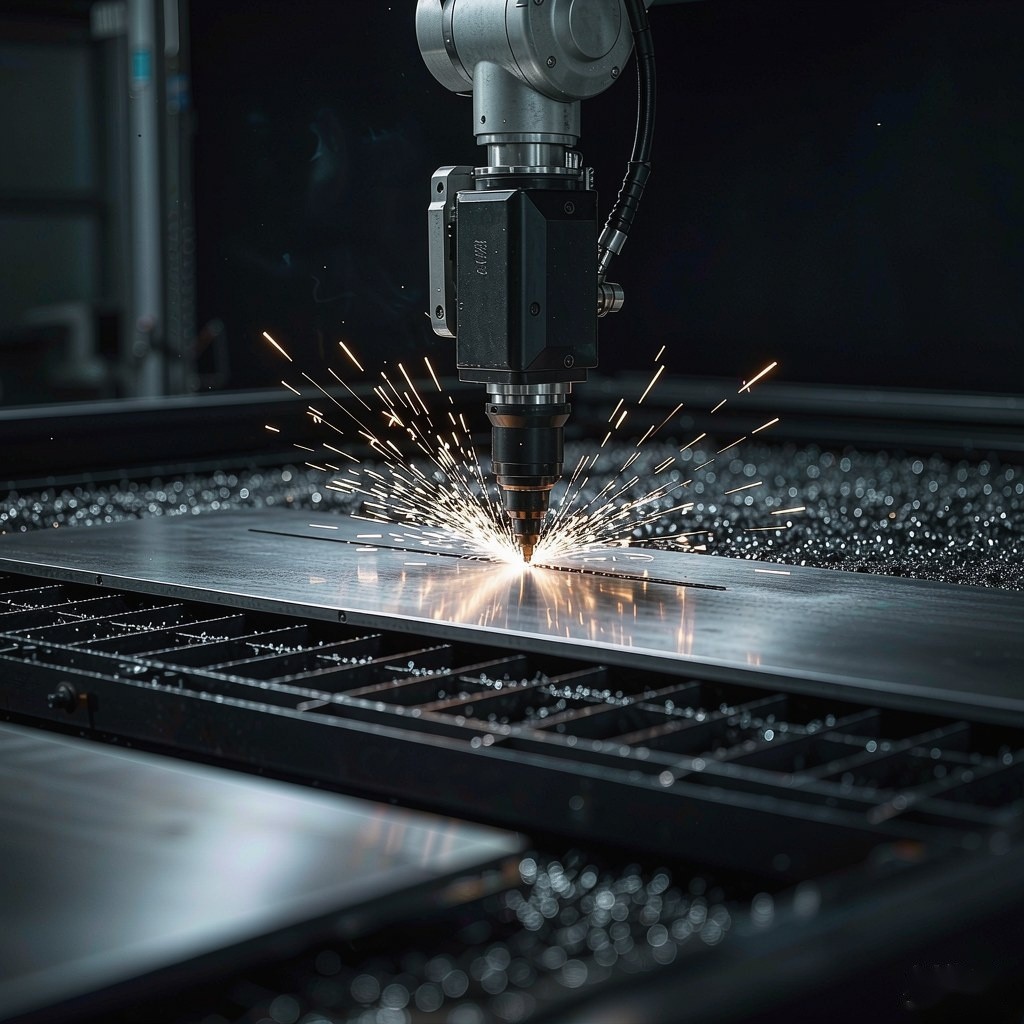
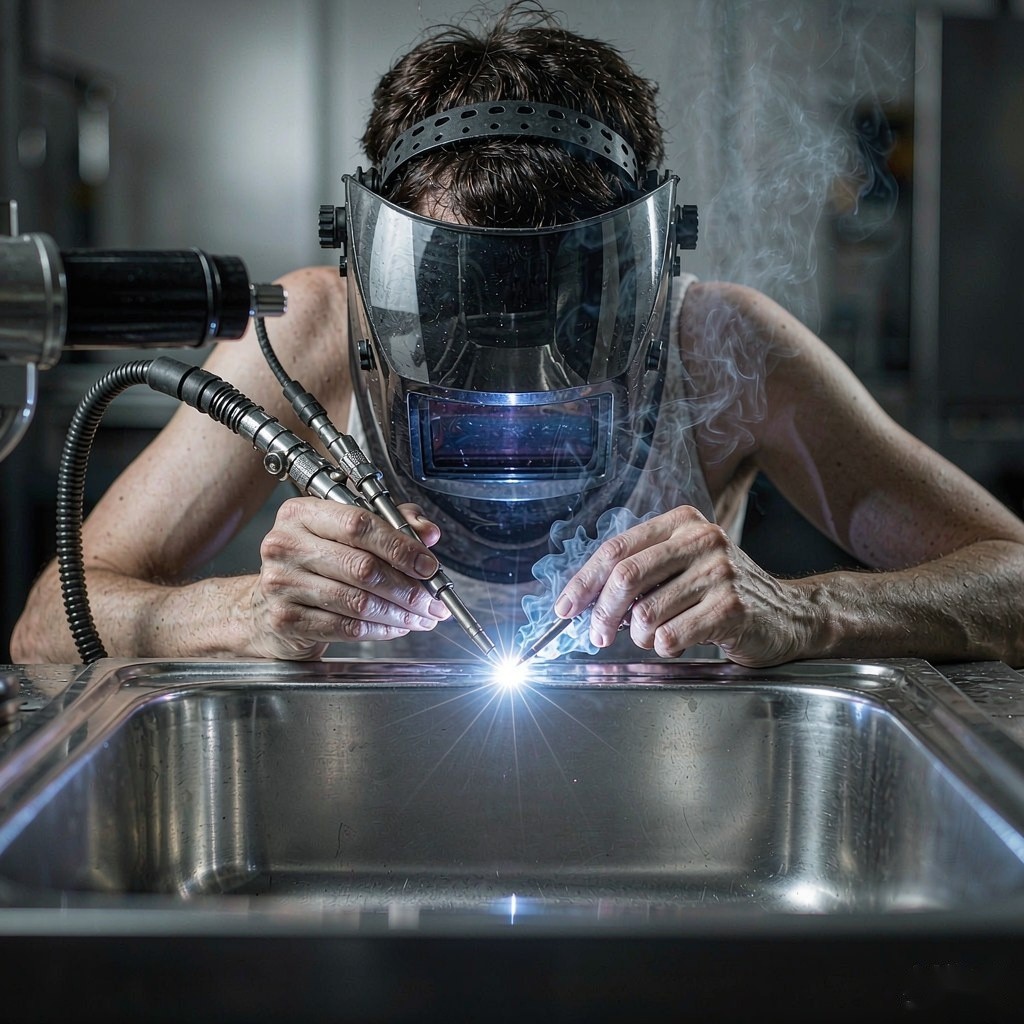
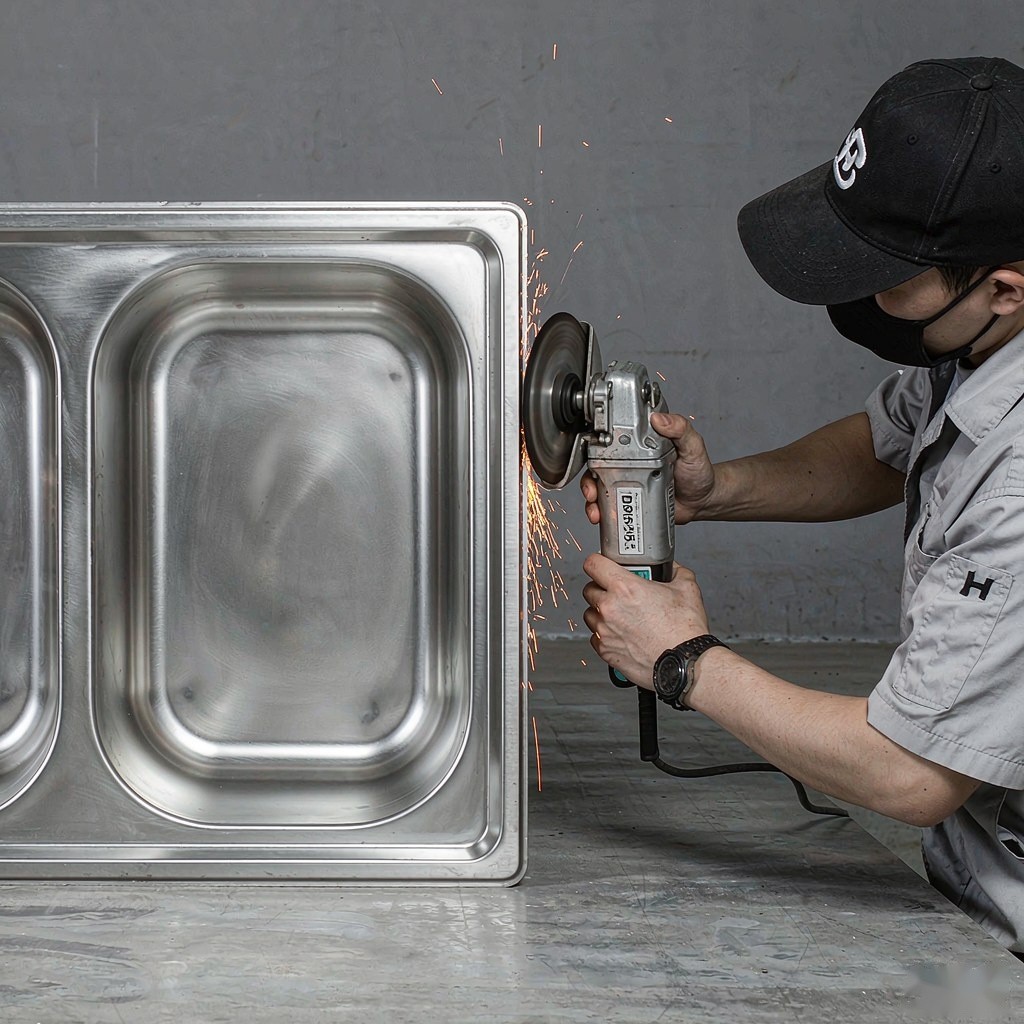
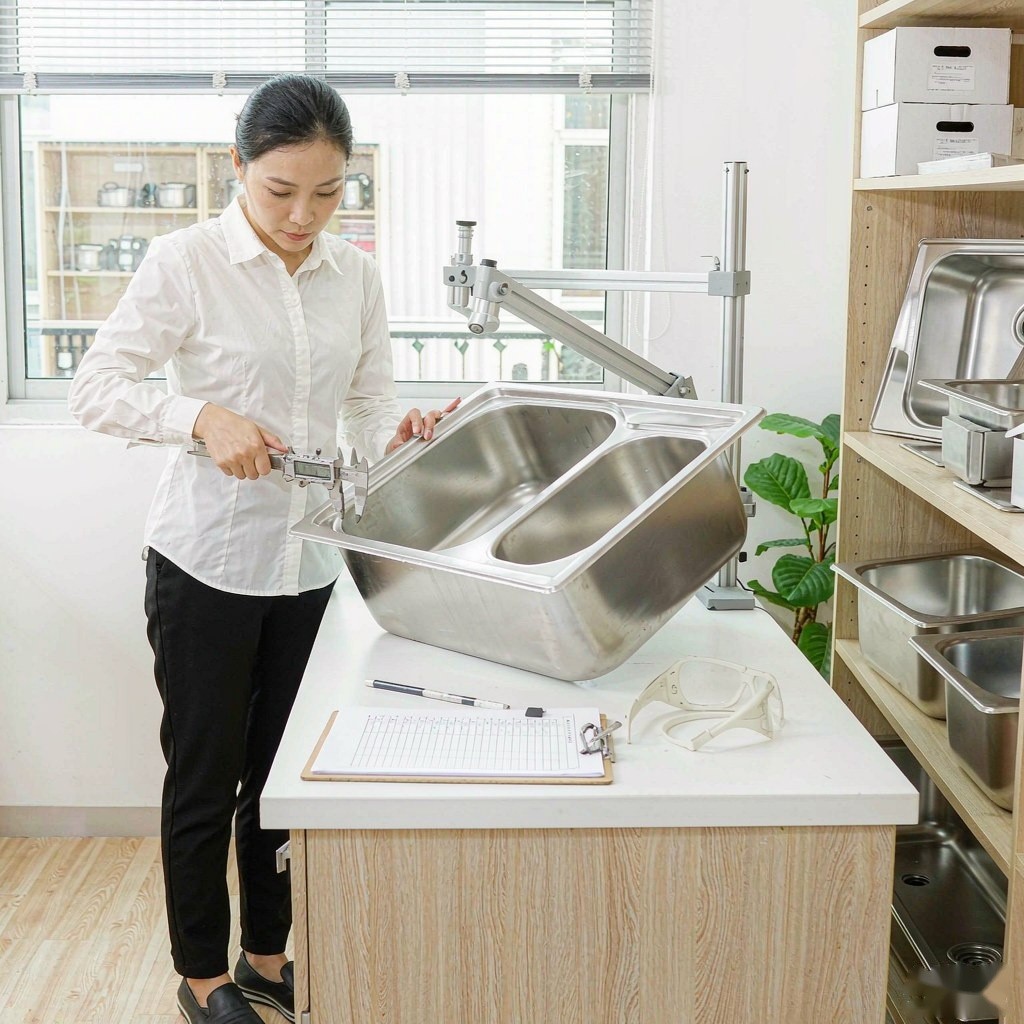
Most buyers see the finished product: a gleaming stainless steel sink, ready to drop into a countertop. But the quality of that sink was decided long before it reached a showroom. It was decided in the steel coil, in the press die, in the welding arc, and in the inspection bench. This guide takes you inside the two production bases behind the Samsink brand: the original plant in Foshan, China, founded in 1995, and the second facility in Bangkok, Thailand, commissioned in 2018. We walk through every step of how a stainless steel sink is built, tested, and shipped, so you know exactly what you are paying for. Samsink was founded in 1995 in Foshan, Guangdong Province, one of China's oldest and largest stainless steel manufacturing hubs. What started as a focused workshop has grown into a company with two production bases, eight production lines, and a monthly capacity of more than 100,000 units. In 2018, the company opened KmanKitchenware (Thailand) Co., Ltd. in Samut Prakan, near Bangkok, to serve Southeast Asian and global customers with faster lead times and a stronger regional supply chain. Every sink begins as a cold-rolled stainless steel coil. Samsink works almost exclusively with T304 and T316 grades. T304 contains roughly 18% chromium and 8% nickel, giving excellent corrosion resistance and formability for daily kitchen use. T316 adds molybdenum, which sharply improves resistance to chlorides and chemicals, making it the right choice for coastal kitchens, food-service environments, and harsh water conditions. Sheet thickness is selected by application: 0.8-1.2 mm for residential sinks, and 1.2-1.5 mm for commercial-grade models that must resist denting and thermal warping. Before a single sheet is cut, the incoming coil is checked for chemical composition, surface defects, and hardness (typically HRB 80-90), and third-party material certificates are verified. Weak steel cannot be fixed later by polishing, so this gate is non-negotiable. Once the material is approved, a CNC laser cutter trims the coil into precision blanks with an accuracy of about ±0.1 mm. Cutting accuracy matters more than it looks: an uneven blank produces welding gaps and bowl distortion further down the line. The blank then moves to a hydraulic press. Deep drawing is the most technically demanding step in sink production: presses of 800-1,200 tons form the flat sheet into a three-dimensional bowl, and deep models are drawn in stages. The first draw achieves most of the depth, a finish draw completes the geometry, and a precisely controlled drawing speed plus professional lubricants prevent thinning or tearing at the corners. Samsink's dies are designed and maintained in-house; each die set is built for a service life of more than 100,000 cycles, which is how 500+ in-house molds cover everything from standard single bowls to irregular custom shapes. Double-bowl sinks, drainboards, and overflow structures are joined with TIG (tungsten inert gas) welding. TIG produces clean seams with minimal spatter, but the critical control is heat input: too much heat burns the chromium oxide layer and creates a corrosion weak point. Skilled welders keep the heat-affected zone narrow, then grind the seam flush until the joint is invisible to the eye and the fingertip. A badly welded sink may look fine on a showroom floor and fail years later at the seam, which is exactly why this stage is handled by experienced operators, not automated shortcuts. After forming and welding, the sink moves to the finishing line. Polishing follows a multi-grit progression: coarse abrasives remove drawing marks and weld artifacts, medium grit establishes the brush direction, and fine grit produces the final satin or mirror finish, targeting a surface roughness of about Ra 0.4-0.8 µm. The hairline direction must run consistently across the bowl and deck, because inconsistent brushing reads as rushed workmanship under kitchen lighting. Beyond classic finishes, Samsink applies PVD color coatings and its NanoGuard series, a nano-silver ion antibacterial surface that inhibits more than 99% of bacteria growth while keeping the stainless steel corrosion and scratch resistance intact. Fingerprint-free nano coatings are also available for busy household kitchens. Quality control is not a final step at Samsink; it is woven through the process. Incoming material is certified before production. During forming, depth and wall-thickness uniformity are monitored with batch sampling. After assembly, every sink is dimensionally verified, leak-tested (water and air pressure), and surface-inspected for scratches, dents, and blemishes. Finished batches receive a final 20% random inspection with a documented report, and the line maintains a qualification rate above 99.5%. The Bangkok facility was commissioned in 2018 to bring manufacturing closer to Southeast Asian markets and to give global buyers a second, independent supply option. The two plants complement each other rather than duplicate each other: For buyers, a second base is not a marketing story; it is supply-chain insurance. If one plant is at full capacity or a region faces logistics disruption, the other keeps your order moving under the same quality standard. Samsink is built around OEM and ODM customization, with a minimum order quantity of just 5 units. The typical journey looks like this: Design intake. You share drawings, dimensions, or simply an idea; the engineering team confirms feasibility and material grade (304 or 316). Tooling. If no existing mold fits, a new die is developed in-house; mold development and sampling typically take 4-8 weeks. Sampling. Pre-production samples are checked for dimensions, finish, drainage geometry, and fit, before mass production starts. Production and finishing. Semi-finished stock plus on-demand surface processing keeps standard orders around 30 days, and hand-made custom sinks can ship in as little as 15 days. Packing and export. Sinks are protected with foam, desiccant, and rust-proof packaging designed for sea freight, with your brand laser-engraved if required. Not every "factory" is a factory, and not every factory tour tells the same story. Based on three decades of running our own plants, here is what we suggest checking on any sourcing visit: Samsink operates two production bases: Foshan, Guangdong, China (established 1995), and Samut Prakan near Bangkok, Thailand (established 2018 as KmanKitchenware (Thailand) Co., Ltd.). We manufacture with T304 and T316 grades, choosing thickness and alloy based on the application: 0.8-1.2 mm for residential and 1.2-1.5 mm for commercial sinks. Our MOQ starts at just 5 units, which makes custom stainless steel sinks accessible for small brands and pilot projects, not only large distributors. Standard production runs about 30 days; hand-made custom sinks can ship in as little as 15 days. New mold development and sampling add roughly 4-8 weeks. Yes. Our products carry cUPC and NSF/ANSI certifications, and the factories operate under ISO 9001, with documented inspection reports per batch. Choosing a sink supplier is really choosing everything that happens behind the scenes: the steel grade, the weld quality, the inspection discipline, and the resilience of the supply chain. If you are planning a kitchen project, a commercial fit-out, or a private-label line, start with a conversation instead of a catalog. Browse our product catalog to see what we manufacture, read more buying guides to sharpen your sourcing checklist, or send us your drawings for a free quote. You can also learn more about the company behind the sinks on our About Us page, and reach the team directly through the contact page.From a Single Workshop in Foshan to Two Factories in Two Countries
It Starts with the Steel: 304, 316, and the Inspection Behind It
Cutting and Deep Drawing: How a Flat Sheet Becomes a Bowl
Welding: The Joints That Decide How Long a Sink Lasts
Surface Finish: From Brushed Hairline to Nano Antibacterial
Quality Control: Tested at Every Stage, Not Just at the End
Foshan vs. Bangkok: Why Two Production Bases Beat One
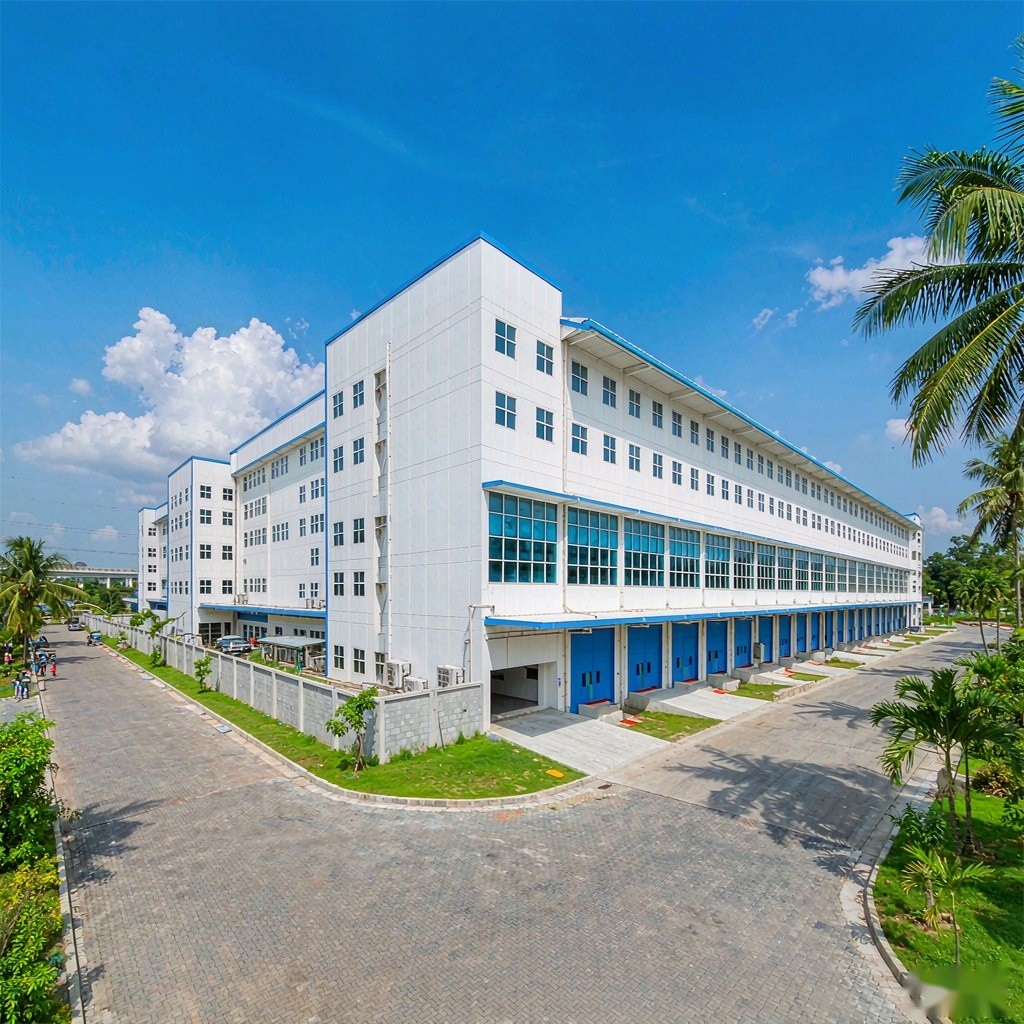
Factor Foshan, China (since 1995) Bangkok, Thailand (since 2018) Strength Deep mold library, mature R&D, 500+ in-house molds Regional logistics hub, fast SEA delivery, tariff advantages Capability Full range: residential, commercial, architectural, specialty Stainless steel sink production for global and SEA clients Lead time Standard 30 days; hand-made custom from 15 days Regional stock and on-demand finishing options From Your Drawing to a Shipped Container: How OEM/ODM Works
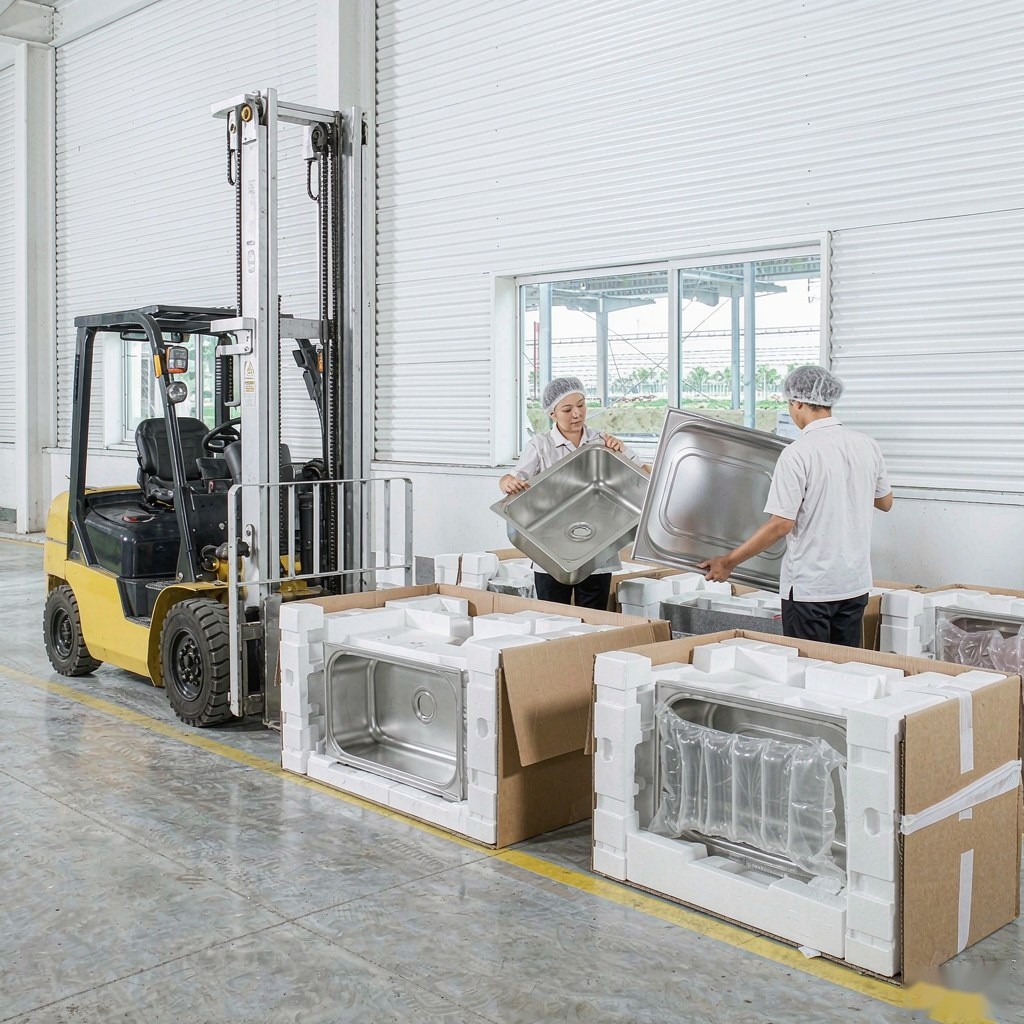
What Buyers Should Look for When Visiting a Sink Factory
Frequently Asked Questions About Samsink's Factories
Where are Samsink's factories located?
What stainless steel grades do you use?
What is the minimum order quantity?
How long does a custom sink order take?
Can you meet North American certification requirements?