Stainless Steel Commercial Bathroom Sinks Explained: Durability, Installation, and Care
Have you ever wondered what makes certain commercial bathroom sinks stand the test of time while maintaining immaculate hygiene? We're diving deep into the world of stainless steel commercial bathroom sinks, exploring why they are the undisputed champion for demanding environments. These fixtures are more than just a place to wash hands; they are a critical component of a facility's overall health, safety, and operational efficiency. In settings like bustling restaurants, high-traffic public restrooms, hospitals, and schools, the choice of a sink can have long-lasting implications on maintenance costs, sanitation standards, and user experience.
Join us as we uncover the vital aspects of durability, essential installation considerations, and the straightforward care routines that make stainless steel commercial bathroom sinks the optimal choice for businesses prioritizing longevity, sanitation, and sustainability. From the specific grades of steel to the design innovations that prevent bacterial growth, this comprehensive guide will provide you with the expert knowledge needed to make an informed investment. For those seeking the pinnacle of quality, exploring options from a trusted manufacturer like Samsink can ensure you acquire a product engineered for excellence.
The Unmatched Durability and Resilience of Stainless Steel Commercial Bathroom Sinks
When it comes to selecting fixtures for high-use commercial restrooms, durability is not just a feature—it's a fundamental requirement. Stainless steel stands out as the premier material, engineered to withstand the relentless demands of public and commercial environments. Its inherent strength, combined with specific manufacturing techniques, results in a product that offers unparalleled resilience and longevity, far surpassing traditional materials like porcelain.
Material Science: Why Stainless Steel Excels
The exceptional durability of stainless steel is not accidental; it is a direct result of its specific metallurgical composition and the science behind its creation. Understanding these properties reveals why it consistently outperforms other materials in settings that demand strength and longevity.
The inherent strength of heavy-gauge stainless steel
The term "gauge" in the context of stainless steel refers to its thickness, and it's a critical factor in a sink's durability. In a counterintuitive system, a lower gauge number signifies thicker, stronger steel. While a residential kitchen sink might use 18-gauge steel, commercial environments demand much more robust materials. Generally, commercial sinks are constructed from 14 or 16-gauge stainless steel. A 16-gauge sink is thicker and more resistant to dents, scratches, and bowing from heavy impacts than an 18-gauge one. This added thickness is essential in environments like restaurant kitchens, schools, or industrial facilities where heavy pots, equipment, and constant use can easily damage a lesser sink. For the most demanding, high-volume applications, 14-gauge steel offers the highest level of durability, making it an ideal choice for heavy-duty use.
Chromium's role in rust and corrosion resistance
The "stainless" quality of stainless steel is primarily due to its chromium content. Steel, an alloy of iron, is naturally prone to rust (iron oxide) when exposed to oxygen and moisture. However, when at least 10.5% chromium is added to the alloy, it fundamentally changes the material's properties. The chromium reacts with oxygen in the air to form a thin, invisible, and incredibly stable layer of chromium oxide on the steel's surface. This "passive layer" acts as a protective shield, preventing oxygen and corrosive substances from reaching the iron beneath, thus stopping rust and corrosion before they can start. What makes this shield particularly effective is its self-healing nature; if the surface is scratched or damaged, the exposed chromium will immediately react with oxygen to reform the protective layer. This property is vital in commercial settings where sinks are constantly exposed to water, cleaning chemicals, and acidic substances.
Understanding grades like 304 stainless steel for superior performance
Not all stainless steel is created equal. The specific composition, or "grade," determines its performance characteristics. For commercial sinks, Type 304 stainless steel is the industry gold standard. Often referred to as "18/8 stainless steel," Type 304 is composed of approximately 18% chromium and 8% nickel. This specific blend provides an excellent balance of corrosion resistance, durability, formability, and ease of cleaning.
The 18% chromium content ensures superior rust and corrosion resistance, while the 8% nickel content enhances the steel's strength, toughness, and stability, especially at varying temperatures. This makes 304 stainless steel exceptionally reliable for use in food processing, hospitals, and laboratories, where it must withstand not only constant moisture but also a wide range of chemicals and sanitizing solutions.
While other grades exist, such as Type 316, which includes molybdenum for enhanced resistance to chlorides and salts (making it ideal for marine or highly chemical-exposed environments), 304 stainless steel offers the most effective and cost-efficient performance for the vast majority of commercial bathroom applications. It provides the assurance that the sink will not crack, chip, or rust, making it a sound long-term investment.
Engineered for Tough Environments
Beyond the raw material, the manufacturing and design of a stainless steel sink are critical to its ability to perform in demanding commercial spaces. High-quality sinks are not simply pressed into shape; they are meticulously engineered with features that reinforce their structure and extend their operational life.
Thicker materials and reinforced designs for extended lifespan
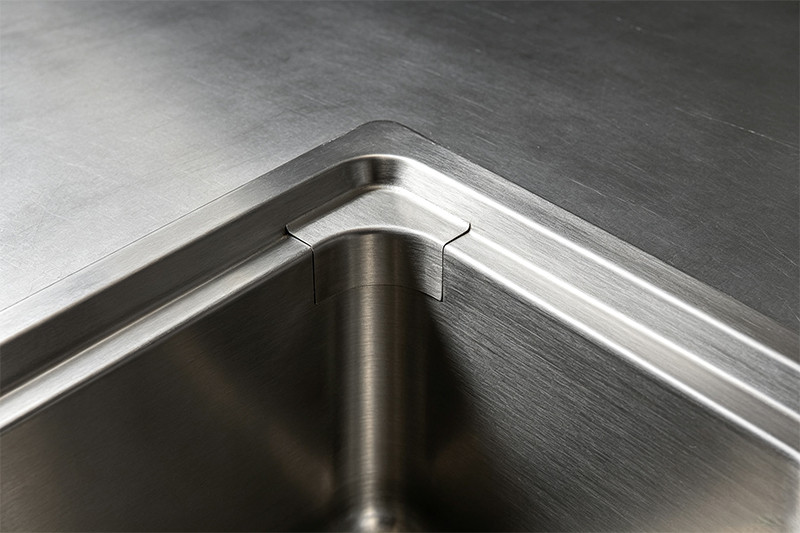
As established, the use of heavy-gauge (14 or 16-gauge) stainless steel is the first step in creating a sink built for endurance. This thickness provides the foundational strength needed to resist dents and impacts. Manufacturers of premium commercial sinks, such as Samsink, further enhance this durability with reinforced corners and edges. These areas are often the most vulnerable to damage from dropped items or collisions. By adding extra material or using specialized construction techniques, these weak points are fortified, preventing chipping and ensuring the sink maintains its structural integrity over years of hard use.
Withstanding high traffic and heavy use in commercial spaces
Commercial bathroom sinks in places like airports, stadiums, and schools face relentless use. They are subjected to everything from frequent handwashing and aggressive cleaning protocols to accidental impacts and even vandalism. Stainless steel's inherent toughness makes it the ideal material for these high-traffic environments. Unlike porcelain or composite materials that can easily chip, crack, or stain, a well-constructed stainless steel sink can absorb significant abuse without failing. Its metallic nature provides a degree of ductility, allowing it to dent under extreme force rather than shatter, which is a crucial safety and maintenance advantage. This resilience minimizes the need for costly replacements and reduces operational downtime.
Seamless welds ensuring structural integrity and preventing weak points
The way a sink is joined together is just as important as the material itself. High-quality commercial sinks often feature seamless or finely finished welds. Welding is the process of fusing separate pieces of metal together, and if done poorly, the seam can become a weak point prone to corrosion and structural failure. Advanced techniques like laser welding create an extremely clean, strong, and smooth seam that is visually undetectable and structurally sound.
Seamless construction offers several advantages:
- Structural Integrity: A seamless design eliminates the inherent stress point that a welded joint creates, resulting in a stronger, more durable product that can handle higher pressure and stress.
- Corrosion Resistance: The area around a weld (the heat-affected zone) can sometimes be more susceptible to corrosion. A seamless or perfectly passivated weld minimizes this risk.
- Hygiene: Smooth, seamless surfaces are easier to clean and sanitize, as there are no crevices or joints where bacteria and grime can accumulate. This is a critical factor in maintaining hygiene standards.
By investing in sinks with superior welding and seamless construction, facility managers ensure a product that is not only stronger but also safer and more hygienic for public use.
Beyond Breakage: Why Porcelain Can't Compete with Stainless Steel Commercial Bathroom Sinks
For decades, porcelain was a common choice for bathroom fixtures. However, in a commercial context, its limitations become glaringly apparent when compared to the robust performance of stainless steel.
The fragility of traditional materials in commercial settings
Porcelain, which is essentially a type of ceramic, is a brittle material. While it may suffice in a residential setting, it is ill-suited for the rigors of a commercial environment. A dropped tool, a carelessly handled cleaning cart, or even an act of vandalism can easily cause a porcelain sink to chip, crack, or shatter completely. Such damage is not only unsightly but also creates immediate safety hazards from sharp edges and renders the sink unusable, leading to costly and urgent repairs. Furthermore, once the protective glaze on a porcelain sink is compromised by a chip or scratch, the porous ceramic underneath can absorb moisture and bacteria, becoming a hygiene risk that is impossible to properly sanitize.
Stainless steel as the virtually indestructible choice for institutional use
In stark contrast, stainless steel is a virtually indestructible material. Its strength and resilience make it the definitive choice for institutional settings like hospitals, correctional facilities, and schools, where durability is non-negotiable. A stainless steel sink can withstand heavy impacts and abuse that would destroy a porcelain fixture. If it dents, it remains fully functional and watertight. This incredible toughness translates directly into a lower total cost of ownership by drastically reducing replacement and maintenance expenses over the sink's lifespan. For any facility that prioritizes operational reliability and long-term value, the choice is clear: stainless steel provides a level of durability that traditional materials simply cannot match.
Optimizing Hygiene and Sanitation with Stainless Steel Commercial Bathroom Sinks
In any public or commercial setting, hygiene is paramount. The restroom, in particular, is a critical area for controlling the spread of germs. Stainless steel sinks are not just durable; their material properties and design features make them the superior choice for promoting a clean and sanitary environment. By minimizing bacterial growth and simplifying cleaning protocols, they play a vital role in public health and safety.
The Non-Porous Advantage for Bacterial Control
The secret to stainless steel's hygienic superiority lies in its surface structure. Unlike other materials that may appear smooth to the naked eye, stainless steel is exceptionally non-porous at a microscopic level.
How a non-porous surface prevents germ accumulation
Porous materials like ceramic, granite, or even some plastics have microscopic pits and crevices where moisture, grime, and microorganisms can become trapped. Once embedded, these contaminants are difficult to remove completely, creating a breeding ground for bacteria, mold, and viruses. In contrast, stainless steel has a dense, uniform surface that gives germs nowhere to hide. Bacteria cannot penetrate the material, and without a place to anchor, they are easily washed away. This passive resistance to bacterial adhesion is a fundamental reason why stainless steel is the mandated material in sterile environments like hospitals and food processing plants.
The ease of cleaning and disinfection for superior hygiene
Because contaminants remain on the surface, cleaning a stainless steel sink is remarkably simple and effective. A basic cleaning routine often involves just mild soap or baking soda and water. The smooth surface allows sponges and cloths to glide effortlessly, removing dirt without the need for harsh, abrasive scouring that can damage other materials.
For disinfection, stainless steel is compatible with a wide range of hospital-grade sanitizers and cleaners without risk of damage or degradation. This ensures that facilities can meet stringent health codes and infection control protocols. The ability to quickly and thoroughly clean and disinfect the sink surface is essential for preventing cross-contamination and protecting public health.
Design Innovations for a Cleaner Environment
Modern commercial stainless steel sinks incorporate thoughtful design elements that further enhance their hygienic properties, making them even easier to maintain.
Smooth surfaces and rounded edges for effortless cleaning
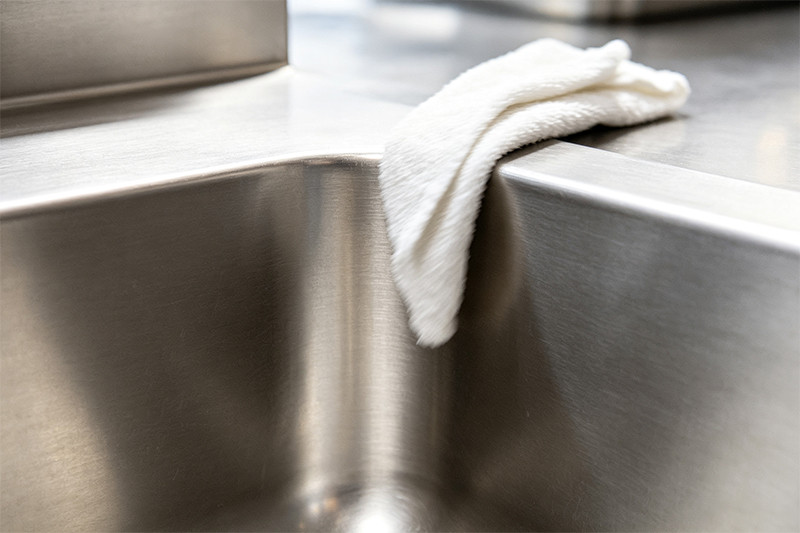
High-quality commercial sinks are designed to eliminate areas where bacteria can collect. This is achieved through features like coved (rounded) internal corners and smoothly polished surfaces. Traditional sinks with sharp, 90-degree corners are notoriously difficult to clean, as dirt and grime get trapped in the seams. In contrast, rounded corners allow a cleaning cloth or sponge to reach every part of the sink basin, ensuring a complete and thorough cleaning with minimal effort. This design principle is often a requirement for NSF (National Sanitation Foundation) certified sinks used in food service, as it is critical for preventing bacterial growth.
Integrating touchless options: sensor faucets and foot controls
The most significant point of cross-contamination in a handwashing station is often the faucet handles. A person touches the handle with dirty hands to turn the water on, and then must touch it again with clean hands to turn it off, potentially re-contaminating them. Touchless technology solves this problem entirely.
- Sensor Faucets: These faucets use an infrared sensor to detect the presence of hands, automatically turning the water on and off. This hands-free operation eliminates a key vector for germ transmission and is now a standard feature in public restrooms, hospitals, and restaurants for improving sanitation.
- Foot or Knee Controls: Commonly found in surgical scrub sinks and food preparation areas, these mechanisms allow users to control the water flow with a pedal or push-panel, keeping hands completely free and sterile.
By integrating touchless controls, facilities can dramatically reduce the spread of germs and improve overall hygiene for everyone.
Meeting Industry-Specific Hygiene Demands with Stainless Steel Commercial Bathroom Sinks
In certain industries, hygiene is not just a best practice—it is a strict regulatory requirement. The unique properties of stainless steel make it the only viable choice for these critical applications.
Critical applications in healthcare facilities and laboratories
In hospitals, surgical centers, and laboratories, preventing hospital-acquired infections (HAIs) is a top priority. Stainless steel is the universal material for fixtures in these environments, from surgical scrub sinks to instrument washing stations. Its non-porous surface is essential for preventing the colonization of dangerous pathogens. Furthermore, its ability to withstand aggressive and frequent sanitation with powerful chemical disinfectants ensures that sterility can be maintained without degrading the equipment. Medical-grade sinks, like those offered by Samsink, are specifically engineered to meet these exacting infection control standards.
Ensuring food safety and hygiene in food service operations
The food service industry operates under strict health codes designed to prevent foodborne illnesses. Stainless steel is the required material for nearly all food-contact surfaces, including preparation tables and, most importantly, sinks. Sinks are used for everything from handwashing to cleaning produce and washing utensils. A multi-compartment stainless steel sink allows staff to follow the proper wash, rinse, and sanitize procedure, which is a cornerstone of food safety. The material's non-porous and easy-to-clean nature ensures that bacteria from raw foods cannot linger and cross-contaminate other items. Sinks certified by the NSF confirm that the design (including features like coved corners) and materials are safe for use in commercial kitchens.
Choosing and Customizing Stainless Steel Commercial Bathroom Sinks for Your Specific Needs
One of the greatest strengths of stainless steel is its versatility. Commercial bathroom sinks made from this material are not one-size-fits-all. They are available in a vast range of configurations and can be customized with specific features and accessories to meet the unique demands of any space, workflow, or aesthetic vision. This adaptability ensures that you can find or create the perfect sink solution for your facility.
Variety in Configuration and Functionality
Commercial sinks are designed to serve different purposes, from simple handwashing to more complex cleaning tasks. The configuration of the sink—specifically the number and size of its basins—is the primary determinant of its functionality.
Exploring single basin, double basin, and dedicated handwashing sink options
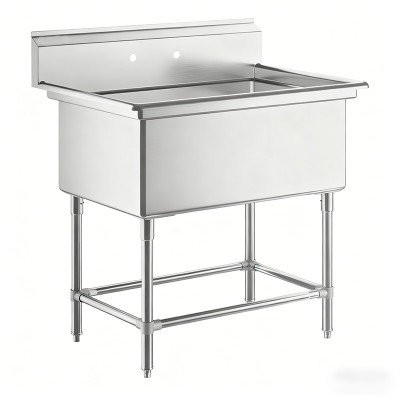
- Single Basin Sinks: These sinks feature one large, open basin. Their main advantage is the ample space they provide, which is ideal for washing larger items. In a restroom context, a large single trough-style sink can accommodate multiple users at once, which is efficient for high-traffic areas like stadiums or event venues. Single basin sinks are also a good choice for smaller kitchens or utility closets where space is limited.
- Double Basin Sinks: A double bowl sink offers enhanced multitasking capabilities. This configuration allows for the separation of tasks, which is crucial for hygiene and workflow efficiency. For example, one side can be used for soaking dirty items while the other remains free for active washing or rinsing. This separation helps prevent cross-contamination, such as keeping a basin for handwashing separate from one used for cleaning equipment. While they take up more counter space, their functional benefits are often indispensable in busy commercial kitchens or healthcare settings.
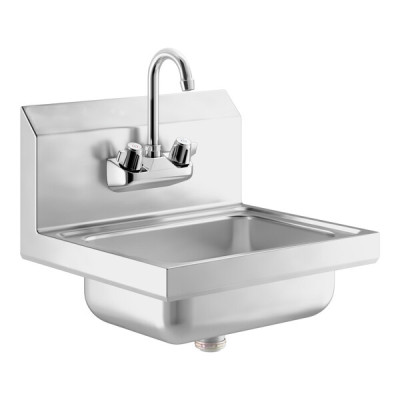
- Dedicated Handwashing Sinks: These are typically smaller, compact units designed exclusively for hand hygiene. They are often required by health codes to be placed in specific locations, such as near food preparation areas or at the entrance to restrooms, to ensure employees can wash their hands conveniently and frequently.
Adapting to different space requirements and workflow demands
The choice between a single or double basin sink often comes down to balancing available space with the required workflow. A small café might only need a compact single basin sink for occasional use, whereas a bustling restaurant kitchen will almost certainly require a multi-compartment sink to handle the constant flow of dishes and food prep. High-quality manufacturers like Samsink offer fast customization services, allowing businesses to order handmade sinks tailored to their exact dimensional and functional needs, ensuring a perfect fit for any commercial space.
| Sink Configuration | Best For | Key Advantages |
|---|---|---|
| Single Basin | High-traffic restrooms, small spaces, washing large items. | Large uninterrupted space, can accommodate multiple users (trough style). |
| Double Basin | Multitasking, separating clean/dirty tasks, hygiene control. | Improved workflow, reduces cross-contamination risk. |
| Handwashing Sink | Dedicated hygiene stations, compliance with health codes. | Compact size, promotes frequent handwashing. |
Tailoring Your Stainless Steel Commercial Bathroom Sinks with Custom Options
Beyond the basic basin configuration, a commercial sink can be extensively customized to enhance its functionality and integration into the workspace. Reputable manufacturers provide a wide array of options to create a truly bespoke solution.
Faucet and drain configurations
The placement and type of faucets and drains can be tailored to specific needs. Sinks can be ordered with pre-drilled holes to accommodate deck-mounted faucets, or left without holes for wall-mounted options. Custom drain locations—such as rear corner or offset drains—can optimize the usable space within the sink basin and align with existing plumbing layouts for easier installation. Some providers even offer modifications for lever-twist drains and overflow kits for added versatility.
Adding essential accessories: backsplashes and drainboards
- Backsplashes: An integrated backsplash is a vertical panel that extends up the wall behind the sink. Its primary function is to protect the wall from water splashes, preventing moisture damage, mold growth, and deterioration. This is a crucial feature for maintaining a hygienic and structurally sound environment.
- Drainboards: Drainboards are sloped surfaces integrated into one or both sides of the sink. They provide a dedicated space for air-drying dishes, produce, or utensils. The sloped design channels all excess water directly back into the sink basin, keeping countertops dry, clean, and protected from water damage. This feature streamlines workflow and enhances overall cleanliness.
By adding these accessories, a simple sink is transformed into a complete, efficient work station tailored to the needs of the environment.
Aesthetic Appeal and Modern Design for Stainless Steel Commercial Bathroom Sinks
While celebrated for its utilitarian benefits, stainless steel also offers significant aesthetic appeal. Its clean, modern look complements a wide range of commercial interior designs, and recent innovations in finishes and coatings have expanded the design possibilities even further.
Modern finish options to complement any commercial restroom
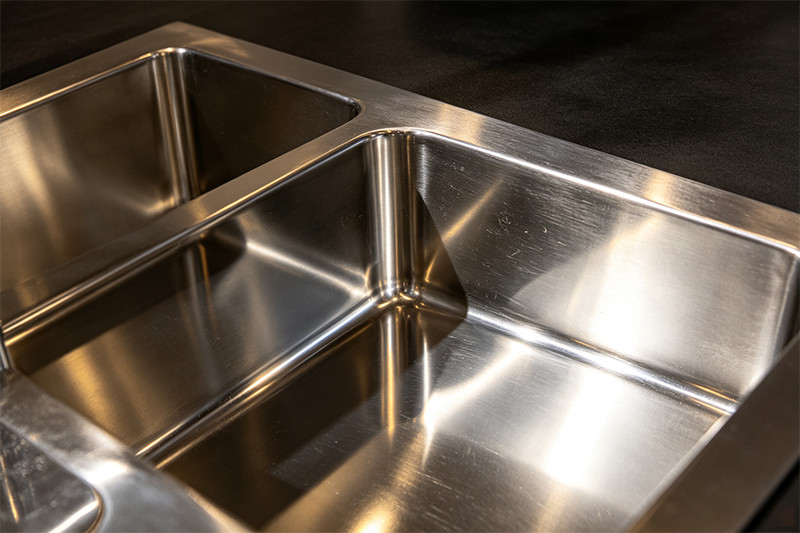
Stainless steel sinks are available in several finishes, each offering a distinct look and feel:
- Brushed Finish: This is the most common and popular finish, featuring a non-reflective surface with fine parallel lines. It is excellent at hiding minor scratches, fingerprints, and water spots, making it a practical and low-maintenance choice for busy commercial environments.
- Satin Finish: Offering a balance between brushed and polished looks, a satin finish has a smooth, soft luster that is elegant and easy to clean.
- Polished/Mirror Finish: This highly reflective, mirror-like finish provides a striking and luxurious appearance. While visually impressive, it requires more maintenance as it shows fingerprints and scratches more easily, making it better suited for lower-traffic or accent applications.
- Matte Finish: A matte finish offers a contemporary, non-reflective look that can add a touch of modern sophistication to a restroom's design.
Custom colors and graphics through powder coating for bespoke designs
For those seeking to move beyond the traditional metallic look, stainless steel sinks can be customized with color through a process called powder coating. This technique involves applying a dry powder electrostatically and then baking it in an oven, which melts the powder into a smooth, hard, and durable finish. This process can add a unique design element, allowing the sink to match brand colors or a specific interior design palette.
Another advanced coloring method is Physical Vapor Deposition (PVD). This process creates a molecular bond between a colored coating and the stainless steel, resulting in an exceptionally durable and wear-resistant finish that won't chip or peel like traditional paint. Originally developed for military applications, PVD offers a high-end, long-lasting color solution for luxury and design-forward commercial spaces. These customization options prove that functionality and high design can coexist, making stainless steel a versatile choice for any vision.
Mastering the Installation and Care of Stainless Steel Commercial Bathroom Sinks
A high-quality stainless steel sink is a significant investment in your facility's functionality and hygiene. To maximize this investment, it's crucial to ensure it is installed correctly and maintained properly. Proper installation guarantees compliance with legal standards and optimal performance, while a consistent care routine will preserve the sink's appearance and hygienic properties for decades.
Navigating Commercial Sink Installation Requirements
Installing a commercial sink is more complex than a residential one. It involves adherence to a web of local and national codes designed to ensure public health, safety, and accessibility.
Plumbing and clearance considerations for optimal function
Correct plumbing is the foundation of a functional sink. This includes ensuring adequate water pressure, proper drainage slopes (typically a minimum of 1/4 inch per foot) to prevent standing water, and correctly installed traps to block sewer gases. Clearance is also critical; there must be enough space around and under the sink to allow for comfortable use, cleaning, and maintenance access. For commercial kitchens, sinks must be sufficiently large to fully immerse the largest pots and pans used in the facility.
Understanding code compliance: NSF/ANSI, IPC/UPC, and ADA guidelines
Several key standards govern commercial sink installation in the United States, and compliance is mandatory.
- NSF/ANSI 2: This is the primary standard for food equipment, including sinks used in commercial kitchens. It dictates material requirements (like the use of corrosion-resistant 304 stainless steel), design features (such as smooth surfaces and coved corners for easy cleaning), and construction quality to ensure the sink is hygienic and durable.
- IPC/UPC: The International Plumbing Code (IPC) and Uniform Plumbing Code (UPC) are model codes that govern plumbing systems. Local jurisdictions adopt one of these, often with amendments. These codes detail requirements for everything from pipe materials and drain sizes to venting and backflow prevention to ensure the system is safe and effective.
- ADA Guidelines: The Americans with Disabilities Act (ADA) sets standards for accessibility. For sinks, this includes specific requirements for height, clearance, and faucet operation to ensure they are usable by individuals in wheelchairs. Key ADA requirements for a sink include:
- A maximum rim height of 34 inches from the floor.
- Knee clearance of at least 27 inches high and 30 inches wide underneath the sink.
- A clear floor space of 30x48 inches in front of the sink for approach.
- Faucets that can be operated with one hand and less than 5 lbs of force, without tight grasping or twisting.
Key elements: air gaps, grease traps, drainage, and venting
- Air Gaps & Backflow Prevention: An air gap is a physical separation between a water outlet and the sink's flood level, which is the most effective way to prevent backflow—a dangerous situation where contaminated water could be siphoned back into the clean water supply. Plumbing codes mandate backflow prevention on all commercial fixtures.
- Grease Traps: Commercial kitchens that produce fats, oils, and grease (FOG) are required by law to install a grease trap (or a larger, outdoor grease interceptor). This device is installed in the drainage line to capture FOG before it enters the sewer system, where it can cause severe blockages. Grease traps must be sized according to the kitchen's output and regularly maintained.
- Drainage and Venting: Proper drainage relies on adequate venting. Vents allow air into the drain lines, preventing a vacuum from forming that would otherwise slow or stop drainage and could siphon water from P-traps, allowing sewer gases to enter the building.
Best Practices for Long-Term Care and Maintenance of Stainless Steel Commercial Bathroom Sinks
One of the most significant advantages of stainless steel is its ease of maintenance. A simple, consistent cleaning routine is all that is needed to keep your sink looking pristine and hygienic for years.
Simple daily cleaning routines for maintaining shine and hygiene
The best practice for stainless steel care is to clean it regularly rather than waiting for heavy buildup.
- Rinse and Dry: After each use, or at the end of the day, thoroughly rinse the sink with warm water to remove any soap residue or debris. Then, wipe the sink dry with a soft microfiber cloth. This is the single most effective step to prevent water spots and mineral deposits from forming, especially in areas with hard water.
- Gentle Cleaning: For daily cleaning, use a mild detergent or dish soap with a soft sponge or cloth. Always scrub in the direction of the steel's grain or polish lines to avoid creating visible micro-scratches. A paste of baking soda and water can be used as a gentle abrasive for more stubborn grime.
Tips for preventing water spots and corrosion
- Prevent Water Spots: As mentioned, drying the sink after use is the best prevention. If hard water spots (calcium deposits) do appear, they can often be removed by applying a solution of white vinegar and water, letting it sit for a few minutes, then rinsing and drying.
- Prevent Corrosion and Rust: While high-quality 304 stainless steel is highly resistant to rust, surface rust spots can occasionally appear. This is almost never from the sink itself, but from external iron particles left on the surface, such as from steel wool pads or metal cans left in the sink. Never use steel wool for cleaning; always use synthetic, non-abrasive pads. Also, avoid letting harsh chemicals like bleach or cleaners containing chlorides sit on the surface for extended periods, as they can damage the passive layer and lead to corrosion.
Addressing common issues and ensuring longevity
- Scratches: Scratches are an inevitable part of use in any sink material. Mild scratches can often be blended into the sink's finish using a stainless steel cleaner like Bar Keepers Friend or by gently rubbing with a non-abrasive pad in the direction of the grain. Over time, small scratches tend to blend together, creating a unique patina. Sink grids can be used to protect the bottom of the basin from heavy impacts.
- Stains: Most stains are caused by mineral deposits or food residue left on the surface. Regular cleaning will prevent them. If stains from acidic foods or chemicals occur, a baking soda paste can often lift them.
- Lingering Odors: If a sink begins to have persistent odors despite cleaning, it may indicate that bacteria are trapped in microscopic cracks or compromised seams, which could be a sign that an older, lower-quality sink is nearing the end of its life.
By following these installation and care guidelines, you ensure your stainless steel commercial bathroom sink will deliver on its promise of durability, hygiene, and lasting value.
Why Invest in High-Quality Stainless Steel Commercial Bathroom Sinks?
Choosing a commercial bathroom sink is a decision that extends far beyond initial cost and appearance. Opting for a high-quality stainless steel sink represents a strategic investment in the long-term value, safety, and sustainability of your facility. The upfront cost is quickly offset by significant savings in maintenance, repairs, and replacement, making it the most financially prudent choice for any discerning business or institution.
Long-Term Value and Reduced Costs
The superior durability of heavy-gauge, Type 304 stainless steel directly translates into tangible financial benefits over the life of the product.
Minimizing replacement and maintenance expenses through durability
Fixtures in commercial restrooms are subjected to intense wear and tear. Materials like porcelain or composites are prone to chipping, cracking, and staining, often leading to a cycle of frequent and costly replacement. A high-quality stainless steel sink, by contrast, is engineered to last for decades. Its resistance to impact, corrosion, and stains means it will not need to be replaced due to damage. This exceptional longevity eliminates the recurring capital expense of purchasing new fixtures, providing a far superior return on investment.
The financial benefits of preventing downtime and repairs
When a sink breaks, the costs are not limited to the replacement part itself. A broken sink can lead to operational downtime, which is especially disruptive in a business like a restaurant or hotel. It may require closing a restroom, leading to customer inconvenience and a negative perception of your establishment. Furthermore, emergency repairs often come at a premium. The virtual indestructibility of a stainless steel sink prevents these scenarios, ensuring uninterrupted service and predictable, minimal maintenance costs. The peace of mind that comes from knowing your fixtures are reliable is invaluable.
Commitment to Sustainability and Environmental Responsibility
In today's world, making environmentally conscious choices is more important than ever. Stainless steel is an inherently sustainable material, aligning your business with responsible environmental practices.
The eco-friendly advantage of 100% recyclable stainless steel
Stainless steel is one of the most recycled materials on the planet. It is 100% recyclable and retains its original properties without any degradation, meaning it can be repurposed into new, high-quality products indefinitely. Choosing stainless steel supports a circular economy, reduces the demand for virgin raw materials, and diverts significant waste from landfills. This makes it an exemplary choice for projects seeking LEED or BREEAM green building certifications.
Manufacturing processes designed for minimal environmental impact
Reputable manufacturers are increasingly adopting production methods that minimize environmental impact. These processes often involve using a high percentage of recycled content in the new steel, conserving natural resources and reducing the energy required for production. By selecting a sink from a manufacturer committed to sustainable practices, you are not only acquiring a durable product but also supporting a healthier planet.
Excellence in Craftsmanship and Customer Satisfaction
The quality of a commercial sink is ultimately a reflection of the manufacturer that stands behind it. Partnering with a trusted brand ensures you receive a product built with expertise, precision, and a commitment to excellence.
Choosing reputable manufacturers like Samsink for assured quality
Established manufacturers with a long history of excellence, such as Samsink, bring decades of engineering expertise to their products. With 30 years of experience, they have perfected the art of creating sinks that meet the highest standards of durability, hygiene, and design. They use premium materials like certified Type 304 and 316 stainless steel, employ advanced welding techniques for structural integrity, and offer robust customization options. When you choose a reputable brand, you are investing in a product that has been rigorously tested and is guaranteed to perform.
The peace of mind that comes with superior products and support
Investing in a high-quality sink from a trusted supplier provides more than just a durable fixture; it provides peace of mind. You can be confident that the product will meet all regulatory compliance, withstand the rigors of your environment, and be backed by reliable customer support. This assurance allows you to focus on your core business, knowing that your facility's essential fixtures are built to last.
Ready to elevate your commercial space with a sink that embodies durability and hygiene? Explore the premium collection of stainless steel sinks from Samsink today and make an investment that pays dividends in quality and reliability for years to come.
Key Takeaways
To ensure your commercial facility is equipped with fixtures that offer the best in durability, hygiene, and long-term value, it's essential to understand the core benefits of high-quality stainless steel sinks. This section distills the most critical information from our comprehensive guide into actionable points, helping you make an informed decision that will serve your business for years to come.
1. Durability is Defined by Material and Construction:
- Gauge Matters: The thickness of the steel, or its gauge, is the primary indicator of strength. For commercial use, always opt for a lower gauge number, which signifies thicker steel. 14 or 16-gauge is the standard for commercial applications, providing superior resistance to dents, impacts, and warping compared to the thinner 18-gauge or higher steel found in residential sinks.
- Grade 304 is the Gold Standard: The type of stainless steel is crucial. Type 304, also known as "18/8" for its composition of 18% chromium and 8% nickel, offers the ideal balance of corrosion resistance, strength, and longevity for most commercial environments. The chromium creates a self-healing passive layer that prevents rust, while the nickel adds toughness and durability.
- Superior Construction: Look for sinks with seamless welds and reinforced corners. These design features eliminate weak points, enhance structural integrity, and prevent the accumulation of bacteria in hard-to-clean crevices.
2. Hygiene is a Built-In Advantage:
- Non-Porous Surface: Stainless steel's greatest hygienic benefit is its non-porous surface. Unlike materials like porcelain or stone, it has no microscopic holes for bacteria, mold, or germs to hide in. This makes it incredibly easy to clean and sanitize effectively.
- Hygienic Design: Modern commercial sinks are engineered for cleanliness. Features like coved (rounded) corners and smooth finishes prevent grime buildup. Pairing these sinks with touchless faucets (sensor or foot-pedal operated) drastically reduces cross-contamination by eliminating a key touchpoint.
- Industry Compliance: Stainless steel is the mandated material for sterile environments like healthcare facilities and food service operations. Its ability to withstand aggressive disinfectants and prevent bacterial growth is essential for meeting strict health and safety codes, such as those set by the NSF.
3. Installation and Care are Crucial for Longevity:
- Code Compliance is Non-Negotiable: Commercial sink installation must adhere to a complex set of regulations, including local plumbing codes (IPC/UPC), accessibility standards (ADA), and sanitation standards (NSF). This involves specific requirements for drainage, venting, backflow prevention, and accessibility clearances. Partnering with a knowledgeable professional is essential.
- Essential Plumbing Components: Key installation elements like grease traps (for kitchens), proper air gaps for backflow prevention, and adequate venting are required for safe and efficient operation. Failure to comply can lead to inspection failures and costly rework.
- Simple Maintenance is Key: The best way to maintain a stainless steel sink is through simple, regular cleaning. Rinsing thoroughly and wiping the sink dry with a soft cloth after use is the most effective way to prevent water spots and mineral buildup. For cleaning, use mild soap and water or a baking soda paste, and always scrub in the direction of the steel's grain. Avoid harsh abrasives like steel wool and caustic chemicals like bleach.
4. It's a Smart Investment:
- Long-Term Value: While the initial cost may be higher than for sinks made from other materials, stainless steel offers a significantly lower total cost of ownership. Its extreme durability minimizes the need for costly repairs and replacements, preventing operational downtime and protecting your investment.
- Sustainability: Stainless steel is an environmentally responsible choice. It is 100% recyclable without any loss of quality and often contains a high percentage of recycled material, supporting a circular economy.
- Customization and Aesthetics: Stainless steel is not just functional; it's also aesthetically versatile. With various finishes (brushed, satin, polished) and custom options like powder coating or PVD for color, it can be tailored to fit any modern design scheme. Accessories like integrated drainboards and backsplashes further enhance its functionality.
By prioritizing these key aspects, you can confidently select a stainless steel commercial sink from a reputable manufacturer like Samsink that will serve as a durable, hygienic, and valuable asset to your facility.
Frequently Asked Questions (FAQ)
Q1: What is the best gauge for a commercial stainless steel bathroom sink?
A: The best gauge depends on the expected level of use. For most commercial applications, 16-gauge stainless steel is the recommended standard. It is significantly thicker and more durable than the 18-gauge steel commonly used in residential settings, offering excellent resistance to dents and heavy use. For extremely demanding environments like high-volume institutional kitchens, industrial facilities, or areas prone to vandalism, 14-gauge steel provides the maximum level of durability and is the most robust option available.
Q2: What is the difference between 304 and 316 stainless steel, and which do I need?
A: The primary difference is in their chemical composition and corrosion resistance. Type 304 stainless steel (18% chromium, 8% nickel) is the industry standard for most commercial applications, including restaurants, schools, and general public restrooms. It offers excellent resistance to rust and corrosion from water and common cleaning agents. Type 316 stainless steel contains the same elements as 304 but adds molybdenum (typically 2-3%). This addition provides superior resistance to corrosion from chlorides, salts, and harsh industrial acids. You should choose Type 316 for sinks in highly corrosive environments, such as coastal or marine locations, laboratories with aggressive chemicals, or facilities that use chloride-based sanitizers. For most other commercial bathroom uses, Type 304 provides the perfect balance of performance and cost-effectiveness.
Q3: How do I clean a stainless steel sink and prevent water spots?
A: The best cleaning method is simple and regular.
- Daily: Use a soft cloth or sponge with mild dish soap and warm water. Always scrub in the direction of the metal's grain to avoid creating visible scratches.
- To Prevent Water Spots: The most effective method is to rinse the sink thoroughly after each use and wipe it completely dry with a microfiber cloth. Water spots are simply mineral deposits left behind as water evaporates. By drying the sink, you prevent these deposits from forming.
- For Deep Cleaning or Stains: Make a paste of baking soda and water. Apply it to the sink, scrub gently with a soft sponge, and rinse thoroughly. For hard water buildup, spray the area with white vinegar, let it sit for a few minutes, then rinse and dry. Never use steel wool, abrasive scouring pads, or chlorine bleach, as they can scratch or corrode the surface.
Q4: Are scratches on a stainless steel sink permanent? How can I fix them?
A: Scratches are an inevitable part of normal use for any sink material. On stainless steel, they are not necessarily permanent and often become less noticeable over time. The finish will naturally develop a patina as fine scratches blend together. For minor scratches, you can use a non-abrasive cleaner like Bar Keepers Friend with a soft pad, rubbing gently in the direction of the grain. This can help "blend" the scratch into the surrounding finish. It is important to avoid creating a new pattern by scrubbing too hard or against the grain. For deep scratches, professional refinishing may be an option, but for most commercial settings, minor scratches are considered normal wear and do not affect the sink's functionality or hygiene.
Q5: Why is NSF certification important for a commercial sink?
A: NSF/ANSI 2 certification is a critical standard for equipment used in foodservice and other environments where public health is a concern. An NSF-certified sink has been independently tested and verified to meet strict standards for:
- Material Safety: The materials (like Type 304 stainless steel) are non-toxic and corrosion-resistant.
- Hygienic Design: The sink is designed to be easily and thoroughly cleaned. This includes features like smooth surfaces and coved (rounded) corners that prevent bacteria from getting trapped in crevices.
- Durability and Performance: The construction is robust enough to withstand the demands of a commercial environment. Health inspectors look for the NSF mark as proof that your equipment is safe and sanitary. Using NSF-certified sinks is often a requirement to pass health inspections and operate legally.
Q6: Can I get a stainless steel sink in a color other than silver?
A: Yes. While the classic metallic look is most common, there are options for adding color. The most durable method is Physical Vapor Deposition (PVD), a high-tech process that bonds a thin layer of ceramic-based material to the steel at a molecular level. This creates a very hard, wear-resistant finish in colors like gold, brass, copper, or black that won't chip or peel. A more common method is powder coating, where a colored powder is applied and then baked onto the steel. While it offers a wide range of colors, it is not as durable as PVD and may not be suitable for high-impact sink basins, as it can chip over time. Powder coating may be a better option for the exterior apron of a sink rather than the interior washing surface.
As we wrap up our exploration, it's clear that stainless steel commercial bathroom sinks are more than just fixtures; they are a critical investment in the health, safety, and operational efficiency of any commercial enterprise. Their unmatched durability resists the wear and tear of high-traffic environments, their non-porous and easy-to-clean surface is fundamental to maintaining hygiene, and their inherent recyclability underscores a commitment to sustainability.
We encourage you to consider the multifaceted benefits of stainless steel when selecting your next commercial bathroom sink solution, ensuring a choice that promises durability, unparalleled hygiene, and sustainable value for years to come. By choosing a high-quality product from a trusted expert like Samsink, you are not just buying a sink—you are investing in peace of mind. Feel free to share this guide with colleagues and partners, and let the superior qualities of stainless steel elevate the standard of your facility.