Stainless Steel Freestanding Utility Sinks Explained: Durability & Hygiene
As someone who values both efficiency and cleanliness, I recognize the crucial role specialized equipment plays in demanding environments. Today, I'm excited to share insights into the world of stainless steel freestanding utility sinks—the robust solution for diverse operational needs. Join me as we explore why these essential fixtures are unmatched in delivering durability and hygiene, making them a wise investment for any workspace.
Key Takeaways
- Functionality Defines Utility: A utility sink is specifically designed for heavy-duty and messy tasks that are unsuitable for standard kitchen or bathroom sinks, such as cleaning large equipment, rinsing mops, or washing tools. Its purpose is to contain messes and handle jobs that would damage conventional fixtures.
- Freestanding for Flexibility: The primary advantage of a freestanding design is placement versatility. Since they are self-supporting and don't require wall mounting or custom cabinetry, they can be installed anywhere with plumbing access, making them ideal for garages, workshops, and commercial spaces.
- Stainless Steel is the Gold Standard: For commercial and heavy-use environments, stainless steel is the preferred material due to its exceptional durability, resistance to corrosion and rust, and hygienic properties. Its non-porous surface prevents bacterial growth and is easy to sanitize, which is critical for meeting health standards.
- Gauge Determines Strength: The thickness of the stainless steel, known as its gauge, is a key indicator of durability. Lower gauge numbers mean thicker, stronger steel. While 18-gauge is suitable for lighter tasks, 16-gauge is the industry standard for most commercial applications, offering a balance of strength and value. Heavier gauges like 14, 12, and 10 provide progressively greater resistance to dents and damage in high-impact settings.
- Hygiene-Focused Design: Features like rounded (coved) corners and integrated drainboards are not just for aesthetics; they are crucial for maintaining sanitation. Rounded corners eliminate crevices where bacteria can grow, making cleaning faster and more effective, a feature often required to meet NSF (National Sanitation Foundation) certification standards.
- A Strategic Investment: While a high-quality stainless steel utility sink may have a higher initial cost, it represents a long-term investment in operational efficiency and safety. Its durability reduces replacement and repair costs, and its hygienic design ensures compliance with health codes, preventing costly violations and protecting public health.
Exploring the Essential Functions of a Stainless Steel Freestanding Utility Sink
When setting up a functional workspace, whether it’s a bustling commercial kitchen, a high-traffic laundry room, a garage, or a creative workshop, the fixtures you choose can make or break your efficiency. Among the most critical yet often overlooked pieces of equipment is the utility sink. But not just any utility sink will do. A stainless steel freestanding model offers a unique combination of resilience, flexibility, and sanitation that other types simply cannot match. Let's dive into what makes these workhorses so essential.
What Makes a Utility Sink "Utility"?
The term "utility" says it all. These sinks are designed for pure function and purpose, built to handle the jobs that are too big, too messy, or too harsh for your standard kitchen or bathroom sink. Their design is rooted in practicality, featuring deep basins and robust construction to manage demanding tasks with ease.
Handling the Heavy and the Messy Tasks
A utility sink is your dedicated station for messes. Think about tasks like washing greasy tools, cleaning paintbrushes caked with residue, rinsing muddy boots, bathing a pet, or pre-soaking heavily soiled laundry. These are jobs that could easily stain, scratch, or clog a conventional sink. Utility sinks, especially those made from stainless steel, are built to withstand harsh chemicals, abrasive materials, and the general grime of heavy-duty work. The deep basin, often 12 to 14 inches or more, is crucial for fully submerging large items like stockpots or mop buckets and preventing splashes from contaminating the surrounding area.
Critical for Commercial Hygiene and Efficiency
In commercial environments like restaurants, hospitals, and food processing plants, hygiene is not just a preference—it's a legal requirement. A commercial utility sink is a cornerstone of sanitation protocols. Health codes often mandate separate sinks for different tasks to prevent cross-contamination. For example, a three-compartment sink is a universal standard in commercial kitchens for the essential wash, rinse, and sanitize process required by health departments.
Using a dedicated, NSF-certified janitorial sink for tasks like filling mop buckets and disposing of wastewater is a core requirement for passing health inspections. Stainless steel is the material of choice in these settings precisely because its non-porous surface resists bacterial growth and can be easily and effectively sanitized, ensuring compliance and public safety.
The Versatility of Freestanding Designs
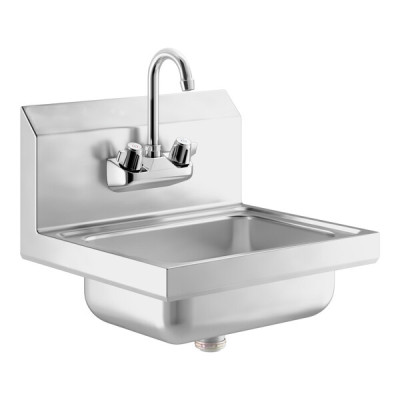
While utility sinks come in various installation types, including wall-mounted and drop-in models, the freestanding design offers unparalleled flexibility.
Flexible Placement and Accessibility
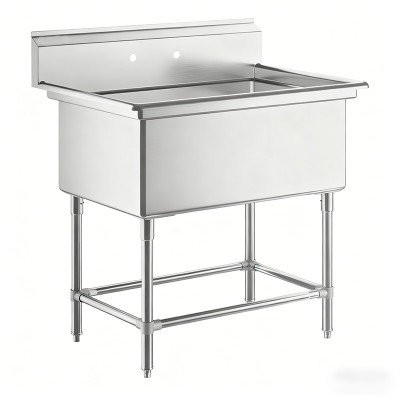
A freestanding utility sink is a self-contained unit that stands on its own legs or base, independent of any counters or walls for support. This is its greatest advantage. As long as you have access to plumbing lines, you can place it exactly where your workflow demands it. This adaptability makes it perfect for workshops, garages, basements, and laundry rooms where you might not have existing cabinetry. It also means the sink can be relocated if you ever need to reconfigure your space, a benefit not offered by built-in models. The installation is typically straightforward, often requiring just basic assembly and connection to the water supply and drain.
Considerations for Space and Stability
While the flexibility of a freestanding sink is a major plus, it's important to consider space and stability. Ensure you have adequate clearance around the sink for comfortable use and maintenance. Because the plumbing is often exposed, you'll need to plan for that visually and functionally.
Stability is paramount, especially when the sink will be holding large volumes of water or heavy equipment. A high-quality model like those from Samsink will be constructed with sturdy legs, often featuring adjustable, non-marring feet to ensure the sink is level and does not wobble on uneven floors. Cross-bracing between the legs is another key feature to look for, as it provides significant additional rigidity and ensures the sink remains stable during the most demanding tasks.
Why Stainless Steel Excels as the Material for Your Freestanding Utility Sink
The material of your utility sink is arguably the most critical factor influencing its performance and longevity. While options like cast iron, ceramic, and composites exist, stainless steel stands in a class of its own, particularly for demanding environments. Its combination of strength, hygiene, and lifecycle value makes it the undisputed champion for utility applications.
Unmatched Durability: Built to Last in Demanding Environments
Utility sinks are subjected to constant abuse. From heavy impacts and abrasive scrubbing to extreme temperatures and harsh chemicals, they need to be tough. This is where stainless steel truly shines.
Resistance to Harsh Conditions and Constant Use
Commercial kitchens and industrial settings are relentless. Equipment is exposed to high heat, moisture, and intense daily use. Stainless steel is renowned for its exceptional durability and ability to withstand these conditions without failing. It can handle impacts from heavy pots and tools that would chip or crack ceramic or composite sinks. Furthermore, it is highly resistant to temperature changes, easily coping with boiling water or hot pans without being damaged. With proper care, a quality stainless steel sink can last from 15 to 30 years, making it a sound long-term investment.
Corrosion, Rust, and Stain Resistance for Longevity
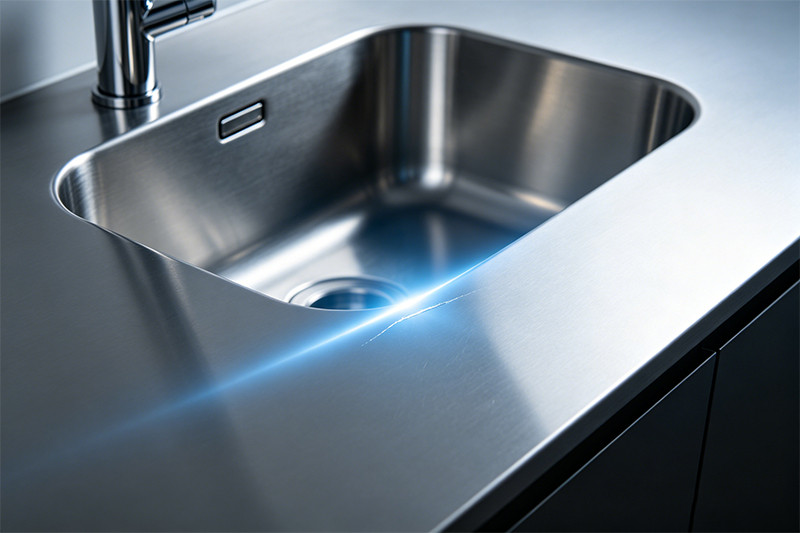
The name "stainless" comes from the steel's remarkable ability to resist corrosion, rust, and stains. This property is due to its chromium content, which, when exposed to oxygen, forms a thin, invisible, and passive chromium oxide layer on the surface. This protective film is self-repairing; if the surface is scratched, the film instantly reforms, preventing rust from taking hold.
The grade of stainless steel is important. The most common grade for quality sinks, known as Type 304, contains a high percentage of chromium and nickel (often referred to as 18/8), which provides excellent resistance to rust and a wide range of acids and chemicals found in foods and cleaners. This resilience ensures the sink maintains its integrity and appearance even after years of heavy use.
Superior Hygiene and Easy Maintenance for Sanitary Standards
In any environment where cleanliness is a priority—from a home laundry room to a professional healthcare facility—hygiene is non-negotiable. Stainless steel is the material of choice for industries where sanitation is critical for good reason.
Smooth, Non-Porous Surface Prevents Bacterial Growth
One of the greatest hygienic advantages of stainless steel is its smooth, non-porous surface. Unlike materials like wood or plastic, it has no microscopic pores or crevices where bacteria, dirt, and moisture can become trapped. This means germs have nowhere to hide and multiply, significantly reducing the risk of contamination. This property is why stainless steel is mandated in most commercial kitchens, hospitals, and labs, as it helps maintain a sterile environment and supports food safety regulations.
Simple Cleaning Routines for High Sanitary Requirements
The non-porous and smooth nature of stainless steel makes it incredibly easy to clean and sanitize. Most dirt and food residue can be wiped away with a simple solution of mild soap and water. For more thorough disinfection, the material can withstand harsh cleaning agents and high-temperature sanitizing without degrading or losing its protective properties.
A simple but effective cleaning routine involves:
- Rinsing the sink after each use to remove loose debris.
- For a deeper clean, sprinkle baking soda across the damp surface and scrub gently with a soft sponge in the direction of the steel's grain to avoid scratches.
- For tough stains or water spots, a paste of baking soda and vinegar can be used. The fizzing action helps lift grime without damaging the surface.
- Always rinse thoroughly and wipe the sink dry with a soft cloth to prevent water spots and mineral buildup, keeping it looking pristine.
This ease of maintenance not only saves time and effort in a busy environment but also ensures the sink can consistently meet the highest sanitary standards demanded by health codes and quality-conscious operations. The combination of durability and hygiene makes a stainless steel freestanding utility sink from a trusted brand like Samsink an invaluable asset.
Key Durability Factors for Selecting Your Ideal Stainless Steel Freestanding Utility Sink
When you invest in a stainless steel freestanding utility sink, you're investing in a piece of equipment designed to last. However, not all stainless steel sinks are created equal. The key to ensuring long-term durability and performance lies in understanding a few critical factors: the gauge of the steel, the specific grade of the material, and certain design features that enhance both strength and hygiene.
Understanding the Importance of Gauge: Thicker is Stronger
One of the most talked-about specifications for stainless steel sinks is "gauge." Simply put, the gauge is the measurement of the steel's thickness.
Deciphering Gauge Numbers: Lower Equals Thicker Steel
The gauge system can be counterintuitive: the lower the gauge number, the thicker and stronger the steel. For example, a 16-gauge sink is thicker and more robust than an 18-gauge sink. This thickness directly impacts the sink's resistance to dents, scratches, and bending, especially under the weight of heavy pots or equipment. Thicker steel also offers better sound-dampening qualities, reducing the noise from running water and clattering dishes.
Matching Gauge to Workload: From Light to Heavy-Duty
Choosing the right gauge depends entirely on how you intend to use the sink.
- Light-Duty (20-22 Gauge): These thinner gauges are more affordable but are best reserved for light, infrequent use where dents and heavy impacts are unlikely.
- Medium-Duty (18 Gauge): This is a popular choice for residential settings and some light commercial applications. It offers a good balance between durability and cost.
- Heavy-Duty (16 Gauge and Lower): For most commercial and industrial environments, 16-gauge is considered the standard. It provides the necessary durability to withstand the rigors of a busy kitchen or workshop. For the most demanding applications, even thicker gauges like 14, 12, or 10 are available.
Common Gauge Options for Commercial Stainless Steel Freestanding Utility Sinks
Let's break down the common gauge options to help you choose the perfect sink for your needs.
18-Gauge: Suitable for Lighter Use and Budget Considerations
An 18-gauge sink is a reliable and popular choice, providing a good middle ground for many users. While durable enough for daily residential tasks, it might be more prone to denting in a high-volume commercial setting compared to thicker options. It's an excellent option for those on a tighter budget who still require a quality sink.
16-Gauge: The Industry Standard for Robust Commercial Applications
For any serious commercial application—be it a restaurant, bar, or institutional facility—16-gauge is often the recommended minimum. It is significantly more resistant to dents, impacts, and warping from heavy use. Investing in a 16-gauge sink from a reputable brand like Samsink ensures you have a workhorse that can handle the demands of a professional environment for years to come.
14-Gauge: A Quality Choice Balancing Strength and Cost
Stepping up to 14-gauge stainless steel offers a noticeable increase in rigidity and durability. These sinks are commonly found in high-volume commercial kitchens where equipment is handled roughly. While more expensive than 16-gauge, they provide an extra layer of security against damage, balancing enhanced strength with cost.
12-Gauge: Providing Enhanced Durability for Busy Kitchens
A 12-gauge sink is a premium option built for extreme durability. This level of thickness provides exceptional resistance to all forms of wear and tear, making it suitable for industrial settings, food processing plants, and extremely busy kitchens where the sink is in constant, heavy use.
10-Gauge: The Ultimate in Heavy-Duty Dent and Damage Resistance
At the top of the spectrum, 10-gauge steel is the thickest and most robust option commonly available for sinks. Sinks made from 10-gauge steel are virtually indestructible and are specified for the most punishing industrial or institutional environments where the risk of severe impact is high.
| Gauge | Thickness (Inches) | Best For | Durability |
|---|---|---|---|
| 18-Gauge | ~0.0500" | Residential, Light Commercial | Good |
| 16-Gauge | ~0.0625" | Standard Commercial, Heavy Residential | Excellent |
| 14-Gauge | ~0.0781" | High-Volume Commercial, Light Industrial | Superior |
| 12-Gauge | ~0.1094" | Heavy Industrial, Food Processing | Exceptional |
| 10-Gauge | ~0.1406" | Extreme-Duty Industrial, Institutional | Maximum |
Design Features for Enhanced Hygiene and Maintenance
Beyond the material's thickness, specific design elements play a crucial role in a sink's functionality, particularly concerning hygiene and ease of cleaning.
Rounded Corners and Integrated Drainboards for Easier Cleaning
In a commercial setting, cleanliness is paramount. Sinks with sharp, 90-degree corners create hard-to-clean crevices where bacteria and grime can accumulate. To combat this, look for sinks with coved or rounded interior corners. This design allows for easy wiping and complete sanitation, leaving no place for germs to hide. This feature is a key requirement for NSF (National Sanitation Foundation) certification, a seal of approval indicating the sink meets strict public health and safety standards.
Integrated drainboards are another highly functional feature. These sloped surfaces, built right into the sink unit, allow water from washed items to drain directly back into the basin. This keeps countertops dry, prevents water damage, and improves overall workflow by providing a dedicated, hygienic space for air-drying.
Making the Right Investment: Choosing the Optimal Stainless Steel Freestanding Utility Sink
Selecting a utility sink is more than just a simple purchase; it's a long-term strategic decision that impacts your workspace's efficiency, safety, and compliance. By viewing the acquisition through the lens of value rather than just initial cost, you can ensure your investment pays dividends for years to come.
Balancing Initial Cost with Long-Term Value and Efficiency
It can be tempting to opt for the cheapest available sink, but this often proves to be a false economy. A higher-quality, more durable sink represents a far better return on investment over its lifespan.
The Economic Benefits of a Durable, Long-Lasting Sink
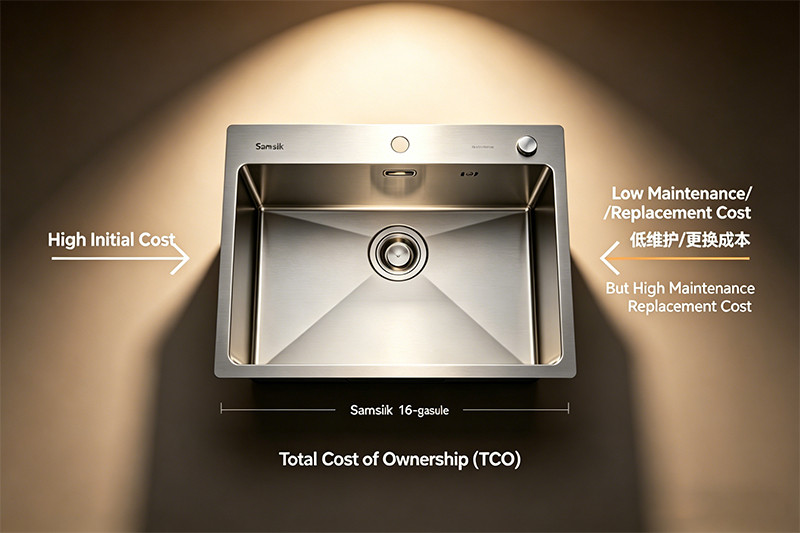
A well-constructed stainless steel sink, particularly one made from a thicker gauge like 16-gauge, is an investment in durability. While the upfront cost may be higher, its resistance to dents, corrosion, and general wear and tear means you'll spend significantly less on repairs and replacements over time. This concept is known as the Total Cost of Ownership (TCO), which includes the initial purchase price as well as ongoing costs for maintenance, repairs, and eventual replacement. A high-quality sink from a trusted manufacturer like Samsink may have a higher initial price, but its lower TCO makes it a more cost-effective choice in the long run. High-quality foodservice equipment reduces the need for frequent replacements, minimizing waste and preventing service interruptions that can harm revenue and customer satisfaction.
Ensuring Compliance with Health and Safety Standards
In any commercial, healthcare, or food service environment, adherence to health and safety codes is non-negotiable. Using improper or non-compliant equipment can lead to failed inspections, hefty fines, or even business closure. The FDA Food Code, which serves as a model for most local health departments in the U.S., mandates specific sink setups to prevent cross-contamination and the spread of foodborne illnesses.
This is where certifications like NSF (National Sanitation Foundation) become critically important. An NSF-certified sink is guaranteed to meet strict public health standards for materials and construction. Key features for NSF certification include the use of non-toxic, corrosion-resistant materials (like Type 304 stainless steel) and a hygienic design with rounded corners that are easy to clean and sanitize. Investing in an NSF-certified sink ensures you are compliant from day one, providing peace of mind and protecting your operation from legal and financial risks.
My Perspective on Prioritizing Quality for Operational Success
As an expert in functional and hygienic workspace design, I firmly believe that prioritizing quality in foundational equipment like a utility sink is one of the smartest decisions an operator can make. I have seen countless businesses try to cut corners with cheaper alternatives, only to face a cascade of problems down the line—from workflow bottlenecks and constant plumbing issues to critical health code violations.
A high-quality stainless steel freestanding utility sink is not an expense; it is a vital asset. It is the silent workhorse that underpins the safety and efficiency of your entire operation. By choosing a sink with the appropriate gauge, a hygienic design, and the proper certifications, you are not just buying a piece of metal. You are investing in a seamless workflow, a safer environment for your staff and customers, and the long-term success and resilience of your business. In this regard, the value delivered by a superior sink far outweighs its initial cost.
Key Takeaways
- Functionality is Paramount: Utility sinks are purpose-built for tasks too demanding or messy for standard sinks. Their deep basins and robust construction are essential for handling everything from industrial components to janitorial duties, effectively containing messes and protecting more delicate fixtures.
- Freestanding for Unmatched Flexibility: A key advantage of the freestanding design is its adaptability. Independent of walls or countertops, these sinks can be positioned precisely where needed in garages, workshops, or commercial kitchens, as long as plumbing access is available. This simplifies installation and allows for future layout changes.
- Stainless Steel: The Material of Choice: In high-demand settings, stainless steel is the undisputed leader. Its superior durability resists dents and heat, while its non-porous surface is inherently hygienic, preventing bacterial growth and simplifying sanitation—a crucial factor for meeting health and safety regulations.
- Understanding Gauge for Optimal Durability: The thickness of the stainless steel, or its gauge, is a critical factor in a sink's longevity. Remember that a lower gauge number signifies thicker steel. While 18-gauge is adequate for lighter use, 16-gauge is the commercial standard, providing a solid balance of strength and value. For the most extreme environments, heavier gauges like 14 or 12 offer unparalleled resilience.
- Hygienic Design Features Matter: Look for sinks with rounded, coved corners and integrated drainboards. These features are not merely aesthetic; they are vital for sanitation. Rounded corners eliminate hard-to-clean crevices where germs can thrive, a key requirement for NSF (National Sanitation Foundation) certification.
- Invest for Long-Term Value: A quality stainless steel utility sink should be viewed as a long-term investment, not a short-term expense. A higher initial cost for a well-built, certified sink translates to a lower Total Cost of Ownership (TCO) through reduced repair and replacement needs and ensures compliance with health codes, preventing costly fines and operational downtime.
Frequently Asked Questions (FAQ)
Q: What is the main difference between a utility sink and a regular kitchen sink?
A: The primary differences are design purpose, size, and durability. A kitchen sink is designed for daily food preparation and dishwashing, often prioritizing aesthetics. A utility sink, on the other hand, is built for heavy-duty, messy tasks. It typically features a much deeper basin to accommodate large items like buckets or to contain splashes from cleaning dirty equipment. Utility sinks are also constructed from more robust materials designed to withstand harsh chemicals, impacts, and heavy use.
Q: How do I properly clean and maintain my stainless steel freestanding utility sink to prevent rust?
A: To maintain your stainless steel sink, a daily rinse and wipe-down with a soft cloth is recommended to remove debris and prevent water spots. For regular cleaning, use a mild detergent and a non-abrasive sponge, scrubbing in the direction of the steel's grain. To prevent rust, which typically forms from iron particles left on the surface, avoid leaving wet sponges, steel wool, or cast-iron cookware in the sink for extended periods. If you see rust spots, they can usually be removed with a paste of baking soda and water or a specialized stainless steel cleaner. Always rinse thoroughly and dry the sink after cleaning.
Q: What is "304-grade" stainless steel, and why is it important for a utility sink?
A: 304 is the most common and ideal grade of stainless steel for sinks. It refers to the steel's composition, which typically includes 18% chromium and 8% nickel (often noted as 18/8). The chromium provides excellent corrosion and rust resistance by forming a protective surface layer, while the nickel enhances its durability and luster. This composition makes 304-grade steel highly resistant to acids, water stains, and cleaning chemicals, ensuring the sink has a long, hygienic life.
Q: Is a thicker gauge always better for a utility sink?
A: Generally, a thicker gauge (lower number) means a more durable sink that is more resistant to dents and noise. For a commercial or heavy-use environment, a thicker gauge like 16 or 14 is almost always a better investment. However, for a residential laundry room or a workshop with only occasional heavy use, an 18-gauge sink can be a perfectly suitable and more budget-friendly choice that still offers good durability. The "best" gauge depends on balancing your specific workload, environment, and budget.
Q: Can I install a freestanding utility sink myself?
A: Yes, one of the benefits of a freestanding utility sink is its relatively simple installation. The process typically involves assembling the leg or base unit, attaching the faucet, and then connecting the water supply lines and the drain assembly. For someone with basic DIY plumbing experience, this can often be a straightforward project. However, if you are unsure about working with plumbing connections, it is always wise to hire a professional plumber to ensure the installation is secure, leak-free, and compliant with local codes.
Conclusion
In my view, choosing the right stainless steel freestanding utility sink isn't just about an immediate purchase; it’s a strategic investment in the long-term efficiency and sanitary standards of your operations. By understanding the intrinsic benefits of stainless steel, the critical impact of gauge, and the practical advantages of freestanding designs, I believe you are now equipped to make an informed decision.
Ultimately, my goal is to help you select a utility sink that not only withstands the toughest tasks but also upholds the highest standards of hygiene, ensuring lasting value for your demanding environment. By prioritizing quality materials and thoughtful design, you secure a foundational piece of equipment that will support your success for years to come.