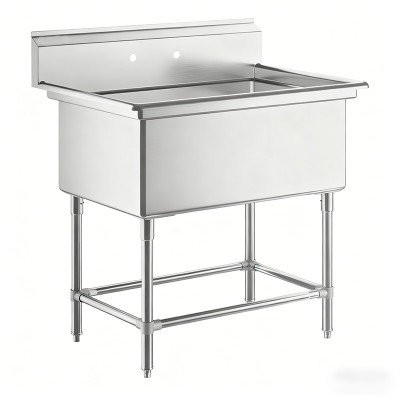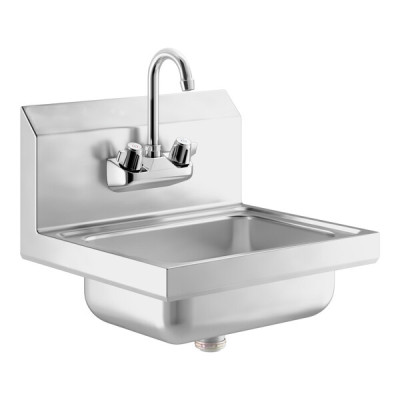
The Complete Guide to Handmade Stainless Steel Sinks: 304 vs 316 Steel, Gauges & Installation Types
When it comes to upgrading or designing your kitchen, the sink is often an overlooked, yet crucial, element. It's more than just a basin; it's a workstation that sees daily action, from washing dishes to food prep.
I'm here to guide you through everything you need to know about choosing the perfect handmade stainless steel sink, a popular choice for its durability and sleek appearance. We'll explore material quality, installation types, and how to keep your sink looking its best for years to come.
Choosing Your Ideal Handmade Stainless Steel Sink: Materials and Quality
Selecting the right handmade stainless steel sink involves diving into the details of its composition. The quality of the material directly impacts its longevity, durability, and appearance. Understanding steel grades, thickness, and finishing touches will empower you to choose a sink that not only looks stunning but also withstands the rigors of daily kitchen life.
Understanding Stainless Steel Grades and Thickness
Not all stainless steel is created equal. The grade and gauge (thickness) are the two most critical factors determining the sink's resilience against rust, dents, and noise.
The importance of 304/316 Stainless Steel
When you see a sink labeled as "304 Stainless Steel" or "T304," it signifies a high-quality, durable material. This grade, also known as 18/8 stainless steel, contains 18% chromium and 8% nickel. The chromium provides excellent resistance to rust and corrosion, while the nickel enhances its durability and luster. T304 is considered a food-grade material, meaning it's non-porous, hygienic, and won't leach harmful substances, making it a safe choice for food preparation.
While 304 is the standard for high-quality kitchen sinks, you might also encounter 316 stainless steel. Grade 316 includes molybdenum, which offers superior corrosion resistance, especially against chlorides and salts. This makes it an excellent choice for marine environments or coastal areas, but for most residential kitchens, 304-grade steel offers the perfect balance of performance and value.
Gauge Explained: Why 16-18 Gauge is Key for a Durable Handmade Stainless Steel Sink
The gauge of a sink refers to the thickness of the stainless steel sheet used to make it. It's important to remember that with gauge, a lower number means thicker steel.
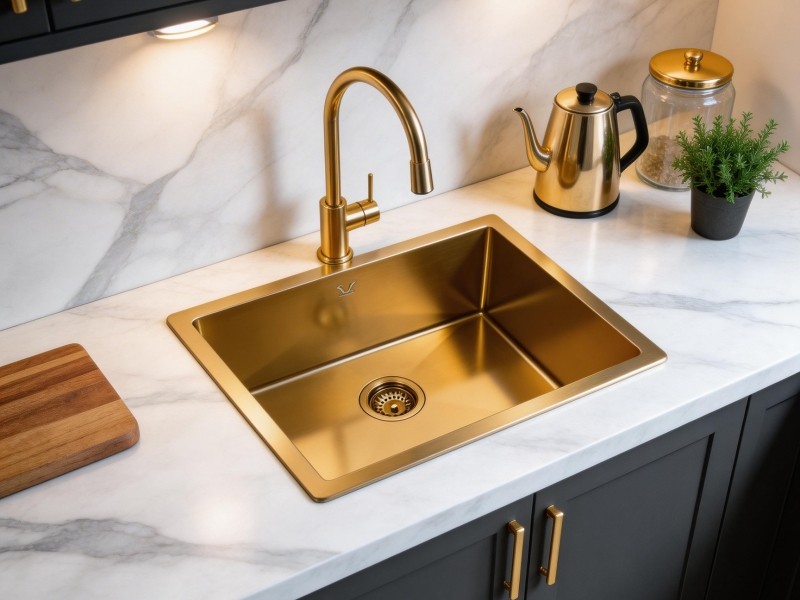
For a durable Handmade Kitchen Sink, you should look for a gauge between 16 and 18.
- 16 Gauge (approx. 1.5mm thick): This is a premium, heavy-duty option. It offers superior resistance to dents and bowing, making it ideal for busy kitchens or those who frequently use heavy cast-iron cookware. The extra thickness also contributes to better sound dampening, resulting in a quieter sink.
- 18 Gauge (approx. 1.2mm thick): This is the most popular choice for residential kitchens, offering an excellent balance of durability and affordability. It's still strong enough to handle daily use and is more resilient than the higher-gauged (thinner) 20 or 22-gauge sinks often found in budget options.
While a 16-gauge sink provides the ultimate in durability, a high-quality 18-gauge sink made from 304 stainless steel is a fantastic and reliable choice for most homes.
Beyond the Basics: Sound Dampening and Finish Options
A high-quality sink isn’t just about the steel. Advanced features like sound insulation and different surface finishes significantly enhance the user experience and aesthetic appeal.
Reducing Noise with Sound Absorption Pads and Coatings
One of the common complaints about lower-quality stainless steel sinks is the noise—the loud clang when you drop a utensil or the drumming sound of running water. High-quality handmade sinks address this with sound-dampening technology.
This is typically achieved in two ways:
- Sound Absorption Pads: These are large, thick rubber or composite pads applied to the underside and walls of the sink. They work by absorbing vibrations, which turns a loud "clang" into a dull "thud".
- Protective Undercoating: A layer of spray-on coating is often applied to the sink's exterior. This not only helps dampen sound but also prevents condensation from forming on the bottom of the sink, which can protect the cabinet below from moisture damage.
Many premium sinks use a combination of both pads and undercoating to provide exceptional noise reduction. Some manufacturers even use automotive-grade sound-deadening materials for maximum effectiveness.
Choosing the Right Finish for Your Handmade Stainless Steel Sink (Brushed vs. Polished)
The finish of your sink affects its look, feel, and maintenance routine. The two most common options are brushed and polished.
| Finish Type | Description | Pros | Cons | Best For |
|---|---|---|---|---|
| Brushed (Satin) | A textured finish with fine, uniform lines created by brushing the steel with a light abrasive. | Hides fingerprints, water spots, and minor scratches very well. Offers a modern, sophisticated look. | The texture can trap dirt if not cleaned regularly. | High-traffic kitchens, families, and those who prefer a low-maintenance, modern aesthetic. |
| Polished (Mirror) | A highly reflective, smooth finish that shines like a mirror. | Creates a bright, striking appearance. The smooth surface is easy to wipe clean. | Shows every fingerprint, water spot, and scratch. Requires frequent polishing to maintain its shine. | Low-traffic kitchens, bar areas, or for those who are committed to daily maintenance for a show-stopping look. |
For most households, a brushed finish is the more practical and popular choice. It beautifully complements other kitchen appliances and is more forgiving of the daily wear and tear that a busy kitchen sink endures.
The Advantage of Handmade Manufacturing
The term "handmade" signifies more than just a manufacturing process; it represents a commitment to precision, quality, and design. Unlike pressed sinks, which are machine-stamped from a single sheet of steel, handmade sinks are crafted by welding together individual pieces of thick, flat stainless steel. This method allows for distinct design advantages.
Precision and Aesthetic: Tight Radius Corners and Welding Quality
One of the defining features of a handmade sink is its corners.
- Tight Radius Corners (e.g., R10): Handmade sinks feature sharp, clean lines with very slightly rounded corners (often called "tight radius" or "small radius"). This creates a modern, geometric aesthetic that is highly sought after in contemporary kitchen design. The welding is meticulously done to create seamless joints that are both strong and visually appealing.
- Zero Radius Corners (R0): Some handmade sinks have perfectly 90-degree corners. While offering the ultimate modern look, these corners can be more difficult to clean.
The precision welding not only contributes to the look but also to the sink's structural stability, ensuring it remains robust and free from weak points over years of use.
Increased Usable Space and Deeper Basins in Handmade Stainless Steel Sinks
The manufacturing process of handmade sinks provides a significant functional advantage: more space.
- Increased Bowl Volume: Because the walls of a handmade sink are nearly straight and the corners are tight, the flat bottom area of the basin is maximized. Compared to a pressed sink of the same external dimensions, a handmade sink can offer up to 15% more usable interior space. This is a noticeable benefit when washing large pots, pans, or baking sheets.
- Deeper Basins: Handmade sinks are often available in deeper configurations, commonly 10 inches deep compared to the standard 9 inches of pressed sinks. This extra inch provides more room to soak dishes and helps contain splashes, keeping your countertops drier and cleaner.
This combination of artisan craftsmanship, superior materials, and thoughtful design makes a handmade stainless steel sink a functionally and aesthetically superior choice for any modern kitchen.
Seamless Integration: Installation Types for Your Handmade Stainless Steel Sink
Once you've chosen the perfect handmade sink, the next step is deciding how it will integrate with your countertop. The installation method plays a crucial role in both the final look and the everyday functionality of your kitchen workspace. Each style offers a different aesthetic and comes with its own set of considerations.
Top-Mount (Drop-in) Installation: A DIY-Friendly Option
Also known as drop-in or overmount sinks, this is the most traditional and straightforward installation method. The sink is simply lowered into a pre-cut hole in the countertop, and its weight is supported by the rim that rests on top of the counter.
Pros:
- Easy Installation: This method is the most DIY-friendly, as it doesn't require a professional's precision to get a good fit. After placing the sink, it's secured from below with clips and sealed around the edge with caulk.
- Affordability: Top-mount sinks are generally less expensive, and the installation costs are lower if you hire a professional.
- Versatility: This style is compatible with any countertop material, including laminate and wood, because the sink's rim protects the countertop's cut edge from water damage.
Cons:
- Cleaning Challenges: The raised lip of the sink creates a seam where food crumbs, grime, and water can collect, making it harder to keep the area clean.
- Less Seamless Look: The visible rim breaks the clean line of the countertop, which some find less modern than an undermount style.
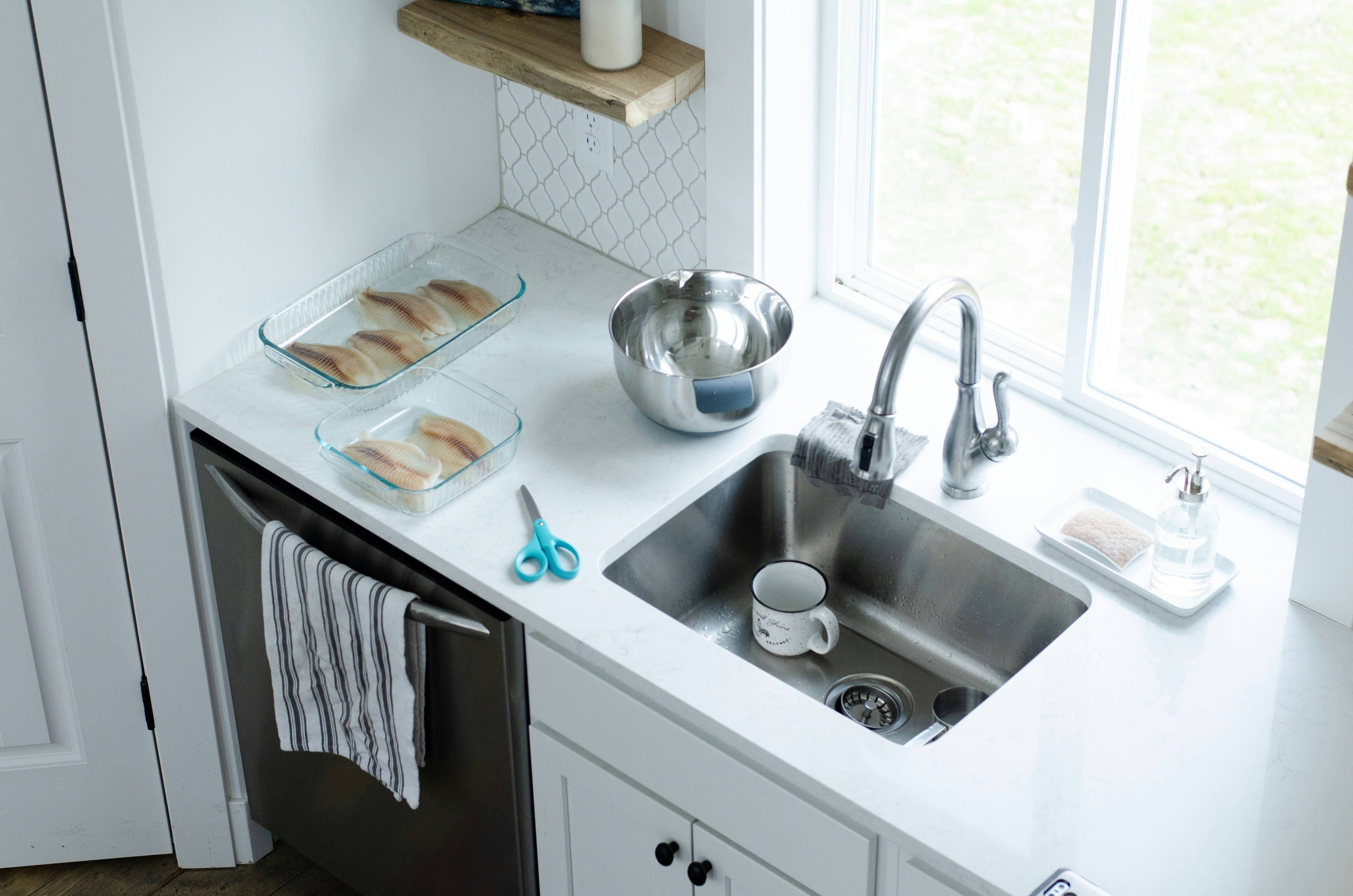
Undermount Installation: For a Sleek and Modern Handmade Stainless Steel Sink Look
For a seamless and contemporary aesthetic, undermount installation is the premier choice. In this method, the sink is mounted directly underneath the countertop, creating a continuous flow from the counter surface into the sink basin.
Pros:
- Easy Countertop Cleaning: With no lip to obstruct them, you can wipe spills and crumbs directly from the counter into the sink, making cleanup effortless.
- Sleek, Modern Aesthetic: The uninterrupted countertop line provides a clean, high-end look that is highly desirable in modern kitchens.
- Increased Usable Counter Space: By eliminating the sink's rim, you gain a small amount of extra counter space around the sink.
Cons:
- Professional Installation Recommended: Undermounting requires precise cutting of the countertop and secure mounting with clips and adhesives, a job best left to professionals.
- Higher Cost: Both the sinks designed for undermounting and the installation process are typically more expensive.
- Material Limitations: This style is only suitable for solid, waterproof countertop materials like granite, quartz, or marble that can support the sink's weight and won't be damaged by the exposed edge.
Farmhouse (Apron-Front) Sinks: Rustic Charm Meets Handmade Stainless Steel
Farmhouse sinks, also known as apron-front sinks, are defined by their distinctive exposed front panel that replaces a section of the countertop and cabinetry. Once exclusively associated with traditional fireclay, stainless steel has brought a modern, versatile twist to this classic style.
Pros:
- Striking Focal Point: An apron-front sink makes a strong design statement and often becomes the centerpiece of the kitchen.
- Ergonomic Comfort: Because the front of the sink is closer to you, there is no countertop to lean over, which can reduce back strain during long dishwashing sessions.
- Large Basin Capacity: Farmhouse sinks are known for their deep, single-basin designs, which are perfect for washing large pots, pans, and baking sheets.
Cons:
- Complex Installation: Installing a farmhouse sink requires custom cabinetry modifications to accommodate the apron front and support the sink's weight. This is a complex job that almost always requires a professional.
- Higher Cost: These sinks and the required custom cabinet work make them one of the more expensive options.
- Potential for Splashing: The lack of a countertop buffer at the front can sometimes lead to more water splashing on the floor.
Considering Dual Mount Options for Your Versatile Handmade Stainless Steel Sink
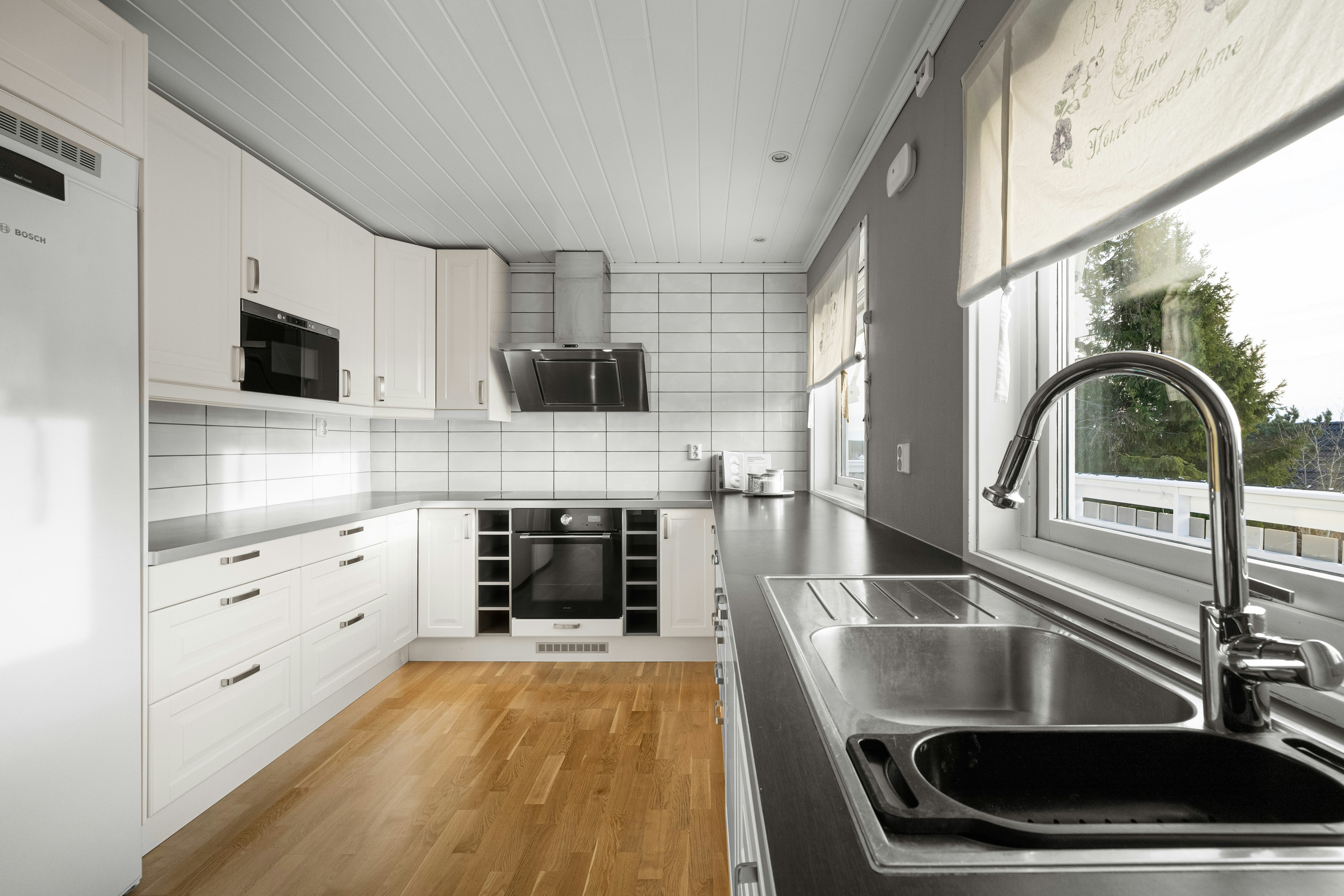
If you want maximum flexibility, a dual mount sink is an excellent choice. These sinks are intelligently designed with a flat, low-profile rim that allows them to be installed as either a top-mount or an undermount sink.
Pros:
- Ultimate Versatility: You can decide on the installation style later in your design process or even change it during a future remodel without needing a new sink. This is a perfect solution for renovations.
- Top-Mount with a Sleeker Profile: When installed as a drop-in, the flat, thin rim of a dual mount sink sits much closer to the countertop than a traditional top-mount, offering a cleaner look.
- Compatible with All Materials: It can be used as a drop-in for laminate counters or as an undermount for stone, giving you options no matter your countertop choice.
Cons:
- Still a Rim in Top-Mount: While sleeker, it still has a visible rim when top-mounted, which can trap debris.
- Installation Nuances: To be successfully undermounted, the sink and countertop cutout must be prepared correctly, often by a professional.
This flexibility makes dual mount sinks a smart, future-proof investment for any kitchen.
Maintaining the Brilliance of Your Handmade Stainless Steel Sink
A handmade stainless steel sink is a durable and beautiful addition to any kitchen, but it requires proper care to maintain its lustrous finish and hygienic surface. With a consistent and gentle cleaning routine, you can prevent common issues like water spots, stains, and scratches, ensuring your sink looks brilliant for years to come.
Daily Care to Prevent Water Spots and Residue
The simplest way to keep your sink looking pristine is through a quick daily routine. Water spots are caused by mineral deposits left behind after water evaporates, especially in areas with hard water.
- Rinse After Each Use: After washing dishes or preparing food, give the sink a quick rinse with warm water to wash away any food particles or soap residue.
- Wipe Dry: The most effective way to prevent water spots is to wipe the sink dry with a soft microfiber cloth after each use. This simple habit takes only a few seconds but makes a huge difference in preventing mineral buildup.
- Use Mild Soap: For daily cleaning, a few drops of mild dish soap and a soft sponge are all you need. Clean the surface, rinse thoroughly, and wipe dry.
Tackling Tougher Stains and Scratches on Your Handmade Stainless Steel Sink
Even with daily care, you might encounter more stubborn issues like tough stains, rust spots, or scratches. Here's how to handle them safely:
For Tough Stains and Rust: A common misconception is that stainless steel cannot rust. While high-quality 304 steel is highly resistant, rust spots can appear from external sources, like leaving cast iron pans or metal cans in a wet sink.
- Baking Soda Paste: A paste made from baking soda and water is a fantastic, non-abrasive cleaner. Apply the paste to the stain, let it sit for a few minutes, and gently scrub in the direction of the steel's grain with a soft cloth or sponge.
- Vinegar Solution: For hard water stains and mineral deposits, spray the area with white vinegar and let it sit for 15-30 minutes. The acid helps dissolve the deposits. For extra power, you can create a fizzing reaction by sprinkling baking soda over the vinegar before scrubbing. Always rinse thoroughly with water afterward.
- Specialized Cleaners: Products like Bar Keepers Friend are highly effective for removing tough stains and rust without damaging the steel. Always use the soft cleanser or powder version and follow the product instructions.
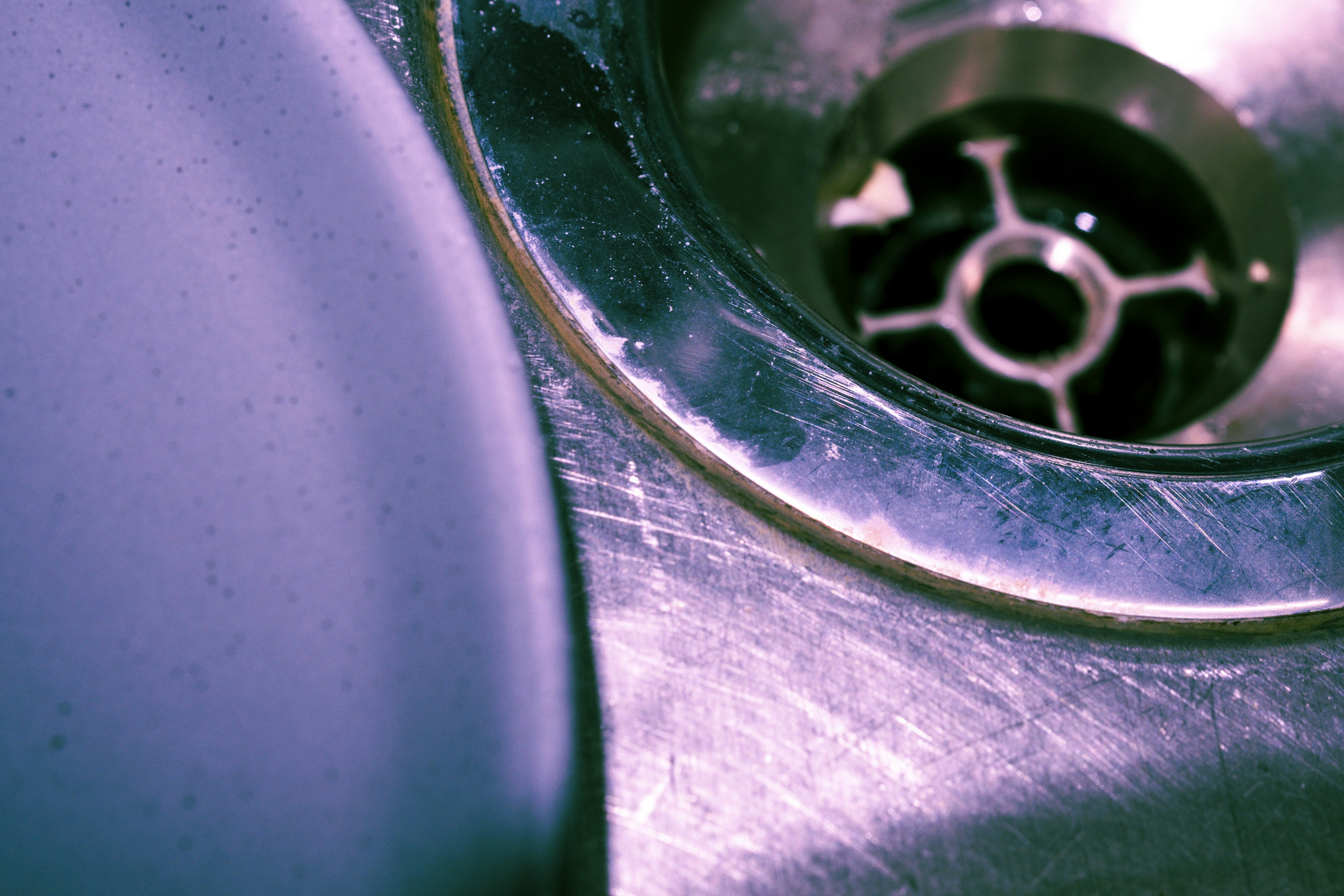
For Scratches: Scratches are a normal part of a stainless steel sink's life, and a brushed finish helps hide them. However, for more noticeable marks:
- Light Scratches: A paste of baking soda or a non-whitening toothpaste can often buff out very fine scratches. Apply the paste and gently rub with a soft cloth in the direction of the grain.
- Deeper Scratches: For deeper scratches, you can purchase a stainless steel scratch removal kit. These kits typically come with abrasive pads of varying grits and a polishing compound. It is crucial to always work gently and follow the direction of the steel's grain to blend the scratch into the surrounding finish.
What to Avoid: Harsh Chemicals and Abrasive Cleaners
The key to longevity is avoiding damage in the first place. Certain chemicals and tools can permanently harm your sink's protective layer.
Chemicals to Avoid:
- Bleach and Chlorine-Based Cleaners: These are the number one enemy of stainless steel. They can break down the chromium oxide layer that protects the steel from rust, leading to corrosion, pitting, and discoloration.
- Ammonia and Hydrochloric Acid: Strong chemicals found in some drain cleaners or oven cleaners can quickly damage the sink's surface.
- Strong Salt Solutions: Leaving salty water or food residue to sit in the sink can accelerate corrosion.
Abrasive Tools to Avoid:
- Steel Wool and Steel Brushes: These will scratch the surface and can leave behind tiny iron particles that will rust.
- Coarse Scrubbing Pads: Stick to soft sponges, microfiber cloths, or non-scratch nylon pads to prevent scratching the finish.
By following these simple do's and don'ts, you can easily maintain the beauty and functionality of your handmade stainless steel sink. Regular, gentle cleaning is far more effective and safer than occasional, aggressive scrubbing.
Featured Handmade Stainless Steel Sink Manufacturer: Samsink
When choosing a sink, the manufacturer behind the product is just as important as the material and design. A reputable manufacturer stands behind their craftsmanship, ensuring that you receive a product built for longevity, performance, and aesthetic excellence. Among the many names in the industry, Samsink has established itself as a leading handmade stainless steel sink manufacturer with decades of experience.
Samsink's Commitment to Quality in Handmade Stainless Steel Sinks
Since its founding in 1995, Samsink has dedicated itself to the art and science of stainless steel sink manufacturing. Their philosophy is simple: "Just Sinks That Work." This commitment is reflected in their meticulous production process, which prioritizes quality from start to finish.
Samsink exclusively uses high-quality T304 and 316 stainless steel, ensuring every sink offers superior corrosion resistance, durability, and a hygienic surface perfect for any kitchen. Their handmade sinks are crafted through a precise process of laser cutting, bending, and welding, which allows for the clean lines and tight-radius corners that define modern sink aesthetics. This artisanal approach, combined with advanced manufacturing technology, results in products that are not only beautiful but also structurally sound.
The quality of Samsink's products is validated by international certifications, including cUPC and NSF in the USA, as well as ISO 9001 Quality Management System certification, assuring customers of their adherence to the highest global standards.
Diverse Offerings for Residential and Commercial Handmade Stainless Steel Sink Needs
Samsink's expertise extends across a wide range of applications, with an extensive catalog catering to both residential and commercial clients.
For Residential Kitchens: Samsink offers a vast array of designs perfect for modern homes. Their residential line includes:
- Workstation Sinks: These innovative designs feature integrated ledges that support custom accessories like cutting boards and colanders, turning the sink into a multifunctional food prep station.
- Farmhouse/Apron-Front Sinks: Blending classic style with modern materials, their stainless steel farmhouse sinks are available in single and double bowl configurations.
- Undermount and Top-Mount Models: With options to suit any countertop and design preference, Samsink provides sinks in various sizes and bowl layouts.
For Commercial Applications: Designed for high-volume environments like restaurants, hotels, and hospitals, Samsink’s commercial sinks are engineered for extreme durability and hygiene. These heavy-duty sinks feature robust construction, large drainage systems, and materials that withstand constant use and rigorous cleaning protocols.
Samsink's Manufacturing and Customization Capabilities
With over 30 years of experience, Samsink excels in OEM/ODM solutions, providing clients with comprehensive customization services. This flexibility allows architects, builders, and distributors to create unique sinks tailored to specific project requirements.
Key capabilities include:
- Custom Shapes and Sizes: Samsink can produce sinks in non-standard shapes like L-shaped, curved, or asymmetrical designs to fit unique spaces.
- Advanced Manufacturing: With two production bases in Asia (China and Thailand), eight modern production lines, and an inventory of over 500 sink molds, Samsink can handle large-scale orders efficiently, boasting a monthly capacity of over 100,000 units.
- Fast Turnaround: They offer flexible service models, from rapid delivery of in-stock items to swift production and full customization, with lead times ranging from one to eight weeks depending on the order's complexity.
By combining a steadfast commitment to quality materials, a diverse product range, and powerful customization capabilities, Samsink stands out as a trusted partner for anyone seeking a high-quality handmade stainless steel sink.
Frequently Asked Questions (FAQs)
1. What is the real difference between a handmade and a pressed stainless steel sink? The primary difference lies in the manufacturing process and design. A pressed sink is made by machine-stamping a single sheet of thinner steel into a mold, resulting in rounded corners and a uniform shape. A handmade sink is constructed by welding together individual, thicker panels of stainless steel. This method allows for sharp, tight-radius corners, deeper bowls, and a greater usable basin area, giving it a modern, architectural look.
2. Is a 16 gauge sink really that much better than an 18 gauge sink? A 16-gauge sink is approximately 20-25% thicker than an 18-gauge sink, making it more resistant to dents and flexing. This added thickness also provides better sound insulation, resulting in a quieter user experience. While an 18-gauge sink made from high-quality 304 steel is perfectly suitable and durable for most residential kitchens, a 16-gauge sink is considered a premium, heavy-duty option ideal for very busy kitchens or those seeking the highest level of durability.
3. How can I fix a noticeable scratch in my brushed stainless steel sink? For noticeable scratches, a dedicated stainless steel scratch removal kit is the most effective solution. These kits typically contain fine-grit abrasive pads and a polishing compound. The key is to first clean the area, then gently rub the scratch with the pad, always moving in the direction of the metal's grain. This process helps blend the scratch into the surrounding brushed finish. Start with the least abrasive pad and only move to a coarser one if necessary. Afterward, rinse the area and buff with a microfiber cloth to restore the shine.
4. What is the best daily routine to keep my handmade stainless steel sink looking new? The best and simplest routine is to rinse and dry the sink after every use. Rinse away all food particles and soap residue with warm water, then use a soft microfiber cloth to wipe the entire sink dry. This prevents minerals from hard water from evaporating on the surface, which is what causes water spots. This daily habit takes only a moment but is the most effective way to prevent stains and maintain the sink's luster.
5. Why are there rust spots on my sink if it's "stainless" steel? Rust spots on a high-quality stainless steel sink are almost always caused by external factors, not the sink itself. The most common culprits are iron particles from other objects, such as cast iron cookware, steel wool pads, or metal food cans left sitting in a wet sink. These iron particles rust, and the rust stains the sink's surface. These stains can typically be cleaned off with a paste of baking soda and water or a specialized cleaner like Bar Keepers Friend. To prevent them, avoid leaving metal items in your sink for extended periods.
Investing in a high-quality handmade stainless steel sink is a decision that brings both aesthetic appeal and lasting functionality to your kitchen. It is a durable, hygienic, and stylish centerpiece that stands up to the demands of daily life.
By considering the material grade and thickness, choosing an installation type that complements your kitchen design, and committing to a simple maintenance routine, you can ensure your handmade stainless steel sink remains a focal point of your kitchen for many years to come. Remember, a well-chosen sink is an investment in your home's heart. We hope this guide has empowered you to make an informed decision. Feel free to share this article with others who are planning their dream kitchen