The Essential Guide to Custom Stainless Steel Kitchen Sinks: Types, Installation, and Care
As we consider the heart of any kitchen – the sink – we often look for a blend of durability, hygiene, and aesthetic appeal. Custom stainless steel kitchen sinks offer precisely this, evolving beyond basic utility to become a cornerstone of modern kitchen design and functionality.
In this guide, we'll explore why investing in a custom stainless steel kitchen sink can be a game-changer for your space. We will cover everything from material choices and innovative design options to precision manufacturing and essential care, ensuring you make an informed decision that will bring lasting value.
Key Takeaways
| Feature | Benefit | Key Consideration |
|---|---|---|
| Durability & Hygiene | Highly resistant to corrosion, rust, and heat. Non-porous surface prevents bacteria growth. | Choose high-quality Grade 304 stainless steel for optimal performance. |
| Aesthetic Versatility | Available in various finishes (brushed, satin, matte) and custom shapes to match any kitchen style. | Consider the overall design theme of your kitchen when selecting a finish and configuration. |
| Sustainability | Stainless steel is 100% recyclable, and many sinks contain a high percentage of recycled material, reducing environmental impact. | Look for manufacturers who prioritize recycled content and eco-friendly production processes. |
| Customization | Tailor the sink’s dimensions, bowl configuration, and integrated features like drainboards or ledges to your exact workflow. | A custom design from a specialized manufacturer like Samsink ensures a perfect fit for your unique needs. |
| Material Grade & Gauge | Grade 304 is the industry standard for residential kitchens. Gauge (thickness) affects durability and noise; lower numbers (e.g., 16-gauge) mean thicker, more robust steel. | For most homes, a 16 or 18-gauge sink in 304 stainless steel is ideal. |
| Installation | Options include undermount, top-mount, and flush-mount, each offering a different look and functionality. | Undermount sinks provide a seamless look and are easy to clean, while top-mount sinks are generally easier to install. |
| Long-Term Value | While the initial cost may be higher, the extreme durability and low maintenance needs of a custom stainless steel sink offer excellent long-term value. | View the purchase as a long-term investment in your kitchen’s functionality and appeal. |
| Care & Maintenance | Simple daily cleaning with soap and water, followed by drying, is all that's needed to maintain its look. | Avoid harsh chemicals and abrasive pads; always clean in the direction of the steel's grain. |
Why Custom Stainless Steel Kitchen Sinks Stand Out
Custom stainless steel kitchen sinks are more than just a functional element; they are a statement of quality and intelligent design. Their popularity in both residential and professional settings is a testament to a unique combination of resilience, cleanliness, and style that few other materials can match.
Unmatched Durability and Hygiene for Your Custom Stainless Steel Kitchen Sinks
When it comes to longevity, stainless steel is in a class of its own. It is exceptionally resistant to corrosion, rust, and high temperatures, ensuring it can withstand the daily rigors of a busy kitchen. This durability means a high-quality stainless steel sink can last for decades, reducing the waste and cost associated with frequent replacements.
Perhaps even more importantly, stainless steel is one of the most hygienic materials available. Its non-porous surface leaves no place for bacteria, mold, or germs to hide, a critical feature for any environment where food is prepared. Unlike porous materials like wood or some composites, stainless steel doesn't absorb liquids or odors, ensuring a clean and safe food-prep area with simple, regular cleaning. This inherent cleanliness is why stainless steel is the mandatory choice for professional kitchens, hospitals, and labs where sanitation is paramount.
Aesthetic Versatility and Modern Appeal
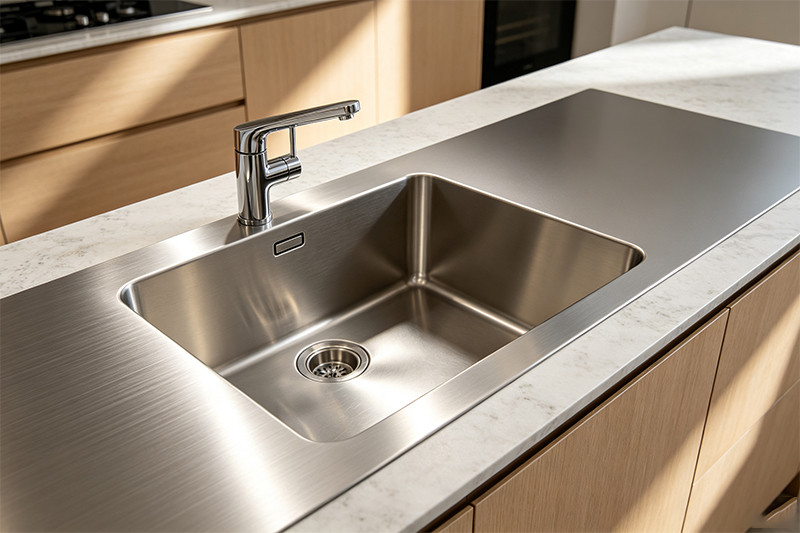
Gone are the days when stainless steel sinks were one-size-fits-all. Today, they offer incredible aesthetic versatility that can complement any kitchen style, from ultra-modern and industrial to classic and traditional. The ability to customize a sink's shape, size, and configuration allows you to create a fixture that is perfectly integrated into your countertop and cabinetry, creating a seamless and sophisticated look.
The finish of the steel also plays a significant role in its visual appeal. Popular options include:
- Brushed Finish: This is the most common and practical finish, featuring a subtle texture that helps to hide minor scratches and water spots.
- Satin Finish: A smooth, lustrous finish that offers a soft glow and a touch of elegance.
- Matte Finish: A non-reflective, modern look that minimizes fingerprints and adds a sophisticated, contemporary feel.
This adaptability ensures that a custom stainless steel sink can serve as a stunning focal point or a subtle, integrated element of your kitchen design.
An Eco-Friendly and Sustainable Choice for Custom Stainless Steel Kitchen Sinks
In an era of increasing environmental awareness, choosing sustainable materials for your home is more important than ever. Stainless steel is an excellent eco-friendly choice for several reasons. First, it is one of the most recycled materials on the planet. Stainless steel is 100% recyclable without any loss of quality, meaning it can be repurposed into new products indefinitely.
Furthermore, many new stainless steel sinks are manufactured with a high percentage of recycled content—some as high as 80% or more—which significantly reduces the demand for virgin raw materials and the energy needed for production. Combined with its exceptional durability and long lifespan, a stainless steel sink represents a truly sustainable investment that minimizes your environmental footprint.
Tailoring Your Space: Customization Options for Custom Stainless Steel Kitchen Sinks
The true advantage of opting for a "custom" sink lies in the ability to tailor every detail to your specific needs, layout, and workflow. A custom stainless steel sink from a manufacturer like Samsink moves beyond standard-issue fixtures to become an integral, highly functional part of your kitchen workspace.
Shapes, Sizes, and Configurations to Fit Any Layout
Whether you have a sprawling island, a compact galley kitchen, or an unconventional corner space, a custom sink can be fabricated to fit perfectly. Standard sinks often force compromises, but customization unlocks limitless possibilities:
- Single Bowl: Ideal for washing large pots and pans, a large, deep single bowl offers maximum uninterrupted space.
- Double Bowl: A classic configuration that allows for multitasking—washing in one bowl and rinsing or drying in the other. You can customize the bowl sizes, such as a 60/40 or 50/50 split, to suit your habits.
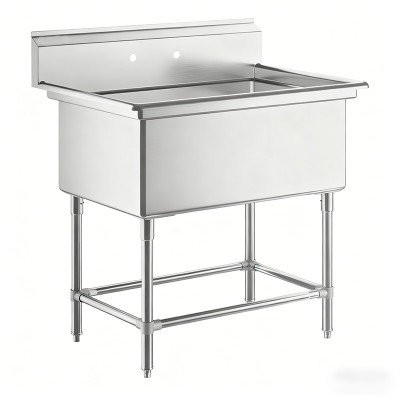
- Triple Bowl: Often found in commercial kitchens, this setup provides dedicated bowls for washing, rinsing, and sanitizing. It can also be adapted for residential use for homeowners who love to cook and entertain.
- Low-Divide Sinks: A hybrid between a single and double bowl, featuring a lower central partition that allows you to wash large items while still keeping tasks separate.
- Workstation Sinks: These innovative designs include a built-in ledge to support custom-fit accessories like cutting boards, colanders, and drying racks, effectively turning your sink into a comprehensive prep station.
The ability to specify the exact length, width, and depth ensures your sink is proportional to your countertop and meets your ergonomic needs.
Material Grade and Gauge Selection for Optimal Performance in Custom Stainless Steel Kitchen Sinks
Beyond the shape and size, the quality of the stainless steel itself is a critical factor. Two key specifications determine a sink's performance and longevity: the material grade and the gauge.
Type 304 vs. Type 316 Stainless Steel: What We Recommend
Stainless steel used in sinks is an alloy, and its composition determines its resistance to corrosion and rust.
- Type 304 Stainless Steel: This is the industry standard for kitchen sinks and is used in approximately 90% of sinks produced globally. Often referred to as 18/8 stainless steel, it contains 18% chromium and 8% nickel. This composition provides excellent resistance to rust and corrosion from food acids and household chemicals, making it the perfect choice for nearly all residential and most commercial kitchens.
- Type 316 Stainless Steel: Known as "marine grade," this type includes molybdenum, which gives it superior resistance to chlorides (like salt). While exceptionally durable, 316 steel is typically only necessary for sinks in highly corrosive environments, such as coastal homes with salt in the air, laboratories, or outdoor kitchens near saltwater pools. For most applications, the significant price premium of Type 316 is not necessary.
For these reasons, we recommend Type 304 stainless steel for its proven durability, reliability, and excellent value in all standard kitchen settings.
Understanding Gauge: The Thickness of Your Sink
Gauge refers to the thickness of the stainless steel sheet used to make the sink. It's an inverse scale, meaning a lower gauge number indicates thicker steel. Common gauges for kitchen sinks range from 22 (thinnest) to 16 (thickest).
- 16-Gauge: Approximately 1.5mm thick, this is a premium, heavy-duty thickness. It offers the best resistance to denting, flexes less under the weight of a heavy garbage disposal, and is naturally quieter.
- 18-Gauge: Around 1.2mm thick, this is a very popular and high-quality option that provides a great balance of durability and affordability. It is a significant step up from the thinner 20 or 22-gauge sinks found in many budget options.
A thicker gauge sink (16 or 18) will have a more solid, high-quality feel and will better absorb sound and vibration. For a busy kitchen, investing in a 16-gauge or 18-gauge sink is a wise choice for long-term satisfaction.
Integrated Features and Finishes for Enhanced Functionality and Style
Customization extends to features that are built directly into the sink, transforming it from a simple basin into a highly efficient workspace. Consider integrating:
- Drainboards: An integral, sloped drainboard provides a dedicated space for air-drying dishes, with water channeling directly back into the sink.
- Ledges and Workstations: As mentioned, ledges allow for sliding accessories, maximizing your counter space.
- Custom Drain Placement: Position the drain in a corner or toward the rear to improve drainage and maximize usable cabinet space below the sink.
- Rounded Corners (Radius): The radius of the corners affects both aesthetics and cleaning. A zero-radius corner offers a sharp, modern look but can be harder to clean. A slightly rounded corner (e.g., 10-15mm radius) is much easier to wipe down while still looking contemporary.
These thoughtful additions, combined with the right finish, create a sink that is not only beautiful but also perfectly attuned to the way you work in the kitchen.
Achieving Perfection: Manufacturing and Installation of Custom Stainless Steel Kitchen Sinks
The journey from a raw sheet of steel to a flawless kitchen centerpiece involves precision engineering, rigorous quality control, and expert installation. Understanding this process helps you appreciate the value and craftsmanship behind a high-quality custom sink.
Precision Manufacturing and Quality Control Standards
Creating a premium stainless steel sink is a multi-step process that blends technology and skilled artisanship. Leading manufacturers like Samsink adhere to strict standards at every stage.
- Material Selection and Inspection: The process begins with sourcing high-quality Type 304 stainless steel sheets that meet strict composition and thickness standards. These raw materials are inspected for any imperfections before production starts.
- Cutting and Forming: The steel sheets are precisely cut using lasers or water jets. Then, they are formed into sink bowls using a process called deep drawing, where powerful hydraulic presses shape the metal. For multi-bowl or complex designs, individual components are welded together.
- Welding and Annealing: Advanced welding techniques, such as TIG welding, are used to create strong, seamless joints. After shaping and welding, the sink may undergo annealing—a heat treatment process that strengthens the steel and restores its properties.
- Finishing and Polishing: This is a crucial stage where the sink's final look is created. Skilled craftsmen grind and polish the surfaces to achieve a uniform brushed, satin, or other specified finish.
- Sound Dampening: To reduce the "tinny" noise often associated with thinner sinks, quality manufacturers apply sound-absorbing pads and a protective undercoating to the sink's exterior. This is a hallmark of a well-made sink.
- Final Quality Control: Before a sink is packaged, it undergoes a final, meticulous inspection to check for any defects in the finish, welds, or dimensions, ensuring it meets all quality benchmarks.
Innovative Installation Solutions for Custom Stainless Steel Kitchen Sinks
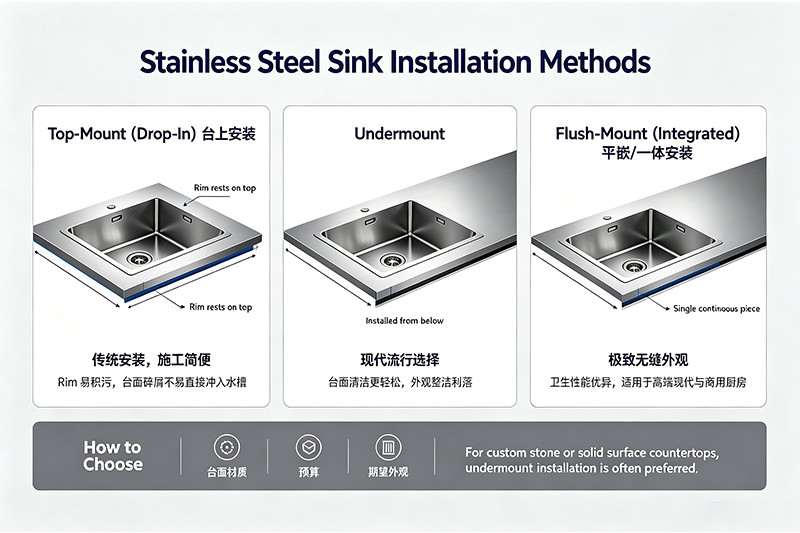
The installation method dramatically impacts both the sink's final appearance and its day-to-day functionality. There are three primary types:
- Top-Mount (Drop-In): The sink is dropped into a pre-cut hole in the countertop, with the rim resting on top. This is the most traditional and often easiest installation method, but the rim can trap dirt and make it difficult to wipe debris from the counter directly into the sink.
- Undermount: The sink is installed from below the countertop, creating a seamless transition from the counter surface to the sink basin. This is a very popular modern choice because it makes countertop cleanup effortless and offers a sleek, clean look.
- Flush-Mount (Integrated): The sink and countertop are fabricated as a single, continuous piece, usually from the same stainless steel. This provides the ultimate seamless look and unparalleled hygiene, often seen in high-end modern and commercial kitchens.
Choosing the right installation method depends on your countertop material, budget, and desired aesthetic. An undermount installation is often the preferred choice for custom stone or solid surface countertops.
Comprehensive Project Support from Concept to Completion
When you invest in a custom sink, you're not just buying a product; you're engaging in a collaborative design process. A reputable supplier like Samsink provides comprehensive support throughout your project. This includes:
- Initial Consultation: Discussing your needs, kitchen layout, and workflow to recommend the best configuration.
- Technical Drawings: Providing detailed schematics and drawings for your approval, ensuring every dimension and feature is correct before manufacturing begins.
- Coordination with Fabricators: Working with your countertop installer or cabinet maker to ensure a perfect fit.
- Post-Installation Support: Offering guidance on care, maintenance, and accessories to help you get the most out of your new sink.
This end-to-end support ensures a smooth process and a final result that perfectly matches your vision.
Maximizing Value and Longevity with Custom Stainless Steel Kitchen Sinks
A custom stainless steel sink is a significant investment, but its value extends far beyond its initial price tag. By focusing on long-term durability, optimized workflow, and proper care, you can ensure your sink delivers exceptional performance and aesthetic appeal for decades to come.
Cost-Effectiveness and Long-Term Durability
While a custom stainless steel sink may have a higher upfront cost than an off-the-shelf alternative, its incredible durability makes it a highly cost-effective choice in the long run. Stainless steel's resistance to chipping, cracking, staining, and heat means it won't need to be replaced due to damage from daily use. A well-maintained sink can easily last 15 to 30 years or more, outliving many other kitchen components.
This longevity translates to significant savings over time, as you avoid the cost and hassle of multiple replacements. When you consider its entire lifecycle, a high-quality custom sink offers an excellent return on investment, making it a smart financial decision for any kitchen renovation.
Optimizing Workflow for Diverse Industries with Specialized Custom Stainless Steel Kitchen Sinks
The benefits of custom stainless steel sinks extend far beyond the home kitchen. Their hygienic properties and durability make them essential in a variety of commercial and industrial settings.
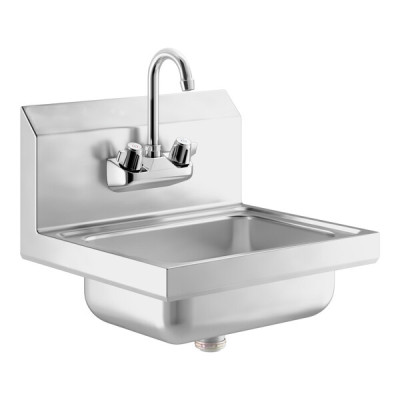
- Restaurants and Foodservice: Commercial kitchens are legally required to use stainless steel sinks that meet strict health codes, such as those set by the NSF. A typical setup includes a three-compartment sink for washing, rinsing, and sanitizing, along with separate handwashing and food prep sinks to prevent cross-contamination. Customization allows for sinks that accommodate large commercial pots and pans and optimize the workflow for a busy kitchen staff.
- Healthcare and Laboratories: In environments where sterility is non-negotiable, the non-porous and easily sanitized surface of stainless steel is critical. Sinks in hospitals, clinics, and labs must be resistant to harsh chemicals and disinfectants, a challenge that Type 304 and sometimes Type 316 stainless steel are built to handle.
- Other Industries: From schools and bars to utility rooms and workshops, custom stainless steel sinks provide a durable, low-maintenance, and hygienic solution for any application that involves frequent washing and heavy use.
Essential Care and Maintenance for Your Custom Stainless Steel Sink to Ensure Lifespan
One of the best features of a stainless steel sink is how easy it is to maintain. With a few simple habits, you can keep your sink looking beautiful for years.
Daily Care:
- After each use, rinse the sink with warm water to remove any food particles.
- Wipe the sink dry with a soft cloth (microfiber is excellent). This is the single most important step to prevent water spots and mineral deposits from building up, especially in areas with hard water.
Weekly Cleaning:
- For a deeper clean, use a mild dish soap or a paste of baking soda and water.
- Apply the cleaner with a soft sponge or cloth and scrub gently in the direction of the steel's grain. This helps avoid creating visible micro-scratches.
- Rinse thoroughly with clean water and dry completely.
What to Avoid:
- Harsh Abrasives: Do not use steel wool, abrasive scouring pads, or harsh powders, as these will permanently scratch the surface.
- Harsh Chemicals: Avoid cleaners containing chlorine bleach, as they can damage the protective layer of the stainless steel and lead to corrosion.
- Leaving Wet Sponges or Metal Cans: Do not leave wet sponges, cloths, or metal cans (like steel or cast iron cookware) sitting in the sink for long periods, as this can trap water and lead to rust stains.
If scratches do appear, they are often superficial and will blend into the sink's patina over time. Using a protective bottom grid is an excellent way to minimize direct contact with heavy pots and utensils.
Frequently Asked Questions (FAQ)
1. Will my custom stainless steel sink rust? High-quality Type 304 stainless steel is highly resistant to rust. Rust spots are almost always caused by external factors, such as iron particles from water pipes or leaving cast iron or steel cookware in the sink. These surface spots can usually be cleaned off with a non-abrasive cleaner.
2. What is the best gauge for a residential kitchen sink? For residential use, a 16-gauge or 18-gauge sink offers the best combination of durability, performance, and value. A 16-gauge sink is thicker and more resistant to dents and noise, making it a premium choice, while an 18-gauge sink is an excellent, durable standard for most homes.
3. What is the difference between a brushed and a satin finish? A brushed finish has visible, fine parallel lines and is excellent at hiding scratches and fingerprints. A satin finish is smoother with a soft, uniform sheen. The choice is primarily aesthetic, though a brushed finish is often considered more practical for a high-use kitchen.
4. Can I install a garbage disposal with a custom stainless steel sink? Yes, absolutely. Custom stainless steel sinks are fully compatible with all standard garbage disposal units. Choosing a thicker gauge sink (16 or 18-gauge) will help reduce noise and vibration from the disposal.
5. How do I remove minor scratches from my sink? For minor scratches, you can often use a specialized stainless steel scratch removal kit or a fine-grit abrasive pad (like a Scotch-Brite pad), always rubbing gently in the direction of the steel's existing grain. Over time, small scratches tend to blend into the natural patina of the sink.
6. Is a workstation sink worth it? A workstation sink is an excellent choice for those who want to maximize functionality, especially in smaller kitchens. The integrated ledge system for accessories like cutting boards and colanders effectively expands your counter space and streamlines food prep and cleanup.
7. How do I choose between a single and a double bowl sink? This depends entirely on your workflow. If you frequently wash large items like baking sheets and stockpots, a large single bowl is ideal. If you prefer to multitask by soaking dishes in one bowl while prepping food in the other, a double bowl configuration may be a better fit.
Conclusion
Choosing a custom stainless steel kitchen sink is more than just a purchase; it's an investment in a durable, hygienic, and aesthetically pleasing solution that perfectly fits your unique needs and space. By tailoring the dimensions, configuration, material quality, and features, you elevate the most-used fixture in your kitchen from a simple utility to a high-performance workspace.
At Samsink, we believe that with the right customization and quality, your stainless steel kitchen sink will not only meet but exceed your expectations, offering lasting performance and enhancing your daily kitchen experience. A well-crafted sink is the foundation of a functional and beautiful kitchen, ready to withstand the test of time.
Ready to design the perfect sink for your kitchen? Contact the experts at Samsink today for a personalized consultation and a no-obligation quote. Let us help you build a kitchen centerpiece that is as unique as you are.