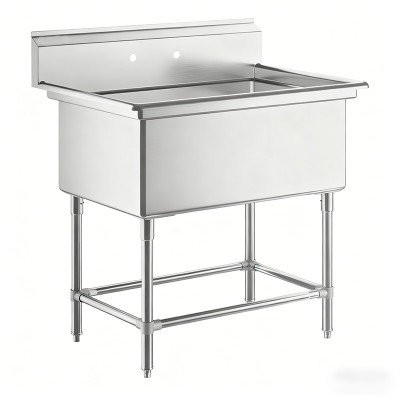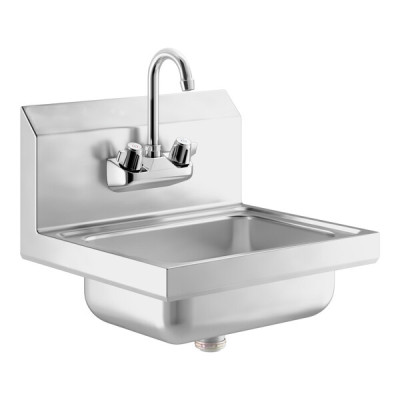
The Impact of Material Selection on Stainless Sink Durability
Choosing the right material for stainless steel sinks is a fundamental decision that deeply affects their longevity, performance, and aesthetic appeal. As leading experts in kitchen fixtures and home renovation, we understand that material quality is not just a matter of appearance but a critical factor influencing resistance to corrosion, scratches, stains, and daily wear and tear. This comprehensive guide explores the intricacies of stainless steel materials, their properties, and how they determine the durability of your sink.
Understanding the Fundamentals of Stainless Steel for Sinks
Stainless steel is an alloy composed primarily of iron, carbon, and a minimum of 10.5% chromium, which imparts corrosion resistance. The chromium content creates a thin, invisible layer of chromium oxide on the surface that protects against oxidation and rust. This alloy's composition and manufacturing process significantly influence the durability, appearance, and maintenance of the sink.
Key Stainless Steel Grades for Sinks
| Grade | Composition | Properties | Applications |
| 304 (18/8) | 18% Chromium, 8% Nickel | Excellent corrosion resistance, high durability | Residential and commercial kitchen sinks |
| 316 (18/10) | 16-18% Chromium, 10-14% Nickel, 2-3% Molybdenum | Superior corrosion resistance, especially in harsh environments | Marine applications, outdoor sinks, high-end kitchens |
| 430 | 16-18% Chromium | Moderate corrosion resistance, less durable | Budget-friendly sinks, decorative applications |
Grade 304 is the most common choice for residential stainless steel sinks, providing a perfect balance of durability and affordability. Grade 316 offers enhanced corrosion resistance for outdoor or coastal environments, making it ideal for premium kitchen fixtures.
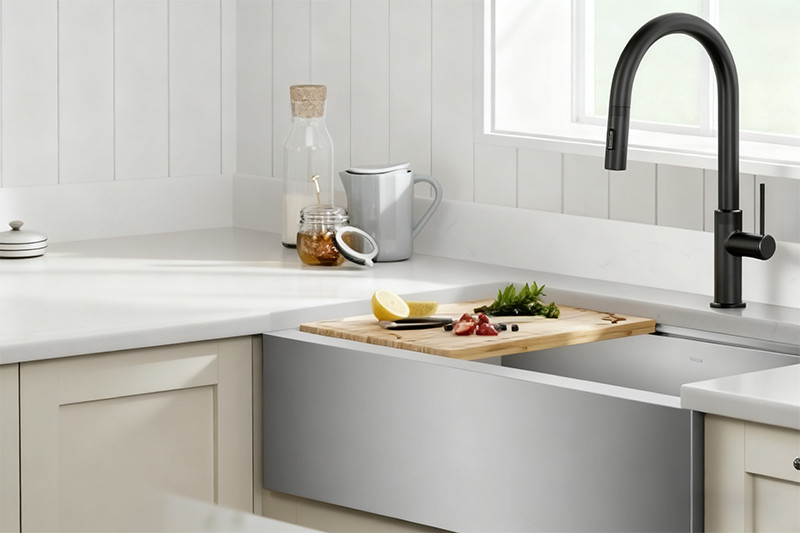
How Material Composition Impacts Sink Durability
Material composition directly correlates with how well a sink withstands various environmental and usage stresses.
Chromium and Nickel Content
-Higher chromium levels improve corrosion resistance by forming a more robust passive oxide layer.
-Nickel enhances ductility and toughness, making the sink more resistant to dents and scratches.
Molybdenum Addition (Grade 316)
-Molybdenum significantly increases resistance to chlorides and saltwater, preventing pitting corrosion in coastal or chemically aggressive environments.
Implications for Durability
-Higher-grade stainless steels (like 316) are less prone to rust and staining, especially under constant water exposure.
-Lower-grade steels (like 430) may corrode faster when exposed to acidic cleaners, hard water minerals, or salt spray.
Surface Finishes and Their Role in Durability
The finish applied to stainless steel sinks influences both aesthetic longevity and resistance to damage.
Common Surface Finishes
| Finish Type | Appearance | Durability | Maintenance |
| Mirror Finish | Highly reflective, smooth | Prone to scratches, shows water spots | Requires regular polishing |
| Brushed (Satin) | Matte, directional grain | More resistant to scratches and fingerprints | Easier to maintain, hides minor imperfections |
| Matte Finish | Non-reflective, uniform | Good scratch resistance, hides stains | Easy to clean, less maintenance |
Brushed finishes are generally preferred for high-durability kitchen sinks because they conceal scratches and resist fingerprints, maintaining their appearance over time.
Impact of Material Thickness on Sink Durability
Material thickness, typically measured in gauge or millimeters, plays a crucial role in structural integrity.
Standard Thicknesses
| Gauge (G) | Approximate Millimeters | Durability | Notes |
| 16 G | 1.5 mm | Very durable, resistant to dents | Common in premium models |
| 18 G | 1.2 mm | Adequate for most residential use | Cost-effective option |
| 20 G | 0.9 mm | Less resistant to impact and deformation | Budget-friendly but less durable |
Thicker sinks (16 G or higher) better withstand impacts, heavy pots, and daily use, ensuring long-term durability.
Corrosion Resistance: The Cornerstone of Longevity
Corrosion resistance is the most critical property impacting sink durability.
Factors Enhancing Corrosion Resistance
-High chromium and nickel content in stainless steel.
-Proper passivation process during manufacturing.
-Avoidance of harsh cleaning chemicals that can strip the protective layer.
-Regular maintenance and cleaning to prevent mineral buildup and staining.
Common Causes of Corrosion
-Hard water minerals and salts depositing on the surface.
-Chemical exposure from acidic cleaners or bleach.
-Scratches that expose underlying metal to corrosive elements.
-Poor manufacturing quality leading to defects or thin protective layers.
Scratch and Dent Resistance: Material and Finish Considerations
Daily use subjects sinks to scratches and dents, which can compromise structural integrity and aesthetic appeal.
Material Factors
-Higher-grade stainless steel (such as 316) resists scratching better due to tougher alloy composition.
-Thicker material adds structural strength, reducing dent susceptibility.
Finish Factors
-Brushed finishes hide minor scratches better than mirror finishes.
-Protective coatings (sometimes applied) can add an extra layer of defense against scratches.
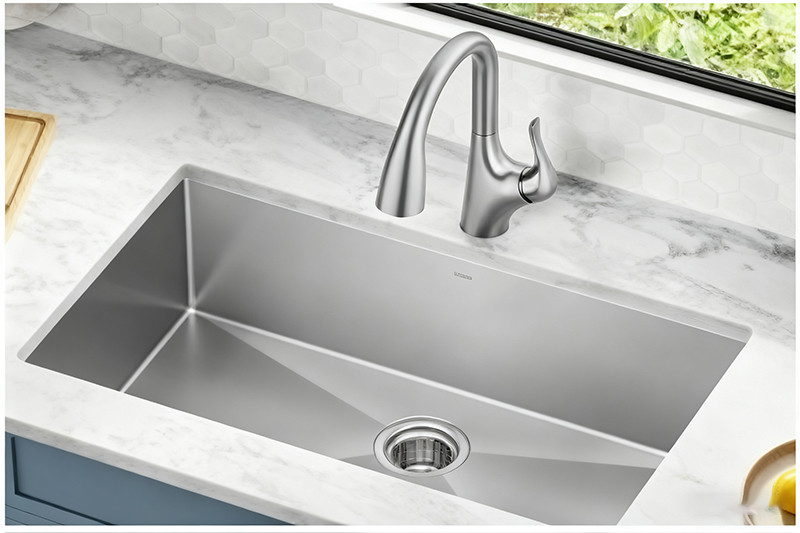
Maintenance Tips for Maximizing Sink Durability
-Use non-abrasive cleaners and soft cloths to prevent scratching.
-Regularly dry the sink to avoid water spots and mineral deposits.
-Avoid harsh chemicals such as bleach or steel wool.
-Install a protective grid or mat to prevent heavy impacts.
-Address stains or corrosion promptly with appropriate cleaners.
Environmental Factors and Their Effect on Material Longevity
Environmental conditions can accelerate wear and corrosion.
Coastal and Humid Climates
-Increased salt exposure requires higher-grade stainless steel (Grade 316).
-Frequent cleaning and protective coatings are recommended.
Chemical Exposure
-Use compatible cleaning agents.
-Avoid acidic or alkaline cleaners that can corrode or discolor the surface.
Conclusion: Material Choice as a Pillar of Durability
The selection of stainless steel material profoundly influences the longevity, appearance, and performance of your sink. High-grade alloys like 316 provide superior resistance against corrosion, staining, and physical damage, ensuring your investment lasts decades. Coupled with appropriate finishes, material thickness, and regular maintenance, the durability of stainless steel sinks can be maximized, maintaining a pristine appearance and reliable function for years to come.
Contact the Samsink team today for The Impact of Material Selection on Stainless Sink Durability Visit https://www.samsink.com/contact-us.htm or email us to get started.