The Ultimate Guide to Commercial Hand Washing Stations: Selection, Compliance, and Hygiene
As we navigate the complexities of operating commercial spaces, one truth remains crystal clear: effective hand hygiene is paramount. From preventing the spread of illness to ensuring compliance with stringent health regulations, the right handwashing setup is a non-negotiable cornerstone of a responsible business.
I'm here to guide you through everything you need to know about commercial hand washing stations, making sure you can confidently select, implement, and maintain the best solutions for your business. We'll cover why these stations are vital, what features to look for, and how to keep them running perfectly to safeguard your customers, employees, and reputation.
This guide will serve as your ultimate resource, whether you're in the demanding world of food service, the critical environment of healthcare, bustling educational settings, or any industry where cleanliness directly impacts safety and success.
Key Takeaways
- Compliance is Mandatory: A dedicated commercial hand washing station is not optional; it is required by health and safety regulations from bodies like OSHA and the FDA to prevent illness and ensure a safe environment for both employees and customers.
- Selection is Crucial: The choice between portable and fixed stations, the type of water heating system, material durability (like stainless steel or polyethylene), and water capacity are critical decisions that depend on your business's specific needs, volume, and location.
- Hygiene is in the Details: Features like touchless faucets, foot pedals, and integrated soap and towel dispensers significantly reduce cross-contamination points, enhancing the overall effectiveness of the hygiene protocol. ADA compliance ensures accessibility for everyone.
- Maintenance Ensures Longevity: A consistent cleaning and maintenance schedule is essential for the optimal performance, hygiene, and long lifespan of your hand washing station. This includes daily sanitization, regular inspections of components, and prompt troubleshooting of any issues. Models from trusted brands like Samsink are designed for durability but still require proper care.
Why Every Business Needs a Dedicated Commercial Hand Washing Station
In any commercial setting, the presence of a dedicated hand washing station transcends mere convenience; it is a fundamental pillar of public health, operational integrity, and legal compliance. These stations are the frontline defense in the ongoing battle against pathogens, serving as a critical control point to protect both staff and the public. Investing in a high-quality commercial hand washing station is an investment in your business's health, reputation, and long-term viability.
Meeting Health and Safety Regulations with Your Commercial Hand Washing Station
Operating a commercial establishment in the United States means adhering to a complex web of regulations set forth by federal, state, and local authorities. Chief among these are the standards for sanitation and hygiene, with a major focus on handwashing facilities. Failure to comply can lead to significant fines, forced closures, and irreparable damage to your reputation.
Federal agencies like the Occupational Safety and Health Administration (OSHA) and the Food and Drug Administration (FDA) provide the foundational guidelines that most local health departments adapt and enforce.
Key Regulatory Requirements for Hand Washing Stations:
- Dedicated Use: The FDA Food Code is unequivocal: handwashing sinks must be used exclusively for washing hands. Using these sinks for food preparation, utensil washing, or any other purpose is a direct violation that can lead to cross-contamination and health inspection failures.
- Accessibility and Location: Handwashing stations must be conveniently located and easily accessible to all employees. For food service establishments, this means placing a sink inside or at the entrance to food preparation areas. The rule of thumb is that a sink should be within a 25-foot radius of work zones to encourage frequent use. These stations must remain unobstructed at all times.
- Water Temperature: Hot water is essential for effective handwashing. While OSHA broadly requires lukewarm water, the FDA Food Code provides more specific guidance. The 2022 update specifies that water delivered to a handwashing sink should be at a minimum temperature of 85°F (approximately 30°C). This ensures that soaps can lather effectively and help remove grease and microbes.
- Required Supplies: A compliant handwashing station is more than just a sink basin. Regulations mandate that they must be equipped with:
- Soap: An adequate supply of hand soap (liquid, powder, or bar) must always be available.
- Hand-Drying Method: A hygienic means for drying hands is required, which can be single-use paper towels or a sanitary hand dryer.
- Waste Receptacle: If paper towels are used, a designated trash bin must be placed nearby for their disposal.
- Signage: A clear and visible sign must be posted at each handwashing station, instructing employees to wash their hands.
For specific industries, such as construction, OSHA requires handwashing facilities for any site with 11 or more employees where contaminants are present. In healthcare and dental settings, hand hygiene rules are even more stringent, with requirements to wash hands immediately after removing gloves or following any contact with potentially infectious materials. Portable sink solutions, such as those offered by Samsink, are an excellent way to ensure compliance in temporary or mobile settings like food trucks, outdoor events, or construction sites, as they can be configured to meet all these regulatory standards.
Preventing Illness and Cross-Contamination with a Commercial Hand Washing Station
A commercial hand washing station is far more than a regulatory box to be checked; it is your business's most effective tool in preventing the invisible spread of pathogens. The human hand is a primary vector for transmitting germs, and in a commercial environment, the opportunities for cross-contamination are endless. It is estimated that 80% of common infections are spread by hand contact.
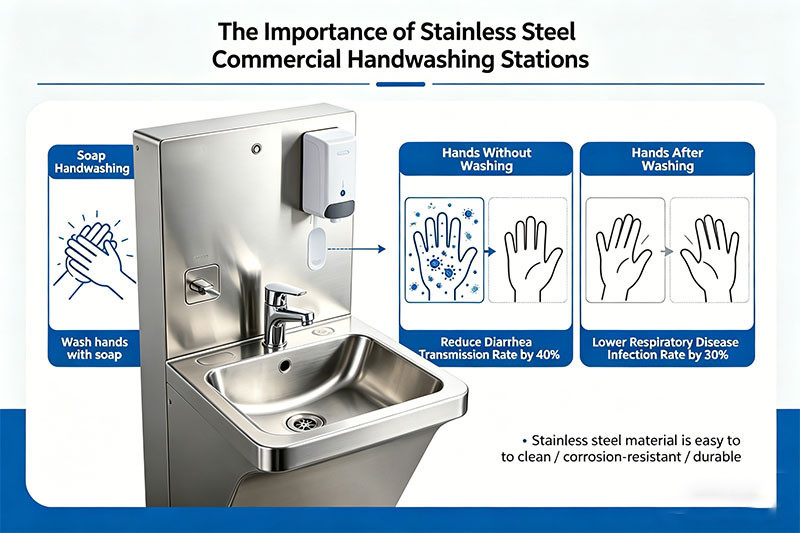
The U.S. Centers for Disease Control and Prevention (CDC) has extensively documented the power of proper hand hygiene. Studies show that educating communities and providing access to handwashing facilities can:
- Reduce the number of people who get sick with diarrhea by up to 40%.
- Decrease respiratory illnesses, like the common cold, in the general population by up to 21%.
- Lower absenteeism due to gastrointestinal illness in schoolchildren by as much as 57%.
In a commercial setting, these statistics translate directly to the health of your employees and customers. An employee handling raw meat who then prepares a salad without washing their hands can easily transfer harmful bacteria like E. coli or Salmonella. Similarly, an office worker with the flu who touches a doorknob can leave a trail of viruses that can be picked up by colleagues. These scenarios lead to foodborne illness outbreaks, workplace epidemics, lost productivity, and a severe loss of customer trust.
Common illnesses spread by poor hand hygiene include:
- Norovirus: The leading cause of viral gastroenteritis, it is notoriously contagious and can spread rapidly in close quarters like offices, schools, and cruise ships.
- Respiratory Illnesses: The common cold and influenza are frequently spread when droplets from a cough or sneeze land on a surface, which is then touched by someone else. Proper handwashing breaks this chain of transmission.
- Hepatitis A: This viral infection is often spread through food contaminated by an infected person who did not wash their hands properly after using the restroom.
- Nosocomial Infections: Infections acquired in healthcare settings, such as MRSA, are often transmitted via the hands of healthcare workers. Adherence to strict hand hygiene protocols is critical in these environments.
Implementing rigorous handwashing practices is the simplest and most powerful way to mitigate these risks. Providing a well-maintained and accessible commercial hand washing station encourages the frequent and correct handwashing behavior needed to break the cycle of infection and prevent cross-contamination.
Enhancing Productivity and Employee Well-being with Accessible Commercial Hand Washing Stations
Investing in quality hand washing stations goes beyond disease prevention; it's a direct investment in your workforce's productivity and overall well-being. A clean, hygienic workplace has a profound and measurable impact on employee morale, focus, and attendance.
Reducing Absenteeism and Enhancing Health Nothing disrupts workflow and productivity more than employee sickness. The typical office desk can harbor hundreds of times more bacteria than a toilet seat, making it a hotspot for germ transmission. When employees have easy and convenient access to handwashing facilities, they are more likely to clean their hands regularly throughout the day. This simple act dramatically reduces the spread of common illnesses.
Studies have consistently shown the direct link between hand hygiene programs and attendance:
- A comprehensive workplace hand hygiene program was found to significantly reduce hygiene-preventable healthcare claims by over 20%.
- Implementing hand hygiene interventions in office buildings has been shown to lower the incidence of preventable healthcare claims by 24.3% and reduce absences by 7.7%.
- In educational settings, providing access to hand sanitizer and handwashing instruction has been shown to reduce student absenteeism by more than 50%.
Fewer sick days mean a more consistent, reliable, and productive workforce. This translates to fewer project delays, better customer service, and a healthier bottom line.
Boosting Morale and Demonstrating Value The physical state of a workplace sends a powerful, albeit often unspoken, message to employees. A clean, well-maintained environment with visible and accessible hygiene facilities demonstrates that the employer cares about the health and well-being of its staff. This fosters a sense of being valued and respected, which is a cornerstone of positive employee morale.
Conversely, a neglected or unsanitary environment can lead to feelings of being undervalued, increased stress, and a lack of motivation. When employees see that their employer is investing in their safety and comfort—through measures like providing high-quality Samsink hand washing stations—they are more likely to feel pride in their workplace and be more engaged in their work. This leads to a more positive company culture, better teamwork, and lower employee turnover. In essence, a visible commitment to hygiene is a commitment to your people.
Key Considerations for Selecting the Perfect Commercial Hand Washing Station
Choosing the right commercial hand washing station is a critical decision that impacts compliance, user experience, and your budget. With a wide array of options available, it's essential to analyze your specific needs to make an informed choice. Factors such as location, user volume, plumbing access, and durability all play a significant role in determining the ideal solution for your business.
Water Supply and Heating: Essential Features for a Commercial Hand Washing Station
A defining feature of any functional hand washing station is its ability to deliver clean, temperature-appropriate water. Health codes often mandate the availability of both hot and cold running water. How a station achieves this is a primary consideration, as it affects both its utility and placement.
Instant Hot Water: Built-in Heaters vs. Traditional Connections
The requirement for warm water—essential for effectively removing greasy soils and ensuring user comfort—presents a choice between tapping into a building's existing plumbing or utilizing a self-contained unit with its own heating system.
Traditional Plumbing Connections: For fixed stations in a permanent location with accessible plumbing, connecting directly to the building's hot and cold water lines is a straightforward option. This provides a continuous and reliable water supply without the need to refill tanks. However, this approach is inflexible, expensive to install, and not feasible for mobile applications, outdoor venues, or temporary setups.
Built-in Heaters in Portable Stations: High-quality portable hand washing stations, like many models from Samsink, solve this problem by incorporating on-demand, point-of-use water heaters. These are often compact, tankless electric heaters that heat water instantly as it flows toward the faucet. The benefits of this system are numerous:
- Energy Efficiency: Unlike traditional tank water heaters that constantly burn energy to keep a large volume of water hot, tankless heaters only consume energy when hot water is actually being used. This on-demand heating can lead to significant energy savings, with some businesses reporting reductions of up to 30% on their water heating costs.
- Endless Hot Water: A major drawback of small tank-style heaters is running out of hot water during peak usage. A tankless system heats water as it's needed, ensuring a continuous supply that can keep up with high demand in busy commercial environments.
- Compliance and Safety: These heaters are designed to deliver water at a consistent and safe temperature, meeting the specific requirements of health codes (often a minimum of 85°F).
- Flexibility and Lower Installation Costs: The primary advantage of a portable sink is its mobility. An integrated heater allows the unit to be completely self-contained, requiring only a standard electrical outlet to provide hot and cold running water anywhere. This eliminates the massive cost and disruption of professional plumbing installation.
The following table compares the two primary methods of providing hot water:
| Feature | Traditional Plumbing Connection | Built-in Tankless Heater (in Portable Sink) |
|---|---|---|
| Mobility | None; fixed to one location. | High; can be moved anywhere with an electrical outlet. |
| Installation | Requires professional plumbers, significant cost, and potential construction. | Plug-and-play; no plumbing required. |
| Energy Use | Relies on a central water heater, which often has standby heat loss. | Heats water on-demand, significantly reducing energy consumption. |
| Water Supply | Continuous from the main line. | Limited by the size of the fresh water tank; requires refilling. |
| Upfront Cost | High, especially if new plumbing lines are needed. | Included in the cost of the portable sink; generally lower than plumbing installation. |
| Best For | Permanent, high-volume locations like commercial kitchens and restrooms. | Mobile vendors, outdoor events, temporary sites, and any location without plumbing. |
By opting for a station with a built-in instant heater, businesses gain unparalleled flexibility without sacrificing the critical function of providing warm water for effective and comfortable handwashing.
Water Capacity and Wastewater Management
For portable hand washing stations, the self-contained water system is their greatest strength. However, this system requires careful management of both the clean water supply and the resulting wastewater.
The Dual-Tank System Explained Professional-grade portable sinks operate on a crucial dual-tank system to prevent any possibility of cross-contamination:
- Freshwater Tank: This tank holds the clean, potable water used for handwashing. Its capacity determines how many uses the station can provide before needing a refill.
- Wastewater (Greywater) Tank: This tank collects the used water (containing soap, dirt, and germs) that goes down the drain. To prevent hazardous overflows, this tank is always designed to be larger than the freshwater tank. This ensures that even when the freshwater runs out, there is still space in the wastewater tank to safely contain it all.
Calculating Your Needs The required tank capacity depends entirely on the expected volume of use. A small office might only need a 5-to-10-gallon system, while a large public event or a busy construction site will require a much larger capacity to avoid constant refilling and emptying.
Here's a rough guide to estimate usage:
- A typical person uses about 8 ounces (0.0625 gallons) of water per handwash.
- A 16-gallon freshwater tank can therefore provide approximately 250 hand washes.
When selecting a station, overestimate your needs to ensure the unit doesn't run dry during a critical time. For very high-traffic scenarios, multi-user stations or having multiple single-user units is a more practical approach.
Wastewater Management and Disposal The "greywater" collected in the wastewater tank is contaminated and must be disposed of properly and hygienically. Simply dumping it on the ground is often illegal, unsanitary, and environmentally irresponsible.
Proper disposal methods include:
- Sanitary Sewer: The most common and accepted method is to empty the wastewater tank into a designated sanitary sewer drain, such as a janitorial mop sink or a toilet.
- RV Dump Station: For mobile operations, designated RV dump stations are equipped to handle greywater.
- Professional Servicing: For large events or long-term rentals, sanitation companies can be contracted to regularly empty and service the tanks.
It's crucial to consult local health and environmental regulations regarding greywater disposal. When handling the tanks, staff should wear appropriate personal protective equipment (PPE) like gloves to avoid contact with the contaminated water. After emptying, the wastewater tank should be rinsed and sanitized before being placed back into service to prevent odors and bacterial growth.
Mobility and Placement: Choosing a Portable or Fixed Commercial Hand Washing Station
One of the most fundamental decisions in selecting a hand washing station is choosing between a fixed, plumbed-in unit and a mobile, portable one. This choice dictates not only the station's location but also its flexibility and overall cost.
Fixed Hand Washing Stations Fixed stations are permanent fixtures plumbed directly into a building's water supply and drainage system.
- Pros: They offer the ultimate convenience with a continuous, uninterrupted supply of water and direct, maintenance-free wastewater disposal. They are robust, stable, and ideal for high-traffic, permanent locations where hygiene is paramount.
- Cons: Their biggest drawback is a complete lack of mobility. Installation is a significant undertaking, requiring professional plumbers and potentially disruptive construction, which translates to a high upfront cost. Their location is permanent, offering no flexibility if a business's layout or needs change.
Portable Hand Washing Stations Portable hand washing stations are self-contained units that carry their own water supply and wastewater storage.
- Pros: The primary advantage is unparalleled flexibility. These stations can be placed anywhere they are needed, both indoors and outdoors, making them essential for events, food trucks, construction sites, classrooms, and pop-up clinics. They require no costly plumbing installation and can be moved easily to adapt to changing workflows or locations. This makes them a highly cost-effective and immediate solution for meeting hygiene requirements.
- Cons: Their reliance on internal tanks means they have a finite number of uses before the freshwater tank needs refilling and the wastewater tank needs emptying. This requires a diligent maintenance routine, especially in high-use settings.
| Feature | Fixed (Plumbed-In) Station | Portable Station |
|---|---|---|
| Mobility | None (Permanent) | High (Can be moved anywhere) |
| Ideal Use Cases | Commercial kitchens, permanent restrooms, healthcare facilities. | Outdoor events, food vendors, construction sites, temporary facilities, classrooms. |
| Installation | Expensive and requires a professional plumber. | Simple setup, often just requiring an electrical outlet if a heater is included. |
| Water Supply | Continuous. | Limited by tank size. |
| Maintenance | Minimal; standard cleaning. | Requires regular refilling of freshwater and emptying of wastewater. |
Strategic Placement is Key Regardless of the type of station you choose, its placement is critical for ensuring it gets used. According to health department guidelines, hand washing sinks must be conveniently located to encourage frequent use.
- In Commercial Kitchens: Sinks must be located in or near every food preparation, food dispensing, and warewashing area. A common rule is to have a sink within 25 feet of each workstation to prevent employees from walking across the kitchen with contaminated hands. Placing a sink at the entrance to the kitchen serves as a powerful visual cue for staff to wash their hands immediately upon entering.
- At Events and Public Venues: Portable stations should be strategically placed in high-traffic areas. This includes near portable toilets, next to food and beverage vendors, and at the entry/exit points of the venue. Visible and accessible stations not only meet regulatory needs but also enhance guest comfort and safety.
Ultimately, the choice between portable and fixed depends on your operational needs. For businesses that require adaptability, operate in various locations, or need a quick and compliant solution without major construction, portable hand washing stations are the superior choice.
Durability and Materials: Building a Long-Lasting Commercial Hand Washing Station
A commercial hand washing station is an investment that needs to withstand the rigors of its environment, whether it's a bustling kitchen, a construction site, or a high-traffic public event. The materials used in its construction are the single most important factor determining its lifespan, hygiene, and long-term value.
Common Materials and Their Properties
Two materials dominate the commercial sink market: stainless steel and high-density polyethylene (HDPE). Each has distinct advantages tailored to different applications.
Stainless Steel: Often considered the gold standard for commercial hygiene equipment, stainless steel is the material of choice for most fixed sinks and high-end portable units, including those from premium brands like Samsink.
- Durability: Stainless steel is incredibly tough and resistant to impacts, dents, and scratches, which are common in a busy commercial environment.
- Hygienic Surface: Its non-porous nature is its greatest asset. A smooth, non-porous surface provides nowhere for bacteria, mold, or germs to hide, making it exceptionally easy to clean and sanitize to meet health code standards.
- Corrosion and Heat Resistance: High-quality grades of stainless steel (like 304 or 316) offer excellent resistance to rust, corrosion, and damage from harsh cleaning chemicals and high temperatures. This ensures the sink maintains its integrity and appearance over years of use.
- Professional Aesthetic: Stainless steel provides a sleek, clean, and professional appearance that fits well in food service, healthcare, and other public-facing environments.
High-Density Polyethylene (HDPE): HDPE is a robust, industrial-grade plastic commonly used for the cabinets and tanks of portable hand washing stations.
- Lightweight and Mobile: Compared to stainless steel, HDPE is much lighter, making it ideal for portable units that need to be moved frequently.
- Impact Resistance: While not as hard as steel, HDPE is very durable and can absorb impacts without cracking or shattering, making it suitable for rugged outdoor or construction settings.
- - Weather and Chemical Resistance: HDPE is inherently resistant to moisture, a wide range of chemicals, and UV degradation, preventing it from becoming brittle or discolored when used outdoors.
- Cost-Effective: HDPE is generally a more budget-friendly material, making it a popular choice for large-scale deployments of portable stations.
Here is a comparison of the key attributes:
| Feature | Stainless Steel | High-Density Polyethylene (HDPE) |
|---|---|---|
| Primary Use | Sink basins, countertops, high-end cabinets | Portable station cabinets, water tanks |
| Hygiene | Excellent (non-porous) | Good (smooth surface) |
| Durability | Excellent (resists scratches, dents) | Very Good (resists impact, cracks) |
| Weight | Heavy | Lightweight |
| Cost | Higher | Lower |
| Best For | Food service, healthcare, permanent installations, premium portable units. | Outdoor events, construction sites, schools, general-purpose portable units. |
The Importance of NSF Certification When selecting any equipment for a food service or public health application, look for the NSF (National Sanitation Foundation) certification. An NSF certification means that the product has been independently tested and verified to meet strict standards for public health and safety. For a hand washing station, this ensures that the materials used are non-porous, durable, corrosion-resistant, and easy to clean, providing a critical layer of assurance that you are investing in a compliant and safe product.
User-Friendly Design: Maximizing Hygiene and Accessibility with Your Commercial Hand Washing Station
The most effective hand washing station is one that is both easy and inviting to use. A user-friendly design goes beyond basic functionality; it incorporates features that actively promote better hygiene, ensure accessibility for all users, and streamline the entire process of washing hands.
Touchless Faucets and Foot Pedals
One of the most critical points of cross-contamination in the entire handwashing process is the faucet handle itself. A person with dirty hands touches the handle to turn on the water, washes their hands, and then touches the same contaminated handle to turn the water off, potentially re-contaminating their clean hands immediately.
Hands-free activation technologies eliminate this fundamental flaw. The two most common and effective methods are motion-activated sensors and foot-operated pedals.
Touchless (Motion-Sensor) Faucets These faucets use an infrared sensor to detect the presence of hands. When a user places their hands under the spout, the sensor signals a valve to open, and water flows automatically. When the hands are removed, the water shuts off.
- Hygiene: This is the most significant benefit. By eliminating physical contact with the faucet, the risk of spreading germs and bacteria is drastically reduced. This is especially vital in high-traffic public restrooms, healthcare settings, and commercial kitchens.
- Water Conservation: Sensor faucets only run when hands are detected, preventing water from being left running accidentally. This can lead to substantial water savings, which is both environmentally responsible and cost-effective.
- Modern Appeal: Touchless faucets add a sleek, modern aesthetic and signal a commitment to cutting-edge hygiene, enhancing user perception of the facility.
Foot Pedals Foot-pedal-operated sinks provide another robust hands-free solution. Users press on a pedal at the base of the unit to start the flow of water and release it to stop.
- Durability and Simplicity: Foot pedals are a mechanical system with fewer electronic parts than sensor faucets, making them extremely durable, reliable, and easy to maintain, especially in rugged environments like construction sites or outdoor festivals.
- Complete Control: Unlike some timed sensors, a foot pedal gives the user complete control over the water flow, allowing them to use it for as long as needed without having to reactivate a sensor.
- Proven Hygiene: Like sensor faucets, foot pedals achieve the main goal of eliminating hand contact with the fixture, thus preventing re-contamination after washing.
Both touchless faucets and foot pedals are excellent choices for maximizing hygiene. Motion-sensor faucets offer a more technologically advanced and water-saving approach, while foot pedals provide a mechanically simple and highly durable alternative. The choice often depends on the specific environment, with sensor faucets being popular in indoor commercial settings and foot pedals being a stalwart for portable and heavy-duty applications.
Storage Solutions and ADA Compliance
A well-designed hand washing station should be an all-in-one hygiene hub. This means integrating essential supplies and ensuring the unit is accessible to everyone, including individuals with disabilities.
Integrated Storage and Dispensers A cluttered and disorganized handwashing area is not only inefficient but also unhygienic. Having to search for soap or paper towels defeats the purpose of providing a convenient station. High-quality commercial hand washing stations address this by incorporating storage solutions directly into the unit.
- Enclosed Cabinets: Many portable sinks, including models from Samsink, are built into a cabinet structure. This enclosed space neatly houses the water tanks and pump, but it also provides valuable storage for extra supplies like soap refills, stacks of paper towels, and cleaning products. This keeps everything organized, clean, and readily available for restocking.
- Integrated Dispensers: To create a seamless user experience, many stations come with built-in or attachable dispensers for soap and paper towels. An integrated soap dispenser eliminates messy, loose soap bottles that can fall or become contaminated. Likewise, a dedicated paper towel dispenser protects towels from splashes and ensures they are dispensed one at a time, reducing waste.
ADA Compliance The Americans with Disabilities Act (ADA) sets forth enforceable standards to ensure public spaces and facilities are accessible to individuals with disabilities. When selecting a hand washing station, particularly for public restrooms or common areas, ensuring ADA compliance is a legal and ethical necessity.
Key ADA requirements for sinks include:
- Height: The front rim or counter surface of the sink must be no higher than 34 inches from the finished floor.
- Knee Clearance: There must be adequate space underneath the sink to allow for a forward approach by a person in a wheelchair. This includes a minimum height of 27 inches, a width of 30 inches, and a depth of 19 inches.
- Clear Floor Space: A clear floor space of at least 30 by 48 inches must be provided in front of the sink for maneuverability.
- Faucet Controls: Faucets must be operable with one hand and require minimal force. Lever-operated, push-type, and touchless or electronically controlled mechanisms are all compliant.
- Exposed Pipes: Any hot water or drain pipes under the sink must be insulated or otherwise configured to protect against contact and prevent injury.
Choosing an ADA-compliant model ensures that your facility is inclusive and accessible to all employees and customers, while also protecting your business from potential legal issues related to non-compliance.
Comparing Types of Commercial Hand Washing Stations for Different Needs
The market for commercial hand washing stations is diverse, with models ranging from simple, utilitarian units to advanced, feature-rich systems. The right choice depends on your specific application, budget, required features, and the expected volume of users. Understanding the different tiers of a product can help you make an investment that aligns perfectly with your business goals.
Basic Models: Simple and Effective Commercial Hand Washing Stations
For environments where budget is the primary driver and hot water is not mandated by local health codes, basic hand washing stations offer a simple, effective, and economical solution. These no-frills units are designed for functionality and are particularly well-suited for settings like construction sites, agricultural fields, and certain outdoor recreational events.
Key Features of Basic Models: Basic portable hand washing stations streamline hygiene to its essential components. Their design prioritizes durability and low cost over advanced features.
- Cold Water Only: The most defining feature of a basic model is that it typically provides only cold water. By forgoing an internal water heater, these units reduce cost, complexity, and the need for an electrical power source.
- Manual Operation: To further simplify the design and enhance durability, many basic models utilize a manual foot pump to draw water from the freshwater tank. This mechanical system is robust, reliable, and requires no electricity, making it perfect for remote locations.
- Core Components: While they lack advanced features, basic stations still provide the fundamental necessities for handwashing. They consist of a freshwater tank, a larger wastewater tank, a sink basin, a faucet (operated by the pump), and often have integrated dispensers for soap and paper towels.
- Durable Construction: These units are typically constructed from rugged high-density polyethylene (HDPE), which is lightweight and can withstand the harsh conditions of an outdoor work environment.
Ideal Applications: The simplicity and low cost of these stations make them a practical choice for numerous applications:
- Construction and Job Sites: Provide workers with necessary hygiene facilities in areas far from permanent plumbing.
- Farms and Agriculture: Offer field workers a way to clean their hands after handling produce or soil.
- Parks and Recreation Areas: Supplement existing restroom facilities or provide sanitation in more remote areas.
- Emergency and Disaster Relief: Can be rapidly deployed to provide basic hygiene in situations where infrastructure is damaged or non-existent.
While these models are highly effective for their intended purpose, it is crucial to verify with local health authorities whether a cold-water-only station meets the compliance requirements for your specific industry or event type, as many jurisdictions legally mandate the availability of hot water.
Advanced Options: Feature-Rich Commercial Hand Washing Stations
For businesses and events that require more than just the basics, advanced commercial hand washing stations offer a suite of features designed to enhance hygiene, user experience, and operational efficiency. These models, such as the premium lines offered by Samsink, are ideal for hospitality settings, corporate events, healthcare clinics, and any environment where quality and functionality are paramount.
Hallmarks of an Advanced Station: Advanced models integrate technology and thoughtful design to create a superior handwashing experience.
- Integrated Hot Water Heaters: A key feature is the inclusion of an on-demand electric water heater. This provides instant and continuous hot water, meeting health code requirements and providing a more comfortable and effective wash for users without any need for plumbing.
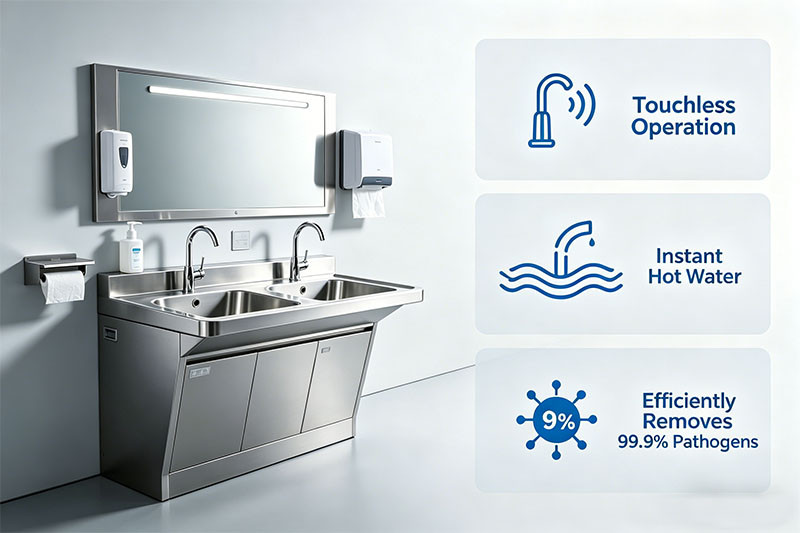
- Hands-Free Operation: To minimize cross-contamination, advanced stations almost always feature hands-free activation. This is typically achieved through an infrared motion sensor that starts the water flow when hands are present or through durable foot pedals.
- Multiple Basins: For high-traffic areas, multi-basin stations are an efficient solution. These units feature two, three, or even four separate sink basins in a single station, allowing multiple users to wash their hands simultaneously. This dramatically reduces wait times at large events or in busy workplace restrooms.
- High-Quality Construction: Advanced models are built to last, often featuring durable stainless steel basins that are non-porous and easy to sanitize. The cabinetry is typically made from robust materials that resist scratches, stains, and wear.
- Comprehensive Hygiene Hub: These stations often come fully equipped as all-in-one hygiene hubs, with integrated soap dispensers, paper towel dispensers, and sometimes even a built-in trash receptacle. This keeps the area neat and ensures all necessary supplies are within arm's reach.
Automated Handwashing Systems: At the highest end of the spectrum are fully automated handwashing stations. These cutting-edge systems are designed for environments requiring the strictest hygiene protocols, like food processing plants and healthcare facilities. In a quick, touch-free cycle (often lasting only 10-15 seconds), these machines envelop the hands with a mist of water and sanitizing solution, effectively removing over 99.9% of pathogens. They often include features like compliance tracking to monitor handwashing frequency, ensuring adherence to safety standards.
Choosing an advanced hand washing station is an investment in superior hygiene, operational efficiency, and user satisfaction.
Professional-Grade Commercial Hand Washing Stations: Designed for High-Volume Environments
In environments where hygiene is critical and foot traffic is constant—such as busy commercial kitchens, food processing plants, healthcare facilities, and large-scale industrial operations—only a professional-grade hand washing station will suffice. These units are engineered for maximum durability, absolute hygiene, and high-volume use, ensuring they perform reliably under relentless demand.
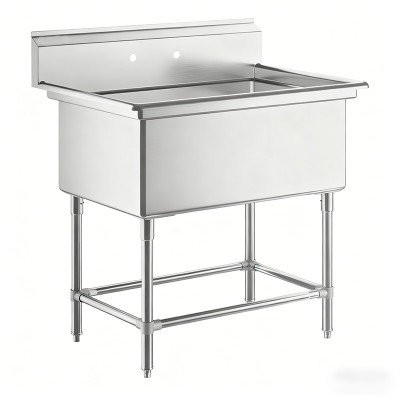
Built for Durability and Intense Use: Professional-grade sinks are defined by their robust construction. The non-negotiable material of choice is heavy-gauge stainless steel, typically high-quality 304 or even 316 grade for superior corrosion resistance. This material is not only tough enough to resist dents and damage from heavy use but is also non-porous, making it the most hygienic option. Its smooth surface prevents bacteria from harboring and is easy to clean and sanitize, a critical requirement in any food service or medical setting.
NSF Certification: The Mark of a Professional: For any equipment used in commercial food service, NSF (National Sanitation Foundation) certification is the minimum standard. An NSF-certified sink has been rigorously tested to ensure it meets strict public health and safety requirements for design, construction, and materials. Choosing an NSF-certified model from a reputable manufacturer like Samsink guarantees that the station is built for professional use and will pass health inspections.
Designed for High-Volume Workflow: Professional stations are designed with efficiency in mind to handle a large number of users without creating bottlenecks.
- Multi-Station and Trough Sinks: To accommodate multiple users at once, these environments often utilize sinks with two, three, or more basins. Trough sinks, which are long, continuous basins, are also popular in high-traffic restrooms and facilities.
- Hands-Free Operation: In a professional setting, hands-free operation via foot pedals, knee levers, or motion sensors is standard practice. This is essential for preventing cross-contamination, especially for chefs and healthcare workers who must maintain the highest levels of cleanliness.
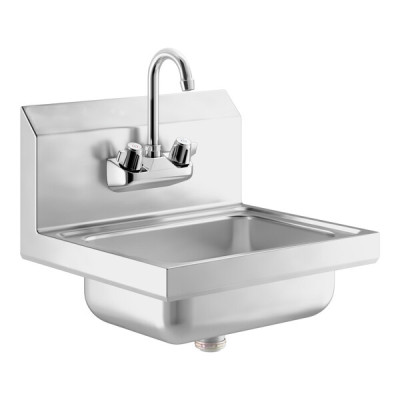
- Ergonomic Design: Features like deep basins to prevent splashing and gooseneck faucets provide ample room for workers to thoroughly wash their hands and forearms, as is often required by hygiene protocols.
For industries where hygiene compliance is directly tied to safety and legal standards, investing in a professional-grade station is not just a best practice—it is an operational necessity.
Renting vs. Buying a Commercial Hand Washing Station: What's Right for Your Business?
After deciding on the type of hand washing station your business needs, the final strategic question is one of acquisition: should you buy the unit outright or rent it? This decision hinges on the duration of your need, your capital budget, and your capacity for maintenance and storage.
Renting a Hand Washing Station Renting is the ideal solution for short-term or temporary needs. It offers flexibility and convenience without a large upfront investment.
- When to Rent:
- Single or Short-Term Events: Perfect for weekend festivals, concerts, weddings, and farmers' markets.
- Temporary Projects: Ideal for construction sites or renovation projects that will only last a few weeks or months.
- Seasonal Demands: A great option for businesses that experience seasonal peaks, such as holiday pop-up shops or summer beer gardens.
- Emergency Situations: Provides a rapid hygiene solution in response to natural disasters or public health emergencies.
| Pros of Renting | Cons of Renting |
|---|---|
| Lower Upfront Cost: No large capital expenditure is required, preserving cash flow. | Higher Long-Term Cost: For continuous needs, the cumulative cost of renting will eventually exceed the purchase price. |
| Maintenance Included: The rental company is responsible for all servicing, including delivery, setup, refilling supplies, and waste removal. | Limited Customization: You are limited to the models and features the rental company has in stock. |
| No Storage or Transport Hassles: The rental company handles all logistics, delivering the units when needed and picking them up afterward. | Availability Issues: During peak season or for large events, securing enough units can be challenging if not booked in advance. |
| Guaranteed Compliance: Reputable rental companies provide units that are compliant with local health and safety regulations. | Dependence on a Third Party: You rely on the rental company for timely service and support. |
Buying a Hand Washing Station Buying a hand washing station is a long-term investment best suited for businesses with ongoing, permanent needs.
- When to Buy:
- Permanent Business Operations: Essential for restaurants, childcare centers, schools, clinics, and any business that requires permanent hygiene facilities.
- Frequent Mobile Operations: For businesses that operate frequently in different locations, like a food truck or a mobile catering company, owning a portable unit is more cost-effective than renting for every event.
- Long-Term Construction or Industrial Sites: For projects spanning many months or years, purchasing is often the more economical choice.
| Pros of Buying | Cons of Buying |
|---|---|
| Lower Long-Term Cost: The initial investment pays off over time, making it the more economical choice for ongoing use. | High Upfront Cost: Requires a significant capital outlay to purchase the equipment. |
| Full Ownership and Control: You own the asset and can customize it to your exact specifications. | Maintenance is Your Responsibility: You are responsible for all cleaning, restocking, and repairs. |
| Always Available: The unit is always on hand when you need it, with no reliance on rental company availability. | Storage and Transport: You must arrange for the storage and transportation of the unit if it's portable. |
| Potential Tax Benefits: The purchase may be treated as a capital expense that can be depreciated over time. | Depreciation: The asset will lose value over time. |
The Verdict: The decision is straightforward: for short-term, temporary, or infrequent needs, renting is the most practical and cost-effective solution. For permanent locations or businesses with frequent, ongoing mobile needs, buying represents a wiser long-term investment.
Maintaining Your Commercial Hand Washing Station for Optimal Hygiene and Longevity
Purchasing a high-quality hand washing station is only the first step. To ensure it remains a reliable and hygienic asset for your business, a consistent maintenance and cleaning regimen is essential. Proper care not only safeguards the health of your users but also protects your investment by extending the lifespan of the unit and preventing costly repairs.
Establishing a Daily Cleaning Routine for Your Commercial Hand Washing Station
A hand washing station can only be effective if it is kept clean. A dirty sink area can become a breeding ground for bacteria, defeating its purpose. Establishing a consistent daily cleaning routine is crucial for maintaining a hygienic environment and ensuring the station is always ready for use.
This routine should be performed at least once a day, and more frequently in high-traffic settings like busy restaurants or public venues.
Daily Hand Washing Station Cleaning Checklist:
| Task | Instructions | Frequency |
|---|---|---|
| Step 1: Prepare the Area | Clear any items from around the sink. Put on disposable gloves to protect your hands. | Daily |
| Step 2: Clean Surfaces | Using a soft cloth and a mild, non-abrasive cleaner, wipe down the entire station. This includes the sink basin, faucet, handles or activation sensors, and the surrounding countertop and backsplash. | Daily |
| Step 3: Sanitize Surfaces | After cleaning, sanitize all surfaces with a food-safe sanitizer, especially for stations in food service areas. Products containing chlorine, iodine, or quaternary ammonium compounds are common. Always follow the manufacturer's instructions for the correct dilution and contact time. Allow the surfaces to air dry. | Daily |
| Step 4: Clean Dispensers | Wipe down the exterior of soap and paper towel dispensers to remove fingerprints and smudges. Check for any soap residue buildup around the nozzle and clean it away. | Daily |
| Step 5: Restock All Supplies | Check the levels of soap and paper towels. Refill dispensers as needed to ensure the station is fully stocked for the next user. A station without soap or towels is not functional. | Daily (or as needed) |
| Step 6: Empty Trash | Empty the waste receptacle for used paper towels. Replace the liner. An overflowing trash can is unhygienic and deters use of the station. | Daily (or as needed) |
| Step 7: Clean the Floor | Mop and disinfect the floor area around the station to clean up any water splashes and prevent slip hazards. | Daily |
| Step 8: Inspect and Report | Do a final visual check for any leaks, damage, or other issues. Report any problems to maintenance immediately. | Daily |
Choosing the Right Cleaners and Sanitizers:
- Cleaners: Use mild detergents or soaps. Avoid abrasive cleaners or scrubbing pads that can scratch stainless steel or plastic surfaces, as these scratches can harbor bacteria.
- Sanitizers: For food-contact surfaces and food service environments, it is critical to use an EPA-registered food-safe sanitizer. Follow the product's directions precisely to ensure it is effective. A common and cost-effective option is a bleach solution (typically a 10% bleach-to-water mixture), but always verify compatibility with your sink's materials. For example, some manufacturers advise against using bleach on their specific products.
By assigning and consistently performing these daily tasks, you ensure the station remains an effective tool for hygiene rather than becoming a source of contamination itself.
Regular Inspections and Preventative Maintenance for Every Commercial Hand Washing Station
Beyond the daily wipe-down, a schedule of regular, in-depth inspections is the key to preventative maintenance. Catching small issues before they become major problems saves time, money, and operational headaches. A weekly and monthly inspection routine is a best practice for any commercial environment.
Weekly Maintenance Checklist
| Component | Inspection Task | Action if Issue is Found |
|---|---|---|
| Water Tanks | Inspect both freshwater and wastewater tanks for any signs of cracks, leaks, or wear. | Immediately replace any damaged tank to prevent leaks and contamination. |
| Hoses & Connectors | Check all water lines, hoses, and connectors for cracks, brittleness, or leaks. Ensure all connections are tight. | Replace any damaged hoses or fittings. Tighten loose connections. |
| Faucet / Aerator | Unscrew the aerator at the end of the faucet and clean any mineral buildup or debris. Check water pressure. | Soak the aerator in vinegar to dissolve hard water deposits if needed. Low pressure may indicate a pump or line issue. |
| Pump & Heater | For units with electric pumps and heaters, turn on the unit and ensure the pump operates smoothly and that the water heats up correctly. | If the pump is noisy or the water doesn't heat, refer to the troubleshooting guide or contact the manufacturer. |
| Cabinet & Frame | Inspect the cabinet and overall structure for any damage, loose screws, or instability. | Tighten any loose hardware. Note any significant damage for repair. |
| Tank Sanitization | Empty both tanks completely. Clean the inside of the tanks with a sanitizing solution (e.g., a 10% bleach solution, if compatible with the material) to prevent mold, algae, and odors. Rinse thoroughly with clean water afterward. | Implement this as a strict weekly task to maintain water system hygiene. |
Monthly Maintenance Checklist
| Component | Inspection Task | Action if Issue is Found |
|---|---|---|
| Plumbing System | Conduct a thorough leak check of the entire plumbing system, from the tank connections to the drain. Pay close attention to joints and seals. Use a flashlight to check for subtle drips. | Address any leaks immediately by tightening or replacing the faulty component. A slow leak can lead to water damage and mold growth. |
| Electrical Components | For electric models, inspect the power cord and plug for any fraying or damage. Ensure the GFCI (Ground Fault Circuit Interrupter) outlet is functioning by using its test button. | Replace any damaged electrical cords immediately. If the GFCI fails its test, have a qualified electrician inspect it. |
| Casters / Wheels | For portable units, check that the wheels roll smoothly and that the locking mechanisms engage properly. | Lubricate stiff wheels and replace any that are broken or fail to lock. |
| Overall Condition | Perform a comprehensive review of the station's overall condition, looking for signs of long-term wear and tear that may require more significant repairs or eventual replacement. | Schedule repairs or budget for a future replacement based on the inspection findings. |
Winterization: Protecting Your Investment in Cold Climates If your portable hand washing station will be used or stored in an area where temperatures drop below freezing, winterization is absolutely critical. Water left in the tanks, pump, or water lines can freeze, expand, and cause catastrophic damage.
- Drain Everything: Completely empty the freshwater tank, the wastewater tank, and the water heater.
- Blow Out the Lines: Use an air compressor to blow any remaining water out of the pump and all of the plumbing lines.
- Add RV Antifreeze: Pour a non-toxic RV antifreeze into the sink drain to protect the p-trap from freezing and cracking.
- Store in a Heated Area: Whenever possible, store the unit in a heated indoor location during the winter months.
A disciplined approach to preventative maintenance will ensure your hand washing station remains safe, compliant, and fully operational for years to come.
Troubleshooting Common Issues with Your Commercial Hand Washing Station
Even the most durable hand washing station can encounter occasional issues. Knowing how to quickly diagnose and resolve common problems can prevent downtime and ensure your station remains fully operational. Here is a guide to troubleshooting some of the most frequent issues.
| Problem | Possible Cause(s) | Solution(s) |
|---|---|---|
| No Water Flow | 1. Empty Freshwater Tank: The most common cause. 2. Kinked or Disconnected Hose: The hose running from the water pump to the faucet may be blocked or loose. 3. Clogged Aerator: The screen at the tip of the faucet can get clogged with mineral deposits. 4. Pump Malfunction / No Power: The electric pump may not be receiving power, or it may have failed. For sensor faucets, dead batteries can also be the cause. 5. Closed Water Valve: For plumbed-in sinks, a shut-off valve might be closed. |
1. Refill: Check the freshwater tank and refill it with clean water. 2. Inspect Hoses: Check all internal hoses to ensure they are straight and securely connected. 3. Clean Aerator: Unscrew the aerator, clean out any debris, and soak it in vinegar to dissolve buildup before reattaching. 4. Check Power: Ensure the unit is plugged into a working outlet. Check the circuit breaker. For battery-powered features, replace the batteries. If the pump still doesn’t work, it may need to be replaced. 5. Open Valve: Locate the shut-off valves under the sink and ensure they are fully open (handle parallel to the pipe). |
| Water Not Heating | 1. No Power to Heater: The heater may be unplugged or the circuit breaker may have tripped. 2. Faulty Thermostat: The thermostat on the water heater may be set too low or has failed. 3. Damaged Heating Element: The internal heating element may have burned out. 4. Sediment Buildup: In hard water areas, mineral buildup can coat and insulate the heating element, preventing it from heating the water effectively. |
1. Check Power: Confirm the heater is plugged in and check the circuit breaker. 2. Adjust Thermostat: Turn the thermostat to a higher setting. If this doesn't work, the thermostat may need replacement. 3. Replace Element: A faulty heating element will need to be replaced by a qualified technician or as per the manufacturer's instructions. 4. Descale Heater: Follow the manufacturer’s instructions to flush and descale the water heater, typically using a vinegar solution. |
| Leaking Water | 1. Loose Connections: The most common cause of leaks are fittings and hose connections that have loosened over time. 2. Cracked Tank or Basin: A crack in the freshwater tank, wastewater tank, or the sink basin itself will cause a leak. 3. Damaged Hoses: The internal water lines can become brittle or cracked with age. 4. Faulty Faucet or Drain: The seals and gaskets within the faucet assembly or drain fitting can wear out. |
1. Tighten Fittings: Visually inspect all connections and use a wrench or screwdriver to gently tighten any loose fittings. 2. Replace Damaged Component: A cracked tank or basin cannot be reliably repaired and must be replaced. 3. Replace Hoses: Replace any hose that shows signs of cracking or damage. 4. Repair or Replace: Replace worn gaskets or O-rings. If the faucet or drain body is cracked, the entire component will need to be replaced. |
| Drain is Clogged/Slow | 1. Debris in P-Trap: The P-trap under the sink is designed to catch debris and can become clogged with things like soap scum, hair, or other foreign objects. 2. Blockage in Drain Line: The line leading to the wastewater tank can become blocked. 3. Full Wastewater Tank: If the wastewater tank is full, the sink will not be able to drain. |
1. Clean P-Trap: Place a bucket under the P-trap, unscrew it, and clean out any accumulated debris before reassembling. 2. Use a Drain Snake: For blockages further down the line, a small plumbing snake can often be used to break up the clog. Avoid using harsh chemical drain cleaners as they can damage plastic components. 3. Empty Tank: Empty the wastewater tank into an approved disposal site. |
Regularly following the cleaning and inspection checklists will prevent many of these issues from occurring in the first place. When a problem does arise, this systematic approach will help you resolve it quickly and efficiently.
Frequently Asked Questions (FAQ)
Q1: How often do I need to service the tanks on a portable hand washing station? This depends entirely on the tank size and the volume of use. In a high-traffic setting like a public event, tanks may need to be emptied and refilled several times a day. For a low-traffic office, a weekly service might be sufficient. As a general rule, you should plan on one gallon of water providing about 16 hand washes. You should also clean and sanitize the tanks weekly to prevent odors and bacterial growth.
Q2: What is the minimum required water temperature for a commercial hand washing station? Most health codes, including the FDA Food Code, mandate that handwashing sinks must be able to provide water at a minimum temperature to be compliant. The 2022 FDA Food Code specifies a minimum temperature of 85°F (30°C). This warm temperature helps soap to lather effectively and remove greasy soils from hands. Always check with your local health department for the specific requirements in your jurisdiction.
Q3: Are touchless faucets worth the extra cost? For most commercial applications, yes. The primary benefit of a touchless faucet is hygiene, as it eliminates the faucet handle as a point of cross-contamination. This is a significant advantage in any public or food service environment. Additionally, sensor faucets conserve water by automatically shutting off when not in use, which can lead to significant cost savings on water bills over time and is better for the environment.
Q4: Can I use a hand washing station outdoors in the winter? Using a water-filled station in freezing temperatures is risky and generally not recommended. If water freezes inside the pump, heater, or plumbing lines, it will expand and can cause cracks and catastrophic damage to the unit. If you must operate in cold weather, the station needs to be in a heated enclosure. Otherwise, it must be fully winterized: drain all water from the tanks and lines and, if possible, store it indoors.
Q5: What is NSF certification and why is it important? NSF (National Sanitation Foundation) International is an independent organization that tests and certifies products to ensure they meet strict public health and safety standards. For a hand washing station, NSF certification guarantees that the materials are durable, non-porous, corrosion-resistant, and easy to clean and sanitize. Most health departments require food service establishments to use NSF-certified equipment, so this certification is a critical mark of a professional, compliant, and safe product.
Conclusion
I trust this guide has given you a clearer understanding of the critical role a commercial hand washing station plays in maintaining a safe, compliant, and healthy environment. Investing in the right equipment—whether it's a basic portable unit for a job site or an advanced, multi-basin Samsink station for a high-end event—and committing to a proper maintenance schedule are essential, non-negotiable steps for any responsible business.
By prioritizing effective hand hygiene, you're not just meeting standards or checking a box on an inspector's list; you're actively safeguarding your employees and customers, protecting your community from the spread of illness, and fortifying the reputation and integrity of your business. This commitment to cleanliness is one of the most fundamental investments you can make in your long-term success.