The Ultimate Guide to Commercial Stainless Steel Sinks: Choosing the Right Gauge, Compartments, and Suppliers
Welcome to our comprehensive guide where we'll explore the essential elements of choosing the perfect commercial stainless steel sink for your business. We understand that a commercial sink is more than just a basin; it's a critical component for maintaining efficiency, hygiene, and compliance in any professional kitchen.
Selecting the right commercial sink is a significant investment that directly impacts your workflow, food safety, and overall operational success. We're here to help you navigate the nuances, from material thickness to compartment configurations, ensuring you make an informed decision that benefits your establishment for years to come.
Key Takeaways
- Gauge is King: The thickness of the stainless steel, or its gauge, is the most crucial factor for durability. For commercial settings, 16-gauge is the recommended standard as it offers superior resistance to dents, warping, and noise. While 18-gauge is a viable budget-friendly option for light to medium-duty use, anything 20-gauge or higher is generally too thin for the demands of a professional kitchen.
- Compartments Dictate Workflow: The number of sink compartments must align with your operational needs and health code requirements. Single-compartment sinks are for specific tasks like prep or handwashing. Two-compartment sinks allow for a basic wash-and-rinse process, suitable for smaller operations. Three-compartment sinks are the industry standard, essential for the proper wash, rinse, and sanitize procedure mandated by most health departments.
- Size and Accessories Matter: A sink's dimensions should be large enough to handle your biggest pots and pans to avoid workflow bottlenecks. Integrated drainboards are invaluable for streamlining the drying process and maintaining a tidy workspace. Look for essential features like NSF certification, which guarantees the sink meets public health standards, and practical design elements like adjustable legs and reinforced gussets for stability.
- Compliance is Non-Negotiable: Adhering to local health codes is mandatory. This often includes specific requirements for a three-compartment sink setup for manual warewashing and may dictate plumbing and drainage configurations. Partnering with a knowledgeable supplier like Samsink ensures you select an NSF-approved sink that meets all regulatory standards from the start, preventing costly compliance issues later.
- Choose Your Supplier Wisely: A supplier is more than a vendor; they are a partner in your kitchen's success. Evaluate suppliers based on their reputation, the quality of their products (like those from Samsink), and their commitment to customer support. A good supplier will offer expert guidance, robust warranties, and reliable after-sales service, ensuring your investment is protected for the long haul.
Unpacking the Gauge: Why Thickness Matters with Stainless Steel Sink Suppliers
When selecting a commercial sink, one of the first and most critical specifications you'll encounter is the "gauge" of the stainless steel. This single number is a powerful indicator of the sink's durability, longevity, and ability to withstand the intense demands of a professional kitchen. Understanding what gauge means and how to choose the right one is the first step toward making a wise investment.
Understanding Stainless Steel Gauge
The term "gauge" refers to the thickness of the sheet metal used to construct the sink. It's a fundamental concept, but it operates on an inverse scale, which can be counterintuitive: the lower the gauge number, the thicker the steel. Therefore, a 16-gauge sink is thicker and more robust than an 18-gauge sink, and an 18-gauge sink is substantially more durable than a 20-gauge one.
What Gauge Means for Durability
In a bustling commercial environment, durability is paramount. A sink must endure constant impact from heavy pots, pans, and utensils, as well as thermal stress from hot and cold water. This is where gauge makes all the difference.
- Resistance to Dents and Dings: A thicker steel, such as 14 or 16-gauge, is significantly more resistant to denting and damage. In a high-volume kitchen where a dropped stockpot is a common occurrence, a lower-gauge sink will maintain its structural integrity and appearance far better than a thinner one. 20-gauge steel, in contrast, is thin enough that a single impact can leave a visible and permanent dent.
- Noise Reduction: Thicker steel absorbs vibrations more effectively. This results in a quieter sink, reducing the "tinny" clatter and echo when washing dishes, running a garbage disposal, or simply moving items around in the basin. This noise reduction contributes to a more pleasant and less chaotic kitchen environment.
- Vibration and Flexing: A lower-gauge sink is less prone to flexing and vibrating under the weight of a full basin of water or heavy equipment. This structural stability is crucial, especially for larger sinks or those equipped with a garbage disposal unit.
The Impact of Gauge on Longevity and Performance
The gauge of your stainless steel sink directly correlates to its service life and day-to-day performance. Investing in a thicker gauge is an investment in longevity. A 16-gauge sink, for example, is built to last and can withstand the rigors of a commercial kitchen for years, making it a better long-term value despite a higher initial cost. Thicker steel provides stronger weld points and better structural integrity, which means it will hold up better under constant use and cleaning. While a thinner 18-gauge sink might save money upfront, it is more susceptible to damage that can compromise its function and hygiene over time.
Choosing the Optimal Gauge for Your Needs
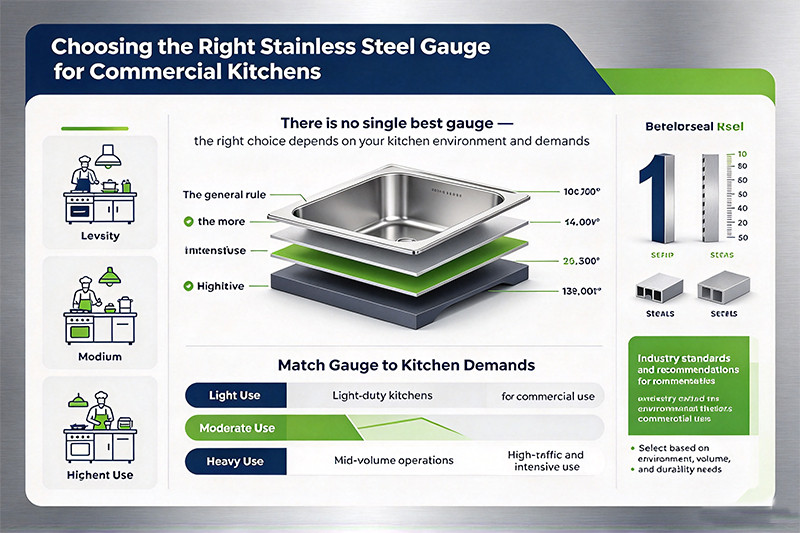
There is no single "best" gauge for all applications; the right choice depends on your specific kitchen environment and demands. However, for commercial use, there are clear industry standards and recommendations.
Matching Gauge to Kitchen Demands
The general rule is that the more intensive the use, the thicker the steel should be.
 Alt text: Close-up on the durable edge of a 16-gauge commercial stainless steel sink.
Here’s a breakdown of common gauges and their typical applications:
| Gauge | Thickness (Approx.) | Common Applications & Characteristics |
|---|---|---|
| 14-Gauge | 0.0781 inches (1.98mm) | Heavy-Duty/Industrial: Extremely durable and robust. Ideal for the most demanding environments like processing plants or institutional kitchens. Offers maximum resistance to dents and damage. |
| 16-Gauge | 0.0625 inches (1.59mm) | Commercial Standard: Considered the gold standard for most high-volume commercial kitchens, including restaurants and bakeries. It provides an excellent balance of durability, performance, and cost. |
| 18-Gauge | 0.0500 inches (1.27mm) | Light to Medium-Duty: A reliable and budget-friendly choice suitable for smaller operations, bars, or cafes with less demanding use. It is significantly more durable than residential sinks but more prone to denting than 16-gauge. |
| 20-Gauge & Higher | 0.0375 inches or less | Light-Duty/Residential: Generally considered too thin and easily damaged for primary use in a commercial setting. May be acceptable for small, seldom-used hand sinks. |
Expert Advice from Stainless Steel Sink Suppliers
Reputable suppliers, like the experts at Samsink, consistently recommend 16-gauge stainless steel as the minimum for most commercial applications. While an 18-gauge sink can be a dependable workhorse in the right setting, the superior resilience of 16-gauge steel makes it the smarter investment for any operation where the sink is a central part of the daily workflow. A knowledgeable supplier will help you assess your kitchen's specific needs, including volume, type of use, and budget, to guide you to the perfect gauge. They understand that choosing the right thickness is not just about buying metal; it's about building a foundation for a functional and enduring kitchen.
Compartment Configuration: Decoding 1, 2, or 3 Sinks with Stainless Steel Sink Suppliers
Beyond the material's thickness, the number of compartments is the most significant feature of a commercial sink. This configuration directly impacts your kitchen’s workflow, its ability to meet health and safety standards, and overall operational efficiency. Choosing between a one, two, or three-compartment sink is a foundational decision that should be guided by your specific tasks and regulatory requirements.
The Versatility of Single Compartment Sinks
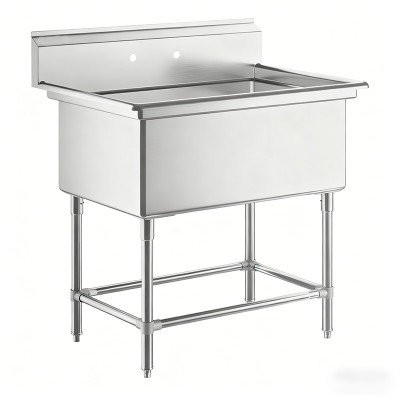
A single compartment sink, consisting of one large basin, is a dedicated workhorse designed for specific, isolated tasks. It is not intended for the full dishwashing process but serves other critical functions within a commercial kitchen.
Ideal Uses and Limitations
Ideal Uses:
- Food Preparation: Single-basin sinks are perfect as prep sinks for tasks like washing large batches of vegetables, thawing frozen foods under running water, or filling large stockpots.
- Utility & Janitorial: They often serve as utility sinks for filling mop buckets or cleaning large pieces of equipment that won't fit elsewhere.
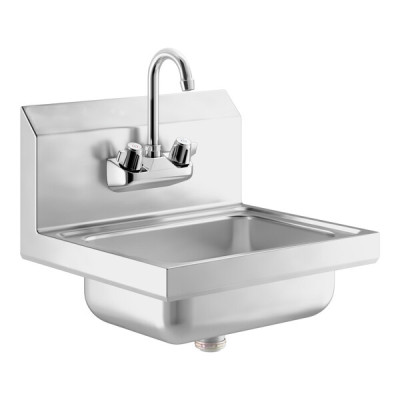
- Dedicated Handwashing: Many health codes require handwashing stations to be completely separate from food prep or dishwashing areas, making a small, single-basin sink an ideal and compliant choice for this purpose.
- Small Operations: For businesses like coffee shops, juice bars, or food kiosks that may have a commercial dishwasher for sanitizing, a single compartment sink can be sufficient for other duties.
Limitations: A single compartment sink cannot be used for the manual wash, rinse, and sanitize process required by most health departments for dishware. Its use is limited to singular tasks, and attempting to use it for a multi-step cleaning process can lead to cross-contamination and health code violations.
When a Single Sink is the Right Choice
A single compartment sink is the right choice when you need a dedicated station for a singular purpose that is separate from your main warewashing area. It's an excellent addition to create a more organized workflow, ensuring that food preparation and handwashing do not interfere with dish cleaning. For establishments that rely on a commercial dishwasher for sanitation, a single compartment sink serves as an essential utility and prep station.
Maximizing Efficiency with Two Compartment Sinks
A two-compartment sink provides a significant upgrade in functionality, allowing for a sequential cleaning process. This configuration is typically used to separate two distinct tasks, most commonly washing and rinsing.
Balancing Wash and Rinse Functions
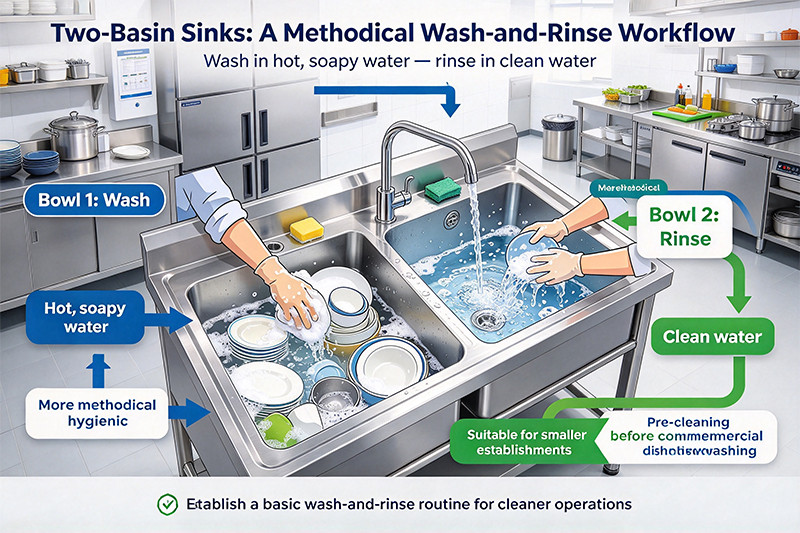
With a two-basin setup, staff can fill one bowl with hot, soapy water for washing and use the second bowl for rinsing items with clean water. This creates a more methodical and hygienic workflow compared to a single basin. It enables a basic wash-and-rinse routine that is suitable for smaller establishments or for pre-cleaning items before they go into a commercial dishwasher.
 Alt text: A two compartment sink demonstrating the wash-and-rinse process in a commercial kitchen.
Considerations for Smaller Operations
For smaller businesses like cafes, bakeries, or bars with a lower volume of dishes, a two-compartment sink can be a practical solution, especially when space is limited. However, it is crucial to understand its limitations regarding health codes. A two-compartment sink does not meet the requirements for the full, three-step warewashing process because it lacks a dedicated third basin for sanitizing. While some jurisdictions may permit its use under specific conditions (for example, when warewashing is limited to batch operations or when a chemical detergent-sanitizer is used), most health departments will still mandate a three-compartment sink for manual dishwashing. Always verify your local health department's requirements before choosing this option.
The Industry Standard: Three Compartment Sinks
The three-compartment sink is the undisputed benchmark for manual warewashing in nearly every commercial foodservice establishment. Its design is entirely centered around the mandatory three-step process for cleaning and sanitizing dishes, utensils, and cookware to ensure food safety and prevent foodborne illness.
Ensuring Proper Wash, Rinse, and Sanitize Protocols
The three-sink method is a reliable, FDA-approved process that predates automated dishwashers and remains essential in modern kitchens. The function of each compartment is distinct and must be followed in the correct order:
- Wash: The first compartment is filled with a detergent solution and hot water, typically at a minimum temperature of 110°F (43°C), for vigorously scrubbing and removing food soil.
- Rinse: The second compartment is filled with clean, warm water (also typically at least 110°F) to thoroughly rinse off all soap and suds from the washed items. This step is crucial because detergent residue can neutralize chemical sanitizers.
- Sanitize: The third compartment is used to kill remaining pathogens. This is achieved in one of two ways:
- Hot Water Sanitization: Submerging items for at least 30 seconds in water maintained at or above 171°F (77°C).
- Chemical Sanitization: Soaking items in a chemical sanitizing solution (such as chlorine, iodine, or quat-based) mixed to the correct concentration and for the required contact time (e.g., at least one minute for chlorine).
After sanitizing, all items must be air-dried on a clean drainboard or rack; towel drying is prohibited as it can reintroduce bacteria.
Health Code Compliance and Safety Benefits
Most local health codes across the United States mandate a three-compartment sink for any establishment that manually washes kitchenware. Even businesses with a commercial dishwasher are often required to have a three-compartment sink as a backup in case of machine failure or for washing oversized items that don't fit.
Using this sink correctly is fundamental to preventing cross-contamination and ensuring public health. It's crucial that this sink is used exclusively for warewashing and not for handwashing, food prep, or mop water disposal, as this would compromise its hygienic purpose and lead to severe health code violations.
Finding a Robust Solution from Stainless Steel Sink Suppliers
When investing in this cornerstone piece of equipment, it's vital to choose a high-quality model. A top-tier supplier like Samsink can provide robust, NSF-certified three-compartment sinks made from heavy-gauge stainless steel. These sinks are designed to withstand the daily abuse of a commercial kitchen. Look for a unit that is large enough to fully submerge your biggest pots and pans, as required by the FDA. Partnering with an experienced supplier ensures you acquire a sink that not only promotes an efficient workflow but also guarantees you will meet the stringent requirements of your health inspector from day one.
Sizing and Accessories: Customizing Your Sink Setup with Stainless Steel Sink Suppliers
Once you’ve determined the ideal gauge and compartment configuration, the next step is to choose the right size and accessories. These elements are crucial for creating a truly functional and efficient workspace tailored to your kitchen's specific needs. A sink that is properly sized and equipped with the right features can dramatically improve workflow, reduce staff fatigue, and help maintain a clean and organized environment.
Determining the Right Sink Size
Choosing the right sink size is a data-driven decision, not a guess. A sink that’s too small will create constant bottlenecks, while one that’s too large can waste valuable kitchen real estate.
Factors Affecting Sink Dimensions
Several key factors should guide your decision on sink dimensions:
- Your Largest Cookware: This is the most critical starting point. Your sink bowls must be large and deep enough to fully submerge your biggest pots, pans, and sheet pans. Measure your widest item, including handles, to establish a minimum required length and width for each basin.
- Daily Volume: A high-volume restaurant that serves hundreds of meals a day will generate a much larger and more consistent flow of dirty dishes than a small café. Assess your peak-hour needs to ensure your sink can handle the load without dishes piling up.
- Available Space: Carefully measure the footprint available in your kitchen. Remember to account not only for the sink itself but also for the necessary clearance around it for staff to work safely and efficiently. The layout of your kitchen—where the sink fits in relation to other equipment like dishwashers and prep tables—is also a key consideration.
- Health Code Requirements: Many local health departments have specific regulations regarding sink dimensions. For instance, they may mandate a minimum bowl size (e.g., 18x18x12 inches) to ensure proper warewashing. You must consult these codes before making a purchase.
A standard commercial sink bowl depth is around 12 to 14 inches, which is typically sufficient to prevent splashing and allow for full submersion of most items.
Impact on Workflow and Employee Efficiency
The right sink size has a direct impact on productivity. A sink that can handle large, bulky items easily prevents awkward maneuvering and reduces cleaning time. A deeper basin minimizes splashing, keeping surrounding areas drier and safer. When the sink is sized appropriately for the volume, it becomes a seamless part of the kitchen’s workflow rather than a point of friction. This improves employee morale and allows your team to work faster and more effectively, especially during peak service hours.
The Advantage of Integrated Drainboards
Drainboards are one of the most valuable accessories for any commercial sink. These are the sloped surfaces attached to one or both sides of the sink basins, designed to channel water back into the sink.
Streamlining Operations and Reducing Clutter
Integrated drainboards are essential for maintaining an organized and efficient warewashing process. They create a clear, linear workflow:
- Soiled Side: One drainboard serves as a staging area for dirty dishes, keeping them contained and off clean countertops.
- Clean Side: The other drainboard provides a dedicated space for clean, sanitized items to air-dry, as required by health codes.
This setup keeps countertops free from clutter and pooling water, which improves hygiene and safety. By eliminating the need for separate, portable dish racks, drainboards save precious counter space and reduce kitchen maintenance.
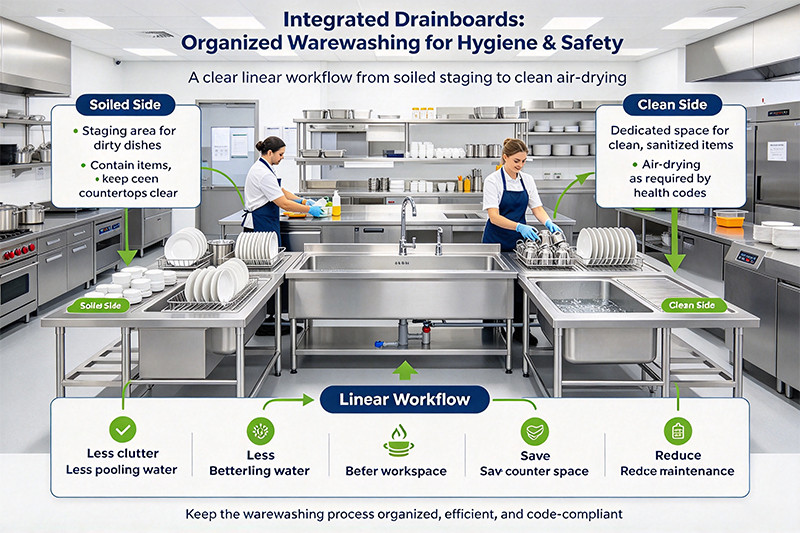 Alt text: A three-compartment commercial sink with dual drainboards, promoting an efficient workflow.
Options Available from Stainless Steel Sink Suppliers
Leading stainless steel sink suppliers like Samsink offer a wide variety of drainboard configurations to suit any kitchen layout. You can choose sinks with a left-side drainboard, a right-side drainboard, or dual drainboards for maximum flexibility. The length of the drainboards can also be customized based on your volume and space. When choosing, consider your kitchen's workflow—whether your dishwashing process naturally moves from left-to-right or right-to-left—and select a configuration that matches this flow.
Essential Features of Quality Commercial Sinks
Beyond the main components, several other features distinguish a high-quality, durable commercial sink from a lesser model. These details are vital for ensuring safety, stability, and long-term compliance.
NSF Certification and Adjustable Legs
- NSF Certification: Look for the NSF (National Sanitation Foundation) mark on any sink you consider. NSF certification is an independent, third-party verification that the sink meets strict public health and safety standards. An NSF-certified sink is built with food-safe materials and designed to be easily cleaned, with features like coved (rounded) internal corners to prevent bacteria from harboring. Many health inspectors require NSF-listed equipment, making this a non-negotiable feature for compliance.
- Adjustable Legs: Commercial kitchen floors are rarely perfectly level. Adjustable bullet feet are essential for ensuring your sink is stable and does not wobble. This feature allows you to fine-tune the height of each leg to create a level, secure surface, which is critical for safety and proper drainage.
Reinforced Gussets and Robust Construction
- Reinforced Gussets: Gussets are triangular or rectangular steel plates welded at the joints where the legs meet the sink basin and cross-braces. They play a crucial role in reinforcing these high-stress points, providing significant added stability and strength to the entire structure. A well-built sink with heavy-duty gussets will be far more rigid and durable, preventing swaying or collapsing under the weight of hundreds of pounds of water and dishes.
- Robust Construction: The overall build quality is paramount. This includes smooth, continuous welds that are blended to match the surrounding surface, which eliminates crevices where food and bacteria can collect. Cross-bracing between the legs further enhances stability. When you invest in a sink from a reputable brand like Samsink, you are getting a product engineered for the extreme demands of a commercial environment, ensuring it will provide reliable service for many years.
Health Codes and Regulations: Partnering Smartly with Stainless Steel Sink Suppliers
Navigating the complex maze of health codes and regulations is one of the most critical—and often daunting—aspects of outfitting a commercial kitchen. Your choice of a stainless steel sink is at the heart of this challenge, as sinks are directly tied to food safety, sanitation, and cross-contamination prevention. Understanding these rules and selecting a compliant sink from the outset is not just good practice; it's a legal requirement that protects your business, your staff, and your customers.
Understanding Local Health Department Requirements
While the FDA Food Code provides a national model, it is your local and state health departments that enforce the specific regulations you must follow. These authorities have the final say on what passes inspection, and their rules for sinks are typically strict and non-negotiable. Getting your sink setup right is essential for passing inspections and opening your doors without costly delays.
Mandatory Cleaning and Sanitization Protocols
Nearly every health jurisdiction in the U.S. mandates a specific process for manual warewashing to prevent the spread of foodborne illnesses.
- The Three-Compartment Sink Mandate: For kitchens that wash dishes by hand, a three-compartment sink is almost always required. This setup is essential for carrying out the prescribed wash, rinse, and sanitize sequence. Using a sink with fewer compartments for this full process is a common and serious violation. Even establishments that use a commercial dishwasher are often required to have a three-compartment sink as a necessary backup.
- Dedicated Sinks for Specific Tasks: Cross-contamination is a major concern for health inspectors. To prevent this, regulations require separate, dedicated sinks for different functions.
- Handwashing Sinks: These must be used exclusively for washing hands. They must be conveniently located in all food prep and dishwashing areas and equipped with hot and cold running water, soap, and single-use towels. Using a warewashing or prep sink for handwashing is a critical violation.
- Food Prep Sinks: These are used for washing produce and thawing foods. They must be kept separate from other sink functions to keep food safe from contaminants.
- Mop/Service Sinks: A dedicated utility or mop sink is required for filling buckets and disposing of dirty mop water. Dumping this water into a food prep or warewashing sink is strictly forbidden.
Specific Rules for Plumbing and Drainage
Plumbing codes are just as important as sanitation rules. Inspectors will check these details closely.
- Drainage and Grease Traps: Commercial sink drains often require a 1.5-inch drain line. The plumbing system must connect to a grease interceptor (grease trap) to prevent fats, oils, and grease from clogging the public sewer system.
- Air Gaps: To prevent backflow, where contaminated water from a drain could siphon back into the clean water supply, an "air gap" is often required. This is a physical separation between the drainpipe and the waste receptor (like a floor sink), which ensures wastewater cannot contaminate the fixture.
- Water Temperature: The FDA Food Code sets minimum water temperatures for warewashing. The wash and rinse compartments must typically reach at least 110°F (43°C). If using hot water to sanitize, the third sink must maintain a temperature of at least 171°F (77°C).
The Role of Stainless Steel Sink Suppliers in Compliance
Choosing the right supplier is about more than just purchasing equipment; it's about gaining a knowledgeable partner who can help you navigate these complex regulations successfully. Reputable suppliers are well-versed in health codes and can guide you to products that are guaranteed to be compliant.
Finding NSF Approved Products
The NSF (National Sanitation Foundation) mark is the most important certification to look for on a commercial sink.
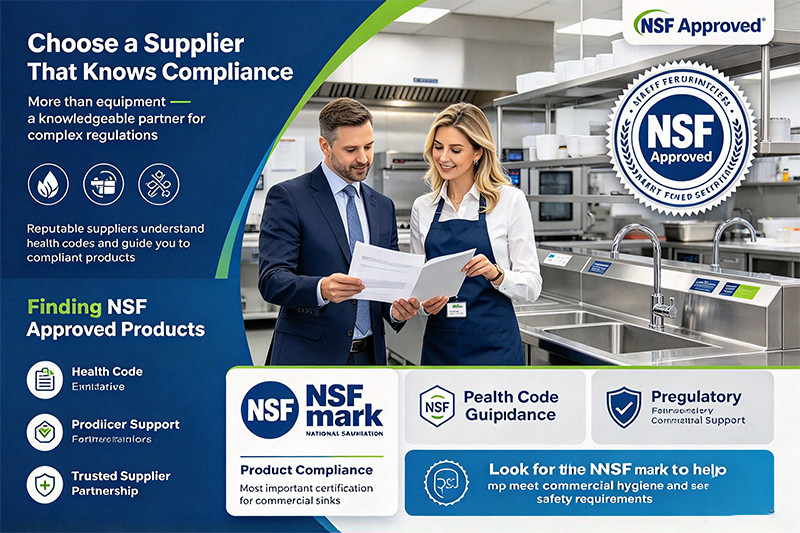 Alt text: The NSF certification logo on the surface of a commercial stainless steel sink, signifying compliance.
- What NSF Certification Means: NSF International is an independent organization that develops public health standards and certifies products. An NSF-certified sink has been rigorously tested to ensure it meets strict criteria for material safety, design, and construction. This means the materials are non-toxic and corrosion-resistant, and the sink is designed to be easily cleanable, without crevices where bacteria can grow.
- Why It's Essential for Compliance: Health inspectors across the U.S. universally recognize and often require NSF-certified equipment. Seeing the NSF mark tells an inspector that the sink is designed for commercial use and meets food safety standards. Choosing an NSF-approved product from the start is the safest way to ensure compliance and avoid failing an inspection. Brands like Samsink prioritize these certifications, offering a range of NSF-listed sinks that provide peace of mind.
Consulting with Knowledgeable Suppliers for Guidance
A great supplier does more than just take your order. They act as expert consultants who can help you avoid common pitfalls.
- Expertise in Local Codes: While NSF certification is a national standard, an experienced supplier will also have knowledge of varying local requirements and can help you select a sink that meets the specific rules in your jurisdiction.
- Preventing Costly Mistakes: A knowledgeable supplier will ask the right questions about your operation—your menu, your volume, and your kitchen layout—to ensure you don't buy a sink that's too small, has the wrong number of compartments, or lacks necessary features like drainboards.
- A Partnership for Success: By partnering with a trusted company like Samsink, you gain access to a team that is committed to your success. They can help you select the perfect, fully compliant sink, ensuring your investment is sound and your kitchen is set up for safe and efficient operation from day one. This partnership builds a foundation of trust and quality, protecting you from the fines, delays, and reputational damage that can result from non-compliance.
Making the Right Choice: How to Evaluate Stainless Steel Sink Suppliers
Selecting a commercial stainless steel sink is a significant investment that impacts your kitchen's daily function, hygiene, and profitability. Just as important as choosing the right sink is choosing the right supplier. A supplier is more than a vendor; they are a long-term partner in your kitchen's success. Evaluating them on factors beyond just price—such as reputation, quality, and support—is essential to ensuring you receive a product that delivers lasting value.
Key Considerations When Selecting a Supplier
When you begin your search, it's easy to get lost in a sea of options. Focusing on a few key pillars will help you identify a supplier who is genuinely committed to your success.
Reputation and Product Quality
A supplier's reputation is built on the consistency and reliability of its products and services.
- Look for Specialization: Seek out suppliers who specialize in commercial kitchen equipment, particularly stainless steel fabrication. Companies like Samsink, which focus on stainless steel solutions, possess deep product knowledge and a better understanding of the demands of a commercial environment.
- Check for Quality Markers: A reputable supplier will be transparent about the quality of their materials. They should clearly state the grade and gauge of the stainless steel used in their sinks. Top-quality suppliers will offer sinks made from 304-grade stainless steel, which provides excellent corrosion resistance, and will recommend 16-gauge thickness for durability.
- Read Reviews and Testimonials: See what other restaurant owners and kitchen managers are saying. Look for feedback on reputable sites and industry forums to gauge customer satisfaction with both the product and the company. Consistently positive reviews are a strong indicator of a trustworthy supplier.
Customer Service and Support
Excellent customer service is what separates a transactional-based vendor from a true partner. It proves that the supplier is invested in your success beyond the initial sale.
- Expert Guidance: A great supplier will act as a consultant. Their team should be knowledgeable enough to help you navigate health code requirements, choose the right size and configuration for your specific needs, and answer technical questions. They should ask about your operation to provide tailored recommendations.
- Responsiveness and Communication: Before you buy, test their responsiveness. Are they easy to reach? Do they provide clear, helpful answers to your questions? A supplier who is communicative and supportive during the sales process is more likely to be there for you if issues arise later. Clear and open communication builds trust and minimizes uncertainty.
- - Problem Resolution: Inquire about their process for handling issues like shipping damage or incorrect orders. A reliable supplier will have a clear and fair policy for resolving problems quickly to minimize downtime for your kitchen.
Ensuring Long-Term Value and Support
The relationship with your supplier shouldn't end once the sink is delivered. The best suppliers offer robust post-purchase support that protects your investment and ensures your equipment continues to perform for years to come.
Warranty and After-Sales Service
A strong warranty is a powerful statement about a manufacturer's confidence in its product's quality and durability.
- Understand the Warranty Terms: Don't just look for the length of the warranty; read the fine print. A good warranty on a commercial sink should cover defects in materials and workmanship. Check to see if it covers both parts and labor, and understand any conditions that could void it, such as improper installation or maintenance. Many commercial warranties are only valid if the product is professionally installed.
- Availability of After-Sales Support: What happens if you need a replacement part or technical assistance a few years down the line? A dedicated after-sales support team is invaluable. Suppliers who offer ongoing support and have a ready stock of common parts can help you resolve issues quickly, which is crucial in a commercial kitchen where any downtime can be costly.
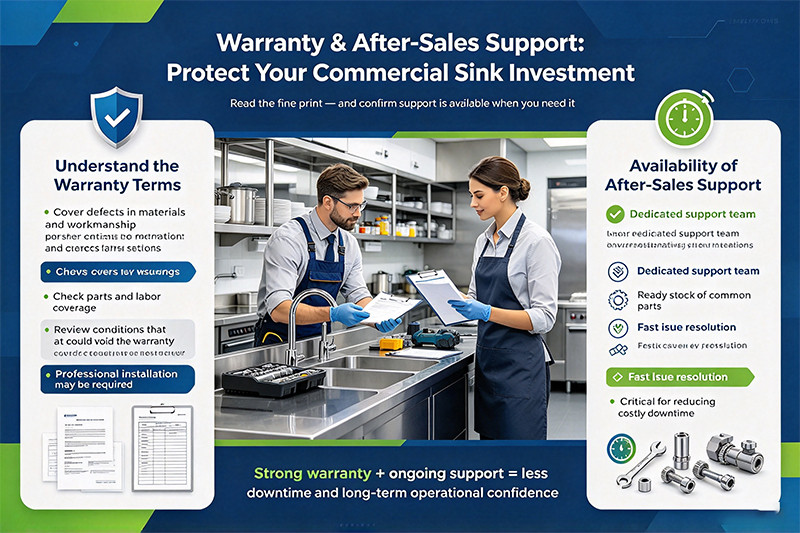 Alt text: A kitchen equipment supplier providing excellent customer service and after-sales support.
A Partnership for Your Kitchen's Success
Ultimately, your goal should be to find a supplier who views the relationship as a partnership. They understand that their success is tied to yours. This type of partner will provide high-quality, compliant equipment, offer expert advice, and stand behind their products with strong warranties and reliable support.
Brands like Samsink embody this philosophy. By specializing in high-grade stainless steel sinks and prioritizing customer success, they offer more than just a product; they offer a reliable foundation for your kitchen's operations. When you choose a supplier who is committed to quality and service, you're not just buying a sink—you're investing in peace of mind and a more efficient, successful kitchen.
Ready to find the perfect sink for your commercial kitchen? Explore the durable, compliant, and expertly crafted stainless steel sink solutions at Samsink. Our team is ready to partner with you to ensure your kitchen is equipped for success. Contact us today for a consultation!
Frequently Asked Questions (FAQ)
What is the best gauge for a commercial stainless steel sink? For most commercial kitchens, 16-gauge stainless steel is the recommended standard. It is thick, durable, and resistant to dents, noise, and warping from heavy use and high temperatures. While 18-gauge is a suitable and more budget-friendly option for light to medium-duty applications, 16-gauge offers superior longevity and performance, making it a better long-term investment for a busy environment. Avoid gauges of 20 or higher, as they are generally too thin for commercial demands.
Why is a three-compartment sink required by health codes? A three-compartment sink is mandated by most health departments, including the FDA Food Code, because it facilitates the essential wash, rinse, and sanitize process for manual dishwashing. This three-step method ensures that pathogens are effectively removed and killed, preventing cross-contamination and foodborne illness. The first sink is for washing with soap and hot water, the second for rinsing off soap residue, and the third for sanitizing with either a chemical solution or very hot water. Using this setup correctly is a cornerstone of food safety compliance.
What does NSF certification mean, and why is it important for a commercial sink? NSF (National Sanitation Foundation) certification means that a product has been independently tested and verified to meet strict public health and safety standards. For a commercial sink, NSF/ANSI 2 certification ensures that the materials are non-toxic and corrosion-resistant, and the design (e.g., coved corners, smooth welds) is easy to clean and unlikely to harbor bacteria. It is critically important because health inspectors universally recognize the NSF mark as proof of compliance, and many jurisdictions will not approve equipment without it.
How do I determine the right size sink for my kitchen? The right size is determined by three factors: your largest piece of cookware, your daily dish volume, and your available space. Start by measuring your widest pot or pan to ensure it can be fully submerged in the sink bowl. A depth of 12-14 inches is standard. Next, assess your daily workload to ensure the sink capacity can handle your peak hours without creating a bottleneck. Finally, measure your kitchen's available footprint, remembering to account for drainboards and clearance for staff to work.
What are the benefits of integrated drainboards? Integrated drainboards are invaluable for creating an efficient and organized workflow. They provide a dedicated staging area for dirty items on one side and a clean, sloped surface for air-drying sanitized items on the other, as required by health codes. This keeps countertops dry, clean, and free of clutter from portable drying racks. It also streamlines the wash-rinse-dry sequence, saving time and reducing water spillage.
Can I use a two-compartment sink for washing dishes in my restaurant? Generally, no. A two-compartment sink does not allow for the complete three-step wash-rinse-sanitize process required by most health departments for manual warewashing. Using it for this purpose is a compliance violation. However, a two-compartment sink may be acceptable in some limited scenarios, such as in a very low-volume establishment with specific local health department approval, or as a prep sink for washing and rinsing produce. Always confirm with your local health inspector before purchasing.
What should I look for in a stainless steel sink supplier? Look for a supplier with a strong reputation, deep expertise in commercial kitchen equipment, and a commitment to customer support. Key qualities include:
- Product Quality: They should offer high-quality, NSF-certified products made from 304-grade, 16-gauge stainless steel.
- Expert Guidance: Their team should be knowledgeable about health codes and help you select the right product for your needs.
- Customer Service: They should be responsive, communicative, and have clear processes for handling issues.
- After-Sales Support: Look for strong warranties and reliable after-sales service to protect your investment long-term. A great supplier acts as a partner, not just a vendor.
As we conclude our guide, we hope you feel more confident in selecting the ideal commercial stainless steel sink for your establishment. Remember, this decision is foundational to your kitchen's daily operations, sanitation, and long-term success.
By carefully considering gauge, compartment needs, size, and health regulations, and by partnering with reputable stainless steel sink suppliers like Samsink, you are investing in an essential piece of equipment that will serve your business reliably for years to come. Your kitchen deserves the best, and we're confident you now have the knowledge to choose it.