The Ultimate Guide to Heavy Duty Sinks: Durability, Materials, and Practical Applications
As someone navigating the world of professional kitchens, workshops, or even busy home environments, I understand the crucial role that a reliable sink plays. But when standard models just won't cut it for tough jobs, we turn to something more robust.
This guide is your ultimate resource for understanding heavy-duty sinks – those workhorse fixtures designed for resilience and rigorous use. We'll explore their unparalleled durability, the materials that make them exceptional, and the many practical applications where they truly shine.
Key Takeaways
For those in a hurry, here are the essential points to remember about heavy-duty sinks:
- Definition and Purpose: Heavy-duty sinks are engineered for durability, hygiene, and high-volume use. Unlike standard residential sinks, they are built with thicker materials (lower gauge), robust construction, and designs that prioritize functionality and ease of cleaning in demanding environments like commercial kitchens, workshops, and medical facilities.
- Material is Key: Stainless steel, particularly Type 304, is the industry standard for its superior resistance to corrosion, heat, and impact. The thickness of the steel, known as its gauge, is a critical factor; a lower gauge number (e.g., 16-gauge) indicates thicker, more durable steel. While other materials like cast iron and acrylic exist, stainless steel offers the best balance of longevity, hygiene, and value for most professional applications.
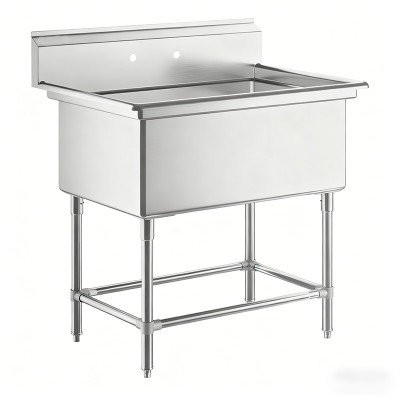
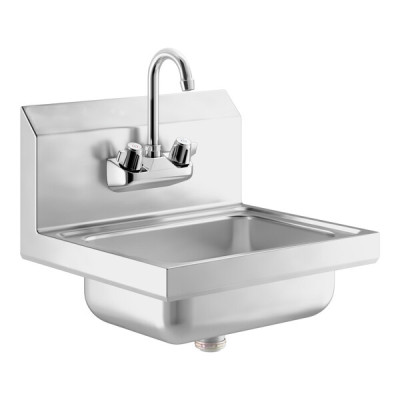
- Types for Every Task: Heavy-duty sinks come in various configurations. Freestanding models offer flexibility in placement, while wall-mounted units save floor space. Multi-compartment sinks (two, three, or four basins) are essential in food service for following the "wash, rinse, sanitize" health code protocol. Specialized sinks, such as bar sinks with drainboards and utility sinks for janitorial work, are designed for specific workflows.
- Compliance is Non-Negotiable: For any sink used in a commercial food establishment in the United States, NSF (National Sanitation Foundation) certification is critical. This certification ensures the sink is designed and constructed in a way that promotes easy cleaning and prevents food contamination, meeting health and safety standards.
- Smart Investment: Choosing the right heavy-duty sink involves assessing your specific needs: available space, installation requirements, workflow (which determines the number of compartments), and budget. Investing in a high-quality, durable sink from a reputable provider like Samsink is an investment in efficiency, safety, and long-term performance, ultimately saving money by avoiding premature replacements and repairs.
- Proper Maintenance is Crucial: To maximize the lifespan of your heavy-duty sink, a consistent cleaning routine is necessary. Regular rinsing, washing with non-abrasive cleaners, and drying can prevent water spots and buildup on stainless steel. Promptly addressing clogs and avoiding harsh chemicals will protect both the sink and the plumbing.
Understanding the 'Why': The Essential Role and Definition of Heavy Duty Sinks
Before diving into the specifics of materials and types, it's crucial to understand what makes a sink "heavy-duty" and why it's an indispensable asset in so many settings. These are not your average kitchen sinks; they are precision-engineered tools built for a purpose.
What Sets Heavy Duty Sinks Apart?
The distinction between a standard sink and a heavy-duty model lies in its design philosophy. One is built for occasional, light use, while the other is constructed to withstand constant, demanding work without fail.
Beyond Standard Sinks: Designed for Demanding Tasks
A heavy-duty sink is defined by its superior construction. This typically involves using thicker materials, such as lower-gauge stainless steel (where a lower number means thicker steel), and more robust fabrication techniques. They are specifically designed to handle high-volume use, resist dents and scratches from heavy pots and equipment, and endure harsh cleaning chemicals that would damage a typical residential sink. The corners are often coved for easier cleaning, eliminating crevices where bacteria can grow.
Ensuring Hygiene and Efficiency in Professional Settings
In professional environments like restaurants, hospitals, and laboratories, a sink is more than just a place to wash hands or dishes; it's a critical control point for hygiene. Heavy-duty sinks, especially those made from non-porous Type 304 stainless steel, provide a surface that is easy to clean and sanitize, which is essential for preventing cross-contamination. Their thoughtful design, often featuring multiple compartments and integrated drainboards, streamlines workflows—allowing for efficient washing, rinsing, and sanitizing processes that are fundamental to operational success and safety.
The Versatile Applications of Commercial Utility Sinks
The term "heavy-duty" extends beyond just restaurant kitchens. These versatile fixtures, often called commercial utility sinks, are found in a surprisingly wide array of applications, each leveraging their strength and durability.
From Laundry Rooms to Workshops: Handling the Mess
In a residential or commercial laundry room, a deep-basin utility sink can handle pre-soaking heavily soiled garments or cleaning up dye projects. In a workshop, garage, or art studio, it's the perfect place to wash greasy tools, clean paintbrushes, or pot plants without fear of staining or damaging the fixture. Their robust nature means they can take a beating from dirt, grime, and harsh solvents.
Critical for Food Safety and Regulatory Compliance
In the food service industry, the role of a heavy-duty sink is non-negotiable and heavily regulated. Health codes across the United States mandate specific sink setups to ensure food safety. A three-compartment sink is the standard requirement for manual dishwashing, with each basin dedicated to a specific step: washing with soapy water, rinsing with clean water, and sanitizing in a chemical solution or hot water. This systematic approach is vital for preventing foodborne illnesses and is a core component of passing health inspections.
Exploring Your Options: Diverse Types and Materials for Heavy Duty Sinks
Once you've identified the need for a heavy-duty sink, the next step is navigating the wide variety of types and materials available. The right choice will depend entirely on your specific application, available space, and workflow requirements.
Varieties of Heavy Duty Sinks for Every Need
Heavy-duty sinks are not a one-size-fits-all product. They are specialized to meet the unique demands of different environments, from a bustling bar to an outdoor patio.
Freestanding and Wall-Mounted Heavy Duty Sinks
Freestanding sinks are all-in-one units that stand on their own legs. Their primary advantage is placement flexibility; they can be installed away from walls and are easy to move if the layout changes. Wall-mounted sinks, on the other hand, are fixed directly to a wall, which frees up floor space underneath for cleaning or storage—a significant benefit in smaller kitchens or janitorial closets.
Specialized Commercial Bar Sinks and Service Sinks
Commercial bar sinks are designed for the fast-paced environment of a bar or café. They often feature multiple smaller compartments for washing glassware, a dedicated dump sink for discarding drink residue, and integrated drainboards for air-drying glasses. Service sinks, also known as janitor's or mop sinks, are characterized by their deep basins and low height, often sitting directly on the floor, making it easy to fill and empty mop buckets.
Enhancing Outdoor Kitchens with Robust Outdoor Sinks
An outdoor kitchen requires a sink that can withstand the elements. Heavy-duty outdoor sinks are typically made from high-grade stainless steel (like Type 304) that resists rust and corrosion from rain and humidity. They provide a convenient space for washing hands, cleaning vegetables, and prepping food without having to run back inside, elevating the functionality of any outdoor entertainment area.
The Flexibility of Portable Utility Sinks
For locations where permanent plumbing isn't feasible, portable utility sinks are an ingenious solution. These self-contained units include fresh and wastewater tanks, a water heater, and a pump, providing a fully functional handwashing or dishwashing station. They are ideal for outdoor events, farmers' markets, construction sites, and temporary medical facilities, ensuring hygiene standards can be met anywhere.
Choosing the Right Material for Your Heavy Duty Sinks
The material of your sink is the single most important factor determining its durability, lifespan, and suitability for your needs. While stainless steel is the most common choice, it's worth understanding the alternatives.
The Gold Standard: Stainless Steel (Type 304)
There's a reason Type 304 stainless steel is the preferred material for over 50% of commercial sink applications. This specific grade contains high levels of chromium and nickel, giving it superior resistance to rust, corrosion, and heat. The thickness of the steel, or its gauge, is also crucial. Most commercial sinks use 16-gauge or 18-gauge steel; a lower gauge number signifies thicker, more durable steel that is less prone to denting and vibration. For a truly lasting investment, a 16-gauge Type 304 stainless steel sink is the gold standard.
Alternative Materials: Acrylic, Cast Iron, and Plastic
While stainless steel reigns supreme, other materials have their place:
- Acrylic: These sinks are lightweight and come in various colors. However, they are more susceptible to scratches and can be damaged by abrasive cleaners or high heat.
- Cast Iron: A cast iron sink with a porcelain enamel coating is incredibly durable and has a classic look. Its main drawbacks are its extreme weight, which can make installation difficult, and the fact that the enamel coating can chip if a heavy object is dropped, exposing the iron underneath to rust.
- Plastic (Thermoplastic/Polypropylene): Plastic utility tubs are the most affordable option. They are lightweight and resistant to many chemicals and stains. However, they lack the durability and heat resistance of metal sinks and are generally not suitable for demanding commercial kitchen use.
| Material | Pros | Cons | Best For |
|---|---|---|---|
| Stainless Steel (Type 304) | Durable, hygienic, resistant to corrosion & heat | Can be noisy, prone to water spots if not dried | Commercial kitchens, medical facilities, garages |
| Cast Iron | Extremely durable, retains heat, classic look | Very heavy, enamel can chip, expensive | High-end residential kitchens, laundry rooms |
| Acrylic | Lightweight, available in colors, affordable | Scratches easily, can be damaged by heat | Light-duty laundry rooms, craft rooms |
| Plastic/Polypropylene | Very affordable, chemical resistant, lightweight | Low durability, can warp with heat, stains easily | Basements, garages, potting sheds |
Making the Right Choice: Key Considerations for Your Next Heavy Duty Sinks Investment
Investing in a heavy-duty sink is a significant decision that impacts workflow, safety, and your bottom line. To ensure you select a fixture that will serve you well for years to come, it's essential to consider several critical factors beyond just the price tag.
Critical Factors Before Purchasing Heavy Duty Sinks
A systematic approach to your purchase will prevent costly mistakes and buyer's remorse. Start by evaluating your space and your specific needs.
Assessing Size and Installation Method
First, measure the area where the sink will go. Account for not just the sink's footprint but also clearance for comfortable use and cleaning. Consider the installation method: will it be a freestanding unit, a space-saving wall-mount, or a drop-in model set into a countertop? The choice will depend on your existing layout and plumbing connections. Ensure that the plumbing supply and drainage lines are accessible and compatible with your chosen sink.
Material Quality, Gauge, and Number of Compartments
As discussed, material quality is paramount. For most commercial applications, insist on Type 304 stainless steel for its durability and hygienic properties. Pay close attention to the steel's gauge; 16-gauge is a robust choice for high-impact environments, while 18-gauge offers a good balance of quality and cost for medium-duty use. The number of compartments should be dictated by your workflow. A restaurant requires a three-compartment sink for dishwashing, while a simple prep area might only need a single basin.
Ensuring Compliance and Longevity with Heavy Duty Sinks
A sink's long-term value comes from its durability and its ability to meet regulatory standards. Skimping on these aspects can lead to failed health inspections and the need for premature replacement.
Understanding Certifications (e.g., NSF Approval)
For any business involved in food preparation, NSF (National Sanitation Foundation) certification is not just a recommendation; it's often a legal requirement. An NSF-certified sink has been tested and verified to meet strict standards for public health protection. These standards dictate that the sink must be made of materials that are non-toxic, non-absorbent, and corrosion-resistant, and a design that is smooth and easy to clean, without cracks or crevices that can harbor bacteria. Always check for the NSF logo when purchasing a sink for commercial food use.
Budgeting for Durability and Customization
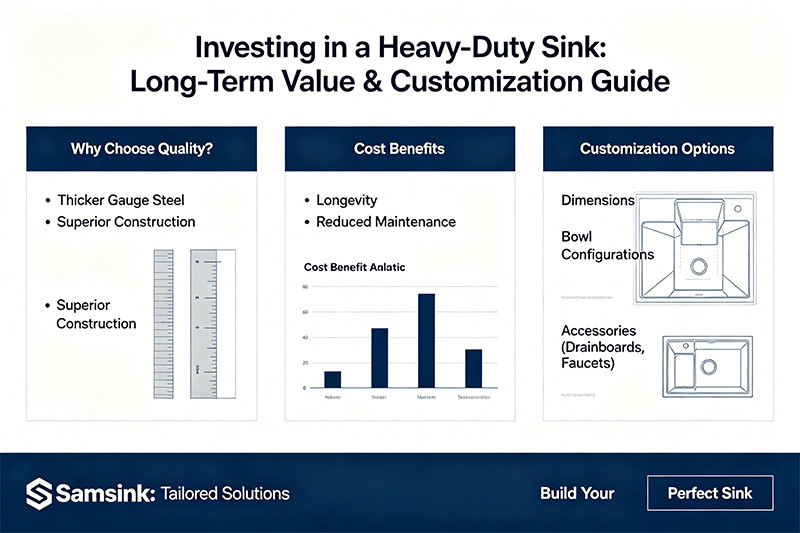
While it may be tempting to choose the cheapest option, it's wiser to view a heavy-duty sink as a long-term investment. A higher initial cost for a thicker gauge, better quality steel, and superior construction will pay dividends in longevity and reduced maintenance costs. Furthermore, consider if your unique space or workflow could benefit from customization. Leading suppliers like Samsink offer a range of options, allowing you to specify dimensions, bowl configurations, and add accessories like drainboards or faucets that perfectly suit your needs. Investing in a tailored solution from Samsink ensures maximum efficiency and a perfect fit for your operation. Explore their offerings to build a sink that works as hard as you do.
Beyond Installation: Maintaining and Caring for Your Heavy Duty Sinks
A high-quality heavy-duty sink is built to last, but its lifespan and appearance depend heavily on proper care and maintenance. A few simple, consistent habits can keep your sink performing and looking its best for decades, protecting your investment and ensuring a hygienic workspace.
Simple Steps for Daily Heavy Duty Sinks Care
The most effective maintenance is preventative and becomes second nature when integrated into daily closing routines.
Regular Cleaning and Drying Practices
The single best thing you can do for a stainless steel sink is to rinse it thoroughly with clean water after every use, especially after contact with salty or acidic residues. For daily cleaning, use a mild soap or detergent and a soft cloth or sponge, moving in the direction of the steel's grain to avoid micro-scratches. After cleaning, rinsing with clean water and wiping it dry with a soft towel is highly recommended. This prevents mineral deposits from tap water from forming water spots and keeps the surface looking pristine.
Choosing the Right Cleaning Agents for Different Sinks
For stainless steel, never use abrasive powders, steel wool, or harsh scrapers, as they will permanently scratch and damage the surface. For tougher stains, a paste of baking soda and water can be effective. For other materials, like cast iron, avoid abrasive cleaners that can wear down the enamel. Always use pH-neutral cleaners and consult the manufacturer's recommendations for any specialized sink material.
Troubleshooting and Longevity Tips for Heavy Duty Sinks
Even with daily care, issues can arise. Knowing how to address them promptly and perform periodic checks can prevent small problems from becoming major ones.
Addressing Clogs Promptly
Clogs in a commercial sink are often caused by a buildup of grease, food particles, and other solids. It is crucial to address them immediately to prevent backups and hygiene issues. Avoid pouring harsh chemical drain cleaners down the sink, as they can damage both the plumbing and the sink material itself. Instead, start with a plunger or a plumber's snake. Installing and regularly cleaning grease traps is a mandatory and effective preventative measure in any food service establishment.
Maximizing the Lifespan of Your Heavy Duty Sinks
To ensure your sink lasts a lifetime, adopt a few key habits. Don't let harsh chemicals or chlorides (like bleach) sit in the sink for extended periods. Periodically inspect faucets for leaks and check the seals and caulking around the sink to ensure they are intact. Encourage staff to avoid dropping heavy pots or sharp utensils directly into the basin to prevent dents and deep scratches. By treating your heavy-duty sink with the care it deserves, it will remain a reliable and valuable asset for your business or home.
Frequently Asked Questions (FAQ)
1. What is the best gauge for a heavy-duty stainless steel sink? For true heavy-duty commercial use, 16-gauge stainless steel is highly recommended. It provides excellent resistance to dents, bows, and vibrations from heavy use and garbage disposals. For medium-duty applications or budget-conscious buyers, 18-gauge is a suitable alternative, but anything higher (like 20 or 22-gauge) is generally too thin for a demanding environment.
2. Is an NSF-certified sink required for my business? If your business is involved in the preparation or serving of food to the public in the United States, the answer is almost certainly yes. Local health departments enforce regulations that typically mandate the use of NSF-certified equipment for anything that comes into contact with food. This ensures the equipment is designed and built for proper sanitation. Always check with your local health authority for specific requirements.
3. How do I clean a stainless steel sink without scratching it? The key is to use soft materials and non-abrasive cleaners. Clean with a soft cloth, sponge, or nylon scrubbing pad. Always scrub in the direction of the metal's grain or polish lines. Use mild soap or a specialized stainless steel cleaner. For polishing and removing fingerprints, a small amount of club soda or a designated stainless steel polish on a microfiber cloth works well. Avoid steel wool and abrasive powders at all costs.
4. What's the difference between a utility sink and a laundry sink? The terms are often used interchangeably, but there can be a slight difference. "Utility sink" is a broader term for a deep, functional basin used in garages, workshops, or basements. "Laundry sink" specifically refers to a sink in a laundry area, often used for pre-soaking clothes or hand-washing delicates. While they serve similar functions, commercial utility sinks are typically built to a much higher durability standard than residential plastic laundry tubs.
5. Can I install a heavy-duty sink myself? For a simple freestanding unit with flexible supply lines, a confident DIYer might be able to manage the installation. However, for most commercial sinks, especially wall-mounted types or those requiring complex plumbing for multiple compartments and grease traps, professional installation is strongly recommended. A licensed plumber can ensure the sink is securely mounted, properly sealed, and compliant with all local plumbing codes, preventing leaks and costly future repairs.
6. Why should I choose a Samsink heavy-duty sink? Choosing Samsink means you are prioritizing quality, durability, and customization. Samsink specializes in high-grade, heavy-duty sinks designed for the most demanding environments. By opting for a Samsink product, you gain access to superior materials, expert craftsmanship, and the ability to tailor a sink to your exact specifications. This ensures not just a product, but a long-term solution that enhances your workspace's efficiency and hygiene. It's an investment in peace of mind.
Conclusion
From bustling industrial kitchens and sterile medical facilities to rugged garages and serene outdoor cooking spaces, the power of a high-quality heavy-duty sink is undeniable. They are the unsung heroes of demanding environments, delivering the durability, hygiene, and efficiency that are essential for tackling the toughest tasks with confidence and ease. These fixtures are far more than simple basins; they are foundational tools that support safety and productivity.
By carefully considering the right type, a superior material like Type 304 stainless steel, and the specific certifications required for your application, you can ensure your sink provides lasting value. Investing wisely in an essential fixture from a trusted name like Samsink is an investment in greater functionality, enhanced cleanliness, and long-term peace of mind. Committing to a simple but consistent maintenance routine will ensure that this workhorse fixture supports your needs for many years to come.