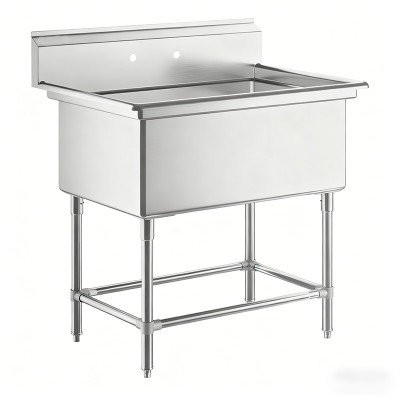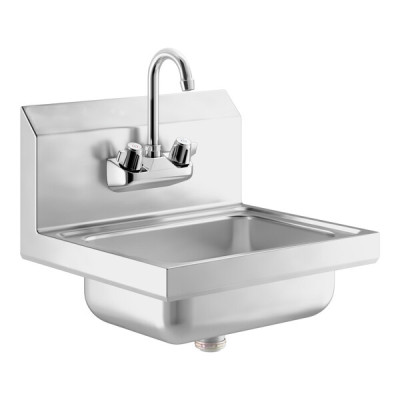
The Ultimate Guide to Selecting a Stainless Steel Freestanding Utility Sink
As someone who understands the demands of tough work environments, I know how crucial it is to have the right tools. For heavy-duty tasks, a standard kitchen sink just won't cut it. That's why I'm here to guide you through selecting the perfect stainless steel freestanding utility sink—a true workhorse designed for durability and functionality. These sinks are the unsung heroes of hardworking spaces, built to handle messes that would overwhelm their kitchen counterparts. Join me as we explore why these essential tools are a must-have for commercial kitchens, busy workshops, and even dedicated cleaning stations.
Key Takeaways
- Durability and Hygiene are Paramount: Stainless steel is the material of choice for utility sinks due to its exceptional resistance to corrosion, heat, impact, and stains. Its non-porous surface prevents bacteria from harboring, making it the gold standard for hygienic environments like commercial kitchens and healthcare settings.
- Function Defines Location: Freestanding utility sinks are incredibly versatile and can be installed in garages, workshops, laundry rooms, basements, and commercial spaces. Their primary role is to handle messy jobs like cleaning tools, pre-soaking laundry, or washing large items, keeping grime out of your main living areas.
- Gauge and Grade Matter: The thickness of the stainless steel, known as its gauge, is a critical factor in its durability. A lower gauge number means thicker, more robust steel (e.g., 16-gauge is thicker and more durable than 18-gauge). The grade, such as Type 304, indicates superior corrosion resistance, essential for longevity.
- Configuration Should Match Workflow: Consider how you'll use the sink. A single, deep basin is great for large items, while a multi-basin sink allows for separate washing and rinsing. Features like integrated drainboards and backsplashes can significantly enhance functionality by providing space for drying and protecting walls from splashes.
- Installation and Maintenance: Freestanding models offer installation flexibility as they don't require countertops or cabinetry for support. While easy to install, proper maintenance—like regular cleaning with mild detergents and avoiding abrasive scrubbers—is key to keeping your stainless steel sink in pristine condition for years.
Understanding the Foundation: Why My Choice of a Stainless Steel Freestanding Utility Sink Matters
When you're dealing with serious cleanup jobs, the sink you choose is more than just a basin—it's a workstation. A freestanding utility sink made from stainless steel isn't just a purchase; it's an investment in efficiency, cleanliness, and long-term performance. Unlike sinks made from plastic, which can crack or warp under heavy use or extreme temperatures, or enameled cast iron, which can chip, stainless steel provides a resilient and reliable solution for the most demanding environments.
Built for Battle: The Durability of Stainless Steel in Heavy-Duty Tasks
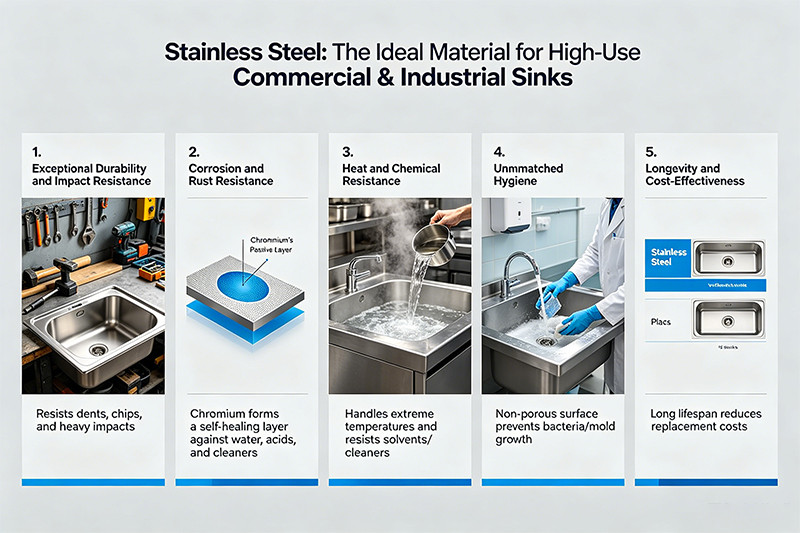
Stainless steel is the preferred material for high-use commercial and industrial settings for several compelling reasons. Its reputation is built on exceptional strength and the ability to withstand significant wear and tear. This makes it the perfect candidate for a utility sink that will face everything from greasy auto parts to abrasive cleaning chemicals.
Here’s a breakdown of its core advantages:
- Exceptional Durability and Impact Resistance: Stainless steel is incredibly tough and can resist dents, chips, and heavy impacts. This is crucial in a workshop or garage where heavy tools or parts might be dropped into the basin.
- Corrosion and Rust Resistance: The magic ingredient in stainless steel is chromium. When exposed to oxygen, chromium forms a thin, invisible, and self-healing passive layer on the steel's surface. This protective layer prevents rust and corrosion, even when exposed to water, acids, and harsh cleaning agents commonly found in commercial kitchens or workshops.
- Heat and Chemical Resistance: Stainless steel can handle extreme temperatures without warping or degrading, allowing you to pour boiling water or use steam for sterilization without concern. It is also resistant to a wide range of chemicals, ensuring it won't be damaged by solvents, cleaners, or acidic foods.
- Unmatched Hygiene: In environments where sanitation is non-negotiable, like commercial kitchens or medical facilities, stainless steel is the undisputed champion. Its non-porous surface doesn't harbor bacteria, mold, or other pathogens, making it exceptionally easy to clean and sanitize.
- Longevity and Cost-Effectiveness: While the initial investment might be higher than for a plastic sink, a stainless steel sink's long lifespan makes it more cost-effective over time. It doesn't require refinishing or frequent replacement, saving you money and reducing downtime.
Beyond the Kitchen: Where My Stainless Steel Freestanding Utility Sink Truly Shines
While a kitchen sink is designed for food prep and dishes, a utility sink is a versatile workhorse for tasks that are too messy or demanding for a standard sink. The freestanding design offers ultimate flexibility, as it can be installed nearly anywhere with access to plumbing, without the need for supporting cabinetry or countertops.
Essential for Commercial Kitchens, Workshops, and Cleaning Stations
The applications for a freestanding stainless steel utility sink are nearly limitless, making it an indispensable fixture in various settings:
- Commercial Kitchens and Restaurants: Here, hygiene and durability are paramount. Utility sinks are used for washing large pots and pans, rinsing vegetables, and handling general cleanup, all while meeting stringent health codes. The non-porous surface of stainless steel helps prevent cross-contamination. Brands like Samsink engineer their commercial sinks specifically for these high-demand environments.
- Garages and Workshops: A utility sink in the garage becomes the dedicated spot for cleaning greasy tools, car parts, paintbrushes, and other DIY project messes. This keeps harmful chemicals and grime out of your home's primary sinks.
- Laundry Rooms and Mudrooms: Known colloquially as a "laundry sink," it's perfect for pre-soaking heavily stained clothes, hand-washing delicates, or rinsing muddy boots and sportswear. Its deep basin contains splashes and handles large items with ease.
- Gardening Sheds and Greenhouses: Gardeners find immense value in having a utility sink for washing hands, rinsing freshly harvested vegetables, cleaning pots, and managing soil and fertilizers.
- Art Studios and Craft Rooms: For artists, a utility sink is essential for cleaning brushes, palettes, and tools covered in paint, clay, or glue without fear of staining or damaging the basin.
- Veterinary Clinics and Pet Grooming Salons: The durability and ease of sanitization make stainless steel sinks ideal for bathing animals and cleaning equipment.
By dedicating a robust sink to these tough jobs, you protect your other fixtures and create a more organized and efficient workflow.
My Guide to Important Features: What to Look for in a Stainless Steel Freestanding Utility Sink
Selecting the right utility sink involves more than just picking a size. To ensure it meets the demands of your specific tasks, you need to consider its design, material quality, and construction. A thoughtful choice will result in a more efficient and durable workstation.
Compartment Configurations: Designing My Workflow with a Stainless Steel Freestanding Utility Sink
The layout of your sink's basins is one of the most critical decisions, as it directly impacts how you work. The choice between a single large basin or multiple smaller ones depends entirely on your daily tasks.
Single Basin vs. Multi-Basin: My Practical Approach to Compartment Count
Single-Basin Sinks: A large, single-compartment sink offers the maximum amount of uninterrupted space. This is ideal for washing bulky or oversized items that won’t fit in a divided sink, such as large pots, animal crates, or automotive parts. If your primary need is soaking large objects or handling one big task at a time, a single basin is the most practical and often most space-efficient choice.
Multi-Basin Sinks (Double or Triple): Multi-compartment sinks are the standard in commercial kitchens for a reason: they streamline a multi-step workflow. For example, a three-compartment sink is often legally required for manual warewashing: one basin for washing, one for rinsing, and one for sanitizing. This setup is crucial for preventing cross-contamination. For home use, a double-basin sink allows you to soak stained laundry in one side while keeping the other free for other tasks, or to separate greasy tools from other items. Think about your process—if it involves distinct stages, a multi-basin sink is a significant efficiency upgrade.
Comparison of Basin Configurations:
| Configuration | Best For | Pros | Cons |
|---|---|---|---|
| Single Basin | Washing large, bulky items; soaking laundry; garage tasks | Uninterrupted space, easier to clean large objects, often more compact overall | Difficult to multitask (e.g., wash and rinse simultaneously) |
| Double Basin | Separating tasks (wash/rinse), preventing cross-contamination, laundry rooms | Allows for simultaneous, separate activities; keeps clean and dirty items apart | Each basin is smaller, may not fit oversized items; requires more complex plumbing |
| Triple Basin | Commercial warewashing (wash, rinse, sanitize), high-volume food prep | Enables a full, code-compliant cleaning process; highly efficient workflow | Requires significant space, more expensive, complex plumbing |
Considering Drainboards and Backsplashes for My Specific Needs
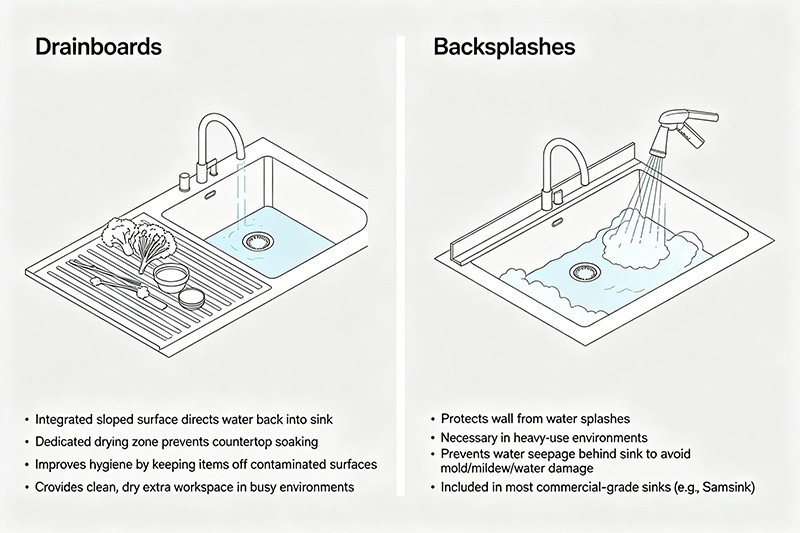
Drainboards: An integrated drainboard is a sloped surface next to the sink basin that directs water back into the sink. This feature is incredibly valuable for air-drying tools, washed vegetables, or dishes without soaking your countertops. It creates a dedicated drying zone, which helps improve hygiene by keeping items off potentially contaminated surfaces. In a busy workshop or kitchen, a drainboard provides essential extra workspace that stays clean and dry.
Backsplashes: A backsplash is a raised lip at the back of the sink that protects the wall from water splashes. In a heavy-use environment where you'll be using high-pressure sprayers or washing large items, a backsplash is not just a convenience—it's a necessity. It prevents water from seeping behind the sink, which can lead to mold, mildew, and water damage to the wall over time. Most commercial-grade sinks, like many from Samsink, include a backsplash for this very reason.
Gauge Matters: Why the Thickness of My Stainless Steel Freestanding Utility Sink is Important
When you see "gauge" mentioned in a sink's specifications, it's referring to the thickness of the stainless steel. This is a critical factor for the sink's durability, noise level, and resistance to denting.
Decoding Steel Gauge: Thicker for Tougher Jobs and Enhanced Durability
The gauge system for steel works in reverse: the lower the gauge number, the thicker the steel. For example, a 16-gauge sink is thicker and more robust than an 18-gauge sink.
16-Gauge: Considered a heavy-duty or commercial-grade thickness, 16-gauge steel is ideal for sinks that will endure rough use. It is highly resistant to denting from dropped pots or tools and is less likely to vibrate or make noise from running water or a garbage disposal. If you're outfitting a commercial kitchen, a busy workshop, or simply want the most durable option, 16-gauge is the superior choice.
18-Gauge: This is a very popular thickness for residential and light-commercial sinks as it offers a great balance of durability and affordability. It is still strong enough for most daily tasks but is slightly thinner than 16-gauge steel. While an 18-gauge sink is a perfectly good option for many applications, it may be more susceptible to denting under heavy impact compared to a 16-gauge model.
20-Gauge and Higher: Sinks with a gauge of 20 or higher are much thinner and are generally found in lower-end models. They are more prone to denting, can feel flimsy, and tend to be noisier. For a freestanding utility sink that is expected to do heavy lifting, it is best to avoid these higher gauges.
Gauge Comparison:
| Gauge | Thickness (approx.) | Best For | Key Characteristics |
|---|---|---|---|
| 16-Gauge | 1.59 mm | Commercial kitchens, workshops, heavy residential use | Maximum durability, excellent dent resistance, quieter operation. |
| 18-Gauge | 1.2 mm | Most residential uses, light-commercial applications | Good balance of durability and cost, reliable for daily tasks. |
| 20-Gauge | 0.95 mm | Light-duty or budget applications | More affordable, but more prone to dents and noise. Not recommended for heavy use. |
Material Quality: Ensuring Longevity for My Stainless Steel Freestanding Utility Sink
Not all stainless steel is created equal. The specific grade of the steel determines its corrosion resistance and, ultimately, its lifespan. The two most common grades you'll encounter for sinks are Type 304 and Type 316.
Types of Stainless Steel and Their Benefits for My Utility Sink
The grade is determined by the alloy content, primarily the percentages of chromium and nickel.
Type 304 Stainless Steel: This is the most common and widely used grade for kitchen and utility sinks, often referred to as 18/8 stainless steel because it typically contains 18% chromium and 8% nickel. This composition gives it excellent resistance to rust and corrosion in most environments. It's non-porous, hygienic, and durable, making it the gold standard for food preparation and general household use. For the vast majority of indoor utility sink applications, Type 304 provides the perfect combination of performance, longevity, and value.
Type 316 Stainless Steel: Type 316 is a premium grade of stainless steel that takes corrosion resistance to the next level. Its key difference is the addition of molybdenum (about 2-3%). This small addition makes it significantly more resistant to corrosion from chlorides, such as salt and harsh industrial chemicals. For this reason, 316 stainless steel is often called "marine grade." If your sink will be installed in a coastal area with salt in the air, near a swimming pool, or in a setting where it will be exposed to aggressive chemicals, investing in a Type 316 sink is highly recommended to prevent "tea staining" or pitting corrosion. However, it comes at a higher cost.
For most users, a high-quality freestanding utility sink from a reputable brand like Samsink, made from 16-gauge, Type 304 stainless steel, represents the sweet spot of professional-grade durability and practical value.
Making the Right Choice: My Personal Considerations for a New Stainless Steel Freeststanding Utility Sink
Now that you understand the key features, it’s time to think about your specific needs. Choosing the perfect sink is a personal decision that balances the demands of your tasks with the realities of your space. Careful planning at this stage will ensure your new sink is not only functional but also a seamless addition to your home or workspace.
Assessing My Space: Where Will My Stainless Steel Freestanding Utility Sink Go?
Before you even start shopping, the most crucial step is to measure your available space. A freestanding sink offers great installation flexibility, but it still needs to fit comfortably and allow you to work without feeling cramped.
Here’s what to consider:
- Measure Accurately: Use a tape measure to determine the maximum width, depth, and height you can accommodate. Don’t forget to account for "elbow room"—space to move around the sink comfortably while you work. A standard clear floor space of at least 30 by 48 inches in front of the sink is a good practice for accessibility and ease of use.
- Proximity to Plumbing: The ideal location for your utility sink is near existing hot and cold water supply lines and a drainpipe. The closer you are to these connections, the simpler, cheaper, and faster the installation will be. Laundry rooms and basements are popular choices because washing machine hookups are already in place.
- Overhead Clearance: Think vertically. Ensure there is enough height for the faucet you plan to install, especially if you opt for a tall, gooseneck style. Also, consider any overhead shelves or cabinets that might interfere with its placement.
- Flooring: The area should ideally have water-resistant flooring like concrete, tile, or vinyl. Spills and splashes are inevitable with a utility sink, and the right flooring will prevent water damage.
Once you have your dimensions, you can confidently shop for a sink that fits your space perfectly. Typical freestanding utility sinks range from 20 to 30 inches wide, with basins that are 12 to 15 inches deep or more.
Installation and Plumbing: My DIY Thoughts or Professional Help for the New Stainless Steel Freestanding Utility Sink
Installing a freestanding utility sink can be a manageable DIY project for those with intermediate plumbing skills. Because it's a standalone unit, you don't need to worry about building cabinets or cutting countertops. The basic process involves assembling the sink and its legs, connecting the faucet, and then hooking up the water supply lines and the drain.
DIY Approach: If you're comfortable with basic plumbing, you can likely handle the installation. The key steps include:
- Shutting off the water supply.
- Assembling the sink frame and leveling the legs.
- Mounting the faucet to the sink deck.
- Connecting the hot and cold supply lines from the shutoff valves to the faucet.
- Installing the drain strainer and connecting the P-trap to the sink and the main drain line.
However, there are situations where calling a professional plumber is the smarter, safer choice.
When to Call a Professional:
- No Existing Plumbing: If you need to run new water supply or drain lines to your desired location, a licensed plumber is necessary to ensure the work is done to code.
- Complex Connections: If you need to tie into a main drain stack or are unsure about proper venting, a professional can prevent serious issues like sewer gas leaks or poor drainage. Tapping into a washing machine's standpipe, for example, requires specific knowledge to avoid backups.
- Soldering Copper Pipes: If your home has copper pipes and you're not experienced with a propane torch and soldering, leave this to the experts to avoid leaks.
- Peace of Mind: If you're not confident in your skills, hiring a pro guarantees the job is done right, often with a warranty on the labor.
Accessories and Enhancements for My Stainless Steel Freestanding Utility Sink
The right accessories can transform your utility sink from a simple basin into a highly efficient workstation. These add-ons are designed to improve organization, protect your investment, and expand the sink's functionality.
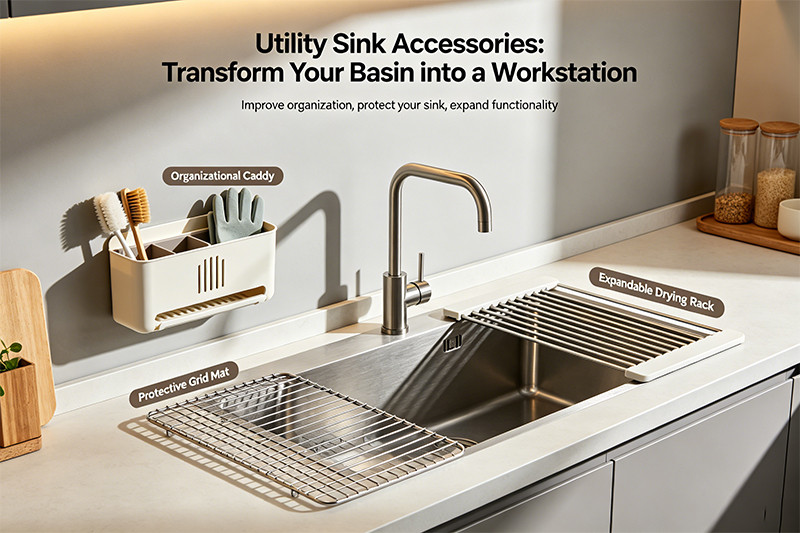
Faucets, Strainers, and Shelving to Maximize My Sink's Functionality
Here are some of the most valuable accessories to consider:
Faucets: The faucet is the most-used part of your sink. For a utility sink, function is key.
- Pull-Out Sprayer: A faucet with a pull-out or pull-down sprayer is a game-changer. It makes it easy to rinse the entire basin, fill buckets, and direct water exactly where you need it.
- High-Arc or Gooseneck Spout: This design provides ample clearance for washing bulky items.
- Durable Materials: Choose a faucet made from solid brass or stainless steel for maximum durability and corrosion resistance. Faucets with ceramic disc valves are also recommended for their long, drip-free lifespan.
Strainers and Bottom Grids:
- Basket Strainer: A high-quality basket strainer is essential for catching debris—like pet hair, soil, or lint—before it can clog your drain pipes.
- Sink Bottom Grid: This is a stainless steel rack that sits on the bottom of the sink. It protects the basin from scratches and dents caused by heavy tools or pots and allows water to flow freely to the drain even when the sink is full.
Shelving and Organizers: A freestanding sink doesn't come with built-in storage, so creating your own is crucial for an organized space.
- Wall-Mounted Shelving: Install open shelves above or next to the sink to keep soaps, detergents, and frequently used supplies within easy reach.
- Under-Sink Organizers: Even without a cabinet, you can use freestanding tiered shelves or caddies to organize items below the sink.
- Magnetic Holders: For stainless steel sinks, magnetic organizers are a clever way to hold sponges and scrub brushes, keeping them off the sink bottom and allowing them to dry properly.
By investing in a few smart accessories, you can dramatically improve your workflow and keep your utility area tidy and efficient. When considering your purchase, look no further than the robust and well-designed options from Samsink, and feel free to reach out to their team for guidance on selecting the perfect configuration and accessories for your needs.
Keeping My Investment Pristine: Tips for Maintaining a Stainless Steel Freestanding Utility Sink
A high-quality stainless steel sink is a significant investment built for longevity. With proper care and routine maintenance, you can keep it looking and performing its best for decades. The key is to use gentle cleaning methods and avoid harsh, abrasive materials that can damage the protective surface.
Everyday Cleaning: Simple Steps for My Stainless Steel Freestanding Utility Sink
Consistent, simple cleaning is the most effective way to maintain your sink’s luster and prevent a buildup of grime or mineral deposits.
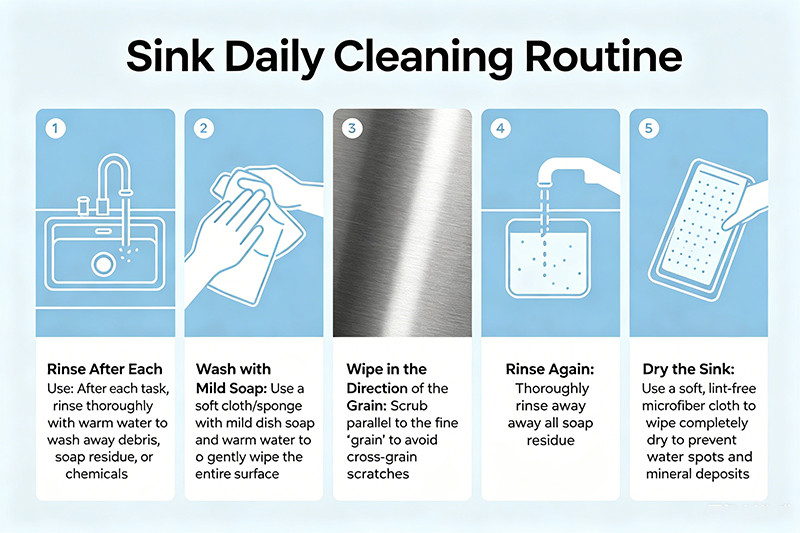
Daily Cleaning Routine:
- Rinse After Each Use: After each task, rinse the sink thoroughly with warm water to wash away any leftover debris, soap residue, or chemicals.
- Wash with Mild Soap: Use a soft cloth or sponge with a few drops of mild dish soap and warm water to gently wipe down the entire surface.
- Wipe in the Direction of the Grain: Stainless steel has a fine "grain" or brushed finish. Always scrub and wipe parallel to these lines to avoid creating tiny, cross-grain scratches.
- Rinse Again: Thoroughly rinse away all soap residue with clean water.
- Dry the Sink: This is a crucial step. Use a soft, lint-free microfiber cloth to wipe the sink completely dry. Drying the sink prevents water spots from forming and mineral deposits from building up, which keeps the steel looking bright and shiny.
Battling Stains and Scratches: My Best Practices for Longevity
Even with regular cleaning, you may eventually encounter minor stains or scratches. The good news is that most of these can be addressed with the right techniques.
Tackling Common Issues:
- Water Spots and Mineral Deposits: Hard water can leave white, chalky spots. To remove them, spray the area with a 1:1 solution of white vinegar and water. Let it sit for a few minutes, then scrub gently with a soft sponge, rinse, and dry completely.
- Minor Stains and Discoloration: For tougher stains, create a paste of baking soda and water. Apply the paste to the stain and let it sit for a few minutes. Gently scrub in the direction of the grain with a soft cloth or non-abrasive sponge, then rinse and dry.
- Light Scratches: Minor scratches are often inevitable but can be blended into the sink's finish. Use a non-abrasive cleaner like Bar Keepers Friend or a specialized stainless steel cleaner. Apply it to a soft cloth and gently rub back and forth along the grain.
- Deep Scratches: For deeper scratches, a dedicated stainless steel scratch removal kit may be necessary. These kits usually come with a series of abrasive pads and a compound. Always start with the finest grit pad and only move to coarser grits if needed, being extremely careful to only sand in the direction of the grain.
- "Rust" Spots: True rust is rare on Type 304 stainless steel. What often appears to be rust is actually iron particles from other sources (like cast iron pans or steel wool) that have been left on the sink's surface and have started to rust. To remove these, make a paste of baking soda or use an oxalic acid-based cleanser. Scrub gently, rinse, and dry.
What to Avoid:
- Steel Wool or Abrasive Pads: These will scratch and damage the sink's finish. Use only soft cloths, sponges, or nylon scrubbing pads.
- Harsh Chemicals: Never use chlorine bleach, ammonia-based cleaners, or oven cleaners in your sink. These chemicals can damage the protective chromium oxide layer and lead to corrosion.
- Leaving Items in the Sink: Avoid leaving wet sponges, cloths, rubber mats, or metal items (especially carbon steel) sitting in the sink for long periods. Trapped moisture and contact with other metals can cause staining and pitting.
Long-Term Care for Optimal Performance of My Stainless Steel Freestanding Utility Sink
Beyond daily cleaning, a few long-term care practices can ensure your sink remains in top condition and its corrosion resistance stays strong. The key to stainless steel's durability is its passive layer of chromium oxide. Protecting this layer is the goal of all maintenance.
- Passivation: Passivation is an industrial process that removes free iron from the surface of steel and strengthens its natural corrosion-resistant layer. While your sink arrives passivated, this layer can be fortified over time. You can perform a gentle version of this at home by thoroughly cleaning the sink with a non-abrasive cleaner (like one containing oxalic acid), rinsing completely, and allowing it to air-dry for a day or two. The oxygen in the air will naturally rebuild and strengthen the passive film.
- Polishing: To restore a brilliant shine, you can periodically polish your sink. After cleaning and drying, apply a small amount of mineral oil, olive oil, or a specialized stainless steel polish to a soft cloth. Buff it onto the sink's surface, wiping in the direction of the grain. This not only makes the sink sparkle but also helps repel water.
- Monthly Inspection: Once a month, take a few minutes to inspect the sink and its plumbing. Check for any slow drains, drips from the supply lines or P-trap, and look for any developing rust spots that need to be addressed early.
By following these maintenance tips, you ensure your stainless steel freestanding utility sink remains a durable, hygienic, and attractive workhorse for years to come.
Frequently Asked Questions (FAQ)
1. What gauge of stainless steel is best for a freestanding utility sink? For heavy-duty use in workshops, garages, or commercial settings, 16-gauge stainless steel is the best choice. It is thicker, more durable, and more resistant to dents and noise than higher gauges. For most residential laundry rooms or lighter-duty applications, 18-gauge offers a good balance of durability and affordability. Avoid gauges of 20 or higher for a utility sink, as they are too thin for demanding tasks.
2. What is the difference between 304 and 316 stainless steel? The main difference is the addition of molybdenum in 316 stainless steel. Type 304 is the industry standard for sinks, offering excellent corrosion resistance for most indoor environments. Type 316 ("marine grade") contains molybdenum, which provides superior resistance to corrosion from salt and other harsh chemicals. A 316-grade sink is recommended for outdoor installations, coastal areas, or any environment with high exposure to chlorides.
3. Can a stainless steel sink rust? High-quality stainless steel, like Type 304, is highly resistant to rust because of its chromium content, which forms a protective layer. However, what appears to be rust is often caused by particles of regular steel (from tools, steel wool, or sometimes from the water pipes) that have been left on the sink's surface and have started to corrode. These spots can typically be cleaned off with a non-abrasive cleaner like baking soda paste. To prevent this, always rinse and dry your sink and avoid leaving carbon steel items in it.
4. Can I install a freestanding utility sink myself? Yes, if you have basic to intermediate plumbing skills, installing a freestanding utility sink is often a manageable DIY project. The process mainly involves assembling the sink, installing the faucet, and connecting the drain and water supply lines to existing plumbing hookups. However, if you need to run new plumbing lines or are not comfortable cutting into drain pipes or soldering, it is highly recommended to hire a professional plumber.
5. What is the best type of faucet for a utility sink? The best faucet for a utility sink is one that prioritizes function and durability. A high-arc (gooseneck) faucet with a pull-out or pull-down sprayer is ideal. This configuration provides ample clearance for large items and allows you to easily direct water for cleaning the entire basin. Look for faucets made of solid brass or stainless steel with ceramic disc valves for long, drip-free performance.
6. How do I remove scratches from my stainless steel sink? For light scratches, you can often buff them out by making a paste of baking soda and water and gently rubbing it along the direction of the steel's grain. Commercial stainless steel cleaners can also be effective. For deeper scratches, a specialized stainless steel scratch removal kit containing fine-grit sanding pads may be required. Always work with the grain, never against it, to avoid creating more visible marks. Using a sink bottom grid is the best way to prevent scratches from occurring in the first place.
7. How do I keep my stainless steel sink looking shiny? The best way to maintain its shine is to rinse and dry the sink completely with a soft microfiber cloth after each use. This prevents water spots and mineral buildup. For an extra sparkle, you can periodically polish the sink by applying a small amount of mineral oil or a dedicated stainless steel polish and buffing it in the direction of the grain.
Conclusion
Choosing the ideal stainless steel freestanding utility sink might seem complex, but with this guide, I hope you feel confident in making a decision that perfectly suits your heavy-duty needs. From understanding the superior durability of 16-gauge, Type 304 steel to selecting the right compartment configuration and accessories for your workflow, every detail contributes to creating a functional and long-lasting workstation.
Remember, investing in the right sink means investing in durability, efficiency, and a reliable partner for your toughest tasks, ensuring seamless operations whether it's for my workshop or a commercial kitchen. A quality sink from a trusted brand like Samsink will not only handle messes but will also enhance the productivity of your space.
I'm confident that with the right information, you're now ready to select a robust and functional stainless steel freestanding utility sink that will serve you well for years to come. Don't hesitate to invest in a quality product—it's a decision that will pay dividends in performance and longevity. Happy cleaning