The Ultimate Guide to Undermount Sink Materials: Pros, Cons, and Installation.
Choosing the right kitchen sink is a significant decision that impacts both the aesthetics and functionality of your kitchen. As homeowners, we understand that a kitchen is more than just a place to cook; it's the heart of the home, a hub of daily activity where memories are made. An integral part of this space is the sink, and its style and material can define the room's entire character.
Today, we're diving deep into the world of undermount sinks, a popular choice celebrated for its seamless and sleek appearance. Installed directly beneath the countertop, this design creates a smooth, uninterrupted surface that is both beautiful and practical. We'll explore the best materials available, from the ever-popular stainless steel to luxurious copper, helping you make an informed decision for your home.
Join us as we uncover the pros, cons, and installation considerations for various undermount sink materials. Our goal is to ensure you find the perfect one to complement your kitchen's style, meet your daily needs, and stand the test of time, making your kitchen not just a workspace, but a true reflection of your taste.
Key Takeaways
- Material Matters Most: The material you choose for your undermount sink—be it stainless steel, granite composite, fireclay, or copper—will dictate its durability, maintenance needs, and overall aesthetic. Each has unique strengths and weaknesses.
- Installation is Crucial: Undermount sinks require a solid, waterproof countertop material like granite, quartz, or marble. They cannot be installed with laminate countertops. Professional installation is highly recommended to ensure a secure, long-lasting fit.
- Thickness and Sound Dampening: For stainless steel sinks, a lower gauge (16-18) means thicker, more durable, and quieter steel. Look for models with sound-dampening pads or undercoating to minimize noise from clattering dishes and running water.
- Lifestyle and Usage: Consider your daily habits. A busy family that uses heavy pots and pans may benefit from a highly durable material like granite composite or thick-gauge stainless steel. Someone who prioritizes classic aesthetics might prefer fireclay.
- Budget Accordingly: Costs can vary significantly. Stainless steel is often the most budget-friendly option, while materials like fireclay, cast iron, and copper are typically at a higher price point. Remember to factor in the cost of professional installation.
Exploring Popular Materials for Your Undermount Sinks
The material of your undermount sink is its most defining feature. It affects everything from its appearance and durability to its maintenance routine and cost. Let's explore the most popular options on the market to help you identify the best fit for your kitchen.
Stainless Steel Undermount Sinks: The Everyday Workhorse
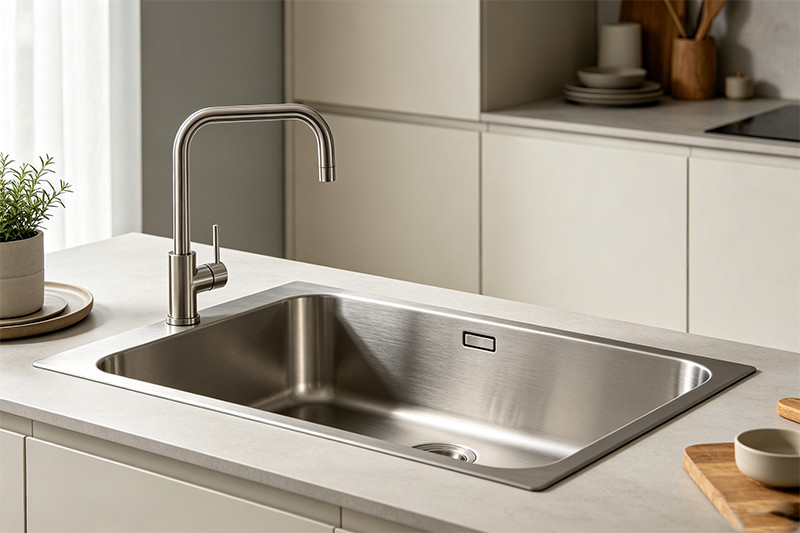
There's a reason stainless steel sinks are found in the majority of homes and commercial kitchens: they are versatile, durable, and offer a great balance of performance and value. Their sleek, modern appearance can complement almost any kitchen design, from hyper-modern to traditional.
Why We Love Them: Durability and Versatility
Stainless steel sinks are celebrated for their impressive durability. They are highly resistant to corrosion, rust, heat, and stains, making them a practical workhorse for the busiest of kitchens. You won't have to worry about placing a hot pan in the sink or a splash of pasta sauce leaving a permanent mark.
A key factor in a stainless steel sink's durability is its gauge, which refers to the thickness of the steel. In a counterintuitive twist, a lower gauge number means thicker steel. Most residential sinks range from 22-gauge (thinner) to 16-gauge (thicker). For an undermount sink that will withstand daily use, experts recommend choosing a 16 or 18-gauge model. This thicker steel is more resistant to denting and also helps to reduce noise.
Their versatility is another major advantage. Stainless steel comes in various finishes, including brushed, satin, and matte, which can help camouflage minor scratches and water spots. Whether you have granite, quartz, or butcher block countertops, a stainless steel sink integrates seamlessly.
What to Consider: Scratches and Noise
Despite their toughness, stainless steel sinks are susceptible to scratches, especially in the beginning. While minor scratches tend to blend into the grain of a brushed or satin finish over time, they are a reality of this material. Using a sink grid at the bottom can help protect the surface from heavy pots and pans.
Another common concern is noise. Without proper insulation, the sound of water hitting the metal or dishes clattering can be quite loud and "tinny," particularly with thinner gauge sinks. To combat this, reputable manufacturers like Samsink equip their sinks with sound-dampening technology. This often includes thick rubber pads applied to the exterior of the sink and a layer of undercoating. These features absorb vibrations and significantly quiet the sink, making for a much more pleasant kitchen experience.
| Feature | Description |
|---|---|
| Recommended Gauge | 16 to 18 gauge for best durability and noise reduction. |
| Common Finishes | Brushed, Satin, Matte. These help to hide scratches. |
| Pros | Durable, affordable, heat/stain resistant, versatile style. |
| Cons | Can scratch, can be noisy without sound dampening. |
Granite Composite Undermount Sinks: A Blend of Beauty and Brawn
For those seeking a departure from traditional stainless steel, granite composite sinks offer a compelling alternative. Made from a blend of crushed natural granite (around 80%) and acrylic resins (about 20%), these sinks boast exceptional durability and a sophisticated, modern aesthetic. They feel like matte stone to the touch and come in a variety of rich, earthy tones like black, grey, beige, and white, allowing for stunning design coordination with your countertops.
The Upsides: Toughness and Modern Appeal
The primary advantage of a granite composite sink is its outstanding resilience. This material is one of the most scratch-resistant options on the market. It's also highly resistant to chips, stains, and heat up to 535°F, so you can move hot pots from the stove to the sink without a second thought. Because the color and material are uniform all the way through, any minor scuffs that might occur won't be obvious.
In addition to their toughness, granite composite sinks are naturally quieter than their stainless steel counterparts. The dense material absorbs sound, leading to a more peaceful kitchen environment without the need for extra sound-dampening pads. Their non-porous surface is hygienic and generally easy to clean, though lighter-colored sinks may require more diligence to prevent stains from coffee or red wine.
Things to Know: Weight and Cost
The robust nature of granite composite comes with significant weight. These sinks are considerably heavier than stainless steel models, which is a critical factor for installation. Your cabinetry and countertop must be able to support the extra load, and this often means professional installation is not just recommended, but necessary.
While they offer a high-end look, granite composite sinks typically come with a higher price tag than standard stainless steel options. However, many homeowners find the investment worthwhile due to their longevity and lasting beauty. It's also important to be mindful of cleaning. Avoid harsh, abrasive chemicals and scrubbers, as these can damage the matte finish over time. Regular gentle cleaning is all that's needed to maintain its look.
Ceramic Undermount Sinks (Fireclay & Porcelain): Timeless Charm
Ceramic sinks, particularly those made of fireclay, evoke a sense of timeless elegance and are often the centerpiece of farmhouse, traditional, and transitional kitchens. Crafted from clay and fired at extremely high temperatures, fireclay fuses with its glaze to create an incredibly dense, durable, and non-porous material. While "porcelain" is often used interchangeably, true fireclay is a superior product for kitchens due to its enhanced durability.
The Allure: Classic Looks and Easy Cleaning
The most significant draw of a fireclay sink is its stunning appearance. The glossy, smooth surface—most often in shades of white and off-white—brings a bright, clean look to the kitchen. This non-porous finish is highly resistant to stains, acids, and rust, making it exceptionally easy to clean. Most messes can be wiped away with mild soap and water.
Beyond its beauty, high-quality fireclay is very durable under normal use. It can withstand high heat and won't discolor over time. The material's handcrafted nature means each sink can have slight variations, adding to its unique charm. Many designs, like those from Samsink, feature a reversible apron front, allowing you to choose between a smooth or a fluted design.
Potential Drawbacks: Chipping and Weight
While durable, fireclay is not indestructible. Its primary vulnerability is to chipping or cracking from the impact of a heavy object, like a cast iron pot dropped from a height. While quality fireclay is more resistant to this than porcelain-coated cast iron, it is still a risk to be aware of. Using a sink grid can provide a protective cushion.
Like granite composite, fireclay sinks are very heavy and require robust countertop and cabinet support for an undermount installation. This almost always necessitates professional installation and rules out use with laminate countertops. Fireclay sinks also represent a higher-end investment, generally costing more than both stainless steel and some granite composite options.
| Feature | Fireclay Sinks |
|---|---|
| Material | Ceramic clay and glaze fused at high temperatures. |
| Aesthetic | Classic, bright, glossy, often with an apron front. |
| Pros | Highly stain-resistant, easy to clean, timeless look, durable against heat and acids. |
| Cons | Can chip from heavy impact, very heavy, more expensive, limited color options. |
Other Unique Materials for Undermount Sinks
While stainless steel, granite composite, and fireclay dominate the market, several other materials offer unique aesthetics and benefits for discerning homeowners.
Cast Iron Undermount Sinks: Robust and Colorful
Enameled cast iron sinks have a long history in kitchens, known for their incredible longevity and strength. They are constructed from a solid iron alloy base and coated with a thick, glossy porcelain enamel. This heavy-duty construction makes them exceptionally durable and resistant to heat. One of the biggest draws is the wide variety of vibrant colors available for the enamel finish, allowing them to become a bold design statement.
However, the enamel coating is their main vulnerability. A heavy impact can cause it to chip, exposing the iron beneath, which can then rust if not repaired. Like fireclay, these sinks are extremely heavy and require reinforced cabinetry and professional installation. They are also unforgiving on dropped dishes.
Copper Undermount Sinks: Rustic Elegance and Patina
For a truly unique and luxurious focal point, a copper sink is unmatched. These sinks bring warmth and character to a kitchen, suiting rustic, farmhouse, and Tuscan-style designs perfectly. One of copper's most notable features is its "living finish." Over time, the metal reacts with air and water, developing a unique, evolving pattern of light and dark tones called a patina. This means the sink's appearance will change, and any scratches tend to disappear back into the finish. Copper also has natural antimicrobial properties, which can help keep your kitchen more hygienic.
The main considerations for copper are its cost and maintenance. Copper sinks are among the most expensive on the market. The living finish also requires a specific care routine. Acidic foods like lemon or tomatoes can strip the patina, creating bright, shiny spots. While the patina will eventually return, some owners may not like the inconsistent appearance. Keeping the sink shiny requires regular polishing, while letting the patina develop means embracing its natural changes.
Seamless Integration: Installation Considerations for Undermount Sinks
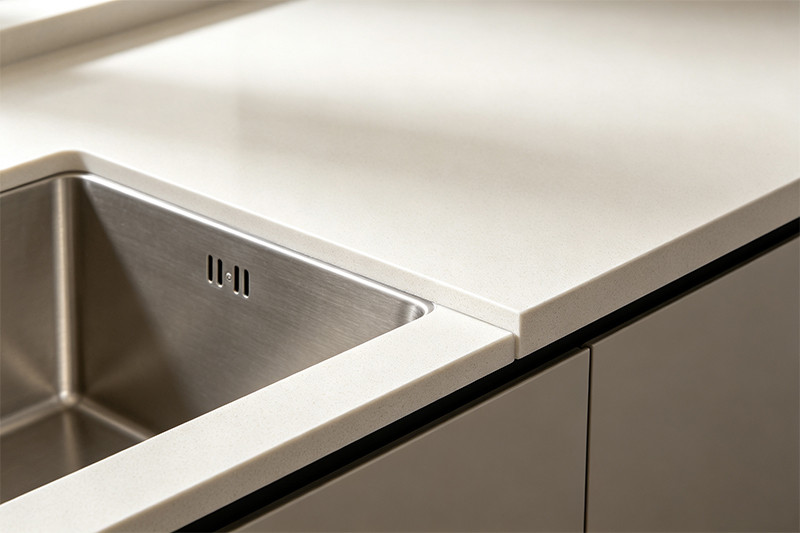
The defining feature of an undermount sink is its installation method, which creates a clean, rimless look. However, this seamless integration requires specific conditions and professional expertise to ensure a successful and long-lasting result.
Understanding Undermount Installation
An undermount sink is installed from below the countertop, which means its rim is hidden and the edge of the counter material is exposed. This installation method relies on a combination of strong adhesives, such as 100% silicone caulk or two-part epoxy, and mechanical fasteners like clips or brackets to secure the sink firmly against the underside of the counter.
The process typically involves:
- Creating a Precise Cutout: The countertop fabricator uses a template, often provided with the sink, to cut a precise opening in the stone or solid surface material.
- Securing the Sink: The sink is lifted into place from below. A bead of high-quality silicone sealant is applied around the top edge of the sink's rim to create a waterproof barrier.
- Mechanical Fastening: Mounting clips or brackets are then attached to the underside of the counter and the sink's rim, tightened to hold the sink securely in place while the adhesive cures.
- Support for Heavy Sinks: For heavy materials like fireclay, cast iron, or granite composite, additional support structures may be built into the sink base cabinet to help bear the weight.
A critical requirement for this installation is the countertop material itself. Undermount sinks are only compatible with solid, waterproof materials like granite, quartz, marble, soapstone, or solid surface composites. These materials are strong enough to support the weight of the sink and will not be damaged by the exposed, sealed edge. Traditional laminate countertops, which have a particleboard core, are not suitable because any moisture that seeps into the seam could cause the material to swell and fail.
Comparing with Other Sink Installation Types
Understanding how undermount sinks differ from other installation types can help solidify your decision.
Drop-in vs. Undermount: The Key Differences
The most common alternative to an undermount sink is the drop-in sink, also known as a top-mount or self-rimming sink. As the name suggests, this sink is "dropped" into the countertop cutout from above, and its weight is supported by a visible rim that rests on the counter surface.
Here’s a breakdown of the key differences:
| Feature | Undermount Sink | Drop-in Sink |
|---|---|---|
| Aesthetics | Seamless, sleek, modern look that maximizes visible counter space. | Visible rim creates a more traditional look. |
| Cleaning | Very easy to clean; crumbs and spills can be wiped directly into the sink. | The rim creates a lip where food, grime, and water can collect, requiring more effort to keep clean. |
| Cost | Typically more expensive due to both the sink itself and the complex professional installation required. | Generally more affordable and can often be a DIY-friendly installation, lowering overall costs. |
| Countertop Compatibility | Requires solid surface countertops like granite, quartz, or marble. Not compatible with laminate. | Compatible with nearly all countertop materials, including laminate, making it a more versatile option. |
| Installation | Complex process requiring adhesives, clips, and often professional help. | Simpler installation; the sink is placed into the cutout and secured from below. |
Apron-Front Undermount Sinks: A Farmhouse Favorite
A popular hybrid style is the apron-front (or farmhouse) sink installed in an undermount fashion. These sinks are defined by their exposed front wall, which extends down past the edge of the cabinetry. While some apron-front sinks are top-mounted, an undermount installation creates a sleek, integrated look that combines modern and traditional aesthetics.
Installing an apron-front undermount sink is one of the most complex projects. It requires:
- A Special Sink Base Cabinet: The cabinet underneath must be specifically designed or modified to accommodate the sink's depth and exposed apron. The cabinet front must be cut precisely to match the sink's profile.
- Heavy-Duty Support: Because these sinks (especially in fireclay or cast iron) are extremely heavy, a robust support frame must be built inside the cabinet to bear the weight independently of the countertop.
- Precise Coordination: The installation requires careful coordination between the cabinet installer and the countertop fabricator to ensure the sink, cabinet, and countertop all align perfectly.
Despite the complex installation, the result is a stunning focal point that offers the deep, spacious basin of a farmhouse sink with the clean, seamless countertop line of an undermount model.
Matching Undermount Sinks with Your Kitchen Style and Countertops
Choosing the right undermount sink isn't just about the sink itself; it's about how it harmonizes with the other elements in your kitchen, especially your countertops and overall design aesthetic. A thoughtful pairing can elevate your entire space.
The Perfect Pairing: Undermount Sink Materials for Different Countertops
Because undermount sinks require solid surface countertops, the most common pairings are with stone, quartz, or wood. Here's how to create a harmonious match.
Granite and Quartz Undermount Sinks: A Harmonious Match
Granite and quartz are two of the most popular countertop materials, and they offer incredible versatility when it comes to sink pairings.
- For a Cohesive Look: Matching a granite composite sink to your granite or quartz countertop can create a stunning, monolithic appearance. Choosing a sink in a similar color to the veining in your stone can tie the whole look together.
- For a Contrasting Look: A classic white fireclay undermount sink looks striking against a dark granite or quartz countertop. Conversely, a black or dark grey granite composite sink can create a dramatic focal point in a kitchen with light-colored quartz counters.
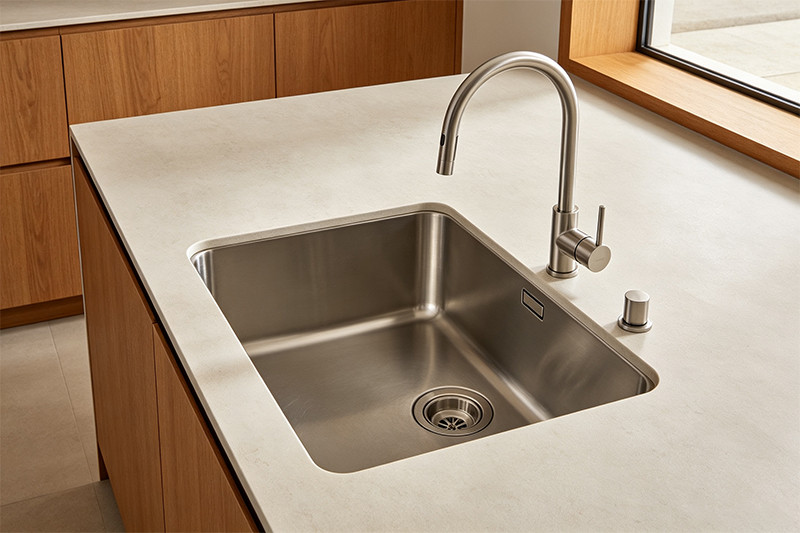
- The Go-To Neutral: Stainless steel is the universal donor of the sink world. It works beautifully with virtually any color of granite or quartz, complementing both warm and cool tones. An undermount stainless steel sink preserves the clean lines of the stone and is a safe, timeless choice.
Marble and Soapstone: Elegant Undermount Sink Choices
Marble and soapstone countertops exude a soft, luxurious elegance. The right sink can enhance this quality.
- Fireclay: A white fireclay undermount sink is a natural partner for marble, echoing its classic, timeless feel. The soft white of the fireclay complements the veining of Carrara or Calacatta marble beautifully.
- Stainless Steel: For a more modern take on an elegant kitchen, a high-quality brushed stainless steel sink provides a subtle, sophisticated contrast to the softness of marble or the dark, moody tones of soapstone.
- Soapstone Sinks: For a truly seamless look, you can have a sink fabricated from the same soapstone as your countertops. This creates an integrated, custom look that is both beautiful and highly durable.
- Copper: Pairing a copper undermount sink with a dark or green-veined soapstone countertop can create a warm, rich, and slightly rustic aesthetic.
Wood Countertops: Complementing with Undermount Sinks
Installing an undermount sink with a wood or butcher block countertop is possible, but it requires meticulous care to prevent water damage. The cutout in the wood must be perfectly sealed to protect the exposed end grain from moisture.
- The Critical Seal: The area around the sink cutout must be thoroughly sealed with a marine-grade varnish or epoxy to create an impenetrable waterproof barrier. Even with a good seal, it's crucial to wipe up any water around the sink promptly.
- Best Material Pairings: A white fireclay or enameled cast iron sink offers a classic, charming look against the warmth of wood. Stainless steel also works well, providing a more modern, utilitarian contrast.
Considering Your Kitchen's Aesthetic for Undermount Sinks
Beyond the countertop pairing, your sink should align with your kitchen's overall style.
- Modern and Minimalist: A single-basin stainless steel sink with clean lines and tight-radius corners or a dark granite composite sink are excellent choices. They underscore a commitment to sleek, uncluttered design.
- Traditional and Farmhouse: The quintessential choice is an apron-front fireclay sink. Its bright white finish and classic form make it an instant focal point. An enameled cast iron sink in white or a soft color also fits this aesthetic perfectly.
- Transitional: This style blends modern and traditional elements, and stainless steel or granite composite sinks are both strong contenders. A double-basin design can offer a more traditional feel, while the material itself remains modern.
- Rustic and Industrial: A hammered copper sink that is allowed to develop a rich patina is ideal for a rustic space. For an industrial look, a large, commercial-style 16-gauge stainless steel sink makes a bold statement.
No matter your style, Samsink offers a diverse collection of undermount sinks in various materials and configurations, helping you find the perfect match for your kitchen's unique personality.
Making the Right Choice: Our Ultimate Buying Guide for Undermount Sinks
With so many options, choosing the perfect undermount sink can feel overwhelming. This final section a practical framework for making your decision, focusing on budget, durability, and your own lifestyle.
Budgeting for Your Undermount Sinks
The cost of an undermount sink can vary dramatically based on the material, brand, and size. It's important to consider not only the price of the sink itself but also the cost of professional installation, which is almost always required.
Here's a general cost comparison:
| Sink Material | Price Range (Sink Only) | Key Considerations |
|---|---|---|
| Stainless Steel | $ - $$ | The most affordable option. Price increases with lower gauges (thicker steel) and sound-dampening features. |
| Granite Composite | $$ - $$$ | Mid-to-high range. Offers excellent value for its durability and aesthetic appeal. |
| Cast Iron | $$$ | A higher-end option, known for its longevity and color variety. |
| Fireclay | $$$ - $$$$ | A premium choice, especially for authentic, handcrafted farmhouse styles. |
| Copper | $$$$ - $$$$$ | The most expensive option, priced for its unique material, craftsmanship, and aesthetic. |
Pro-Tip: Don't cut corners on installation. A poorly installed undermount sink can lead to leaks, damage to your countertops and cabinetry, and even sink failure. The cost of a professional installer is a worthwhile investment to protect your kitchen.
Evaluating Durability and Maintenance for Undermount Sinks
Your sink is one of the hardest-working fixtures in your kitchen. Choosing a material that can stand up to your daily use and that you're willing to maintain is crucial for long-term satisfaction.
| Material | Durability Profile | Maintenance Needs |
|---|---|---|
| Stainless Steel | Resists heat, stains, and rust. Prone to scratches and dents (less so with thicker gauges). | Requires regular cleaning to avoid water spots. Scratches can be buffed out on some finishes. |
| Granite Composite | Extremely resistant to scratches, chips, stains, and heat. Very durable. | Low maintenance. Clean with soap and water. Avoid abrasive cleaners that can dull the matte finish. |
| Fireclay | Very resistant to stains and heat. Can chip or crack from a sharp, heavy impact. | Easy to clean. Use a sink grid to protect against chipping from heavy pots. |
| Cast Iron | Extremely durable and heat-resistant. Enamel can chip, potentially leading to rust if not repaired. | Easy to clean. Requires non-abrasive cleaners. Chips in the enamel should be repaired promptly. |
| Copper | Very durable and rust-proof. Scratches tend to blend into the patina. | Requires a choice: either regular polishing to maintain shine or allowing the natural patina to develop. Avoid acidic foods sitting in the sink. |
Assessing Your Lifestyle and How You Use Your Undermount Sinks
Finally, the best sink is the one that fits how you live. Ask yourself these questions:
- How much do you cook? If you're an avid home chef who frequently uses heavy pots and pans (like cast iron skillets), you'll want a highly durable material that resists chipping and scratching, such as granite composite or thick-gauge stainless steel.
- How large is your family? A large, busy family means more dishes, more activity, and more potential for wear and tear. A large single-basin or a durable double-basin sink will be invaluable.
- What's your tolerance for maintenance? Are you someone who fastidiously wipes down the sink after every use? Or do you prefer a "set it and forget it" approach? If you dislike the look of water spots, stainless steel might require more diligence than you'd like. If you want the lowest maintenance option, granite composite is often the winner.
- How important is aesthetics vs. function? Are you designing a showpiece kitchen, or do you prioritize bulletproof functionality above all else? A copper sink might be a stunning focal point but requires more specific care than a stainless steel workhorse.
By balancing these practical considerations with your design vision, you can confidently select an undermount sink that you'll love for years to come.
Frequently Asked Questions (FAQs)
1. What is the most durable material for an undermount sink?
For overall durability, granite composite sinks are often considered the top contender. They are exceptionally resistant to scratches, chips, stains, and heat. However, 16-gauge stainless steel is also incredibly durable, resistant to heat and stains, and will not chip or crack, although it can be susceptible to dents and scratches.
2. Can you install an undermount sink with laminate countertops?
It is strongly recommended not to install a traditional undermount sink with standard laminate countertops. The core of laminate is typically particleboard, which can swell, warp, and disintegrate if exposed to moisture. Since an undermount installation leaves the cut edge of the countertop exposed, any failure in the silicone seal could lead to catastrophic damage to the counter. There are some specialized products and installation methods designed for this pairing, but they should only be undertaken by professionals experienced with that specific system.
3. How do you clean an undermount sink?
Cleaning methods vary by material:
- Stainless Steel: Use mild dish soap and a soft cloth for daily cleaning. To prevent water spots, rinse and wipe dry after use. For a deeper clean, a paste of baking soda and water can be used to gently scrub away marks.
- Granite Composite: A soft sponge with soap and water is sufficient for daily cleaning. Avoid abrasive pads or harsh chemicals like bleach, which can dull the matte finish.
- Fireclay: The non-porous, glossy surface is easy to clean with soap and water. For tough stains, a non-abrasive cleaner can be used. It's best to avoid abrasive scouring pads.
- Cast Iron: Clean with non-abrasive detergents to protect the enamel finish. For stubborn stains, specialized enamel cleaners are available. Avoid steel wool or harsh scrubbers.
- Copper: For daily cleaning, use mild soap and water, and wipe dry. To maintain a shiny finish, you'll need to polish it regularly with a dedicated copper cleaner. To encourage a natural patina, simply let it air dry and avoid acidic substances.
4. Are undermount sinks better than drop-in sinks?
"Better" depends on your priorities. Undermount sinks are generally considered superior for their seamless aesthetics and ease of cleaning, as you can wipe debris directly from the counter into the sink. This gives them a modern, high-end look. However, they are more expensive to purchase and install and are only compatible with solid countertops. Drop-in sinks are more budget-friendly, easier to install (even as a DIY project), and work with any countertop material, but their raised rim can trap grime and disrupt the smooth look of the counter.
5. What is the best gauge for a stainless steel sink?
For a residential kitchen sink, 16-gauge or 18-gauge is considered the best. A lower gauge number means the steel is thicker. 16-gauge steel is more durable, quieter, and more resistant to dents than 18-gauge steel, making it the premium choice for busy kitchens. 18-gauge steel still offers excellent quality and durability for everyday use and is often available at a slightly more accessible price point. Sinks with gauges of 20 or higher are thinner and more prone to noise and denting.
Conclusion
Choosing the ultimate undermount sink for your kitchen involves balancing aesthetics, durability, and your personal lifestyle. We've explored a range of materials, from the reliable workhorse of stainless steel to the timeless elegance of fireclay and the unique beauty of copper, each with its distinct advantages and considerations.
Remember, there is no single "perfect" undermount sink for everyone. The best choice is the one that fits your budget, complements your kitchen design, and stands up to the demands of your daily life. Whether you prioritize a low-maintenance surface that can handle heavy use or a stunning visual centerpiece that reflects your style, this guide has armed you with the knowledge to make a confident decision.
We encourage you to consider all factors – from counter compatibility and installation requirements to long-term maintenance – to select an undermount sink that you'll love and rely on for years to come. Ready to find the perfect sink for your home? Explore the diverse range of high-quality and stylish undermount sinks from Samsink to find the ideal match for your kitchen transformation. We'd love to hear about your choice in the comments below