Top Mount Kitchen Sink Materials Explained: From Basics to Luxury
Choosing the right kitchen sink is more than just a functional decision; it's about selecting a centerpiece that enhances your cooking space. As an essential part of our daily routines, our kitchen sink withstands constant use, making durability, longevity, and style equally important considerations that directly impact our efficiency and kitchen aesthetics.
Today, we're diving specifically into top mount kitchen sinks – a classic and versatile option for many homeowners. I'll guide you through the various materials available, helping you understand their pros, cons, and what makes each unique, from basic to luxurious choices, ensuring you select the perfect top mount kitchen sink for your needs.
Key Takeaways
This guide provides a comprehensive overview of top mount kitchen sink materials to help you make an informed decision. Here are the key points we'll cover:
- Understanding Top-Mount Sinks: We will define what a top-mount (or drop-in) sink is, focusing on its installation method where the sink is dropped into a pre-cut hole in the countertop, with the rim resting on top. We'll discuss why this classic style remains popular due to its straightforward installation, affordability, and compatibility with all countertop materials, especially laminate.
- Core Material Analysis - Stainless Steel: As the most popular choice, we explore the benefits of stainless steel, including its affordability, resistance to heat and stains, and modern aesthetic. We'll also cover its drawbacks, such as its propensity for scratching and water spots, and introduce modern innovations like nano-PVD coatings that enhance its durability and ease of cleaning.
- Mid-Range Excellence - Granite Composite: This section delves into granite composite sinks, a blend of crushed granite and acrylic resin. We'll highlight their superior durability, resistance to scratches and chips, and excellent sound-dampening qualities. The discussion will also address their greater weight, which may require reinforced cabinetry, and specific maintenance needs to prevent staining.
- Luxury and Premium Materials: For those seeking high-end options, we examine fireclay, cast iron, and natural stone sinks.
- Fireclay sinks are praised for their classic, farmhouse look, non-porous glossy surface, and resistance to acids and scratches. However, they are heavy and can be prone to cracking from severe impacts.
- Enameled Cast Iron sinks offer exceptional durability and a beautiful, glossy finish available in many colors. Their primary disadvantage is their extreme weight and the risk of the enamel chipping, which can expose the iron core to rust.
- Natural Stone sinks (like marble, granite, or soapstone) provide unparalleled, one-of-a-kind beauty, but they are the most expensive, heaviest, and often require significant maintenance, including regular sealing to prevent stains and damage.
- Decision-Making Guide: We will provide a practical framework to help you choose the right material. This includes aligning the sink's style with your kitchen decor and cleaning habits, setting a realistic budget, and considering functional needs like bowl configuration (single vs. double) and depth. We'll also touch upon how modern workstation sinks with integrated accessories can transform your sink into a multi-functional food prep area.
- Sustainability: Finally, we will briefly touch on the eco-friendly aspects of certain materials, such as the recyclability of stainless steel and the longevity of high-quality materials that reduce the need for frequent replacement.
By exploring these key areas, you'll gain the expertise needed to select a top mount kitchen sink from a trusted brand like Samsink that not only meets your functional requirements but also elevates the heart of your home.
Understanding the Versatility of My Top Mount Kitchen Sink
Before diving into the myriad of material options, it's crucial to understand the fundamental characteristics of a top mount kitchen sink. This style, also known as a "drop-in" or "self-rimming" sink, has been a mainstay in kitchens for decades for good reason. Its design, installation process, and inherent versatility make it a practical and appealing choice for a wide range of kitchen designs and budgets.
What Defines a Top Mount Kitchen Sink?
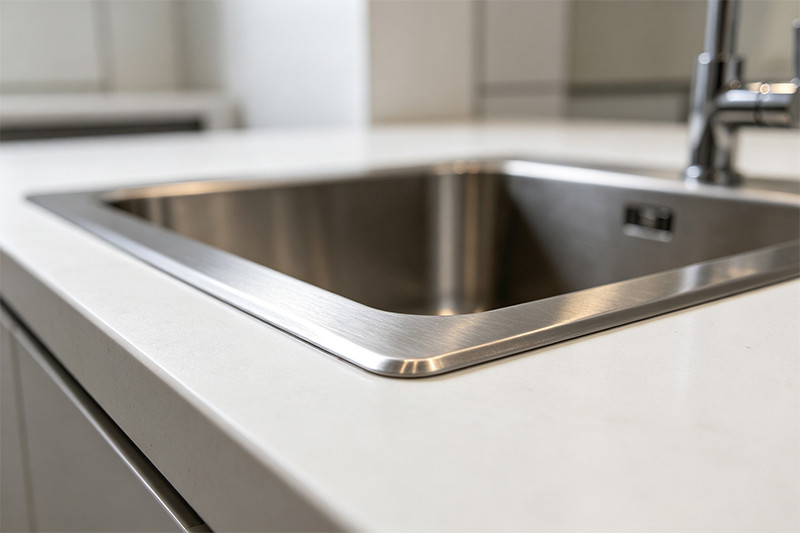
A top mount sink is characterized by its visible rim that rests on top of the countertop. This design is distinct from an undermount sink, which is installed from below, creating a seamless transition from the countertop to the sink basin. The simplicity of the top mount design is one of its greatest strengths.
Installation and Structure
The installation of a top mount sink is one of its most defining and celebrated features. The process involves cutting a hole in the countertop and simply "dropping" the sink into place. The sink's weight is entirely supported by the rim that overlaps the countertop material. This rim is then sealed with silicone caulk to prevent water from seeping underneath.
This straightforward installation makes it a favorite for DIY enthusiasts, as it doesn't require the complex internal support systems or polished countertop edges that undermount sinks demand. The structure is simple: a basin with a finished rim around the entire perimeter. This rim is not just functional; it also frames the sink, making it a distinct visual element in the kitchen's design.
Compatibility with Countertops
One of the greatest advantages of a top mount sink is its universal compatibility with virtually any countertop material. Because the sink's rim covers the edge of the cutout, it eliminates the need for the countertop edge to be perfectly finished or polished. This makes it the ideal, and often only, choice for laminate or tile countertops, which have raw or uneven edges that need to be concealed.
While they work perfectly with laminate, they are equally at home with solid surface, granite, quartz, and wood countertops. This flexibility allows homeowners to pair an affordable sink with a wide variety of countertop price points without compromising the installation's integrity. For anyone planning a kitchen renovation, especially on a budget, the top mount sink opens up a world of countertop possibilities.
Why I Might Choose a Top Mount Kitchen Sink
Beyond its structural definition, there are compelling reasons why a homeowner would actively choose a top mount sink over other styles. These advantages often revolve around cost, simplicity, and long-term maintenance.
Affordability and Ease of Installation
As a general rule, top mount sinks are more affordable than their undermount counterparts, both in terms of the initial purchase price of the sink itself and the cost of installation. The installation process is less labor-intensive, which translates to lower costs if you're hiring a professional. For those tackling the project themselves, the DIY-friendly nature of the installation can lead to significant savings. This combination of lower upfront cost and reduced installation expense makes the top mount sink an incredibly budget-friendly option for new builds and renovations alike.
Simplicity in Replacement and Maintenance
The ease of installation also means ease of replacement. If you ever decide to update your sink, removing a top mount model is as simple as breaking the caulk seal, disconnecting the plumbing, and lifting it out. Replacing it with a new sink of the same size requires minimal effort.
Maintenance is also straightforward. While the rim can sometimes trap grime and requires regular wiping, the accessibility of the entire sink makes cleaning simple. Unlike undermount sinks where the gap between the countertop and the sink can harbor buildup, all surfaces of a top mount sink are visible and easy to reach. Should the silicone seal ever fail, it is a simple and inexpensive task to re-caulk the edge to ensure a watertight finish.
Exploring Popular Choices: My Stainless Steel Top Mount Kitchen Sink
When you picture a classic kitchen sink, chances are you're thinking of stainless steel. It is, by far, the most popular material for kitchen sinks, and for good reason. Its combination of a modern aesthetic, robust performance, and accessible price point makes it a go-to choice for homeowners, builders, and designers. Let's explore what makes the stainless steel top mount sink an enduring favorite and look at the recent innovations that are making it even better.
The Enduring Appeal of Stainless Steel
Stainless steel’s popularity isn’t just a trend; it's a testament to its balanced and practical properties. It effortlessly fits into almost any kitchen style, from ultra-modern to transitional, providing a clean and professional look that complements other appliances.
Durability, Affordability, and Style Matching
One of the primary reasons for stainless steel's dominance is its exceptional durability for the price. Made from an alloy of steel, chromium, and nickel, it is highly resistant to corrosion, rust, and heat. You can place a hot pan directly into a quality stainless steel sink without worrying about damage, a claim not all materials can make.
The quality of a stainless steel sink is often determined by its gauge and grade.
- Gauge: This refers to the thickness of the steel. In a counterintuitive system, a lower gauge number means thicker steel. Common gauges for kitchen sinks range from 22 (thinner, found in budget options) to 16 (thicker, more durable, and quieter). An 18-gauge sink is a popular and solid mid-range choice. Thicker steel is less prone to denting and vibrates less, resulting in a quieter sink.
- Grade: The grade, often seen as a ratio like 18/8 or 18/10, indicates the percentage of chromium and nickel in the alloy. The first number is the chromium percentage (typically 18%), which provides rust and corrosion resistance. The second number is the nickel percentage (8% or 10%), which enhances that corrosion resistance and adds luster. A higher nickel content generally signifies higher quality.
Affordability remains a key factor. Stainless steel sinks are available at a wide range of price points, making them accessible for any budget. High-quality brands like Samsink offer premium 16-gauge stainless steel options that provide superior performance without breaking the bank.
Considerations: Scratches and Water Spots
Despite its strengths, stainless steel is not indestructible. Its most common drawback is its susceptibility to scratching. While a high-quality sink is resistant to dents, utensils, knives, and abrasive cleaning pads can leave fine scratches on the surface. Over time, these fine scratches can blend to create a unique patina, but the initial marks can be frustrating for some homeowners. Using a sink grid or rack at the bottom of the basin is an effective way to minimize contact and prevent scratches.
Water spots are another common complaint. In areas with hard water, mineral deposits can leave dull spots on the sink's surface after water evaporates. This is purely cosmetic and can be managed by wiping the sink dry after use. Regular cleaning with a mild detergent and a soft cloth, followed by rinsing and drying, will keep it looking its best.
Innovations: Nano-Coated Stainless Steel Top Mount Kitchen Sinks
Manufacturers are constantly innovating to address the common drawbacks of stainless steel. One of the most exciting advancements is the application of nano-PVD (Physical Vapor Deposition) coatings. These coatings are transforming the performance and appearance of modern stainless steel sinks.
Enhanced Water and Stain Resistance
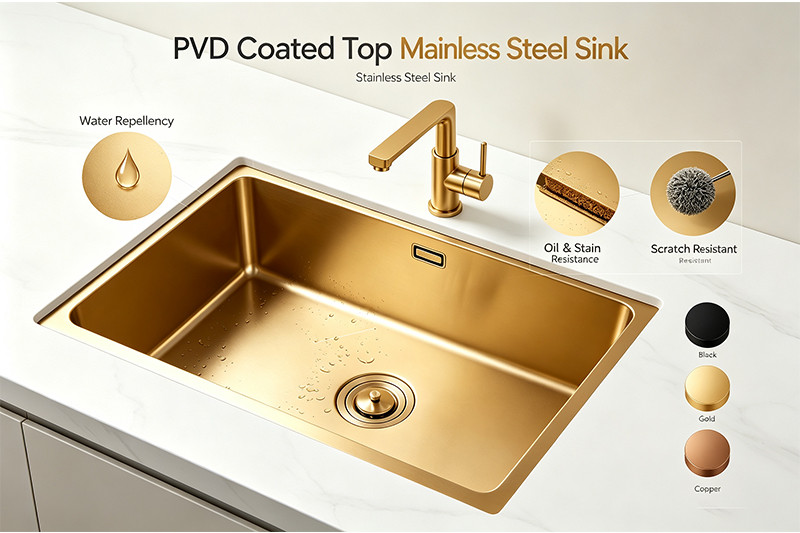
Nano-PVD technology involves bonding a microscopic layer of ceramic or metallic compounds to the surface of the stainless steel. This coating creates a super-hydrophobic (water-repelling) and oleophobic (oil-repelling) surface.
The benefits are significant:
- Water Repellency: Water beads up and rolls off the surface, similar to a lotus leaf, taking dirt and grime with it. This dramatically reduces water spots and makes the sink much easier to clean and keep dry.
- Stain Resistance: The non-porous coating prevents food particles, oils, and liquids from sticking to the surface, reducing the chance of staining.
- Increased Hardness: The coating can increase the surface hardness of the steel, making it more resistant to scratches and everyday wear and tear.
- Color Options: PVD coatings also allow for a stunning range of colors beyond traditional silver, including graphite black, gold, and copper, offering new design possibilities while retaining the benefits of a stainless steel core.
A nano-coated top mount sink, like those in the advanced Samsink collection, offers the trusted durability of stainless steel with a high-tech finish that simplifies maintenance and enhances its aesthetic appeal.
Stepping Up: My Granite Composite Top Mount Kitchen Sink
If you're looking for a step up from stainless steel in terms of durability and aesthetic options, a granite composite top mount kitchen sink is an outstanding choice. This material combines the rugged beauty of natural stone with advanced manufacturing techniques to create a sink that is both stunning and exceptionally resilient. They offer a modern, upscale look without the intensive maintenance or extreme cost of solid natural stone.
What Makes Granite Composite an Excellent Choice?
Granite composite sinks have surged in popularity due to their unique blend of strength, style, and practical performance. They are engineered to withstand the toughest kitchen environments while providing a warm, tactile feel that differs significantly from cold, metallic stainless steel.
Composition and Aesthetic Variety
Granite composite sinks are not carved from a solid block of granite. Instead, they are made from a mixture of crushed natural granite (or sometimes quartz) and acrylic resin, typically in an 80/20 ratio. This mixture is molded into the desired sink shape and then cured at high temperatures. The result is a material that is incredibly dense and non-porous throughout its entire thickness.
This manufacturing process allows for a fantastic range of aesthetic options. Unlike stainless steel, granite composite sinks are available in a wide array of consistent, matte-finish colors, from various shades of black, gray, and brown to white, beige, and even bolder hues. This allows you to seamlessly match your sink to your countertops and cabinetry for a cohesive and high-end look. The color is uniform throughout the material, meaning a deep scratch won't reveal a different color underneath.
Superior Durability and Noise Dampening
Durability is where granite composite truly shines. This material is renowned for its exceptional resistance to scratches, chips, stains, and heat. It can typically withstand heat up to 535°F (280°C), so you don't have to worry about placing hot pots and pans in it. Its high density makes it much harder than stainless steel, providing superior protection against impacts from dropped dishes or silverware.
Another significant advantage is its natural sound-dampening quality. The thick, dense material absorbs the vibrations from running water and clattering dishes, making for a much quieter kitchen experience compared to most non-insulated stainless steel sinks. This adds a subtle but noticeable sense of calm and quality to the kitchen environment.
Important Considerations for a Granite Composite Top Mount Kitchen Sink
While granite composite offers many advantages, there are a few important factors to consider before you commit. Its weight and specific maintenance needs are different from lighter materials like stainless steel.
Weight and Installation Support
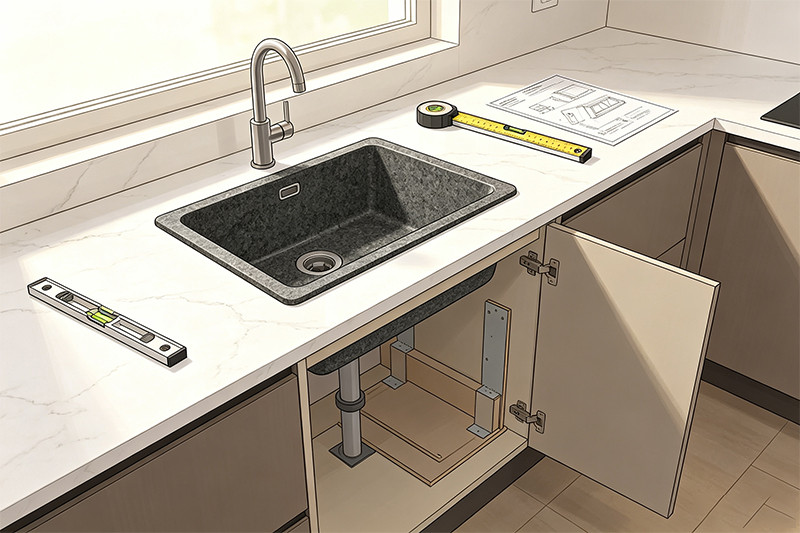
Granite composite sinks are considerably heavier than their stainless steel counterparts. While the rim of a top mount sink is designed to support its weight on the countertop, it's crucial to ensure your countertop and the underlying cabinetry can handle the load without stress. For particularly large or deep composite sinks, some manufacturers may recommend adding extra support or blocking within the sink cabinet. Always check the manufacturer's installation specifications to ensure a safe and secure fit.
Maintenance and Heat Sensitivity
While highly durable, granite composite sinks are not entirely maintenance-free. Their non-porous surface is highly resistant to stains, but it's best to rinse the sink after use and avoid letting harsh chemicals or highly pigmented liquids sit for extended periods. Hard water can leave white mineral deposits, which may be more visible on dark-colored sinks. These can typically be cleaned with a mixture of vinegar and water.
For cleaning, it's essential to use non-abrasive cloths and mild detergents. Avoid abrasive powders or steel wool, as they can dull the matte finish over time. Applying a specialized composite sink cleaner or a light coat of mineral oil periodically can help enhance the color and luster of the sink and make future cleanups easier. Although highly heat-resistant, it's still a good practice to avoid "thermal shock"—quickly transitioning from extreme cold to extreme heat (like pouring boiling water over ice in the sink)—as this can, in very rare cases, cause cracks in any stone-based sink.
Choosing a quality granite composite sink from a reputable brand like Samsink ensures you get a product engineered for longevity, with a finish designed to resist the rigors of daily use.
The Allure of Luxury: Premium Top Mount Kitchen Sink Materials
For homeowners who view the kitchen sink not just as a utility but as a statement piece, moving into the luxury tier of materials offers unparalleled beauty, timeless appeal, and a distinct sense of permanence. Materials like fireclay, enameled cast iron, and natural stone bring a unique character and history to the kitchen. While they come with a higher price tag and specific care requirements, their stunning aesthetics and robust feel are often worth the investment.
Fireclay: Classic Beauty and Robustness for My Kitchen
Fireclay sinks have become synonymous with the popular farmhouse or "apron-front" style, but they are also available as beautiful top mount models. Crafted using traditional methods, a fireclay sink is molded from a special type of white clay and fired at extremely high temperatures (upwards of 2000°F) for many hours. This process fuses the clay and glaze together, creating a new material that is incredibly hard, dense, and durable.
Shiny Finish and Resistance to Damage
The most striking feature of a fireclay sink is its beautiful, glossy finish. The thick glaze is non-porous, making it highly resistant to staining, acids, and alkalis. Unlike cast iron, the material underneath the glaze is also white and waterproof, so a minor chip is less noticeable and less critical. Fireclay's surface is exceptionally easy to clean and is resistant to scratches from everyday use. It’s a material that marries old-world charm with modern resilience.
Weight, Cost, and Installation Complexity
The robustness of fireclay comes with significant weight. Like granite composite and cast iron, these sinks are very heavy and require sturdy cabinetry for support, even in a top mount configuration. The handmade nature of fireclay sinks means there can be slight variations in dimensions, which can make installation a bit more meticulous. This bespoke quality is part of its charm, but it requires careful measurement. Fireclay sinks sit at a higher price point than stainless steel or granite composite, reflecting their artisanal manufacturing process and premium quality. Finally, while durable, a severe impact from a very heavy object can cause it to crack, and unlike metal, it cannot be repaired.
Cast Iron: Timeless Elegance with an Enameled Coating
Enameled cast iron sinks are true classics, having been a kitchen staple for over a century. They are made by casting molten iron into a mold, then coating it with a thick layer of enamel, which is essentially powdered glass that is heated to create a smooth, durable, and glossy surface.
Exceptional Durability and Heat Retention
A cast iron sink is the heavyweight champion of the sink world, known for its incredible strength and durability. The thick iron core is nearly impossible to dent, and the enamel coating provides a hard, non-porous, and lustrous finish that is available in a huge variety of rich colors. This allows for bold design statements that few other materials can match. Another unique benefit is its ability to retain heat; when filled with hot water for washing dishes, the water stays warmer for longer.
Heavy Nature and Potential for Chipping
The primary drawback of cast iron is its extreme weight. It is one of the heaviest sink materials available and demands robust, well-reinforced cabinetry to support it safely. The installation is definitely not a one-person job. While the enamel coating is very durable, it is not immune to damage. A sharp, heavy impact—like dropping a cast iron skillet into the sink—can cause the enamel to chip or crack. If a chip occurs, the underlying iron is exposed and can begin to rust if not repaired promptly. Repair kits are available, but achieving a perfect, invisible fix can be difficult.
Natural Stone: Unique Luxury for My Top Mount Kitchen Sink
For the ultimate in luxury and one-of-a-kind design, nothing compares to a sink carved from a solid block of natural stone. Popular choices include marble, soapstone, granite, and travertine. Each sink is completely unique, displaying the natural veining, coloration, and character of the stone from which it was cut.
Unique Aesthetics and High-End Appeal
A natural stone sink is a piece of functional sculpture. No two will ever be exactly alike, ensuring that your kitchen has a truly bespoke centerpiece. Marble offers classic elegance with its soft veining, soapstone provides a deep, moody look that develops a patina over time, and granite offers a wide range of colors and patterns with exceptional hardness. This level of customization and natural beauty commands a high-end appeal that instantly elevates the entire kitchen.
Cost, Weight, and Specific Maintenance Requirements
This unique luxury comes with significant considerations. Natural stone sinks are typically the most expensive option on the market, reflecting the cost of the raw material and the skilled labor required to craft them. They are also incredibly heavy, requiring professional installation and heavily reinforced cabinets.
Maintenance is the most critical factor. Most natural stones, especially marble and travertine, are porous and must be properly and regularly sealed to protect them from staining and etching from acidic foods like lemon juice or vinegar. Softer stones like marble can also be scratched or chipped more easily than engineered materials. Soapstone is an exception; it is non-porous and highly resistant to stains and chemicals, but it is a softer stone that will scratch and darken over time, a characteristic that is part of its rustic charm. Choosing a natural stone sink is a commitment to a certain lifestyle and requires a diligent owner who appreciates its evolving beauty and is prepared for its specific care routine.
My Personal Guide to Choosing the Best Top Mount Kitchen Sink Material
Selecting the perfect top mount kitchen sink material involves more than just picking the one that looks the best. It's a personal decision that requires balancing your kitchen's style, your daily habits, your budget, and your functional needs. A thoughtful choice will result in a sink that you love to use every day for years to come. Here’s a guide to help you navigate the decision-making process.
Matching Style and My Cleaning Habits
The sink is a major visual focal point, so its material should align with your kitchen's overall aesthetic.
- Modern & Contemporary: Stainless steel is a natural fit, especially with its clean lines and professional look. Dark granite composite sinks (in black or gray) also create a sleek, sophisticated vibe.
- Traditional & Farmhouse: Fireclay and enameled cast iron are the quintessential choices, offering classic charm and a comforting, substantial presence. A soapstone sink can also work beautifully in a traditional or rustic setting.
- Transitional: This versatile style can accommodate almost any material. Stainless steel offers a safe and timeless choice, while granite composite in a neutral tone (like biscuit or brown) can bridge the gap between modern and traditional elements.
Equally important is being realistic about your cleaning habits.
- Low Maintenance: If you prefer a "wipe-and-go" approach, stainless steel with a nano-PVD coating or a high-quality granite composite sink might be best. These are designed to repel water and resist stains, simplifying daily cleanup.
- Willing to Do Regular Upkeep: If you don't mind wiping your sink dry to prevent water spots, standard stainless steel is a great option.
- Diligent & Careful: Luxury materials like natural marble or enameled cast iron demand more careful use and specific cleaning routines. You must be prepared to seal stone regularly or be cautious about chipping the enamel.
Budget, Functional Needs, and Smart Accessories
Your budget will naturally narrow down your options. Stainless steel offers the widest range of prices, making it the most budget-friendly, while natural stone sits at the highest end of the spectrum. Granite composite and fireclay typically fall in the mid-to-high range. Remember to factor in the cost of installation, which can be higher for heavier materials that require cabinet reinforcement.
Beyond price, consider how you use your sink every day.
Understanding Sink Depth and Bowl Configurations
- Sink Depth: Deeper sinks (9-10 inches) are excellent for washing large pots and hiding dirty dishes, but they can cause back strain for taller individuals who have to bend over more. A standard depth of 8 inches is often a comfortable compromise.
- Bowl Configuration:
- Single Bowl: A large, open single bowl provides ample, uninterrupted space for washing large items like baking sheets, roasters, and stockpots. This is a popular choice for serious cooks.
- Double Bowl: A double bowl sink allows for multitasking—soaking dishes on one side while rinsing vegetables on the other, for example. You can choose between evenly split bowls (50/50) or offset configurations (like 60/40 or 70/30) that provide one larger basin and one smaller one for prep.
Integrating Accessories for a Multi-Functional Space
Modern top mount sinks, especially workstation sinks, are designed to be more than just a basin for water. These sinks feature a built-in ledge or track that supports a range of custom-fit accessories. This brilliant design allows you to transform your sink area into a streamlined food prep and cleanup zone. Common accessories include:
- Sliding Cutting Boards: Chop vegetables directly over the sink, sweeping scraps straight into the disposal.
- Colanders: Rinse produce or drain pasta right over the basin.
- Roll-up Drying Racks: A versatile accessory that can be used for air-drying dishes or as an extra landing spot for hot pans.
These integrated accessories save valuable counter space and make your kitchen workflow much more efficient. When choosing a sink, explore the innovative workstation models offered by brands like Samsink to maximize your kitchen's functionality.
Considering Sustainability for My Top Mount Kitchen Sink
For environmentally conscious homeowners, the material of your sink can also be a factor. Thinking about the lifecycle of the product contributes to a more sustainable home.
Eco-Friendly Materials and Water Conservation
- Stainless Steel: This is often considered a sustainable choice because it is typically made with a high percentage of recycled content and is 100% recyclable at the end of its long life.
- Fireclay & Cast Iron: The extreme durability and longevity of these materials are their biggest environmental asset. A sink that lasts for decades or even a lifetime reduces waste and the consumption of resources needed for replacements.
- Water Conservation: While the sink material itself doesn't save water, pairing it with a-efficient faucet is crucial. Additionally, a well-designed sink that facilitates easy cleaning can reduce the amount of water needed for maintenance.
By carefully considering these factors—style, maintenance, budget, function, and sustainability—you can confidently select the perfect top mount kitchen sink material that will serve you well and enhance your kitchen for many years to come.
Frequently Asked Questions (FAQ)
1. What is the most durable and lowest maintenance kitchen sink material? For overall durability combined with low maintenance, granite composite is often the top contender. It is highly resistant to scratches, chips, stains, and heat, and its matte finish is less likely to show water spots than glossy surfaces. While extremely durable, it's not completely immune to stains from harsh chemicals, so regular rinsing is still recommended. For those who prefer a metallic look, a high-quality, 16-gauge stainless steel sink with a nano-PVD coating offers similar low-maintenance benefits by repelling water and resisting scratches better than standard stainless steel.
2. Are top-mount sinks considered outdated in modern kitchen design? Not at all. While undermount sinks have become very popular for the seamless look they create with stone countertops, top-mount sinks remain a timeless and practical choice. They have evolved significantly in design, with sleek, low-profile rims and modern shapes that look fresh and contemporary. Furthermore, with the rise of "workstation" sinks featuring integrated ledges and accessories, top-mount models are at the forefront of kitchen functionality. Their universal compatibility, especially with laminate countertops, and their affordability ensure they will always have a place in modern kitchen design.
3. How do I choose between a single and a double bowl sink? The choice depends entirely on how you work in your kitchen.
- Choose a single bowl if: You frequently wash large items like cookie sheets, stockpots, or grills. The large, uninterrupted space is invaluable for these tasks. Single bowl sinks are also a great choice for smaller kitchens, as they maximize usable basin space within a smaller footprint.
- Choose a double bowl if: Your workflow involves a lot of multitasking. You can wash on one side and rinse on the other, or use one side for soaking tough-to-clean dishes while keeping the other side free for prep work. If you don't have a dishwasher, a double bowl is particularly useful for a wash-and-rinse system.
4. What is the best way to clean and maintain my new kitchen sink? The best method depends on the material:
- Stainless Steel: Clean daily with mild soap and a soft cloth, then rinse and wipe dry to prevent water spots. For a deeper clean, use a paste of baking soda and water or a specialized stainless steel cleaner. Always scrub in the direction of the grain.
- Granite Composite: Use a non-abrasive sponge and soapy water for daily cleaning. To remove stains or mineral deposits, use a 50/50 mix of white vinegar and water. Periodically applying mineral oil can restore its luster.
- Fireclay: Mild dish soap and water are sufficient for daily cleaning. It's very stain-resistant, but avoid abrasive powders or steel wool which can dull the glossy finish.
- Enameled Cast Iron: Similar to fireclay, use non-abrasive cleaners. Be cautious of chipping the enamel with heavy impacts.
- Natural Stone: Follow the supplier's specific instructions. Most require pH-neutral cleaners and regular sealing to prevent stains and etching.
5. Can I replace an existing top-mount sink with an undermount sink? This is a complex and often difficult conversion. To install an undermount sink, the countertop cutout needs to be precisely sized with a polished, waterproof edge, which a cutout for a top-mount sink typically lacks. For laminate or tile countertops, it's generally not possible. For solid surface, granite, or quartz countertops, it would require a professional to remove the countertop, re-cut and polish the hole, and then reinstall everything. In most cases, it is far more practical and cost-effective to replace a top-mount sink with another top-mount sink.
Ready to find the perfect sink that combines style, durability, and functionality? Explore the extensive collection of top mount kitchen sinks at Samsink. From innovative nano-coated stainless steel to robust granite composite, we have a solution to elevate your kitchen. Visit our website or contact our team today to find your ideal kitchen centerpiece!
Conclusion
Ultimately, selecting the perfect top mount kitchen sink material is a personal journey that balances style, performance, and practicality. I hope this guide has illuminated the diverse options available, from the dependable and ever-popular stainless steel to the rugged elegance of granite composite and the timeless luxury of fireclay and natural stone, helping you make an informed decision for your home.
Whether you prioritize durability, aesthetics, or eco-conscious choices, a top mount kitchen sink offers a robust and adaptable foundation for your culinary adventures. By considering the unique properties of each material alongside your own lifestyle and kitchen habits, you can choose a sink that will not only meet your daily needs but also elevate your overall kitchen experience for many years to come. I encourage you to consider all these factors to find the perfect upgrade for the heart of your home.