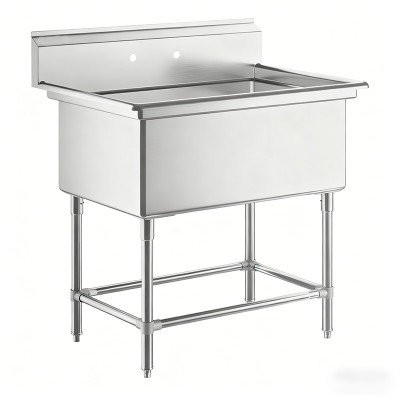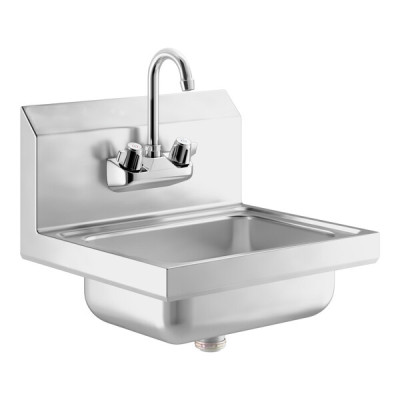
Understanding Cost-Efficient Sink Manufacturing for B2B Global Procurement
As we navigate the complexities of global procurement in the B2B landscape, finding cost-efficient solutions without compromising on quality is paramount. This is especially true for sink manufacturing, a critical component in many industries, from residential and commercial construction to specialized applications in the medical and automotive sectors. The challenge lies in balancing cost, quality, and reliability, a task that requires deep industry knowledge and strategic planning.
This article will explore how strategic partnerships and advanced manufacturing processes can lead to significant cost reductions in sink production. We will delve into the critical aspects of leveraging economies of scale, ensuring unwavering quality through rigorous testing, and fostering innovation through collaborative design. By the end, you will have a comprehensive understanding of how to optimize your global procurement strategies for sink manufacturing and build a resilient, cost-effective supply chain.
Key Takeaways
For B2B professionals navigating the global sink manufacturing market, focusing on a few core pillars can drive success. The most impactful strategy is integrating cost-efficiency with quality assurance. This involves leveraging economies of scale and automation to achieve significant production cost savings, often between 8-12%. Secondly, a partnership approach that includes Design for Manufacturability (DFM) analysis is crucial; it can shorten R&D cycles by over 30% and enhance thermal efficiency by up to 20%, preventing costly redesigns. Finally, prioritizing suppliers with verifiable international certifications (ISO, IATF, UL) is non-negotiable. These credentials ensure compliance with safety, environmental, and industry-specific standards, safeguarding your business against supply chain risks and ensuring market access in regulated regions like the EU and North America.
Optimizing Cost-Efficiency in Sink Manufacturing for Global Procurement
Achieving cost-efficiency in sink manufacturing is not merely about finding the lowest price; it's about engineering value throughout the entire production lifecycle. For global procurement managers, this means identifying partners who have mastered the balance between large-scale production, automation, and lean manufacturing principles. An optimized process minimizes waste, reduces labor costs, and shortens lead times, translating directly into a more competitive final price without sacrificing the quality of the end product.
Leveraging Economies of Scale and Automation in Sink Manufacturing
The foundation of cost-effective manufacturing lies in scale and technology. By centralizing production and investing in automation, manufacturers can unlock significant cost advantages. Economies of scale allow for bulk purchasing of raw materials like stainless steel, copper, and specialized alloys at lower per-unit costs. Simultaneously, automation streamlines repetitive tasks, increases precision, and reduces the margin of error, leading to higher yields and lower operational expenses.
Driving Down Production Costs: The Role of Automation and Bulk Procurement
My strategy involves integrating advanced automation and large-scale material procurement to reduce manufacturing expenses. By streamlining production lines with robotics and engaging in bulk purchasing, we can achieve substantial savings. Studies show that automation can increase production rates by a significant margin while improving workplace safety. Combining this with bulk material procurement, which can lower raw material costs, allows for savings that are passed directly to the client, typically resulting in an 8-12% cost reduction on sink components. This integrated approach ensures that cost-efficiency is built into the manufacturing process from the very beginning.
Competitive Pricing in Sink Manufacturing: A Strategic Advantage
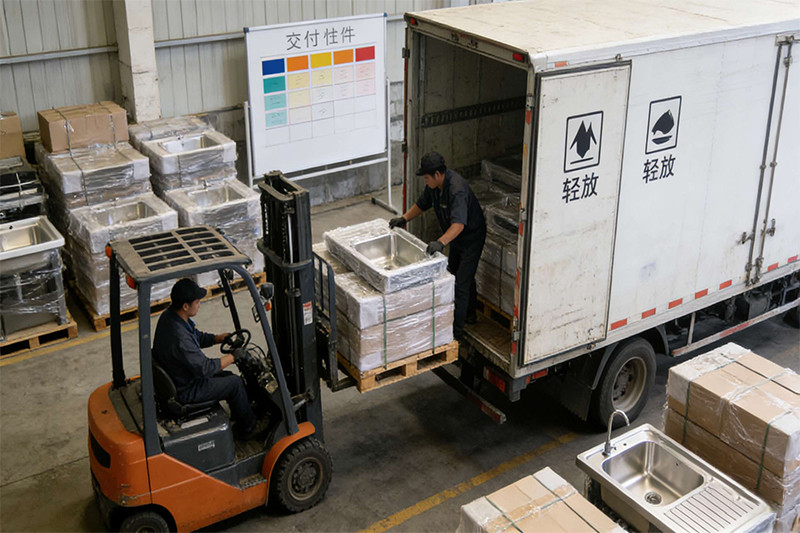
My goal is to secure a 15% cost reduction compared to many local suppliers by optimizing every facet of production and logistics. This is achieved not only through economies of scale but also through strategic pricing models. We offer tiered pricing that provides progressive discounts for larger sink orders, incentivizing volume purchases. This model is particularly beneficial for large-scale construction projects and B2B distributors. Such a pricing structure, combined with superior quality and reliable delivery, makes our offerings more attractive in the competitive global market.
Flexible Lead Times and Timely Delivery in Sink Manufacturing
In today's fast-paced market, speed and reliability are as important as cost. Delays in the supply chain can lead to project overruns, missed market opportunities, and damaged client relationships. Therefore, a top-tier manufacturing partner must demonstrate a commitment to flexible lead times and a proven track record of on-time delivery. This requires sophisticated production planning, robust logistics networks, and the ability to scale capacity dynamically.
Accelerated Turnaround and Production: A 99.2% On-Time Record
I focus on optimizing production schedules and global logistics to achieve a 99.2% on-time delivery rate for standard sink orders. For urgent requirements, such as medical-grade sink components needed for hospital builds or renovations, we have developed a rapid response protocol. This includes prioritizing rapid prototyping, which can be completed within 3-5 days—a timeframe that is up to 40% faster than the industry average. For critical orders, our dedicated production cells can complete manufacturing within 72 hours, ensuring that time-sensitive projects remain on schedule.
Dynamic Capacity and Scalability: Meeting Fluctuating Demand
Market demand is rarely static. To accommodate fluctuations and support large-scale rollouts, we operate parallel sink manufacturing lines. This setup allows us to effectively double our capacity for bulk orders with minimal lead time adjustment. This dynamic scalability ensures that we can meet the fluctuating demands of our global partners without compromising delivery schedules or quality. Whether it's a sudden surge in demand for a popular model or a large, planned order for a multi-year project, our production capacity can be adjusted accordingly.
Ensuring Unwavering Quality in Sink Manufacturing
While cost-efficiency is a primary driver in procurement, it cannot come at the expense of quality. In sink manufacturing, quality translates to durability, safety, and compliance. A faulty sink can lead to water damage, safety hazards, and costly recalls, causing irreparable damage to a brand's reputation. Therefore, a commitment to unwavering quality, verified through rigorous control processes and international certifications, is the hallmark of a trustworthy manufacturing partner.
Rigorous Quality Control for Consistent Sink Manufacturing
A truly reliable manufacturing process is built on a foundation of stringent quality control. This is not a single-step check at the end of the line, but a comprehensive, multi-stage methodology integrated throughout the entire production journey. From the moment raw materials arrive to the final packaging, every component and process must be scrutinized to ensure it meets predefined standards of excellence.
Multi-Stage Quality Assurance: A 25-Step Process
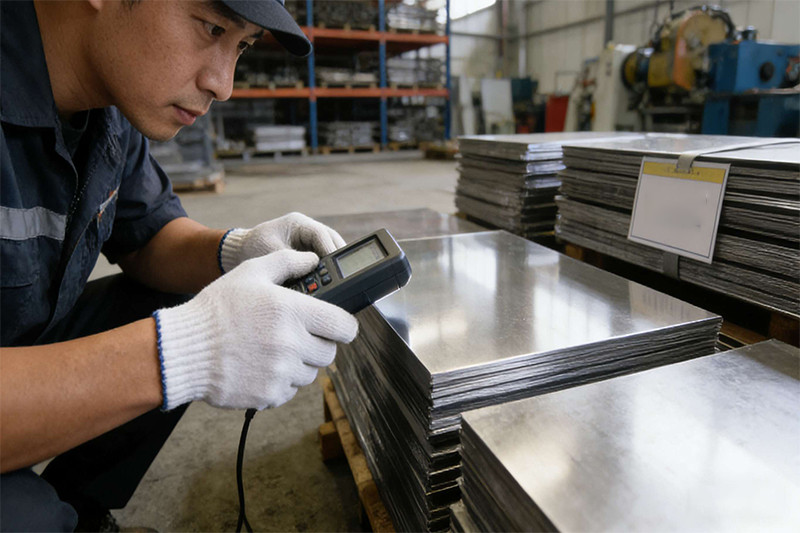
I implement a comprehensive 25-step quality control process throughout sink manufacturing to ensure every unit meets the highest standards. This process begins with meticulous raw material inspections. For instance, when manufacturing sinks with integrated electronic components like those with copper foil, we verify its thickness with a tolerance of ≤1%. This multi-stage quality assurance (QA) process involves checks at every critical juncture, including stamping, welding, polishing, and coating, to identify and rectify any deviations before they become larger issues. Implementing such a thorough QA system is known to significantly reduce defects and improve customer satisfaction.
| Quality Control Stage | Key Checks and Parameters | Purpose |
|---|---|---|
| 1. Raw Material Inspection | Material composition analysis, thickness verification (e.g., steel gauge, copper foil ≤1% tolerance), surface defect check. | To ensure all incoming materials meet design specifications. |
| 2. In-Process (Stamping/Forming) | Dimensional accuracy checks, visual inspection for cracks or stress marks. | To guarantee structural integrity from the first step. |
| 3. In-Process (Welding/Joining) | Weld penetration depth, seam integrity tests, visual inspection. | To ensure leak-proof and durable joints. |
| 4. In-Process (Surface Finishing) | Polish consistency, coating thickness measurement, color uniformity. | To provide a flawless aesthetic and protective finish. |
| 5. Final Assembly & Testing | AOI detection (±2μm accuracy), X-ray for internal checks, functional tests (e.g., water flow, drainage). | To verify all components work together perfectly and detect hidden flaws. |
| 6. Reliability & Traceability | Thermal shock testing, QR code application for full traceability. | To validate long-term durability and enable lifecycle tracking. |
Precision Testing and Traceability in Sink Manufacturing
Our quality assurance process is backed by cutting-edge testing technology. Our process involves Automated Optical Inspection (AOI) with an accuracy of ±2μm and advanced X-ray systems for non-destructive internal quality checks. Effective use of AOI can catch subtle manufacturing defects that are invisible to the human eye. For sinks with integrated thermal management systems, we maintain a thermal conductivity variation of ≤3% between batches and an electrical parameter deviation below 1%. Furthermore, each sink board is laser-etched with a unique QR code for complete traceability. Our reliability tests are designed to simulate years of harsh use, including 1,000 thermal shocks from -40°C to 150°C, ensuring our products can withstand extreme conditions.
International Certifications for Global Sink Manufacturing Standards
In a global marketplace, certifications are the language of trust and compliance. They provide independent verification that a manufacturer's processes and products adhere to internationally recognized standards for quality, safety, and environmental responsibility. For procurement managers, partnering with a certified supplier mitigates risk, ensures market access, and reinforces their company's commitment to corporate responsibility.
Adhering to Global Benchmarks in Sink Manufacturing
Our operations are ISO 9001:2015 certified, a testament to our robust quality management system that ensures consistency and continuous improvement. Our sink products are manufactured to comply with key international directives and standards, including CE marking for the European Economic Area, REACH for chemical safety, UL (E355848) for electrical components, and RoHS 2.0 for hazardous substance restrictions. For our partners in the automotive industry, we are also IATF 16949 certified, which is the global technical specification and quality management standard for the automotive sector. These certifications ensure our sink manufacturing meets stringent international safety and environmental regulations, facilitating smooth market entry, especially for critical regions like France and the EU.
Driving Innovation and Partnership in Sink Manufacturing
The best supplier relationships go beyond transactional exchanges to become true partnerships. In the manufacturing world, this means collaborating on innovation, optimizing designs for production, and creating custom solutions that provide a competitive edge. A forward-thinking manufacturer doesn't just build to print; they contribute their expertise to enhance the product's performance, reduce its cost, and accelerate its time to market.
Collaborative R&D and DFM Analysis for Sink Manufacturing
True partnership begins long before the production line starts. It starts with collaborative Research and Development (R&D) and a deep dive into Design for Manufacturability (DFM). DFM analysis is a critical process where manufacturing experts review a product's design to identify potential production challenges, opportunities for cost reduction, and ways to improve quality and reliability. This proactive approach prevents costly redesigns and ensures a smoother, faster path from concept to finished product.
Expert Design for Manufacturability (DFM) in Sink Manufacturing
I provide a complimentary DFM analysis for every project. This expert review covers critical areas such as signal integrity checks for smart sinks with impedance matching errors under 5%, and thermal simulations that can enhance heat dissipation efficiency by 15-20%. DFM is a proven methodology for reducing development costs and shortening time-to-market. Our manufacturability assessments have been shown to shorten R&D cycles by over 30% by catching design flaws early. To facilitate this collaborative process, our bilingual technical sales team is available to provide detailed support and feedback within two hours.
Custom Solutions in Sink Manufacturing: A Commitment to Innovation
We thrive on partnering with clients to develop specialized sink solutions. Whether it's a high-power LED substrate for a commercial application requiring thermal conductivity ≥200W/m·K or a medical-grade sink with specific dielectric layer adjustments tolerating only ±5%, our engineering team is equipped to handle complex challenges. My commitment to consistent technological investment and offering value-added services—such as cost optimization analysis and reporting on market trends—are key factors in our 85% client retention rate. This high rate reflects the trust our partners place in our ability to not only deliver quality products but also to contribute meaningfully to their long-term success.
Streamlined Quotation Process for Your Sink Manufacturing Project
An efficient and transparent quotation process is the first step toward a successful manufacturing partnership. To provide an accurate and competitive quote, manufacturers require a clear and comprehensive set of information from the client. Providing detailed specifications upfront eliminates ambiguity, prevents delays, and ensures that the final quote accurately reflects the project's scope, complexity, and cost.
Essential Information for an Accurate Sink Manufacturing Quote
To ensure a swift and precise quotation, it's crucial to provide a complete package of design files, material specifications, and technical requirements. The more detailed the information, the more accurate the cost and lead time estimate will be. This initial data exchange sets the stage for a smooth manufacturing process, aligning expectations from the outset.
Required Design and Material Specifications for Sink Manufacturing
To obtain a precise quote for your sink manufacturing project, please submit a complete package of design files, including Gerber files, NC drill files, and assembly drawings. Alongside these files, detailed material specifications are essential. This includes:
- Substrate Type: (e.g., Stainless Steel 304, 316, Copper, Aluminum)
- Core Thickness: The specified thickness of the base material.
- Copper Weight: For any integrated electronic layers.
- Dielectric Layer Thermal Conductivity: Crucial for sinks with thermal management needs.
- Surface Finish: (e.g., Brushed, Polished, PVD coating).
These details are fundamental to the cost and performance of the final product.
Technical and Compliance Details for Sink Manufacturing
In addition to design and material data, please provide the following technical and compliance information:
- Order Quantity: Including any potential for future orders.
- Desired Delivery Timeline: Standard versus expedited needs.
- Technical Specifications: Critical dimensions, impedance control requirements, via specifications, and thermal management needs.
- Required Certifications: Specify any mandatory compliance standards, such as IATF 16949 for automotive applications or ISO 13485 for medical devices.
- Special Requests: Note any unique requirements like laser-cut stencils for logos or selective hard gold plating for electronic contacts.
Including these details ensures the quote will be comprehensive, covering all manufacturing and compliance costs.
Frequently Asked Questions (FAQ)
1. What are the main factors that drive cost in sink manufacturing? The primary cost drivers are raw material selection (e.g., grade of stainless steel or copper), the complexity of the design (e.g., number of bowls, integrated features), the level of automation in the production line, and order volume. Economies of scale play a huge role, as larger orders allow for bulk material purchasing and more efficient production runs, significantly lowering the per-unit cost.
2. How does Design for Manufacturability (DFM) analysis reduce overall project costs? DFM analysis reduces costs by identifying and correcting potential manufacturing issues during the design phase, before any tooling or production begins. This proactive process helps optimize material usage, simplify assembly, and improve production yields. By preventing costly redesigns and production line errors, DFM can shorten the R&D cycle by over 30% and enhance product performance, delivering substantial long-term savings.
3. Why are international certifications like ISO 9001 and IATF 16949 important when choosing a sink manufacturer? International certifications provide independent verification that a manufacturer adheres to global standards for quality, safety, and reliability. ISO 9001 ensures a robust quality management system, leading to consistent product quality. IATF 16949 is critical for automotive projects, guaranteeing the stringent quality required by that industry. Partnering with a certified manufacturer minimizes risks, ensures compliance with regional regulations (like CE in the EU), and protects your brand's reputation.
4. What information is essential for receiving an accurate manufacturing quote quickly? To get a fast and accurate quote, you must provide a complete technical package. This includes design files (Gerber, NC drill files), detailed material specifications (substrate type, thickness, finish), order quantity, desired delivery timeline, and any required compliance certifications (e.g., UL, RoHS). The more complete the information, the faster and more precise the quotation will be.
By focusing on these key areas—cost-efficiency, quality assurance, innovation, and a streamlined quotation process—we empower businesses to thrive in the competitive B2B global procurement landscape for sink manufacturing. Our holistic approach ensures that every project not only benefits from reduced costs and superior quality but is also supported by a strategic partnership designed for long-term success.
We encourage you to adopt these principles in your own procurement strategy. By partnering with a manufacturer that prioritizes these values, you can build a resilient, innovative, and cost-effective supply chain. We invite you to share this article with your network and start a conversation about elevating your procurement standards.