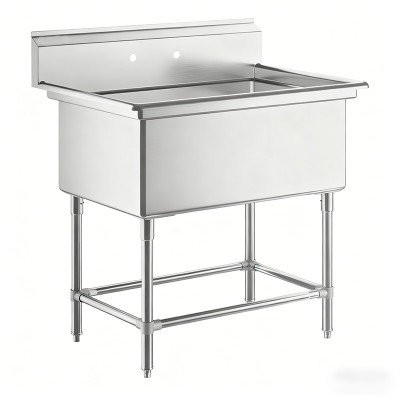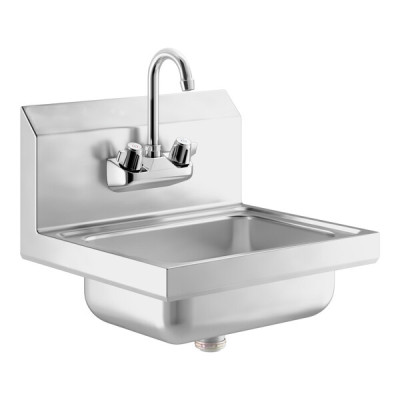
What's the Best Stainless Steel Scrub Sink: Single vs. Double Bowl Explained
As a healthcare professional or someone responsible for establishing a sterile environment, you understand that the right equipment is non-negotiable for upholding the highest hygiene and safety standards. An often-underestimated yet vital component in facilities like hospitals, clinics, and laboratories is the scrub sink, particularly those crafted from hygienic and durable stainless steel. Today, we'll dive deep into a critical decision point: should you choose a single or a double bowl stainless steel scrub sink for your facility? This guide will provide the clarity you need to make the best choice.
Key Takeaways
| Feature | Single Bowl Scrub Sink | Double Bowl Scrub Sink | Key Consideration |
|---|---|---|---|
| Primary Use | Low-volume areas, smaller clinics, facilities with limited space. | High-traffic operating rooms, large hospitals, and teaching facilities. | Match the sink to your facility's daily procedure volume and staff size. |
| Space Efficiency | Excellent. Its compact design is ideal for tight spaces. | Requires more floor or wall space. | Accurate measurement of the installation area is crucial before purchase. |
| Workflow | Supports one user at a time, simplifying the scrub process. | Allows two users to scrub simultaneously, enhancing efficiency and reducing wait times. | Analyze your peak hours and workflow bottlenecks to determine if simultaneous use is necessary. |
| Cost | Generally more budget-friendly in terms of initial purchase and installation. | Higher initial cost due to more material and complex plumbing. | Balance the upfront investment with the long-term workflow benefits and potential time savings. |
| Cleaning & Maintenance | Simpler and faster to clean due to a smaller surface area and a single drain. | Requires more time to clean both bowls and drains thoroughly. | Factor in the long-term labor costs associated with daily cleaning protocols. |
Understanding the Importance of a Stainless Steel Scrub Sink
In any healthcare environment, the fight against infection is paramount. A scrub sink, also known as a surgical or medical sink, is a cornerstone of infection control. It is a specialized washing station designed for surgeons and medical staff to perform a meticulous hand and arm scrub before any surgical or invasive procedure. Unlike a standard basin, a surgical scrub sink is engineered to reduce the risk of contamination, support stringent hygiene protocols, and ensure patient safety. The process of scrubbing removes dangerous bacteria, viruses, and other contaminants, creating a sterile foundation before entering an operating room. Failure to adhere to proper hand hygiene can lead to healthcare-associated infections (HAIs), which pose a significant threat to patient well-being. Therefore, a high-quality scrub sink is not just a piece of plumbing; it's a critical defense mechanism in maintaining a sterile field and protecting patients.
Why Stainless Steel is the Material of Choice for Your Scrub Sink
When selecting a scrub sink, the material is just as important as the design. Stainless steel is overwhelmingly the preferred material for medical and healthcare environments, and for several compelling reasons. It delivers a combination of durability, hygiene, and performance that other materials cannot match, making it the gold standard.
Unmatched Durability and Hygiene Benefits
Scrub sinks must endure constant, heavy use and aggressive cleaning protocols. Stainless steel is a remarkably strong and durable material. Its inherent toughness allows it to withstand significant impacts and thermal extremes without cracking or breaking, a clear advantage over materials like ceramic or porcelain. This strength-to-weight advantage means equipment can be robust without being unnecessarily bulky.
From a hygiene perspective, stainless steel is superior. Its surface is non-porous, meaning there are no microscopic crevices where bacteria, viruses, or mold can hide and multiply. This smooth, hard metallic surface makes it difficult for microorganisms to adhere in the first place. In fact, studies have shown that the effectiveness of cleaning agents is significantly higher on stainless steel compared to other surfaces like polymers. When properly cleaned, stainless steel surfaces help reduce the bioburden that can lead to infections. High-quality manufacturers like Samsink utilize advanced production techniques to create seamless sink basins, further eliminating corners or joints where bacteria-laden debris could accumulate.
Superior Resistance to Corrosion and Stains
The "stainless" quality of this steel is due to its chromium content, which is typically 10.5% or more by weight. The chromium reacts with oxygen to form a thin, invisible, and stable chromium oxide layer on the surface. This passive film is the secret to its exceptional corrosion resistance. Even if the surface is scratched or damaged, this protective layer self-heals as long as oxygen is present.
This self-healing property is critical in a healthcare setting, where sinks are constantly exposed to water, harsh disinfectants, and various bodily fluids. The most commonly used grades of stainless steel in healthcare are from the 300 series, particularly Type 304 and Type 316.
- Type 304 Stainless Steel: This is the workhorse of the healthcare industry, used for everything from sinks to countertops and cabinets. It is highly resistant to a wide variety of organic and inorganic chemicals, making it ideal for general medical use.
- Type 316 Stainless Steel: This grade includes molybdenum in its alloy, which significantly enhances its resistance to corrosion, especially from chlorides (like saline solutions) and other harsh chemicals. This makes it a superior choice for more demanding environments.
This robust resistance ensures that the sink will not rust or stain over time, maintaining a clean, professional appearance and, more importantly, a hygienic surface free of imperfections that could harbor pathogens.
Essential Features of a High-Quality Stainless Steel Scrub Sink
Beyond the material itself, several design features are crucial for a scrub sink's effectiveness, safety, and user-friendliness. Modern scrub sinks are highly engineered pieces of equipment designed to optimize the scrubbing process while minimizing the risk of contamination.
The Benefits of Hands-Free Operation
The single most important feature for preventing cross-contamination at a scrub station is hands-free operation. After a surgeon has scrubbed their hands and arms, touching a faucet handle would instantly reintroduce germs, defeating the entire purpose of the wash. Modern scrub sinks offer several methods for touchless control:
- Infrared (IR) Sensors: These are a popular and highly convenient option. A sensor, typically located on the front panel of the sink, detects the user's presence (often at waist level) and activates the flow of water. Many are designed with a short delay (e.g., 2 seconds) to prevent accidental activation from someone simply walking by. They provide a completely touch-free experience for both water and, in many cases, soap dispensing.
- Knee-Operated Panels: This method uses a panel located below the sink basin. The user presses the panel with their knee to start and stop the flow of water and to dispense soap. It is a reliable and effective mechanical alternative to electronic sensors.
- Foot Pedals: Similar to knee panels, foot-operated pedals allow the user to control water and soap with their feet. This keeps hands completely free and away from any controls.
By eliminating the need to touch any surfaces, these systems are fundamental to maintaining a sterile chain from the scrub sink to the operating room.
Considering Ergonomic Design for User Comfort
A surgical scrub can be a lengthy process, and performing it multiple times a day can lead to physical strain if the sink is not designed with user comfort in mind. Ergonomics play a vital role in the design of a quality scrub sink. Key ergonomic features include:
- Basin Depth and Size: Sinks should have deep and wide basins. This provides ample room for surgeons to wash their hands and forearms thoroughly without the risk of accidentally touching the bottom or sides of the sink, which could cause contamination. A deep basin also helps to contain splashing, keeping the surrounding area drier and cleaner.
- Sink Height: The sink should be installed at a comfortable height to prevent staff from having to bend over excessively, which can cause back strain. Some advanced facilities may even consider adjustable-height sinks to accommodate staff of varying statures or those who use a wheelchair.
- Rounded Corners: High-quality scrub sinks feature coved or rounded inside corners. This seamless design is not only an aesthetic choice but a crucial feature for hygiene, as it eliminates sharp 90-degree angles where bacteria can get trapped and are difficult to clean.
A well-designed, ergonomic scrub sink from a trusted brand like Samsink not only improves compliance with hygiene protocols but also contributes to the well-being and efficiency of the entire medical team.
The Single Bowl Stainless Steel Scrub Sink: Simplicity and Efficiency
The single bowl scrub sink is the most straightforward and classic design. Built as a single-user station, it is engineered for efficiency and simplicity, providing a dedicated space for one healthcare professional to perform their scrub protocol without interruption. This design offers a distinct set of advantages that make it the ideal choice for specific environments.
Advantages of a Single Bowl Design for Your Facility
While it may seem basic, the focused nature of a single bowl design brings significant benefits related to space, cost, and maintenance.
Space-Saving Solutions for Smaller Facilities
One of the most significant advantages of a single bowl scrub sink is its compact footprint. In smaller healthcare settings such as private clinics, dental centers, daycare surgery facilities, and minor operating theaters, space is often at a premium. A single station scrub sink requires significantly less wall and floor space than its multi-bowl counterparts, making it an ideal space-saving solution. This allows for proper placement just outside the operating room, in compliance with facility guidelines, without compromising traffic flow or overcrowding the area.
Easier to Clean and Maintain for Daily Use
Simplicity translates directly to ease of maintenance. A single bowl sink has less surface area to clean and only one drain to manage. This makes daily cleaning and disinfection protocols faster and more efficient for environmental services staff. The seamless construction and coved corners, hallmarks of a quality stainless steel sink, are easier to thoroughly sanitize in a single-basin configuration. This helps to ensure that the sink remains a hygienic fixture rather than a potential source of contamination, supporting robust infection control with less labor.
When a Single Bowl Stainless Steel Scrub Sink is the Best Choice
The decision to opt for a single bowl sink often comes down to balancing workflow demands, physical space, and budget.
Ideal for Low-Volume Surgical Environments
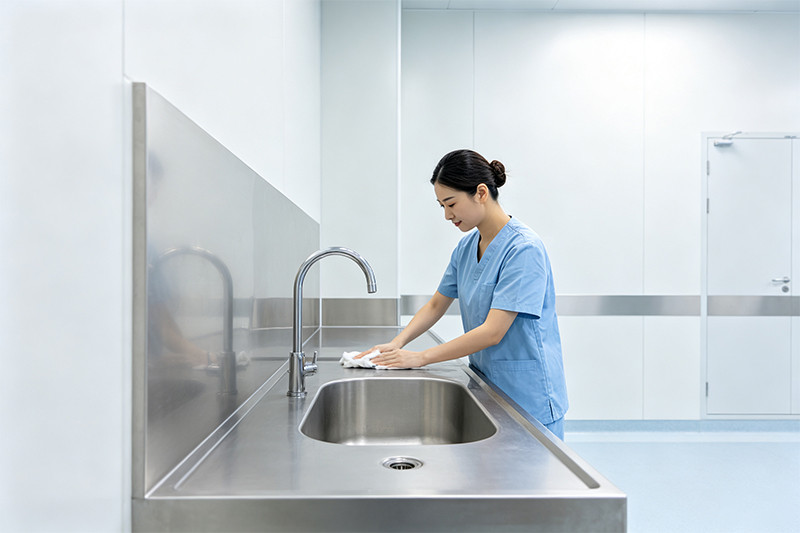
A single bowl scrub sink is perfectly suited for facilities with a lower volume of surgical procedures. In environments where surgeries are scheduled sequentially rather than simultaneously, there is rarely a need for multiple staff members to scrub at the same time. A single station provides all the necessary functionality without the expense and footprint of a larger unit. It ensures that the surgeon or staff member has a dedicated, sterile space for preparation, which is the primary requirement.
Exploring More Budget-Friendly Options
From a financial perspective, single bowl scrub sinks are generally the more budget-friendly option. The initial purchase price is lower due to reduced material and manufacturing complexity. Installation costs can also be less, as it requires simpler plumbing with only one set of water supply and drain lines. For new facilities or clinics working within a tight budget, choosing a high-quality single station sink from a reputable manufacturer like Samsink offers a cost-effective way to meet mandatory hygiene standards without compromising on essential features like hands-free operation and medical-grade stainless steel construction.
The Double Bowl Stainless Steel Scrub Sink: Enhanced Capacity and Workflow
For facilities that face a higher volume of surgical procedures and greater staff demand, the double bowl stainless steel scrub sink offers a significant upgrade in capacity and efficiency. By providing two distinct scrubbing stations within a single unit, this design directly addresses the challenges of a busy surgical environment.
Benefits of a Double Bowl Configuration for Busy Settings
A double bowl or two-station sink is specifically engineered to improve pre-operative workflow and support multiple staff members simultaneously, making it a cornerstone of productivity in larger medical facilities.
Allowing Multiple Users Simultaneously
The most apparent benefit of a double bowl sink is its ability to accommodate two users at once. This is essential in environments where multiple surgeries may be starting around the same time or where a surgeon and an assistant need to scrub concurrently. Allowing for simultaneous use drastically reduces wait times and potential delays, ensuring that the surgical schedule remains on track. Quality double bowl sinks, such as those offered by Samsink, often feature a physical splash screen divider between the two stations. This partition prevents cross-contamination from splashing between users, maintaining the integrity of each individual's scrub.
Improving Workflow in High-Traffic Areas
In a high-traffic area, workflow efficiency is critical. A double bowl scrub sink serves as a force multiplier for the pre-operative process. It creates a more streamlined and organized flow, preventing bottlenecks that can occur when several staff members are waiting to use a single station. By reducing this preparation time, surgical teams can proceed to the operating room more quickly and efficiently. This enhancement of the pre-surgical workflow contributes to better time management, reduced stress on staff, and ultimately, a more productive and safer operating department.
Ideal Scenarios for a Double Bowl Stainless Steel Scrub Sink
The investment in a double bowl scrub sink is most justified in settings characterized by high patient volume, complex procedures involving larger teams, and a focus on training and education.
Perfect for High-Volume Operating Rooms
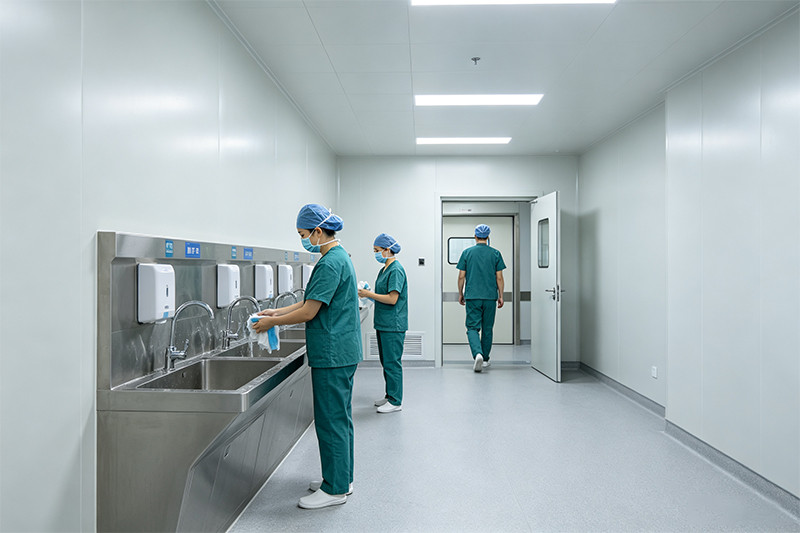
Large hospitals and specialty surgical centers with multiple operating rooms and a high volume of daily procedures are the primary environments for double and even triple-station sinks. In these settings, the demand for scrub-in access is constant. A double bowl configuration is not a luxury but a necessity to maintain the pace of a busy OR. It ensures that the scrub area can support the needs of concurrent surgeries without creating delays that could impact patient care and operating room turnover.
Supporting Teaching Hospitals and Training Facilities
Teaching hospitals and other medical training facilities are another ideal setting for double bowl scrub sinks. These environments often involve a resident, fellow, or medical student scrubbing in alongside an attending surgeon. A two-station sink provides the perfect setup for supervised learning, allowing the trainee and supervisor to prepare side-by-side. This facilitates direct observation and guidance during one of the most fundamental procedures in surgical training, all while maintaining the necessary sterile technique and improving the overall efficiency of the teaching process.
Key Considerations When Choosing Your Stainless Steel Scrub Sink
Choosing between a single and double bowl sink is just the start. To ensure you select the perfect unit for your facility, you must also consider the practical aspects of installation and the added value of specific features that enhance hygiene and usability. Making an informed decision requires looking at both your immediate needs and long-term operational goals.
Sizing and Installation Requirements for Your Space
Proper planning before purchase is essential to ensure a smooth installation process and a final setup that is both functional and compliant with safety codes. This starts with a thorough evaluation of your available space and infrastructure.
Accurately Measuring Your Available Space
Before browsing for models, you must take precise measurements of the area where the scrub sink will be installed. Consider the following dimensions:
- Width: How much horizontal wall space do you have? Remember to account for a single (approx. 32 inches), double (approx. 64 inches), or triple (approx. 96 inches) station configuration.
- Depth: Measure the distance from the wall to the front of the available space. Ensure there will be enough room for staff to stand comfortably and move around without obstructing walkways.
- Height: Consider the desired mounting height for ergonomics and check for any overhead obstructions.
Additionally, regulations from bodies like the Facility Guidelines Institute (FGI) often recommend placing scrub sinks just outside the operating room and away from the direct path of traffic to prevent cross-contamination from splashing. A minimum clearance of 36 inches from the nearest doorway is a good rule of thumb.
Understanding Plumbing and Mounting Options
A successful installation depends on compatibility with your building's existing infrastructure. Key considerations include:
- Plumbing: Verify the location of your hot and cold water supply lines and the main drain. Ensure they align with the specifications of the sink you plan to purchase. Plumbing for a scrub sink often requires a licensed contractor to ensure it meets local building and plumbing codes. It is also important that the system is protected against water hammer conditions.
- Mounting: Most scrub sinks are wall-mounted to save floor space and make cleaning underneath easier. This requires a structurally sound wall capable of supporting the sink's weight (a single basin can weigh 130 lbs or more). In-wall support carriers or "Z" brackets are often used for a secure installation. For walls that lack sufficient strength, pedestal or floor-mounted bases are an alternative.
- Power: If you choose a sink with infrared sensors or other electronic features like a digital timer, you will need a GFCI-protected electrical outlet nearby. These systems typically use a transformer to convert standard 120V AC power to low-voltage DC power.
Additional Features to Look For in a Stainless Steel Scrub Sink
Modern scrub sinks can be equipped with a range of accessories and design elements that further enhance their functionality and contribution to a sterile environment.
Different Faucet Types and Sensor Technology
The faucet is a critical component for hands-free operation. While some designs use wrist blades, these are less common in modern scrub sinks. The primary hands-free options are:
- Infrared (IR) Sensors: The most modern option, IR sensors provide a completely touchless experience. They detect the user's presence to activate water flow and can be fine-tuned to prevent accidental activation. Some advanced systems even have a line purge feature that periodically runs water to prevent stagnation and bacterial growth within the pipes.
- Knee/Foot Controls: These mechanical controls are extremely reliable and do not depend on electrical power. The user presses a panel or pedal to operate the water and soap dispensers, ensuring hands remain sterile.
High-quality faucets will also have a gooseneck spout positioned high above the basin to provide ample clearance for washing arms, and they often feature laminar flow or aerated spray heads designed to minimize splashing.
The Value of Integrated Backsplashes and Splash Guards
Splashing is a major concern for cross-contamination. Features designed to contain water are invaluable:
- Integrated Backsplash: A continuous piece of stainless steel that extends up the wall behind the sink is known as an integrated backsplash. This seamless transition from countertop to wall protects the wall from water damage and eliminates a difficult-to-clean seam where moisture and germs could collect.
- Splash Guards: On multi-station sinks, dividers between the bowls serve as splash guards to prevent water from splashing from one user to another. The deep basin design of scrub sinks is also a critical feature for splash containment.
By selecting a sink with these features, such as the expertly designed models from Samsink, you invest in a solution that is easier to clean, more hygienic, and ultimately safer for both patients and staff.
Maintaining Your Stainless Steel Scrub Sink for Longevity and Hygiene
A stainless steel scrub sink is a significant investment in your facility's hygiene infrastructure. To maximize this investment, it's crucial to implement and follow rigorous maintenance protocols. Proper care not only extends the life of the sink but, more importantly, ensures it continues to serve its primary function as a critical tool for infection control.
Effective Cleaning Protocols for Stainless Steel Surfaces
The non-porous nature of stainless steel makes it easy to clean, but "easy" does not mean "infrequent." Consistent and correct cleaning procedures are vital.
Establishing Daily Cleaning Practices
Regular cleaning is the first line of defense against the buildup of mineral deposits and biofilms.
- Rinse and Dry: After each use, or at minimum at the end of each day, the sink should be thoroughly rinsed with clean water and wiped completely dry with a soft, lint-free cloth. This simple step prevents water spots, especially in areas with hard water, and minimizes the opportunity for bacteria to thrive in a moist environment.
- Gentle Wiping: For routine cleaning, use a soft cloth or sponge with warm water and a mild detergent. Wipe in the direction of the steel's grain or polish lines to avoid micro-scratches. Most soaps and detergents contain chlorides, so an immediate and thorough rinse is essential to prevent corrosion.
- Address Spills Immediately: Spilled liquids, particularly those that are acidic or salt-laden, should be cleaned up right away.
Importance of Deep Cleaning and Disinfection
While daily cleaning manages surface soil, periodic deep cleaning and disinfection are necessary to eliminate pathogens.
- Disinfection: Healthcare facilities must follow strict disinfection protocols. Use a hospital-grade, non-bleach disinfectant that is approved for use on stainless steel. Always follow the manufacturer's instructions for dilution and contact time.
- Thorough Rinsing: After the disinfectant has been allowed to sit for the required time, the surface must be rinsed thoroughly with distilled or deionized water. This step is critical to remove any residual chemicals that could degrade the stainless steel's protective layer over time.
- Component Cleaning: On a regular basis (e.g., quarterly), components like faucet heads and drains should be disassembled, cleaned, and decontaminated according to the manufacturer's instructions to prevent biofilm buildup in hard-to-reach places.
Avoiding Common Damage and Wear to Your Scrub Sink
Protecting your scrub sink from damage involves both using the right tools for cleaning and performing regular checks to catch any potential issues early.
Using Appropriate Cleaning Agents
Using the wrong chemical is the fastest way to damage a stainless steel surface. The following should always be avoided:
- Abrasive Cleaners and Tools: Do not use steel wool, wire brushes, or abrasive scouring pads. These will scratch the surface, compromising the passive layer and creating crevices where bacteria can grow.
- Chlorine-Based Cleaners: Products containing chlorides, including bleach and many household cleaners, are highly corrosive to stainless steel. They will attack the chromium oxide layer and can cause pitting and rust. Always opt for bleach-free disinfectants.
- Harsh Acids: Cleaners like muriatic acid (hydrochloric acid) will destroy the sink's protective finish and should never be used.
For stubborn spots, a paste of baking soda (sodium bicarbonate) and water can be used as a mild abrasive, followed by a thorough rinse.
The Role of Regular Inspections for Upkeep
Proactive maintenance is key to longevity. Regular biomedical inspections are often required by accreditation bodies and are critical for patient safety. These inspections ensure that all equipment is functioning correctly. Staff should be encouraged to perform daily visual checks for:
- Signs of Damage: Look for any scratches, dents, or signs of discoloration or rust. Catching these issues early can prevent them from becoming worse.
- Proper Function: Confirm that hands-free controls (sensors, knee panels) are responsive and that water flows correctly. Check that the thermostatic mixing valve is maintaining a consistent and safe temperature.
- Leaks or Blockages: Inspect plumbing connections for any leaks and ensure drains are clear and flowing freely.
A documented history of regular cleaning, maintenance, and inspections not only ensures compliance with health regulations but also demonstrates a facility's commitment to providing the highest standard of care.
Frequently Asked Questions (FAQ)
1. What is the main difference between a single and a double bowl scrub sink? The primary difference is capacity. A single bowl sink is designed for one user at a time and is ideal for smaller facilities or those with low surgical volumes. A double bowl sink has two stations, allowing two people to scrub simultaneously, which is essential for busy hospitals and high-traffic operating rooms to improve workflow and reduce wait times.
2. Why is hands-free operation so important for a surgical scrub sink? Hands-free operation, achieved through infrared sensors, knee panels, or foot pedals, is crucial for preventing re-contamination. After a surgeon completes the meticulous hand and arm scrub, touching a faucet handle would reintroduce germs. A touchless system ensures that the sterile chain is maintained from the sink to the patient.
3. What type of stainless steel is best for a scrub sink? Medical-grade stainless steel, specifically Type 304 or Type 316, is the standard. Type 304 offers excellent corrosion resistance for most applications. Type 316 contains molybdenum, which provides superior resistance to corrosion from chlorides (like saline) and harsh chemicals, making it the premium choice for the most demanding environments.
4. How often should a stainless steel scrub sink be cleaned? A scrub sink should be rinsed and wiped dry after every use, or at least daily. A more thorough cleaning with approved disinfectants should be part of a regular protocol, often performed between cases or at the end of the day. It's essential to follow your facility's specific infection control guidelines.
5. Can I use bleach to disinfect my stainless steel scrub sink? No, you should never use bleach or any cleaners containing chloride on a stainless steel sink. These chemicals are highly corrosive and will damage the protective chromium oxide layer, leading to pitting and rust. Always use a hospital-grade, bleach-free disinfectant that is specifically approved for stainless steel surfaces.
Choosing the right equipment is a critical step in upholding hygiene standards. For high-quality, durable, and ergonomically designed stainless steel scrub sinks, consider exploring the options from Samsink. Their commitment to excellence can provide the reliability your facility needs. Contact us today to find the perfect solution for your sterile Environment.
Ultimately, deciding between a single and double bowl stainless steel scrub sink comes down to your facility's specific operational needs, available space, and budget. A single bowl offers a compact, cost-effective solution for lower-volume settings, while a double bowl provides the enhanced workflow and capacity required for busy, high-traffic surgical environments. I hope this guide has helped clarify the differences between the two types and given you the confidence to make the best, most informed choice for your sterile environment. Remember, a well-chosen and well-maintained stainless steel scrub sink is a key part of maintaining a sterile, efficient, and safe environment for everyone. If this guide was helpful, please consider sharing it with your colleagues and peers who might also benefit from this information.