What Makes 304 Stainless Steel the Top Choice for Commercial Bar Sinks?
As specialists in commercial kitchen and bar aesthetics, we often discuss the critical role a well-chosen sink plays in a busy establishment. It's more than just a place to wash; it's a cornerstone of efficiency, hygiene, and lasting appeal. When it comes to selecting the perfect material for your commercial bar sink, we believe 304 stainless steel stands out as an unparalleled choice. We've observed its consistent performance and enduring quality across countless high-demand environments. Let us guide you through the compelling reasons why 304 stainless steel is the superior option, ensuring your commercial bar sink not only meets but exceeds the rigorous demands of your business, offering exceptional value and peace of mind.
Key Takeaways
- Superior Composition: 304 stainless steel, also known as 18/8 stainless steel, contains 18% chromium and 8% nickel. This specific blend is crucial for providing exceptional resistance to rust, corrosion, and oxidation, which is vital in the constantly wet environment of a commercial bar.
- Unmatched Durability: Designed for high-traffic environments, 304 stainless steel excels in its ability to resist dents, scratches, and impacts from daily wear and tear. Its inherent work-hardening properties mean it becomes stronger over time, making it a reliable choice for the busiest bars. The thickness of the steel, or gauge, also plays a significant role, with lower numbers indicating thicker, more durable steel.
- Optimal Hygiene: The non-porous nature of 304 stainless steel is a key advantage in maintaining a sanitary bar area. It prevents bacteria, mold, and other microbes from seeping into the surface, making it easy to clean and sanitize, thereby meeting stringent health code standards.
- Effortless Maintenance: Maintaining the appearance and integrity of a 304 stainless steel sink is straightforward. Regular cleaning with simple, non-abrasive agents is sufficient to keep it looking pristine. Its passive chromium oxide layer naturally self-repairs from minor scratches, helping to prevent rust and maintain its longevity.
- Aesthetic Versatility and Sustainability: With a timeless and professional look, 304 stainless steel sinks complement any bar design, from modern minimalist to classic industrial. Furthermore, stainless steel is one of the most recycled materials on earth, making it an environmentally responsible choice for businesses committed to sustainability.
- Smart Long-Term Investment: While the initial cost might be higher than some alternatives, the longevity, low maintenance requirements, and consistent performance of a 304 stainless steel sink result in a lower total cost of ownership. It is a one-time investment that pays dividends in reliability and performance for years to come.
The Unbeatable Composition: Why 304 Stainless Steel is Perfect for Your Commercial Bar Sink
To truly appreciate the value of a 304 stainless steel sink, it's essential to look at its core components. The material's excellence isn't an accident; it's a result of precise metallurgical engineering designed for performance. For a commercial bar, where a sink is subjected to a constant barrage of liquids, chemicals, and physical contact, the composition of the steel is the first line of defense against degradation and failure.
Understanding the 18/8 Chrome-Nickel Blend That Defines 304 Stainless Steel
The secret behind the superior quality of 304 stainless steel lies in its specific alloy composition, most famously known as "18/8". This isn't just a catchy marketing term; it denotes a precise formulation of 18% chromium and 8% nickel. This blend is a cornerstone of the austenitic class of stainless steels, celebrated for its remarkable properties.
- Chromium (18%): The Guardian Against Rust: The significant chromium content is the primary defender of your sink. When exposed to oxygen, whether in the air or water, the chromium forms a thin, invisible, and tightly adhering layer of chromium oxide on the steel's surface. This "passive layer" is the secret to stainless steel's "stain-less" quality. It acts as a powerful barrier, preventing oxygen and water from reaching the iron in the steel, thereby stopping rust and corrosion before they can start. If the surface is scratched, the chromium immediately reacts with oxygen to "heal" itself, reforming the protective layer and ensuring continuous protection.
- Nickel (8%): The Key to Durability and Formability: The addition of nickel is what elevates 304 stainless steel from good to exceptional. Nickel enhances the material's formability and weldability, allowing it to be shaped into complex sink designs without losing strength. More importantly for a busy bar, nickel significantly improves the steel's toughness and impact resistance, particularly at the very low temperatures of ice and cold liquids. It also provides an additional boost to corrosion resistance, especially against organic acids found in foods, citrus juices, and cleaning solutions commonly used in a bar environment.
Together, this 18/8 combination creates a material that is not only lustrous and visually appealing but also a chemical and physical powerhouse, perfectly suited for the demanding environment of a commercial bar sink.
Why Material Quality Directly Impacts the Lifespan and Performance of a Commercial Bar Sink
In a commercial setting, a sink is not just a feature; it's a workhorse. The quality of the material it's made from has a direct and measurable impact on its daily performance and how long it will last before needing repair or replacement. Choosing a lower-quality material might save money upfront, but it almost always leads to higher costs and more headaches in the long run.
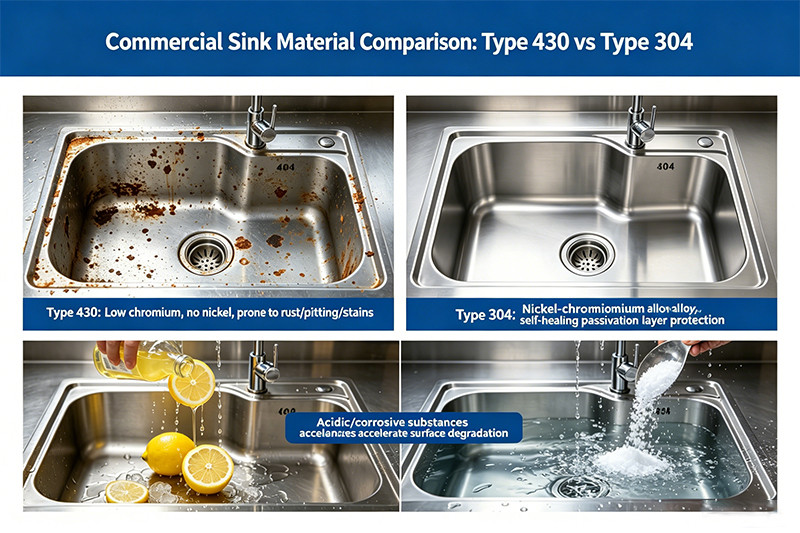
A sink made from inferior steel, such as Type 430 with its lower chromium content and no nickel, will be far more susceptible to rust spots, pitting, and staining. It lacks the robust self-healing passive layer that the nickel-chromium blend of 304 provides. This means constant exposure to acidic mixers like lemon juice, corrosive cleaning agents, and even simple saltwater from brining can quickly degrade the surface, leading to permanent damage and a shortened lifespan.
Furthermore, material quality affects the sink's structural integrity. Lower-grade steel is often thinner and less resilient, making it prone to denting from dropped pots, pans, or glassware. These dents are not only unsightly but can also create low spots where water pools, encouraging biofilm and bacteria growth. By investing in a high-quality 304 stainless steel sink from a trusted brand like Samsink, you are investing in peace of mind. You are ensuring that this critical piece of equipment can withstand the rigors of your business, maintain its hygienic properties, and provide reliable service for years, making it a foundational element of your bar's operational success.
Engineered for Toughness: The Durability of a 304 Stainless Steel Commercial Bar Sink
The frantic pace of a popular bar—bartenders moving quickly, glasses clinking, heavy kegs and boxes being moved—demands equipment that can take a beating. Durability isn't just a desirable feature for a commercial bar sink; it's a fundamental requirement. This is where 304 stainless steel truly proves its mettle. Its inherent toughness is engineered to withstand the relentless physical stress of a high-volume commercial environment, ensuring it remains a reliable asset night after night.
Our Experience with Impact Resistance: Fending Off Dents, Scratches, and Everyday Abuse
In our extensive experience outfitting bars and restaurants, we've seen firsthand how 304 stainless steel stands up to daily abuse. Accidental drops of heavy shakers, glass racks, or even liquor bottles are commonplace. On a lesser sink, such events would result in noticeable dents and deep scratches, marring its appearance and compromising its integrity. However, 304 stainless steel exhibits excellent impact resistance.
This resilience is due to its austenitic microstructure, enhanced by the nickel content, which gives the material impressive ductility and toughness. It can absorb the energy from an impact without easily denting or deforming. Furthermore, another factor in a sink's durability is its gauge, which refers to the thickness of the steel. Commercial sinks are typically available in gauges from 14 to 20. It's important to remember that with steel gauges, a lower number means thicker steel. A 16-gauge sink, for example, is thicker and more robust than an 18-gauge sink, making it a superior choice for heavy-duty applications where impact is a constant concern. We always recommend considering a lower gauge (thicker) steel for the busiest bar setups, as it provides an extra margin of protection against dents and contributes to a quieter sink, as the thicker material helps dampen noise from clanging equipment and running water.
Built for the Busiest Bars: How 304 Stainless Steel Withstands High-Volume Commercial Use
High-volume commercial use isn't just about occasional impacts; it's about continuous, repetitive stress. Think about the hundreds of times a day a glass rack is slid across the surface, a strainer is tapped against the edge, or the hot water faucet is turned on, causing rapid temperature changes. 304 stainless steel is exceptionally well-suited for this kind of environment due to a property called "work hardening."
Work hardening means that when the steel is subjected to mechanical stress (like the impact of a dropped object or the abrasion from sliding racks), its crystal structure actually deforms in a way that makes it harder and stronger. This means that, to a certain extent, the sink gets tougher with use. This property, combined with its excellent fatigue strength, ensures that the sink's structure remains sound even after years of relentless service cycles. It resists the warping and cracking that can result from thermal cycling—the constant shift between hot water washes and cold rinses—which is a common failure point in sinks made from less robust materials.
Comparing Grades: Why 304 Stainless Steel is the Ideal Balance for Commercial Bar Sink Applications
While 304 is the star of the show, it's helpful to understand how it compares to other common stainless steel grades to see why it hits the sweet spot for commercial bars.
| Feature | Type 304 (18/8) | Type 316 | Type 430 |
|---|---|---|---|
| Composition | 18% Chromium, 8% Nickel | 16% Chromium, 10% Nickel, 2% Molybdenum | 17% Chromium, 0% Nickel |
| Corrosion Resistance | Excellent for general use; resists most oxidizing acids, foods, and sterilizing solutions. | Superior, especially against chlorides (salts) and industrial chemicals, thanks to molybdenum. | Good, but susceptible to pitting and crevice corrosion. Prone to rust if passive layer is damaged. |
| Durability & Toughness | Excellent, tough, and ductile. Good impact resistance. | Excellent, slightly better than 304 in some aspects. | Fair, but more brittle than 304. More prone to denting and scratching. |
| Cost | Mid-range | Higher cost (often 25-30% more than 304). | Lower cost. |
| Best Application | Commercial bars, kitchens, food processing, and general-purpose equipment. The industry standard. | Marine environments, laboratories, coastal areas, or where harsh de-icing salts are used. | Budget-friendly applications, decorative trim, low-corrosion environments, a poor choice for a sink. |
As the table illustrates, Type 304 offers the perfect equilibrium. Type 430 is cheaper, but its lack of nickel makes it a poor choice for a wet, demanding bar environment, as it will inevitably corrode and degrade. On the other end of the spectrum, Type 316 offers even greater corrosion resistance due to the addition of molybdenum. While exceptional, this level of protection is typically overkill for a standard bar sink and comes at a significantly higher price. It's usually reserved for marine applications or environments with heavy exposure to chlorides or other harsh chemicals. For the vast majority of commercial bar applications, Type 304 provides more than enough corrosion resistance and durability at a cost-effective price point, making it the clear and logical choice.
Exceptional Hygiene and Effortless Maintenance for Your Commercial Bar Sink
In any establishment that serves food and beverages, hygiene is non-negotiable. A clean and sanitary bar is crucial for customer safety, an establishment's reputation, and for meeting or exceeding local health department regulations. The choice of a sink plays a pivotal role in this, and the properties of 304 stainless steel make it an ideal partner in maintaining the highest standards of cleanliness with minimal effort.
A Non-Porous Surface: Our Assurance of a Bacteria-Resistant Commercial Bar Sink
The single most important hygienic feature of 304 stainless steel is its incredibly smooth and non-porous surface. Unlike materials like granite or certain plastics that can have microscopic pores and crevices, a high-quality stainless steel surface is seamless. This is of paramount importance in a bar environment where sinks are constantly wet and exposed to sugars, food particles, and other substances that can promote microbial growth.
The non-porous nature means there is nowhere for bacteria, mold, mildew, or other pathogens to hide and multiply. They remain on the surface, unable to penetrate the material itself. This makes the sink exceptionally easy to clean and sanitize effectively. A simple wipe-down and sanitizing rinse can remove virtually all contaminants, a fact supported by studies in the food and medical industries. Food safety standards often mandate the use of stainless steel for food contact surfaces precisely because of its superior cleanability and its inability to harbor microorganisms. When you invest in a 304 stainless steel sink, you are investing in a foundation of food safety for your bar.
Keeping It Sparkling: Simple Cleaning Routines for a 304 Stainless Steel Commercial Bar Sink
The beauty of a 304 stainless steel sink is that maintaining its hygienic and aesthetic qualities does not require a complex or expensive cleaning regimen. Its durability and smooth surface mean simple, consistent care is all that's needed. Here is a proven, straightforward routine we recommend:
- Daily Rinse & Wipe: At the end of every shift, the sink should be thoroughly rinsed with warm water to remove any remaining debris, citrus pulp, or drink residue. After rinsing, wipe it dry with a soft cloth. This simple step is the most effective way to prevent water spots and mineral deposits from forming.
- Regular Gentle Cleaning: For a more thorough clean, use a mild detergent (like dish soap) and warm water. Apply with a soft cloth or sponge, always scrubbing in the direction of the steel's grain or finish lines. This helps to avoid micro-scratches and maintains the original luster. Rinse thoroughly after washing.
- Dealing with Tough Stains: For more stubborn stains or water marks, a paste of baking soda and water can be used as a gentle abrasive. For oily or greasy fingerprints, a glass cleaner or a specialized stainless steel cleaner can be effective.
- Passivation and Polishing (Optional but Recommended): Occasionally polishing the sink with a dedicated stainless steel polish can help restore its shine and reinforce the protective passive layer. The process of "passivation"—treating the surface with a mild acid like vinegar or a specialized solution—can also help to fully dissolve any free iron particles and maximize corrosion resistance.
What to Avoid:
- Abrasive Scourers: Never use steel wool or highly abrasive scrubbing pads, as they can deeply scratch the surface and impregnate it with iron particles that will rust.
- Harsh Chemicals: Avoid cleaners containing chlorides, especially bleach, in high concentrations or for long periods. If bleach is used for sanitizing, it should be diluted and the surface must be rinsed thoroughly with clean water immediately afterward.
Resisting Rust and Corrosion: Essential for Longevity in a Commercial Bar Sink Environment
The cornerstone of 304 stainless steel's longevity is its exceptional resistance to rust and corrosion, a direct result of its 18% chromium content. As we've mentioned, this chromium forms a passive oxide layer that protects the iron in the steel from the elements that cause rust. This is not a coating that can chip or wear away; it is an inherent, self-repairing part of the material itself.
In a bar, sinks are constantly exposed to a cocktail of corrosive agents: water, salts (from brines or garnishes), and a wide array of acids (from citrus juices, wine, and mixers). For an inferior metal, this would be a death sentence, leading to rapid pitting, staining, and eventual structural failure. However, the robust passive layer of 304 stainless steel stands firm against these attacks. Even if a sharp object creates a minor scratch, the exposed chromium on the new surface instantly reacts with oxygen, rebuilding the protective layer and stopping corrosion in its tracks. This self-healing ability is what makes 304 stainless steel a truly "set it and forget it" material in terms of rust prevention, ensuring your investment remains sound and functional for its entire service life.
Stylish Integration and Eco-Friendly Advantages of a 304 Stainless Steel Commercial Bar Sink
Beyond its brute strength and hygienic properties, a 304 stainless steel sink offers significant benefits in aesthetics and environmental responsibility. In an era where bar design is increasingly sophisticated and sustainability is a key consumer and business concern, these factors are more important than ever. Choosing 304 stainless steel allows you to create a space that is not only functional but also visually appealing and aligned with modern values.
Achieving Aesthetic Harmony: How Our Commercial Bar Sinks Complement Any Design Scheme
The aesthetic of 304 stainless steel is timeless, professional, and remarkably versatile. Its clean lines and cool, neutral tone allow it to integrate seamlessly into virtually any design concept, from ultra-modern and industrial to rustic and traditional.
- Modern & Industrial: In contemporary or industrial-themed bars, a stainless steel sink is a natural fit. Its sleek, metallic surface complements concrete countertops, exposed brick, and metal fixtures, reinforcing a chic and edgy aesthetic. The material itself speaks of efficiency and professionalism.
- Classic & Traditional: In more traditional settings with warm woods and classic tilework, a stainless steel sink can provide a pleasing contrast. It introduces a touch of modern functionality without clashing with the overall design. An undermount installation, for instance, can create a seamless transition from a rich wood or stone countertop to the sink basin, minimizing its visual footprint while maximizing its utility.
- Customizable Finishes: 304 stainless steel sinks are available in various finishes that can dramatically alter their appearance. The most common is a brushed or satin finish, which is excellent for high-use areas as it helps to hide minor scratches and reduces reflectivity. A polished or mirror finish offers a bright, highly reflective look that can make a space feel larger and more brilliant, though it requires more maintenance to keep free of fingerprints and water spots. For a truly unique look, some manufacturers offer patterned or embossed stainless steel surfaces.
The reflective quality of the steel, even with a brushed finish, can help to brighten the often-dimly-lit under-bar area, improving visibility for bartenders and making the workspace feel more open.
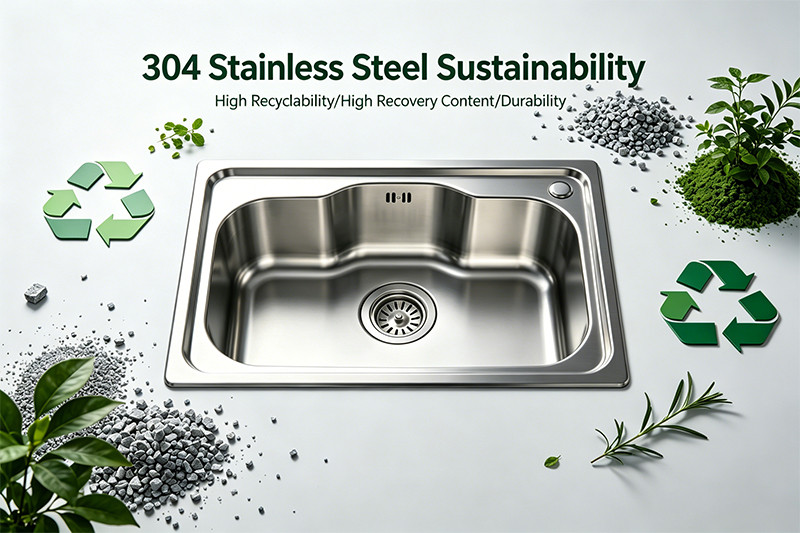
Our Commitment to Sustainability: The Recyclable Nature of 304 Stainless Steel Commercial Bar Sinks
Choosing 304 stainless steel is also a forward-thinking, environmentally responsible decision. In a world increasingly focused on reducing waste and conserving resources, the lifecycle of the products we use matters. Stainless steel is a champion of sustainability.
- High Recyclability: Stainless steel is 100% recyclable. It can be melted down and reformed into new high-quality steel products without any degradation in its performance or quality. This closed-loop lifecycle significantly reduces the need for virgin raw materials and the energy required for their extraction and processing.
- High Recycled Content: The new stainless steel produced today already has a high recycled content. On average, any given stainless steel object is composed of about 60% recycled material. Some estimates place the recycled content for austenitic stainless steels (like 304) even higher, often reaching 85% or more. By choosing a stainless steel sink, you are supporting a circular economy and investing in a product made from previously used materials.
- Durability is Sustainability: The most sustainable product is often the one you don't have to replace. The incredible durability and long lifespan of a 304 stainless steel sink mean fewer replacements over the life of your establishment. This translates to less manufacturing, less transportation, and less waste sent to landfills compared to sinks made from less durable materials that may need to be replaced multiple times.
By installing a 304 stainless steel sink from a quality provider like Samsink, bar owners make a statement. They show a commitment not only to quality and performance within their own business but also to the broader goal of environmental stewardship.
The Smart Investment: Long-Term Value and Reliability with a 304 Stainless Steel Commercial Bar Sink
When equipping a commercial bar, every purchasing decision is an investment. While it can be tempting to focus solely on the initial price tag, savvy business owners understand that true value is measured over the entire lifespan of a product. A commercial bar sink is a critical, long-term asset, and choosing 304 stainless steel is one of the smartest financial decisions you can make for your establishment, delivering unparalleled reliability and a superior return on investment.
Beyond Initial Cost: Understanding the True Value of Durability and Performance
The concept of Total Cost of Ownership (TCO) is crucial when evaluating equipment purchases. TCO looks beyond the upfront purchase price to include all associated costs, such as maintenance, repairs, replacement, and even the cost of downtime. This is where 304 stainless steel sinks truly outshine their cheaper alternatives.
- Reduced Replacement Costs: A high-quality 304 stainless steel sink, properly cared for, can last for decades. Its resistance to corrosion, impact, and fatigue means you will not have to budget for a replacement every few years, unlike sinks made of plastic or lower-grade metal. This "one-and-done" aspect provides predictable, long-term cost stability.
- Minimal Maintenance & Repair: As discussed, maintaining a 304 stainless steel sink is simple and inexpensive, requiring no special chemicals or professional services. Its inherent durability means repairs are rarely, if ever, needed. There are no coatings to chip, no surfaces to re-seal, and no parts that are prone to premature failure. This saves both money and the valuable time of your staff.
- No Costly Downtime: A failed sink can bring a bar's operation to a screeching halt. A leak, a crack, or a major clog can take a sink out of commission, leading to lost revenue and potential health code violations. The sheer reliability of 304 stainless steel means the risk of such operational downtime is virtually eliminated. You can have confidence that your sink will perform, shift after shift, year after year.
When you factor in these long-term savings, the slightly higher initial investment for a quality 304 stainless steel sink is quickly justified, proving to be the most economical choice over time.
Why We Trust 304 Stainless Steel for New Installations and Renovations of Commercial Bar Sinks
For both brand-new bar constructions and the renovation of existing spaces, we consistently and confidently recommend 304 stainless steel. It is the industry standard for a reason. Its selection is a mark of quality and a forward-thinking approach to building a business.
For new installations, using 304 stainless steel ensures that this foundational piece of the bar is built to last from day one, minimizing future problems and allowing designers and builders to focus on other aspects of the project. Its aesthetic versatility allows it to be specified early in the design process, knowing it will complement whatever final design is chosen.
In renovations, replacing an old, worn-out sink with a new 304 stainless steel model provides an immediate and dramatic upgrade in both function and appearance. It can instantly elevate the hygiene and efficiency of the workspace. Furthermore, compliance with health and safety standards is paramount, and 304 stainless steel is universally accepted and often required by health departments. Many sinks intended for commercial use are certified by NSF International, an organization that develops public health standards and certification programs. An NSF-certified sink ensures that the materials and design have been tested and verified to be safe and suitable for a commercial food environment.
At Samsink, we are proud to offer a wide range of 304 stainless steel commercial bar sinks that meet these rigorous standards. We understand that you are not just buying a sink; you are investing in the backbone of your bar's operation. Explore our collection today and build your bar on a foundation of unmatched quality, durability, and value.
Frequently Asked Questions (FAQ)
Q1: What is the best gauge for a commercial bar sink? A: The best gauge depends on the expected level of use. For a high-volume, busy commercial bar, a 16-gauge sink is highly recommended. The lower gauge number indicates thicker steel, which provides superior dent resistance, durability, and sound-dampening qualities. For lighter use or smaller bars, an 18-gauge sink can be a cost-effective and perfectly suitable option. It's generally advised to avoid gauges higher than 18 for a commercial application.
Q2: Will a 304 stainless steel sink ever rust? A: Under normal circumstances, a 304 stainless steel sink will not rust. Its 18% chromium content creates a passive oxide layer that protects it. However, rust can appear under specific, preventable conditions. For example, leaving harsh chemicals like bleach on the surface for extended periods, or allowing metal cans or cast iron pans to sit in the sink while wet can cause surface rust. This rust is typically on the surface and can be cleaned off. Using steel wool for cleaning can also embed iron particles that will rust. Proper cleaning and avoiding prolonged contact with other rusting metals will prevent this.
Q3: How can I remove scratches from my stainless steel sink? A: Minor scratches are inevitable in a work environment. For light scratches, you can often buff them out using a non-abrasive pad (like a fine Scotch-Brite pad) and a specialized stainless steel cleaning paste or even a baking soda paste. The key is to always rub in the direction of the steel's grain. For deeper scratches, commercially available stainless steel scratch removal kits exist, but it's important to test them in an inconspicuous area first. The good news is that these minor scratches do not compromise the sink's anti-corrosion properties.
Q4: Is 304 stainless steel the same as "food-grade" stainless steel? A: Yes, 304 stainless steel is widely considered a food-grade steel and is the most common type used for food processing equipment, kitchen tools, and commercial sinks. Its excellent corrosion resistance, durability, and cleanability meet the stringent hygiene requirements for materials that come into contact with food and beverages. Organizations like NSF International often certify 304 stainless steel products for use in commercial kitchens.
Q5: What's the difference between an undermount and a top-mount (drop-in) commercial sink? A: A top-mount (or drop-in) sink has a visible rim that rests on top of the counter. They are generally easier and less expensive to install. An undermount sink is installed from below the counter, creating a seamless edge between the countertop and the sink basin. This look is very popular for its sleek appearance and makes cleaning easier, as you can wipe crumbs and liquids directly from the counter into the sink without being blocked by a rim. The choice is often based on aesthetics, countertop material, and budget.
From our extensive experience, opting for a 304 stainless steel commercial bar sink is undeniably the best decision for any food service establishment. We are confident that its superior strength, effortless hygiene, and enduring style deliver unmatched value. We firmly believe that this material represents a sound investment, providing excellent long-term value, consistent performance, and a sleek, professional appearance. We are proud to endorse 304 stainless steel as the ultimate choice for your commercial bar sink needs.