What Makes a 16 Gauge Double Trough Stainless Steel Sink a Premium Choice?
Have you ever wondered what truly sets a kitchen sink apart? In the vast world of kitchen fixtures, not all sinks are created equal. Today, we're diving deep into the specifics of a standout performer: the 16 gauge double trough stainless steel sink. This isn't just a place to wash dishes; it's a cornerstone of a functional, elegant, and highly efficient kitchen.
Join us as we uncover the superior qualities that elevate this particular type of sink to a top-tier choice for homeowners, designers, and builders. From its robust construction to its versatile design, you'll learn why investing in a premium sink can transform your daily kitchen experience.
Key Takeaways
For those in a hurry, here’s a quick summary of why a 16 gauge double trough stainless steel sink is a superior choice:
- Exceptional Durability: 16 gauge steel is thicker and more robust than the more common 18 or 20 gauge options. This thickness makes it highly resistant to dents, dings, and warping from heavy pots, pans, and daily use.
- Enhanced Performance: The substantial nature of 16 gauge steel provides superior stability, preventing the sink from flexing under the weight of a garbage disposal or large volumes of water. It also significantly reduces noise from clattering dishes and running water.
- Maximum Functionality: The double trough design is a multitasker's dream. It allows you to separate tasks like washing and rinsing, or keep dirty dishes isolated from a food preparation area, improving workflow and hygiene. The generous basin sizes can accommodate large cookware that single-basin sinks struggle with.
- Lasting Quality: Premium sinks use Type 304 stainless steel, an industry standard known for its high chromium (18%) and nickel (8%) content. This composition provides excellent resistance to rust, corrosion, and stains, ensuring the sink maintains its integrity and appearance for decades.
- Timeless & Hygienic: Stainless steel offers a sleek, professional look that integrates seamlessly into any kitchen style, from modern to traditional. Its non-porous surface is incredibly hygienic, as it resists bacteria growth and is easy to clean and sanitize.
- Premium Features: High-end models go further with advanced sound-dampening pads, protective undercoating, easy-to-clean rounded corners, and efficient drain placement. These details collectively create a quieter, more user-friendly, and longer-lasting sink.
Gauge Matters: Why 16 Gauge Elevates Your Double Trough Stainless Steel Sink
The term "gauge" is one of the most critical factors when evaluating a stainless steel sink, yet it's often misunderstood. It directly relates to the thickness of the steel, and in this case, a lower number signifies a higher quality product. A 16 gauge sink is a mark of premium construction, offering tangible benefits that you'll appreciate every day.
Understanding Sink Gauge: Thicker is Better
When it comes to stainless steel, the gauge number indicates the thickness of the material. However, the relationship is inverse: the lower the gauge number, the thicker and heavier the steel. This fundamental difference is what separates a standard sink from a premium one.
What "16 Gauge" Truly Means for Durability
A 16 gauge designation means the stainless steel sheet is approximately 1.5875 millimeters thick. While that may not sound like a huge number, in the world of kitchen sinks, it represents a significant upgrade in strength and substance compared to thinner gauges. This added thickness is the foundation of the sink's durability, making it far less susceptible to the hazards of a busy kitchen, such as dents from dropped cutlery or damage from heavy cast-iron pans.
Comparing 16 vs. Thinner Gauges
Most residential sinks on the market range from 22 gauge (the thinnest) to 16 gauge (the thickest and most common for high-end applications). While thinner 18 or 20 gauge sinks are more affordable, they come with trade-offs in performance and longevity.
Here’s a quick comparison:
| Feature | 16 Gauge (Premium) | 18 Gauge (Standard) | 20-22 Gauge (Economy) |
|---|---|---|---|
| Thickness | ~1.59 mm | ~1.27 mm | ~0.95 mm - ~0.79 mm |
| Dent Resistance | Excellent | Good | Fair to Poor |
| Noise Level | Quietest | Moderate | Loudest |
| Vibration | Minimal | Some | Significant |
| Cost | Higher | Moderate | Lower |
| Best For | Busy kitchens, heavy use, long-term investment | Average residential use | Light use, budget renovations |
Choosing a 16 gauge sink is an investment in a product that is built to withstand rigorous use without showing signs of wear and tear.
Impact of Thickness on Sink Performance
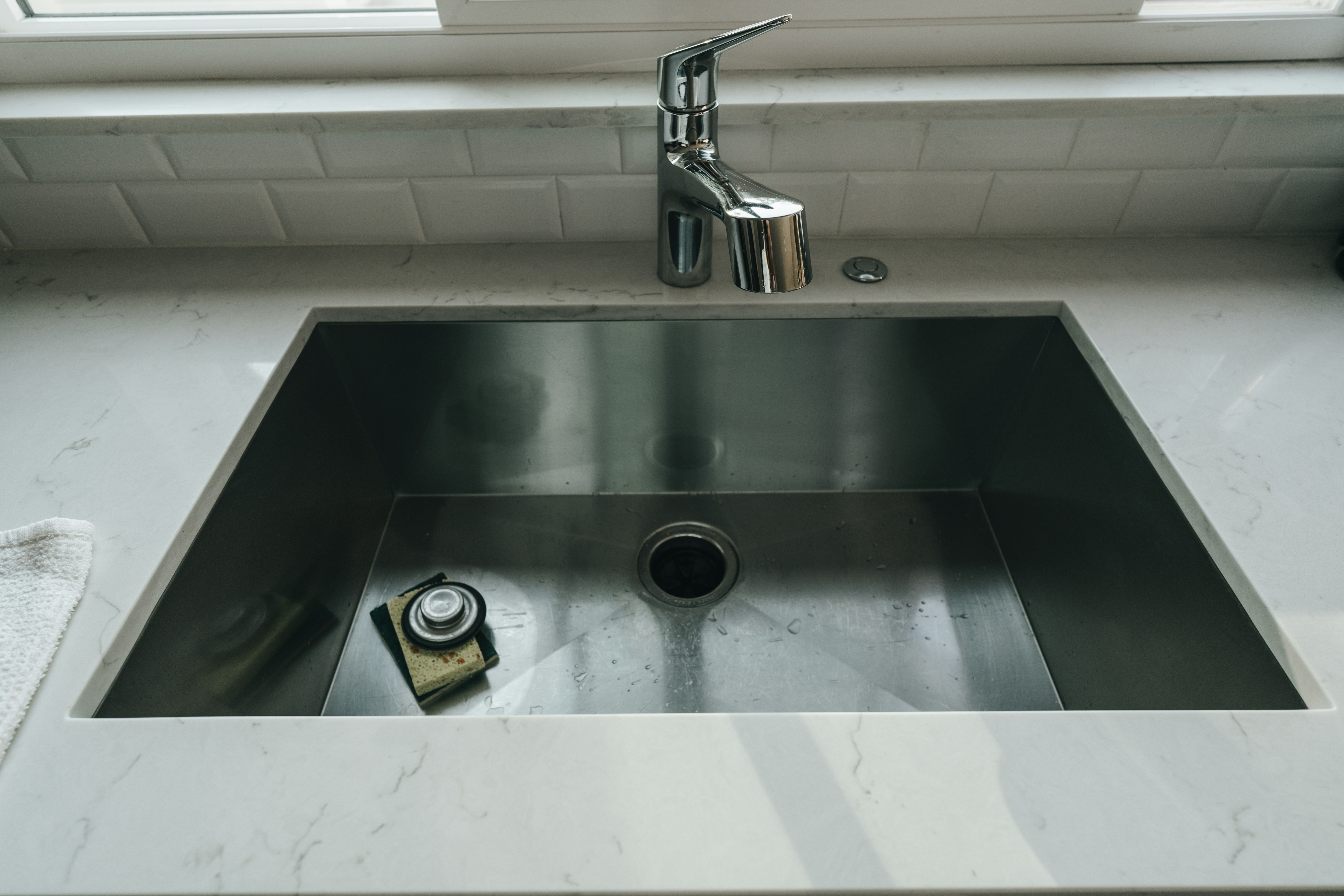
The superior thickness of a 16 gauge sink directly translates into better real-world performance. It’s not just about durability; it’s about how the sink feels and sounds during everyday use.
Resisting Dents and Dings in Your Double Trough Stainless Steel Sink
One of the most common complaints with thinner gauge sinks is their susceptibility to denting. A dropped pot, a heavy pan shifted carelessly, or even a sturdy wine bottle can leave a permanent mark on an 18 or 20 gauge sink. A 16 gauge sink, with its more substantial steel, offers superior protection against these impacts. This means your sink will maintain its smooth, unblemished surface for much longer, preserving its aesthetic appeal and value.
Enhancing Stability and Rigidity
Thicker steel provides greater structural rigidity. This is particularly important for undermount sinks, which support the weight of a heavy faucet and a fully loaded basin. Furthermore, if you plan to install a garbage disposal, the stability of a 16 gauge sink is a significant advantage. It minimizes vibrations and flexing that can occur with thinner sinks, preventing strain on the mounting points and surrounding countertop.
Noise Reduction for a Quieter Kitchen
An often-overlooked benefit of a thicker sink is its inherent sound-dampening quality. The loud, metallic clang of dishes and the drumming sound of running water can be major sources of noise pollution in a kitchen, especially in homes with open-concept floor plans.
How Thicker Steel Absorbs Sound
The science is simple: more mass absorbs more vibration. The thicker steel of a 16 gauge sink has more mass to deaden the sound waves generated by running water and contact with dishes and utensils. Thinner 20 or 22 gauge sinks, by contrast, can act almost like a drum, amplifying these noises throughout your kitchen. A 16 gauge sink provides a noticeably quieter and more pleasant user experience.
The Role of Sound Dampening Pads with 16 Gauge
While 16 gauge steel is naturally quieter, premium manufacturers go a step further by adding sound-dampening technologies. This typically involves applying large, thick rubber pads to the bottom and sides of the sink basins. These pads are designed to absorb vibrations and further reduce noise. Many high-end sinks also feature a full undercoating of sound-absorbing spray, which not only deadens sound but also helps prevent condensation from forming in the cabinet below. When combined with the inherent quietness of 16 gauge steel, these features create the quietest sink experience possible.
The Double Trough Advantage: Maximizing Functionality of Your Stainless Steel Sink
Beyond the gauge of the steel, the configuration of the sink plays a massive role in its daily utility. A double trough, or double bowl, design is a classic for a reason: it offers unparalleled flexibility and efficiency for a wide range of kitchen tasks.
Dual Basins for Enhanced Workflow
The core benefit of a double trough sink is its ability to support multitasking. By providing two separate basins, it allows you to streamline your kitchen processes, saving time and improving hygiene.
Multitasking Made Easy: Washing, Rinsing
The most common use for a double basin sink is the classic wash-and-rinse method. One basin can be filled with soapy water for washing dishes, while the other remains free for rinsing them under running water. This separation prevents freshly cleaned items from coming back into contact with dirty water, making the entire process more efficient and sanitary. It also allows you to, for example, thaw frozen food in one basin while still having the other available for hand washing or prepping vegetables.
Separating Dirty Dishes from Prep
A double trough sink is a game-changer for kitchen hygiene. It enables you to create a clear separation between "dirty" and "clean" zones. One basin can be designated as the landing spot for dirty dishes, keeping them contained and out of the way. Meanwhile, the other basin can be used exclusively for food preparation tasks, such as washing fruits and vegetables or trimming meats. This separation is crucial for preventing cross-contamination and ensuring a safer cooking environment.
Accommodating Large Cookware
One of the biggest frustrations in the kitchen is trying to wash oversized pots, pans, and baking sheets in a sink that’s too small. A well-designed double trough sink addresses this challenge head-on.
Generous Space of a Double Trough Stainless Steel Sink
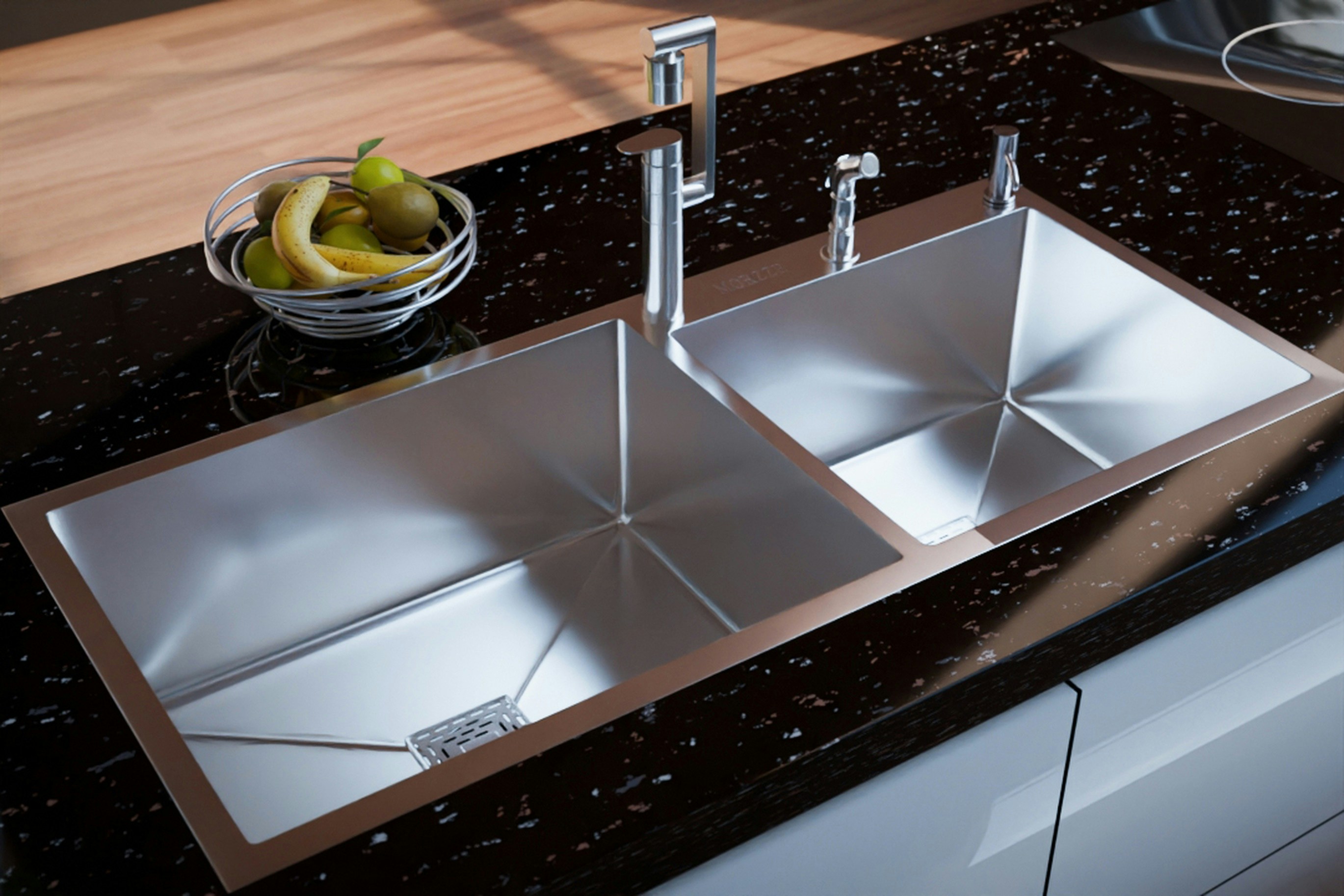
While single-basin sinks are often touted for their ability to hold large items, many modern double trough sinks are designed with one basin significantly larger than the other (e.g., a 60/40 or 70/30 split). This configuration offers the best of both worlds: you get the multitasking benefits of two basins, plus one large-capacity basin specifically designed to accommodate stockpots, roasting pans, and oven trays without difficulty.
No More Awkward Angling
With a generously sized double trough sink, you can say goodbye to the awkward gymnastics of trying to wash a large pan. There’s no more tilting and turning, splashing water all over the countertops and floor. You can simply place the large item flat in the bigger basin, making scrubbing and rinsing far easier and less messy. This simple convenience significantly improves the user experience and makes cleanup less of a chore.
Versatility in Kitchen Tasks
The utility of a double trough sink extends beyond just washing dishes. Its dual-basin design opens up a world of possibilities for various kitchen activities.
Dedicated Soaking Area
Have a pot with stubborn, baked-on food? A double trough sink allows you to fill one basin for soaking without monopolizing the entire sink area. You can let the tough-to-clean item soak for as long as needed while the second basin remains fully operational for all other tasks, from rinsing glasses to washing your hands.
Optimizing Space for Accessories
Modern double trough sinks are often designed as "workstations" with a built-in ledge to support a range of custom-fit accessories. These can include:
- Cutting Boards: A board that slides over one basin creates additional counter space for chopping and prep, allowing you to sweep trimmings directly into the drain or a compost bin.
- Colanders: Over-the-sink colanders are perfect for rinsing pasta, fruits, and vegetables, letting them drain directly into the basin.
- Drying Racks: A roll-up or stationary drying rack can be placed over one basin, providing a space-saving spot for air-drying dishes.
These accessories transform the sink from a simple basin into a highly functional and organized workspace, leveraging the separation that a double trough provides.
Built to Last: Enduring Benefits of a Premium Stainless Steel Sink
The material itself is at the heart of what makes a stainless steel sink a premium choice. When you combine the strength of 16 gauge construction with the inherent qualities of high-grade stainless steel, you get a product that is not only beautiful but also engineered for a lifetime of service.
The Allure of Type 304 Stainless Steel
Not all stainless steel is the same. The vast majority of premium kitchen sinks are crafted from Type 304 stainless steel, an industry benchmark renowned for its durability and resistance to corrosion. This specific alloy is a key reason for the sink's longevity.
Superior Corrosion and Rust Resistance
Type 304 stainless steel has a specific chemical composition that typically includes 18% chromium and 8% nickel. This "18/8" ratio is crucial. The chromium interacts with oxygen in the air to form a thin, invisible, and highly durable passive layer on the steel's surface. This layer is self-healing and acts as a barrier, providing exceptional protection against rust, corrosion, and stains from acidic foods or harsh chemicals. It ensures your sink will not degrade or discolor over time.
Non-Porous Nature for Hygiene
Hygiene is paramount in the kitchen, and the non-porous nature of Type 304 stainless steel makes it an ideal material for sinks. Unlike porous materials like granite composite or fireclay, which can potentially harbor bacteria in tiny crevices, stainless steel has a smooth, solid surface. This makes it incredibly difficult for germs and mold to take hold, and it allows the sink to be cleaned and sanitized effectively with simple household cleaners, ensuring a safe environment for food preparation.
Longevity and Low Maintenance
A premium stainless steel sink is an investment that pays for itself through its incredible longevity and ease of care. It is designed to look and perform great for decades with minimal effort.
Withstanding Daily Wear and Tear
Thanks to its robust 16 gauge construction and the inherent strength of 304-grade steel, a premium sink is built to withstand the rigors of a busy kitchen. It can handle thermal shock—such as pouring boiling water from a pasta pot directly into the basin—without warping or cracking. Its resistance to impacts, scratches, and stains means it will continue to look great even after years of heavy daily use.
Simple Cleaning for Your Double Trough Stainless Steel Sink
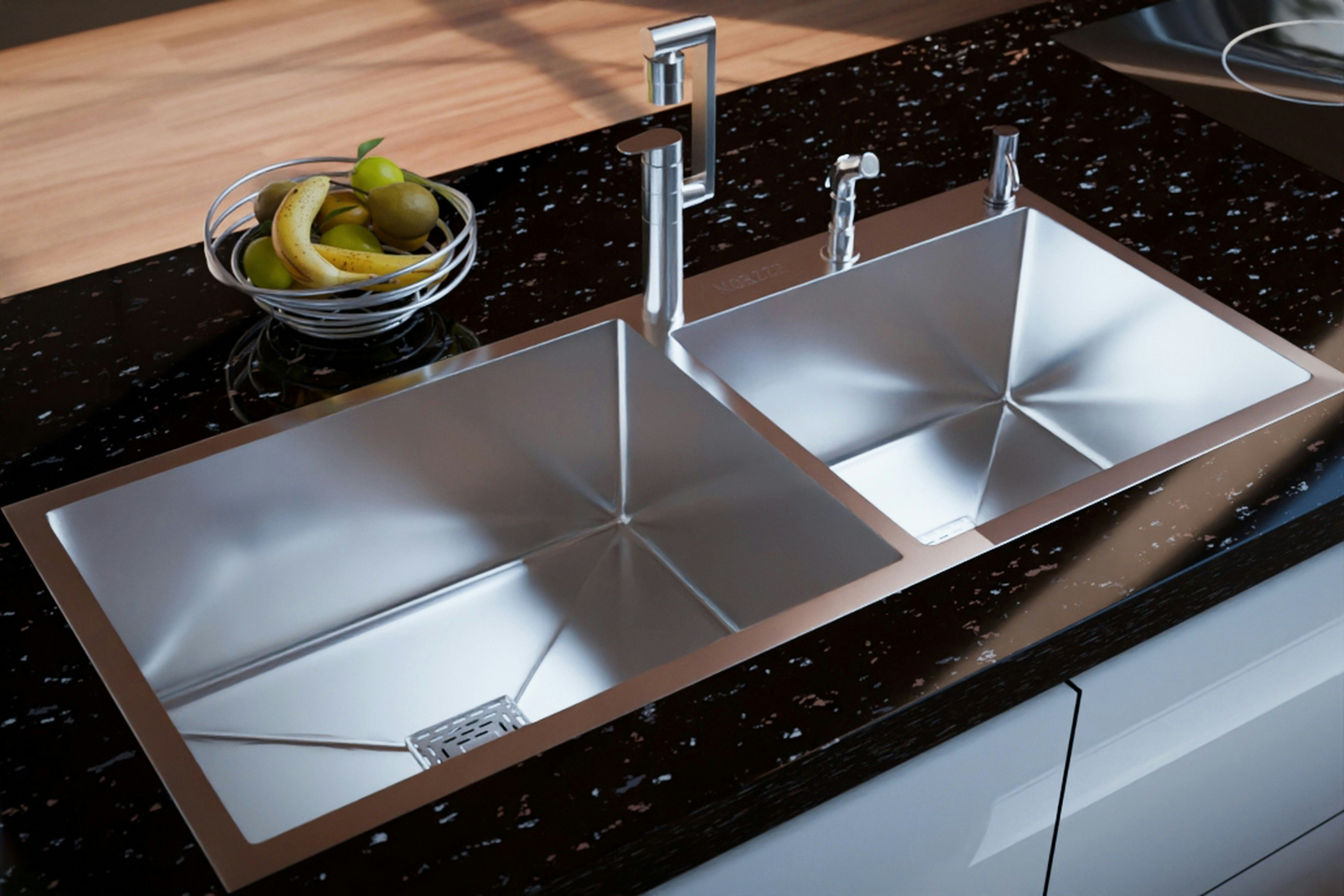
Maintaining the beauty of a stainless steel sink is remarkably straightforward. For daily cleaning, a simple wash with mild soap and warm water, followed by a rinse and a wipe-dry with a soft cloth, is all that's needed. Wiping the sink dry helps prevent water spots and mineral deposits from forming. For tougher grime, a paste of baking soda and water can be used as a gentle abrasive. When cleaning a brushed finish, it's best to wipe in the direction of the grain to maintain its uniform look.
Timeless Aesthetic Appeal
Beyond its functional benefits, stainless steel offers a timeless and versatile aesthetic that has made it a perennial favorite in kitchen design. It possesses a clean, professional look that complements virtually any decor.
Seamless Integration: Various Kitchen Designs
Whether your kitchen is ultra-modern, rustic farmhouse, industrial, or classic traditional, a stainless steel sink fits in seamlessly. Its neutral metallic sheen acts as a design chameleon, reflecting the colors and materials around it. It pairs beautifully with any countertop material, from quartz and granite to butcher block and marble, and complements all cabinet finishes. This versatility ensures that your sink will never look dated, even if you decide to update your kitchen style down the road.
Professional Look and Feel
There's a reason stainless steel is the material of choice in virtually every professional restaurant kitchen in the world. Its use immediately conveys a sense of quality, precision, and culinary competence. Bringing a high-quality 16 gauge stainless steel sink into your home kitchen instantly elevates the space, giving it a sophisticated, chef-inspired feel that is both visually appealing and highly practical.
Beyond the Basics: Defining a High-End Double Trough Stainless Steel Sink
While 16 gauge Type 304 steel and a double trough design form the foundation of a premium sink, high-end models distinguish themselves even further with thoughtful details and advanced features. These enhancements are focused on improving the user experience, simplifying maintenance, and maximizing longevity.
Advanced Sound Dampening Technologies
A truly premium sink is a quiet sink. Manufacturers invest heavily in technologies designed to eliminate the noise and vibration associated with everyday use, creating a more peaceful kitchen environment.
Rubber Pads and Undercoating: More Than Steel
As discussed, thick rubber or silicone pads are strategically placed on the bottom and walls of the sink basins to absorb the vibrations from clanging pots and pans. But premium sinks don't stop there. They also feature a complete layer of spray-on undercoating that covers almost the entire exterior of the sink. This coating serves two purposes: it acts as an additional layer of sound insulation and it thermally insulates the basin, which helps prevent condensation from forming on the underside of the sink and damaging your cabinets.
The Difference in a Busy Kitchen
In a busy home, especially one with an open-concept layout where the kitchen is part of the main living area, these sound-dampening features make a world of difference. The clatter of dishes being washed is muted, the drumming of the faucet is reduced to a quiet hum, and the roar of the garbage disposal is significantly dampened. This reduction in noise contributes to a calmer, more pleasant atmosphere for everyone in the home.
Thoughtful Design Elements
The best sinks are designed with the user in mind. Small, thoughtful details in the sink's geometry can have a big impact on its functionality and ease of maintenance.
Gently Rounded Corners for Easy Cleaning
Sink corners can be a trap for food particles and grime. While zero-radius corners (sharp, 90-degree angles) offer a crisp, modern look, they can be notoriously difficult to clean. Premium sinks often feature tight- or small-radius corners, typically between 10 and 15 millimeters. This design provides the best of both worlds: it maintains a clean, contemporary aesthetic while offering a gentle curve that is easy to wipe clean with a sponge or cloth. This prevents gunk from building up and makes the sink far more hygienic.
| Corner Style | Aesthetic | Ease of Cleaning |
|---|---|---|
| Zero Radius | Ultra-modern, sharp | Difficult; traps grime |
| Small/Tight Radius | Modern, clean | Easy; prevents buildup |
| Large Radius | Traditional, soft | Easiest; very rounded |
Optimal Drain Placement for Water Flow
The placement of the drain is another critical design element. Many high-end sinks feature rear-set drains, meaning the drain is positioned closer to the back of the basin rather than in the center. This offers two significant advantages. First, it improves water flow and drainage, as water is less likely to be blocked by dishes sitting in the sink. Second, it moves the plumbing and garbage disposal to the back of the cabinet underneath, freeing up more usable storage space in a typically cramped area.
Various Finishes and Their Benefits
The finish of the stainless steel not only affects its appearance but also its ability to resist daily wear and tear. Premium sinks are available in several finishes, each with unique characteristics.
Brushed vs. Polished: Ideal Look
The most common and practical finish for a high-quality kitchen sink is a brushed or satin finish. This finish is created by lightly scratching the surface of the steel with a fine-bristle brush, creating a pattern of very fine lines. It results in a soft, low-sheen luster that is elegant and understated. A polished or mirror finish, by contrast, is highly reflective and shiny. While it can be visually stunning, it is much more difficult to maintain, as it readily shows fingerprints, water spots, and every minor scratch.
Resisting Scratches, Fingerprints on Your Double Trough Stainless Steel Sink
A major advantage of a brushed finish is its ability to camouflage minor scratches and scuffs that inevitably occur with daily use. The fine lines of the grain pattern help to hide these imperfections, keeping the sink looking newer for longer. Because it's not highly reflective, a brushed finish is also far more forgiving when it comes to fingerprints and water spots, reducing the amount of time you need to spend polishing it to keep it looking clean. This makes it the most practical and popular choice for a busy, functional kitchen.

Conclusion
In my professional opinion, choosing a 16 gauge double trough stainless steel sink is a deliberate investment in the durability, functionality, and timeless style of your kitchen. It’s a decision that prioritizes long-term performance over short-term savings. This type of sink is engineered to withstand the demands of a busy household, offering superior resistance to dents, noise, and wear while providing unmatched versatility for everyday tasks.
By understanding the premium features that define it—from the robust thickness of the steel and the hygienic properties of the 304 alloy to the thoughtful design of its basins and corners—you can confidently select a sink that will serve your household beautifully for years to come. I hope this detailed guide has illuminated why this particular sink stands out as a truly premium choice, capable of elevating your kitchen from merely functional to exceptionally efficient and elegant.
Frequently Asked Questions (FAQ)
1. Is a 16 gauge sink really worth the extra cost compared to an 18 gauge? Absolutely. While the upfront cost is higher, a 16 gauge sink provides significantly better dent resistance, noise reduction, and overall stability. It's an investment in longevity and daily user experience. A 16 gauge sink is less likely to warp or dent, will be much quieter, and will feel more solid, especially with a garbage disposal attached. For a busy kitchen, the benefits far outweigh the price difference over the life of the sink.
2. I've heard stainless steel can scratch. How do I prevent this? All stainless steel can scratch, but the visibility of scratches can be managed. A brushed finish is excellent at camouflaging minor scuffs. To minimize scratching, avoid using abrasive scouring pads or harsh chemicals. Always clean in the direction of the steel's grain. Using a sink grid or rack at the bottom of the basin is the most effective way to protect the surface from scratches caused by pots, pans, and cutlery.
3. Will a Type 304 stainless steel sink ever rust? Under normal household conditions, a high-quality Type 304 stainless steel sink will not rust. Its high chromium and nickel content creates a passive layer that protects it from corrosion. Rust spots that occasionally appear are almost always due to external factors, such as leaving cast iron cookware or steel wool pads in the sink for extended periods. These surface rust spots can typically be cleaned off easily with a non-abrasive cleaner like Bar Keepers Friend or a baking soda paste.
4. Can I install a heavy garbage disposal on a 16 gauge sink? Yes, a 16 gauge sink is the ideal choice for a garbage disposal. Its thickness and rigidity provide a stable and secure mounting platform, minimizing vibration and noise when the disposal is running. Thinner gauge sinks can flex and vibrate excessively, which can lead to noise and stress on the sink and countertop seals over time.
5. What is the best way to clean and maintain my 16 gauge double trough sink? For daily cleaning, use a soft cloth or sponge with mild dish soap and warm water, then rinse thoroughly and wipe dry to prevent water spots. For deeper cleaning or to remove minor stains, use a paste of baking soda and water or a specialized stainless steel cleaner. Always wipe in the direction of the grain. To keep it shining, you can occasionally apply a thin coat of mineral oil or a stainless steel polish.