What is a Utility Sink: Understanding Stainless Steel Gauge for Durability
As we delve into the world of commercial kitchens and demanding workspaces, one often-overlooked yet critical piece of equipment is the utility sink. We're here to guide you through what makes these sinks so essential. When I think about a robust and efficient commercial operation, I know that every component plays a vital role. Today, we'll explore what a utility sink is, focusing on why its material and construction, especially stainless steel gauge, are critical for durability and compliance. Choosing the right utility sink can be a game-changer for hygiene and operational efficiency. Let's uncover the specific features and regulations that distinguish a sturdy, long-lasting utility sink from a standard basin.
Key Takeaways
- Dedicated Function is Crucial: A commercial utility sink, also known as a service or mop sink, is designed exclusively for janitorial tasks like filling mop buckets and disposing of wastewater. It must be kept separate from food preparation and handwashing sinks to prevent dangerous cross-contamination, a major focus of health code inspections.
- Commercial vs. Domestic is No Contest: Residential sinks made of plastic or thin-gauge steel are not built for commercial demands. Commercial utility sinks feature larger, deeper basins and are constructed from heavy-duty materials, primarily stainless steel, to withstand harsh chemicals, physical impact, and high-volume use.
- Stainless Steel Gauge and Grade are Paramount: The durability of a utility sink is determined by its stainless steel. The gauge indicates thickness (a lower number is thicker and stronger), with 14 or 16-gauge being ideal for heavy-duty applications. The grade (e.g., Type 304 or Type 316) determines corrosion resistance, with 316 offering superior protection against salts and harsh chemicals.
- Compliance is Non-Negotiable: To pass health inspections, commercial utility sinks must meet specific legal standards. Key certifications include NSF/ANSI 2, which ensures the material is hygienic and easy to clean, and cUPC, which verifies compliance with plumbing safety codes.
- Proper Installation and Drainage are Key: Beyond the sink itself, compliant installation involves critical plumbing features. This includes proper placement in a janitorial area, an indirect drain with an air gap to prevent backflow, and a faucet equipped with a vacuum breaker.
Understanding What a Utility Sink Is: A Cornerstone of Commercial Hygiene
In any professional setting, from bustling restaurant kitchens to sterile healthcare facilities, maintaining strict hygiene protocols is not just best practice—it's the law. While much attention is paid to handwashing stations and food prep areas, the humble utility sink plays an equally vital, if less glamorous, role. It is the designated workhorse for the toughest cleaning jobs, and understanding its function is the first step toward a safer, more efficient operation.

Defining the Specialized Role of a Commercial Utility Sink
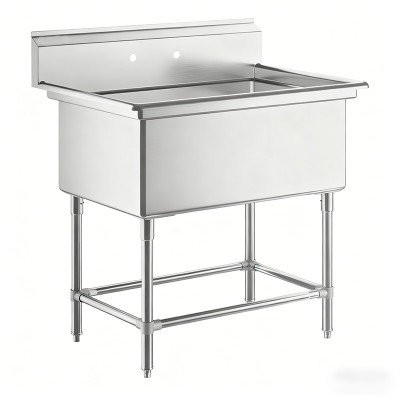
A commercial utility sink is a large, deep basin designed specifically for heavy-duty cleaning and maintenance tasks that are strictly separate from food preparation or personal hygiene. Often referred to as a "mop sink," "janitorial sink," or "service sink," its primary purpose is to handle jobs that would contaminate or damage other fixtures. This includes filling and emptying mop buckets, disposing of used cleaning water, and washing maintenance tools like brushes and floor mats.
Unlike the sinks in your kitchen or bathroom, a commercial utility sink is built for function over form. Its design is entirely practical, engineered to contain splashes from large buckets, withstand harsh chemicals, and endure the general wear and tear of a demanding environment. Keeping these janitorial tasks confined to a dedicated service sink is a fundamental principle of facility hygiene. Using it for handwashing is strictly prohibited, as the basin is considered a hub for germs and bacteria collected during cleaning, and doing so would defeat the purpose of washing hands.
Why Dedicated Utility Sinks Are Crucial for Your Operations
The separation of sinks based on function is a core requirement of the FDA Food Code and local health departments. The single most important reason for this is the prevention of cross-contamination, which occurs when harmful bacteria or chemicals are transferred from one surface to another. Imagine dumping a bucket of dirty mop water—filled with floor grime and chemical residue—into the same sink used to wash vegetables. The risk of spreading foodborne illness would be immense.
Health inspectors specifically check for a dedicated mop sink because its absence creates a direct and serious contamination risk. Most state and local health codes mandate that a service sink or a curbed cleaning facility be available for cleaning mops and disposing of liquid waste. Failure to comply can result in failed inspections, fines, or even business closure. By installing a dedicated utility sink, you create a clear, enforceable boundary between cleaning and food-related activities, which is a non-negotiable aspect of public health and safety. A dedicated utility sink isn’t just a piece of equipment; it’s a critical control point in your facility's overall sanitation plan.
Location and Drainage: Where Your Utility Sink Fits
The placement of a utility sink is as strategic as its design. To be effective and compliant, it must be physically separated from food preparation, food storage, and dishwashing areas. The ideal location is a dedicated janitor's closet or a designated maintenance or service area. This ensures that any splashes, chemical fumes, or general mess associated with cleaning tasks are contained and kept far away from any surface that comes into contact with food.
A well-designed janitor's closet will not only house the utility sink but also provide adequate storage for cleaning supplies, carts, and tools. Building codes and best practices suggest that the closet should have a door that opens outward to maximize internal space and that walls near the sink should be protected with a waterproof material like FRP (Fiberglass Reinforced Plastic). Furthermore, proper drainage is a key consideration. The sink should be located near a floor drain to manage any overflow and facilitate easy cleanup of the area. Thinking about the workflow—placing the sink where the mess starts—is crucial for maintaining a clean and organized facility.
Distinguishing What a Utility Sink Is: Commercial vs. Domestic Needs
Not all utility sinks are created equal. While you might find a "utility sink" in a residential garage or laundry room, it shares little more than a name with its commercial counterpart. The demands of a professional environment—relentless use, harsh chemicals, heavy impacts, and strict regulatory oversight—create a vast divide between domestic and commercial models. Understanding these differences is crucial to avoid costly mistakes and compliance failures.
The Big Differences: Size, Depth, and Capacity
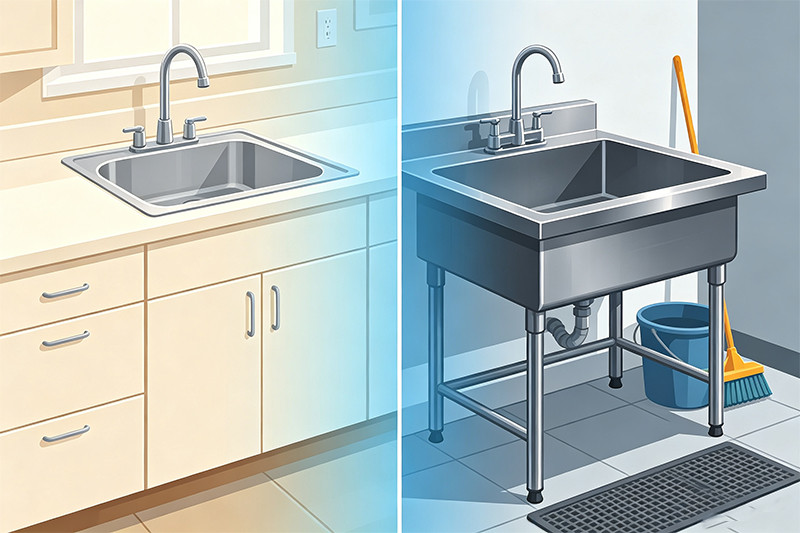
The most immediate distinction between a residential and a commercial utility sink is its physical scale. Domestic sinks are often shallow and small, designed for light tasks like hand-washing delicates or rinsing off garden tools. Commercial utility sinks, however, are built for volume and containment.
- Depth: A key feature of a commercial sink is its deep basin, with depths ranging from 10 to 14 inches or more. This depth is essential for fully submerging and filling large mop buckets without causing water to splash onto the floor, which helps prevent slip-and-fall hazards. A shallow residential sink simply cannot contain the volume and turbulence of filling a 35-quart bucket.
- Dimensions: While a home laundry sink might be 18 to 20 inches wide, standard commercial mop sinks often come in larger footprints like 24x24 or 24x36 inches. This provides a generous target for emptying heavy buckets and ample space for cleaning bulky equipment.
- Height: Mop sinks are often mounted low to the ground to minimize the strain of lifting heavy, water-filled buckets. In contrast, other commercial utility sinks may be installed at a standard 36-inch counter height to create a comfortable ergonomic workstation for various tasks.
The following table illustrates the typical differences:
| Feature | Residential Utility Sink | Commercial Utility Sink / Mop Sink |
|---|---|---|
| Typical Location | Laundry room, garage, basement | Janitor's closet, service area, commercial kitchen |
| Basin Depth | 7-10 inches | 10-14+ inches |
| Common Dimensions | 18" x 22" | 24" x 24" or 24" x 36" |
| Primary Use | Soaking clothes, light cleaning, pet washing | Filling/emptying mop buckets, tool cleaning, hazardous liquid disposal |
| Design Focus | Budget-friendly convenience | Durability, compliance, and safety |
Exploring Material Strength: Why Home Sinks Don't Make the Cut
Material is another area where commercial and residential sinks diverge significantly. A typical home utility sink is often made from lightweight thermoplastic or polypropylene. While inexpensive and resistant to some stains, these plastic materials can warp under high heat, crack from heavy impact, and degrade when exposed to harsh industrial cleaning chemicals. They are simply not engineered for the abuse of a commercial environment.
In stark contrast, the undisputed material of choice for commercial utility sinks is stainless steel. It is selected for an unbeatable combination of properties:
- Durability: Stainless steel is incredibly resilient, resisting dents, chips, and cracks from the impact of heavy buckets and tools.
- Corrosion and Chemical Resistance: It can withstand constant exposure to water and a wide array of aggressive cleaning agents without rusting or degrading.
- Hygienic Surface: As a non-porous material, stainless steel does not harbor bacteria, making it easy to clean and sanitize to meet health code standards.
- Heat Resistance: It is unaffected by hot water, including boiling temperatures used for sanitizing.
A residential-grade sink, even if made of stainless steel, is usually constructed from a much thinner, lighter-gauge steel, making it susceptible to damage and unsuitable for commercial use.
Navigating Regulations: Certifications and Drainage Requirements for Your Utility Sink
Perhaps the most critical difference lies in the regulatory landscape. Residential sinks are largely unregulated, whereas commercial sinks must adhere to a strict set of health and plumbing codes to be legally installed and operated.
- Certifications: Health inspectors look for specific marks to verify compliance. The most important is NSF/ANSI 2 certification, which confirms the sink is made from safe materials and has a design that is easy to sanitize, often requiring coved (rounded) corners to prevent bacteria buildup. Simply put, installing a non-NSF-certified sink in a commercial kitchen is a code violation.
- Plumbing Codes: Commercial sinks fall under the jurisdiction of codes like the Uniform Plumbing Code (UPC) and the International Plumbing Code (IPC). These codes dictate everything from the size of the drainpipe to the need for specific safety devices. For example, a commercial utility sink used for mop water must have a faucet equipped with a backflow prevention device (like a vacuum breaker) and often requires an indirect drainage connection to prevent sewer gases and contaminants from backing up into the facility.
These stringent requirements for materials, design, and installation do not apply to domestic sinks, making them fundamentally unqualified for any commercial foodservice or high-use institutional application. Choosing a certified, commercial-grade sink isn't an upgrade—it's a baseline requirement.
The Core of What a Utility Sink Is: The Importance of Stainless Steel Gauge and Grade
When selecting a commercial utility sink, the conversation inevitably turns to its material. While other materials exist, stainless steel is the undisputed industry standard for reasons that go far beyond its clean, professional appearance. The true value of a stainless steel sink lies in its microscopic composition and physical thickness—factors categorized as its grade and gauge. These two specifications are the ultimate determinants of the sink's durability, longevity, and ability to withstand the punishing demands of a commercial environment.
Unpacking Stainless Steel Gauge: Thicker Equals Tougher
The "gauge" of stainless steel refers to the thickness of the metal sheet used to make the sink. It's a crucial indicator of durability, but the numbering system can be counterintuitive: the lower the gauge number, the thicker and stronger the steel.
For example:
- 14-gauge (approx. 1.98 mm thick) is considered heavy-duty and is often used for extreme industrial applications.
- 16-gauge (approx. 1.59 mm thick) is a robust and highly durable option, ideal for high-traffic commercial kitchens, butcher shops, and busy janitorial closets where heavy buckets and equipment are common.
- 18-gauge (approx. 1.27 mm thick) is a quality mid-range thickness that offers a good balance of durability and affordability for many residential and light commercial uses.
- 20- to 22-gauge (approx. 0.95 to 0.79 mm thick) is much thinner and typically found in budget-friendly residential sinks. This lighter steel is more prone to denting, vibrating, and noise.
For a commercial utility sink that will be subjected to daily abuse, a lower gauge is always preferable. A thicker 14 or 16-gauge sink provides superior resistance to dents from dropped tools or buckets, is less likely to bow or flex under the weight of heavy water loads, and offers better noise dampening when water hits the basin. While a higher-gauge sink may be cheaper upfront, investing in a thicker 16-gauge model is a wiser long-term decision for any serious commercial operation.
Stainless Steel Sink Gauge Comparison
| Gauge Number | Thickness (Inches) | Thickness (mm) | Common Applications | Durability Level |
|---|---|---|---|---|
| 14 Gauge | 0.0781" | 1.98 mm | Heavy-duty industrial, food processing plants | Maximum |
| 16 Gauge | 0.0625" | 1.59 mm | Commercial kitchens, high-use utility areas | Excellent |
| 18 Gauge | 0.0500" | 1.27 mm | Residential kitchens, light commercial use | Good |
| 20 Gauge | 0.0375" | 0.95 mm | Budget residential sinks | Fair |
| 22 Gauge | 0.0313" | 0.79 mm | Economy/lightweight residential sinks | Low |
Choosing the Right Grade: 304 vs. 316 Stainless Steel for Your Utility Sink
Beyond thickness, the "grade" of stainless steel determines its chemical composition and, most importantly, its resistance to corrosion. The two most common grades you will encounter for sinks are Type 304 and Type 316.
Type 304 Stainless Steel: This is the workhorse of the commercial kitchen industry. Composed of approximately 18% chromium and 8% nickel (often referred to as 18/8 stainless steel), Type 304 offers excellent resistance to rust and corrosion from a wide variety of food acids and cleaning solutions. It is durable, hygienic, and cost-effective, making it the perfect choice for the vast majority of food service and general utility applications.
Type 316 Stainless Steel: This grade is a step up in corrosion resistance. It has a similar composition to 304 but with the crucial addition of 2-3% molybdenum. This element provides superior protection against chlorides, salts, and harsh industrial chemicals. A Type 316 utility sink is the ideal choice for environments with high exposure to corrosive agents, such as:
- Coastal or marine environments where salt is in the air.
- Laboratories or medical facilities using aggressive chemical sterilants.
- Areas where de-icing salts may be present in mop water.
While Type 316 is more expensive due to its added molybdenum and higher nickel content, that extra investment provides essential durability in harsh conditions where a 304-grade sink might eventually show signs of pitting or rust.
Why Stainless Steel Is the Non-Negotiable Standard for Utility Sinks
When you combine the benefits of a thick gauge and a high-quality grade, it becomes clear why stainless steel is the only material truly suited for commercial utility sinks.
- Unmatched Durability: It can withstand constant heavy use, high temperatures, and physical impact without chipping, cracking, or breaking. This longevity makes it a cost-effective investment over the long term.
- Superior Hygiene: The non-porous surface of stainless steel resists the growth of bacteria, mold, and other microorganisms. This makes it incredibly easy to clean and sanitize, a critical factor for meeting health code requirements and preventing the spread of germs.
- Exceptional Corrosion Resistance: Quality stainless steel forms a passive, self-healing chromium oxide layer that protects it from rust and corrosion caused by water, food acids, and cleaning chemicals.
- Professional Aesthetic: A clean stainless steel sink provides a modern, attractive appearance that signifies a commitment to cleanliness and quality in a professional environment.
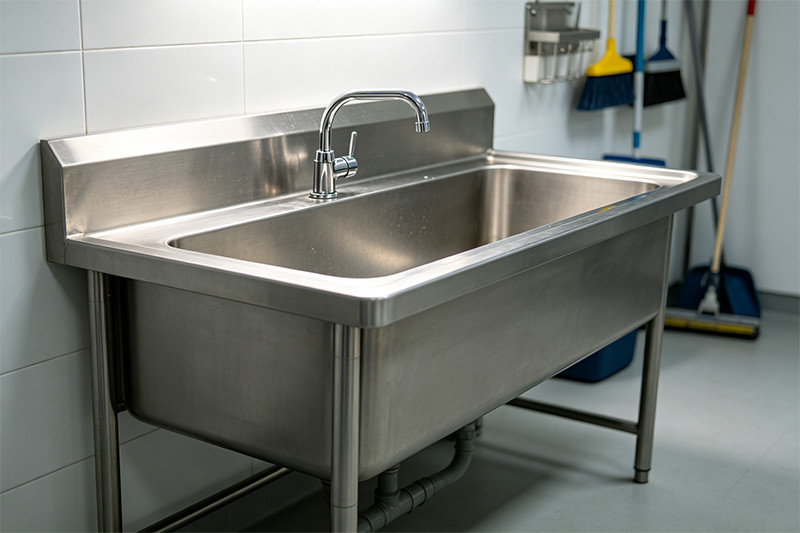
In a setting where hygiene and durability are paramount, choosing a robust stainless steel utility sink is not just a preference—it's a requirement for safe and efficient operations. For the ultimate in performance, consider a heavy-duty, 16-gauge Type 304 utility sink from a trusted brand like Samsink to ensure you meet both compliance standards and your own expectations for quality.
Making Your Utility Sink Compliant: Essential Standards and Features
Purchasing a high-quality stainless steel utility sink is only the first step. To ensure it passes inspection and functions safely, it must meet specific regulatory standards and be installed with the correct plumbing components. These requirements are not suggestions; they are legal mandates designed to protect public health. Failing to adhere to them can lead to costly delays, failed inspections, and operational shutdowns.
The Mark of Quality: NSF/ANSI 2 and cUPC Certifications
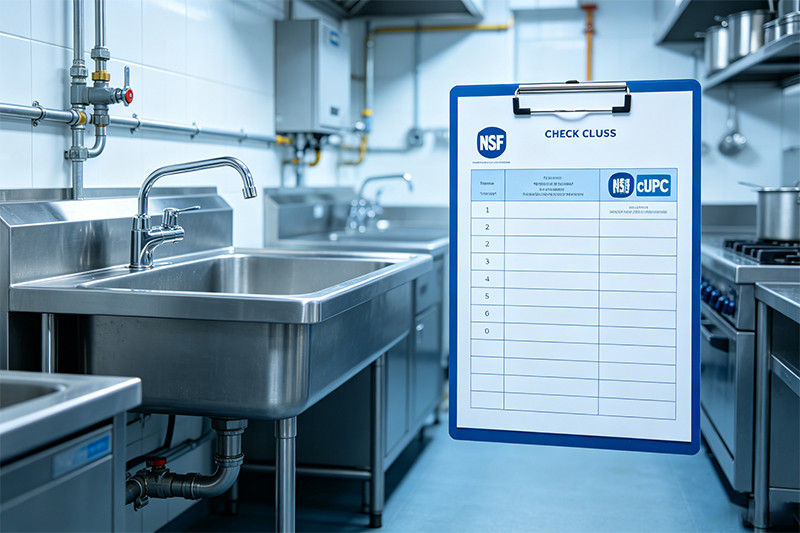
When a health inspector walks into your facility, they will look for official certification marks on your equipment. For a utility sink, two marks are paramount: NSF and cUPC.
NSF/ANSI 2: This certification is granted by NSF International (formerly the National Sanitation Foundation), an independent organization that sets public health and safety standards. The NSF/ANSI 2 standard is specifically for food equipment. For a sink, this certification verifies several key attributes:
- Material Safety: The materials used are non-toxic and won't leach harmful chemicals.
- Hygienic Design: The sink is designed to be easily and thoroughly cleaned. This often requires features like coved (rounded) internal corners to prevent bacteria from accumulating in sharp angles.
- Durable Construction: The sink is built to withstand the rigors of a commercial environment, including exposure to harsh cleaners.
Using NSF-certified equipment is often required by local health departments because it provides confidence that the equipment is designed with sanitation in mind.
cUPC: This mark indicates that the product complies with the Uniform Plumbing Code (UPC), a set of standards for the safe installation and performance of plumbing systems in the United States and Canada. The "c" signifies compliance with Canadian codes as well. A cUPC certification, issued by the International Association of Plumbing and Mechanical Officials (IAPMO), confirms that the sink and its components have been tested for:
- Structural Integrity and Durability: The fixture can withstand water pressure without leaking or failing.
- Proper Flow and Drainage: The sink is designed to function correctly within a plumbing system.
- Material Safety: It adheres to standards for safe materials in contact with the water supply, including low-lead requirements.
In many jurisdictions, it is illegal to sell or install uncertified plumbing products for commercial use. Therefore, ensuring your utility sink has both NSF and cUPC marks is essential for passing inspections.
Beyond the Basin: Indirect Drainage, Air Gaps, and Grease Interceptors
A compliant utility sink installation involves more than just the sink itself. The plumbing connections are under just as much scrutiny, as they are critical for preventing contamination.
Indirect Drainage and Air Gaps: In many commercial kitchens, plumbing codes require certain fixtures, including some sinks, to have an indirect drain. This means the sink's drain pipe does not connect directly to the sewer line. Instead, it drains through an air gap into a separate receptor, like a floor sink. An air gap is an unobstructed vertical space between the outlet of the drain pipe and the flood level of the receptor. This physical separation makes it impossible for sewage to back up and flow into the sink, which is a critical measure to prevent cross-contamination. While handwashing and mop sinks are often directly connected, sinks used for food prep almost always require an indirect drain.
Grease Interceptors: A grease interceptor, or grease trap, is a device that captures fats, oils, and grease (FOG) from wastewater before they enter the sewer system. This prevents the FOG from solidifying in pipes and causing massive clogs. Grease traps are legally required in most commercial kitchens for fixtures that handle greasy waste, such as three-compartment sinks and dishwashers. While a utility sink used exclusively for mop water may not always be required to connect to a grease trap, some codes mandate that all kitchen drains, including floor sinks that may receive janitorial waste, route to the interceptor. It's crucial to check with your local health and plumbing departments to determine the specific requirements for your establishment.
Ultimately, navigating these standards is a core responsibility of opening and operating a safe and legal facility. Partnering with experienced plumbers and equipment suppliers who understand local codes is the best way to ensure your utility sink and its connections are compliant from day one.
Frequently Asked Questions (FAQ)
What is the best gauge for a heavy-use commercial utility sink?
For a heavy-use commercial environment, 16-gauge stainless steel is the recommended standard. The lower gauge number signifies thicker, more durable steel that offers superior resistance to dents, bowing, and noise compared to the thinner 18-gauge or 20-gauge options. For the most demanding industrial applications, 14-gauge is even better, but 16-gauge provides an excellent balance of durability and cost for most restaurants, hospitals, and busy janitorial settings.
Can I use a residential utility sink in my small café?
No, you should not use a residential utility sink in any commercial food establishment, regardless of size. Health codes require that equipment used in commercial kitchens be NSF/ANSI 2 certified to ensure it meets sanitation and cleanability standards. Residential sinks, typically made of plastic or thin-gauge steel, lack this certification and are not designed to withstand the harsh chemicals and heavy use of a commercial environment, making them a compliance violation.
Do I need a special faucet for my utility sink?
Yes, a commercial utility sink faucet has specific requirements. It should be durable and, most importantly, must include a backflow prevention device, such as a vacuum breaker, installed at least six inches above the sink's flood rim. This is a critical plumbing code requirement to prevent contaminated water from being siphoned back into the clean water supply. Faucets often feature a high, arched spout to provide clearance for filling large mop buckets and may include a braced spigot with a hook for convenience.
Is there a difference between a utility sink and a mop sink?
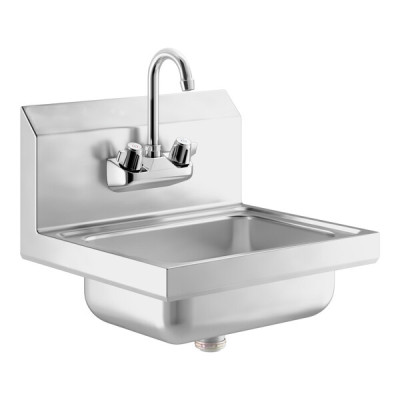
The terms are often used interchangeably, but "mop sink" typically refers to a specific type of utility sink, usually a floor-mounted basin with a low rim designed for the easy dumping of mop buckets. "Utility sink" is a broader term that can describe any sink used for general-purpose cleaning, which can be floor-mounted, wall-mounted, or freestanding at a standard counter height. In a commercial context, both must be dedicated to janitorial tasks and kept separate from food and handwashing areas.
Does my utility sink need to be connected to a grease trap?
It depends on its specific use and local codes. A sink used strictly for disposing of mop water from general floor cleaning might not require a direct connection. However, if the sink is used to wash greasy equipment or if floor drains in the kitchen (which may collect grease) are part of the janitorial cleaning process, a grease interceptor may be required. Most jurisdictions require fixtures like 3-compartment sinks and dishwashers to be connected to a grease trap. Always consult your local health and plumbing authorities to confirm the specific requirements for your facility.
Conclusion
So, as we've seen, what a utility sink is extends far beyond a simple basin – it's a critical, specialized tool in any hardworking environment. From its robust construction to its specific placement, every aspect is engineered for durability, hygiene, and compliance.
I hope this deep dive has clarified the significant differences between commercial and domestic sinks and why specifications like stainless steel gauge and proper certifications are non-negotiable. Understanding that a lower gauge means thicker, tougher steel, and that grades like Type 304 and 316 offer different levels of corrosion protection, empowers you to select a sink that will truly last. Furthermore, recognizing the importance of NSF and cUPC certifications ensures you are not only buying a quality product but also one that will pass the rigorous scrutiny of a health inspection.
Ultimately, investing in the right utility sink means ensuring long-term efficiency, safety, and adherence to health standards for your operations. Make an informed choice for lasting performance. For a sink that embodies durability and meets the highest industry standards, consider the professionally engineered options from Samsink. Explore our collection today to find the perfect workhorse for your commercial space. We encourage you to share this guide with colleagues and continue the conversation on the importance of quality equipment in the comments below.